2014 Ford Mustang Wheel Interchange And Fitment Guide
Use this page to compare wheel and tire measurements for a 2014 Ford Mustang. The calculator helps compare wheels from a donor vehicle with the wheels installed on your Mustang, but a calculator result is not a substitute for checking the vehicle, wheel, tire, and manufacturer requirements in person.
Known OEM Fitment For 2014 Ford Mustang
The following specifications are the known values supplied for this page. They may represent only certain trims, packages, or wheel and tire configurations. Confirm the information on the vehicle, the original wheel, the tire placard, and Ford service documentation before purchasing parts.
| Specification |
Known value |
| Bolt pattern |
5x114.3, meaning 5 studs on a 114.3 mm pitch circle diameter |
| Center bore |
70.5 mm |
| Thread size |
M12 x 1.75 |
| Rim diameter |
19 inches |
| Rim width |
8.5 inches |
| Wheel offset |
ET50, or 50 mm |
| Backspacing |
6.22 inches |
| Tire section width |
215 mm |
| Tire aspect ratio |
65 percent |
| Tire rim diameter |
R17, or 17 inches |
The supplied wheel and tire values do not form one complete wheel and tire size because the rim diameter is listed as 19 inches while the tire rim diameter is listed as 17 inches. Do not treat those values as a matched package. Confirm the actual wheel diameter and tire size for your specific Mustang before ordering.
How To Use The Wheel Interchange Calculator
Start by selecting the donor vehicle in the “Wheels from” fields and the 2014 Ford Mustang in the “Installed on” fields. Review the bolt pattern, center bore, offset, backspacing, rim width, and tire measurements shown by the comparison.
Use “Custom wheel size” when you are evaluating an aftermarket or separately measured wheel. Enter the rim diameter, rim width, and offset exactly as marked on the wheel or listed by its manufacturer. Use “Custom tire size” to enter the tire section width and aspect ratio. Changing the rim diameter updates the tire diameter in the comparison, so review the complete result after every change.
The calculator can identify measurement differences, but it cannot verify every physical clearance issue. Before purchase, check brake clearance, suspension clearance, fender clearance, load rating, tire pressure requirements, and whether the wheel accepts the correct lug hardware.
Fitment Checklist Before You Buy
Confirm that the replacement wheel uses the 5x114.3 bolt pattern and has a center bore that is compatible with the Mustang hub. A larger center bore may require correctly sized hub-centric rings. A smaller center bore generally will not fit over the hub and must not be forced into place.
Compare the replacement wheel's width, offset, and backspacing with the installed wheel. These dimensions affect inner suspension clearance and outer fender position. Check the wheel manufacturer's brake-clearance template or application data when available, especially if the wheel design has thick spokes or a deep hub profile.
Verify the tire size as a complete designation, including section width, aspect ratio, and rim diameter. Do not combine the supplied 215/65 R17 tire information with the supplied 19-inch rim information without confirming the intended configuration. The replacement tire must also meet or exceed the vehicle's required load and speed ratings.
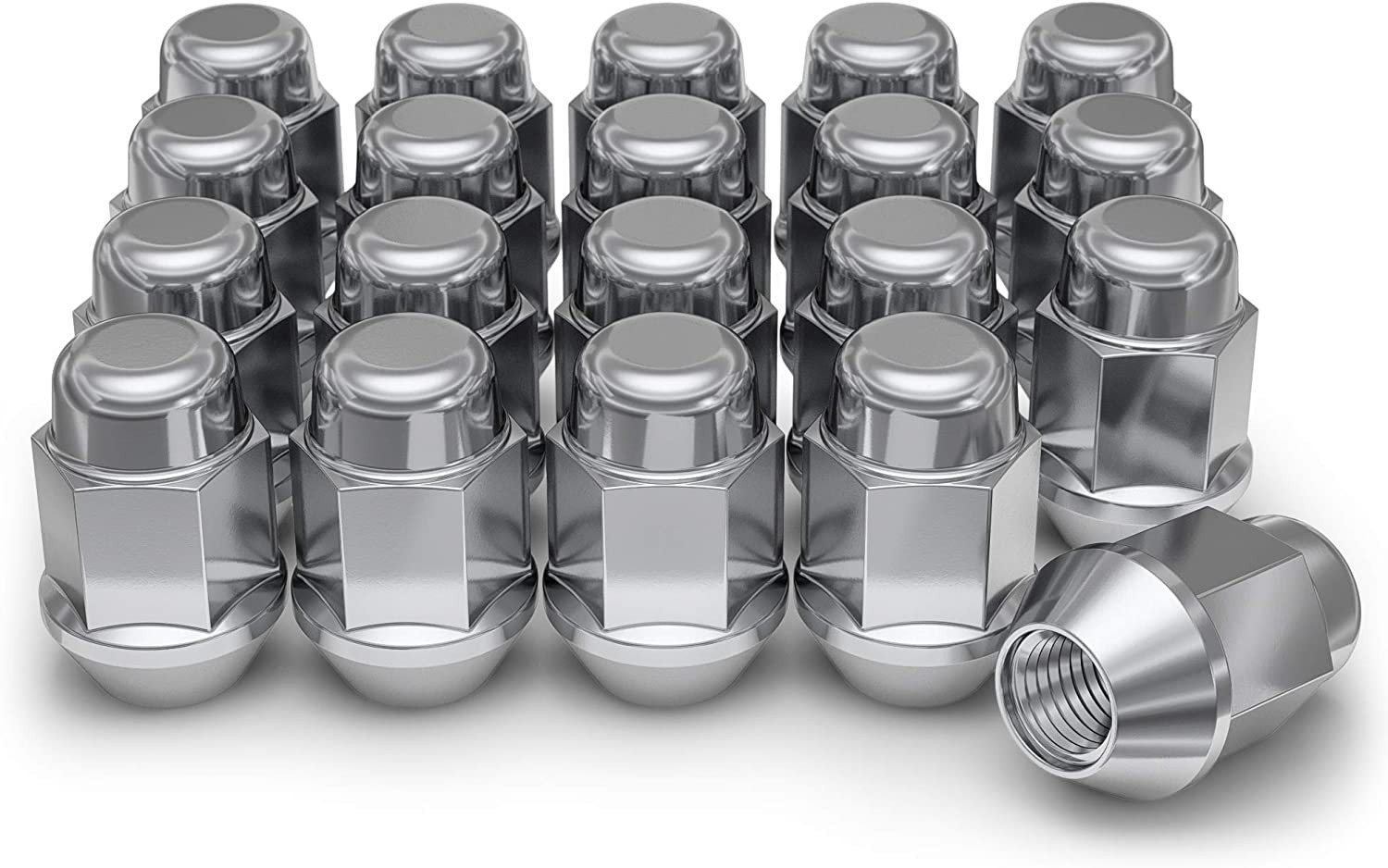
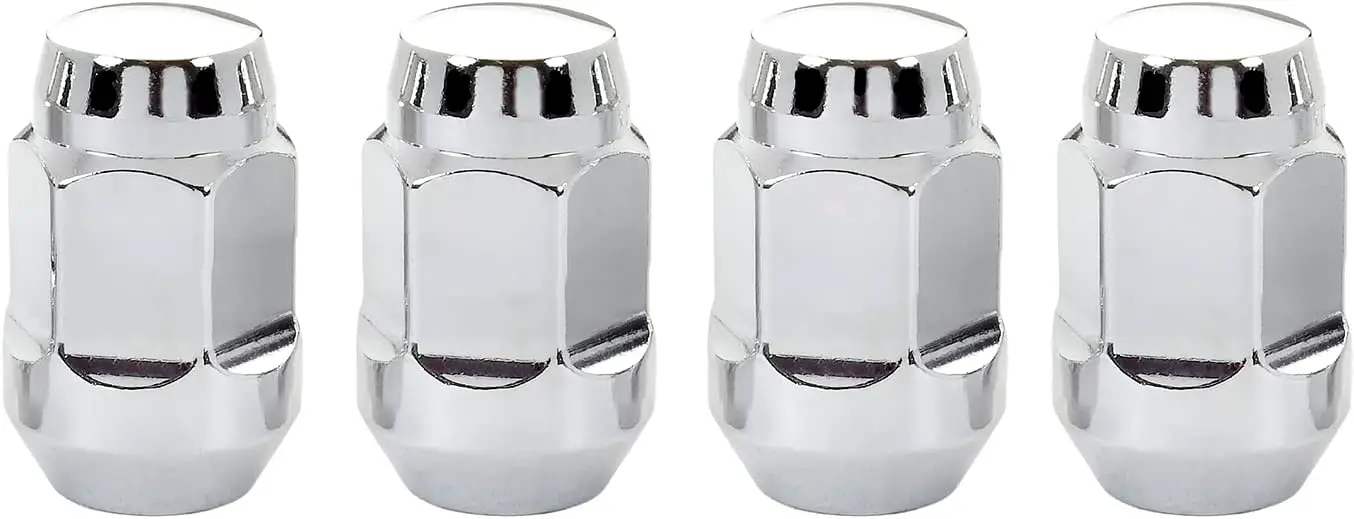
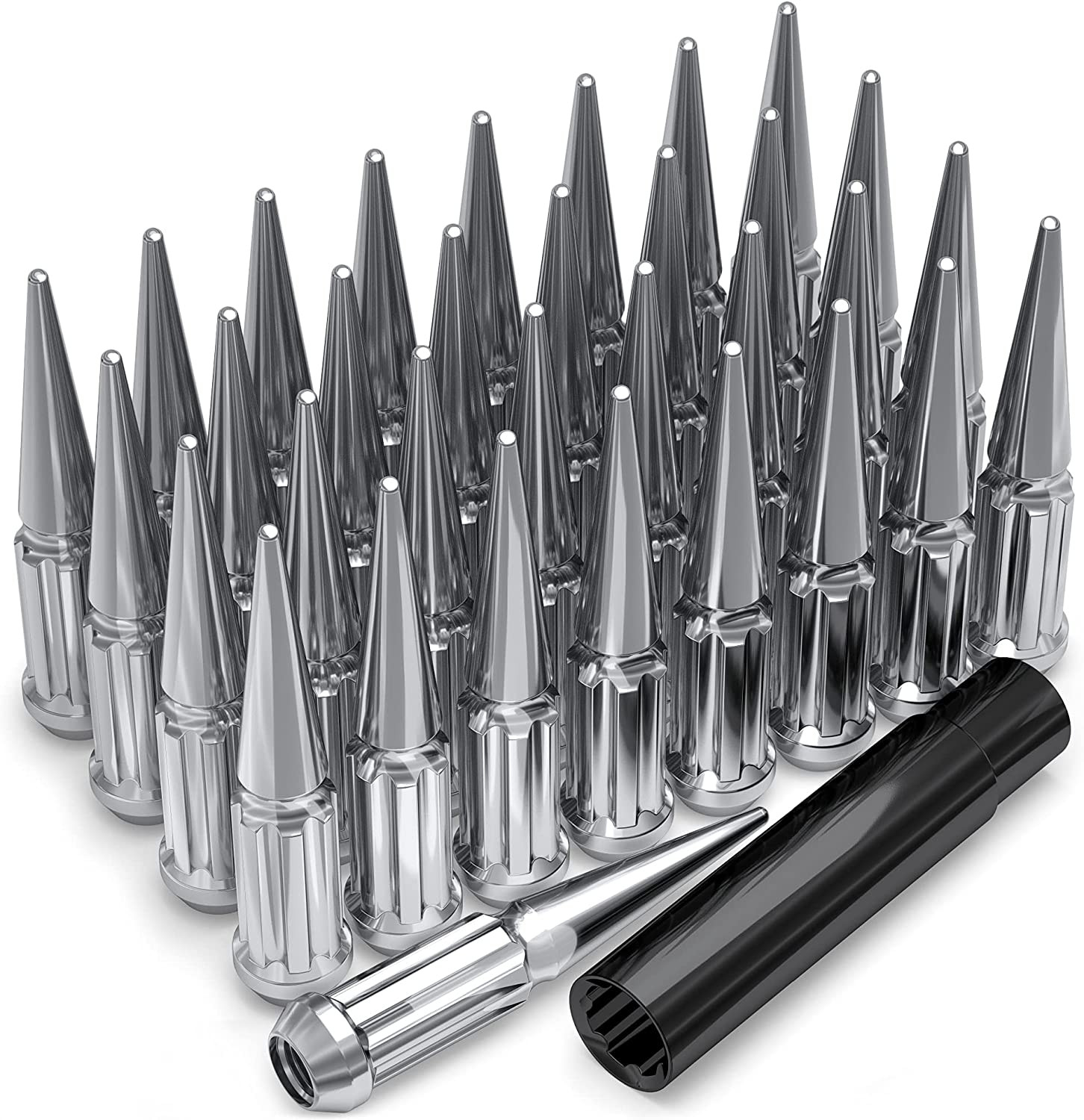
Before buying, confirm lug nut seat type, thread compatibility, valve stem requirements, TPMS compatibility, wheel load rating, and any restrictions from the wheel manufacturer. Final confirmation should come from the Ford owner's information, the door-jamb tire label, the wheel markings, and a qualified tire or wheel professional.
Plus Sizing And Common Upgrades
Plus sizing changes the wheel diameter while maintaining a similar overall tire diameter by using a lower tire sidewall. This can improve steering response and appearance, but it may reduce ride comfort and increase the risk of wheel or tire damage from potholes. It can also change the speedometer reading, traction-system behavior, and available clearance if the overall diameter differs too much.
No specific upgrade size is confirmed here because wheel and tire options can vary by trim, brake package, suspension setup, and market. Use the calculator to compare a proposed custom diameter, width, offset, section width, and aspect ratio. Treat the result as a measurement comparison only, then verify the complete combination against OEM and tire manufacturer requirements.
When considering a wider tire, check both sides of the wheel and tire for clearance through the full steering range and throughout suspension travel. A tire that clears while parked may contact a strut, liner, sway bar, or fender during turning or compression.
Installation Tips
Inspect each wheel for cracks, bends, damaged mounting faces, and corrosion before installation. Clean the hub and wheel mounting surfaces so the wheel sits flat. Do not use spacers, adapters, or hub rings unless they are correctly specified for the application and approved by the relevant manufacturer.
Install the correct lug nuts by hand first to avoid cross-threading. Tighten them in a star pattern using the vehicle manufacturer's specified torque. The exact torque value is not provided here, so confirm it in the Ford owner's manual or service information rather than guessing.
After installation, check that the wheel rotates freely and that there is no contact with brake components, suspension parts, bodywork, or wheel-well liners. Recheck lug torque after the initial drive interval specified by the wheel or vehicle manufacturer. If the vehicle vibrates, pulls, rubs, or loses pressure, stop driving and inspect the installation.
Tools And Helpful Supplies
A torque wrench, correctly sized socket, jack, jack stands, wheel chocks, and a tire-pressure gauge are useful for a careful wheel change. Use jack stands on a suitable support point and never work under a vehicle supported only by a jack.
Helpful supplies may include a hub-cleaning brush, nonmetallic cleaning tools, a tread-depth gauge, and a TPMS service kit when applicable. Amazon search links are provided for general tool research only. Confirm the tool size and specifications before purchase.
Search automotive torque wrenches on Amazon
Search automotive tire pressure gauges on Amazon
FAQs
Can any 5x114.3 wheel fit a 2014 Ford Mustang?
No. The bolt pattern is only one requirement. Center bore, offset, width, backspacing, brake clearance, lug hardware, wheel load rating, and tire compatibility must also be checked.
What center bore is listed for this Mustang?
The supplied known value is 70.5 mm. Confirm the hub and wheel measurements for the specific vehicle and replacement wheel before using hub-centric rings or ordering parts.
Can I use the listed 215/65 R17 tire on the listed 19-inch wheel?
No. A tire marked R17 is designed for a 17-inch rim, while the listed wheel diameter is 19 inches. These supplied values should be treated as separate or potentially varying fitment data until the correct configuration is confirmed.
Does a larger center bore make a wheel unusable?
Not necessarily. A larger bore may be usable with properly sized hub-centric rings, provided all other fitment and load requirements are satisfied. A bore that is too small generally cannot fit over the vehicle hub.
How do I compare aftermarket wheels?
Enter the donor vehicle or use the custom wheel fields in the calculator. Compare diameter, width, offset, backspacing, bolt pattern, center bore, and tire dimensions. Then physically verify clearance and confirm the wheel manufacturer's application data.
Will changing wheel diameter affect tire diameter?
The calculator updates tire diameter when the rim diameter is changed. The actual tire must still be selected as a complete size, and the resulting overall diameter, load rating, clearance, and vehicle-system compatibility must be checked before installation.
What lug thread size is listed?
The supplied thread size is M12 x 1.75. Confirm that the replacement wheel's lug-seat design and the selected lug nuts match the vehicle and wheel requirements. Do not rely on thread size alone.
Where can I confirm the final fitment?
Check the Ford owner's manual, door-jamb tire label, original wheel markings, Ford service information, tire manufacturer data, and replacement wheel manufacturer specifications. A qualified tire or wheel technician should inspect any uncertain combination before it is driven on public roads.