2015 Ford Mustang Wheel Interchange and Fitment Guide
Use this guide to compare wheel and tire dimensions for a 2015 Ford Mustang. The specifications below are the supplied known values and may vary by trim, package, brake configuration, or market. Always confirm the vehicle placard, owner’s manual, wheel markings, and OEM parts information before purchasing.
Known OEM Fitment For 2015 Ford Mustang
The following specifications were provided for this vehicle. They should be treated as a reference, not as a substitute for confirming the exact trim and installed equipment.
| Specification |
Known value |
| Bolt pattern, studs x PCD |
5x114.3 |
| Center bore |
70.5 mm |
| Thread size |
M14 x 1.5 |
| Rim diameter |
18 inches |
| Rim width |
8.0 inches |
| Wheel offset |
ET40, or 40 mm |
| Backspacing |
5.57 inches |
| Tire section width |
235 mm |
| Tire aspect ratio |
55 percent |
| Tire rim diameter supplied |
17 inches |
There is an apparent diameter mismatch in the supplied data: the known rim diameter is listed as 18 inches, while the tire rim diameter is listed as 17 inches. A 17-inch tire cannot be installed on an 18-inch wheel, and an 18-inch tire cannot be installed on a 17-inch wheel. Confirm the actual wheel diameter and tire size from the sidewall, wheel stamp, vehicle door-jamb label, or OEM documentation before using these values for a purchase.
The bolt pattern, center bore, thread size, offset, width, and brake clearance must all be suitable. Matching the 5x114.3 bolt pattern alone does not prove that a wheel fits safely.
How To Use The Wheel Interchange Calculator
Use the on-page calculator to compare Wheels from a donor vehicle with wheels Installed on your 2015 Ford Mustang. Enter the donor wheel and tire information, then enter the known or confirmed Mustang specifications.
- Start with the bolt pattern, center bore, rim diameter, rim width, and offset.
- Compare the donor wheel’s width and offset with the installed wheel to estimate how the inner and outer wheel positions change.
- Enter tire section width and aspect ratio separately from wheel dimensions.
- Use the custom wheel size fields to test a different rim diameter, width, or offset.
- Use the custom tire size fields to compare section width and aspect ratio changes.
- When you change rim diameter, the calculator updates the tire diameter in the comparison. Confirm that the selected tire also matches the new wheel diameter.
Calculator results are dimensional comparisons, not a guarantee of safe fitment. The tool cannot replace a physical check for brake-caliper clearance, suspension clearance, fender clearance, load rating, or correct lug-nut engagement.
Fitment Checklist Before You Buy
- Confirm the exact Mustang trim, brake package, drivetrain, and market specification using OEM sources.
- Verify the wheel has a 5x114.3 bolt pattern and is designed for the vehicle’s M14 x 1.5 wheel studs.
- Check the wheel center bore. A larger bore may require correctly specified hub-centric rings, while a smaller bore will not fit over the hub.
- Compare offset and width, not just diameter. These dimensions affect inner suspension clearance and outer fender position.
- Confirm the tire’s rim diameter matches the wheel diameter exactly.
- Check tire load index, speed rating, construction, and approved rim-width range against the vehicle and tire manufacturer requirements.
- Inspect brake-caliper clearance with the actual wheel. Spoke shape and barrel design can matter as much as nominal wheel dimensions.
- Verify that the wheel’s load rating meets or exceeds the vehicle’s requirements.
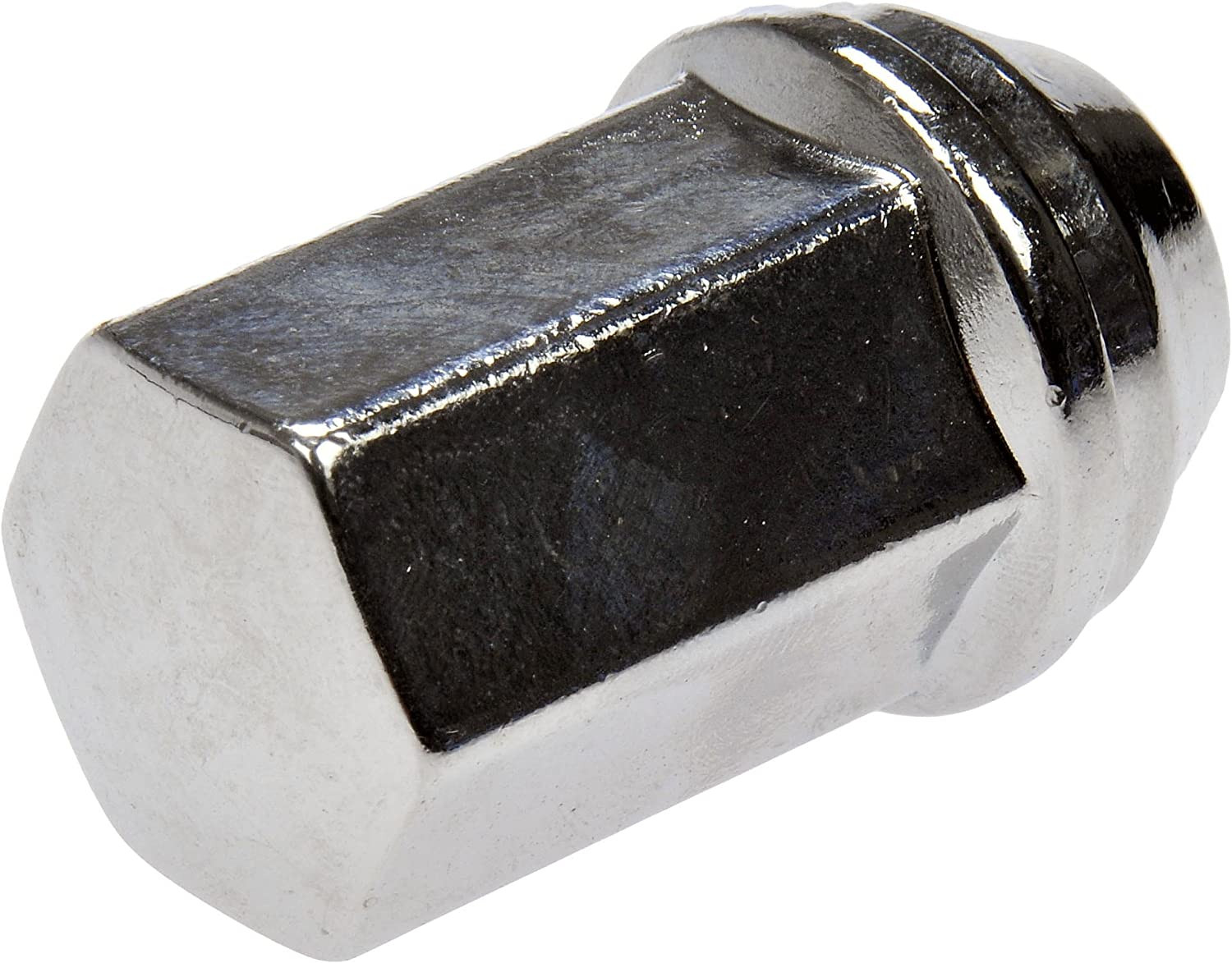
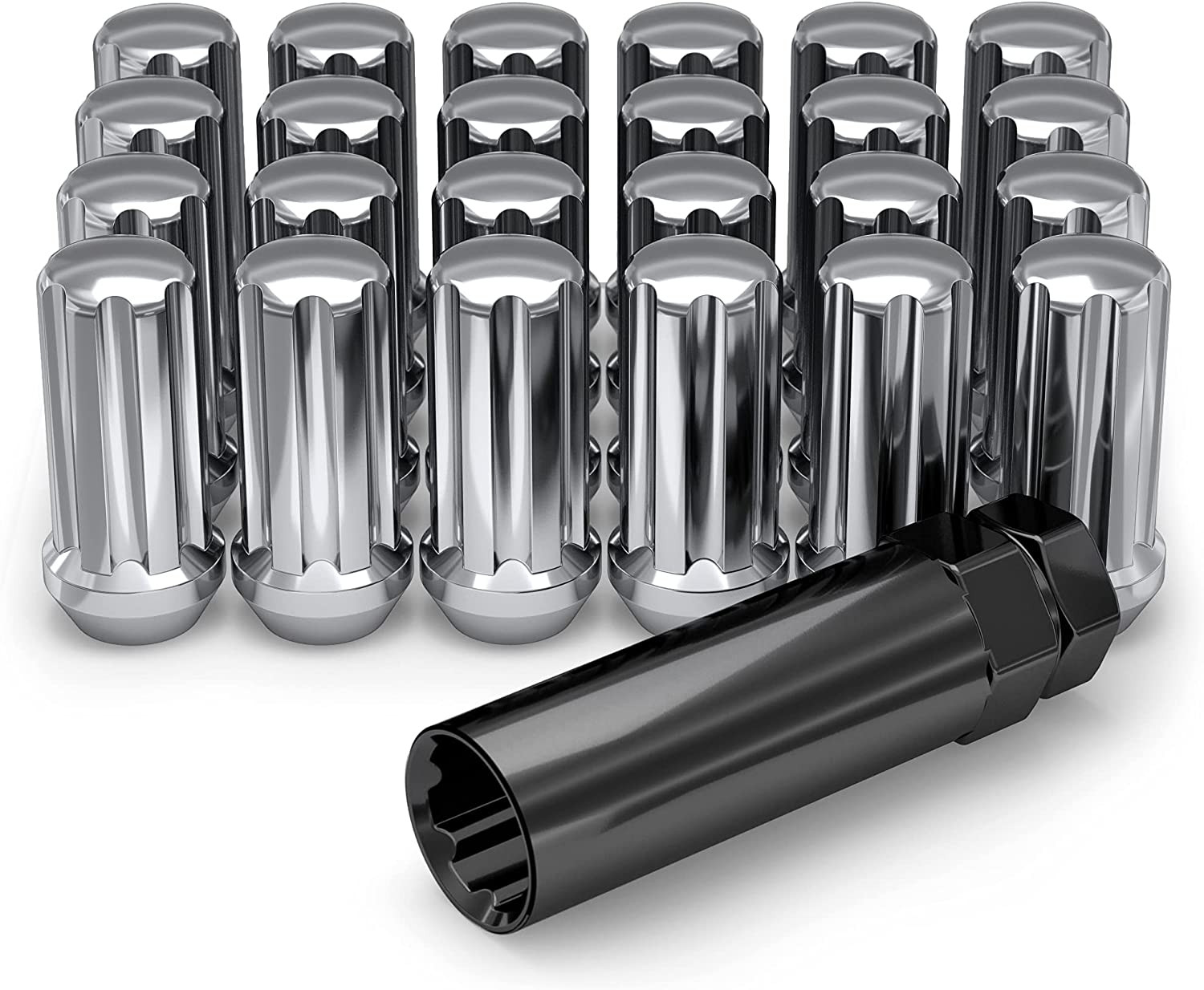
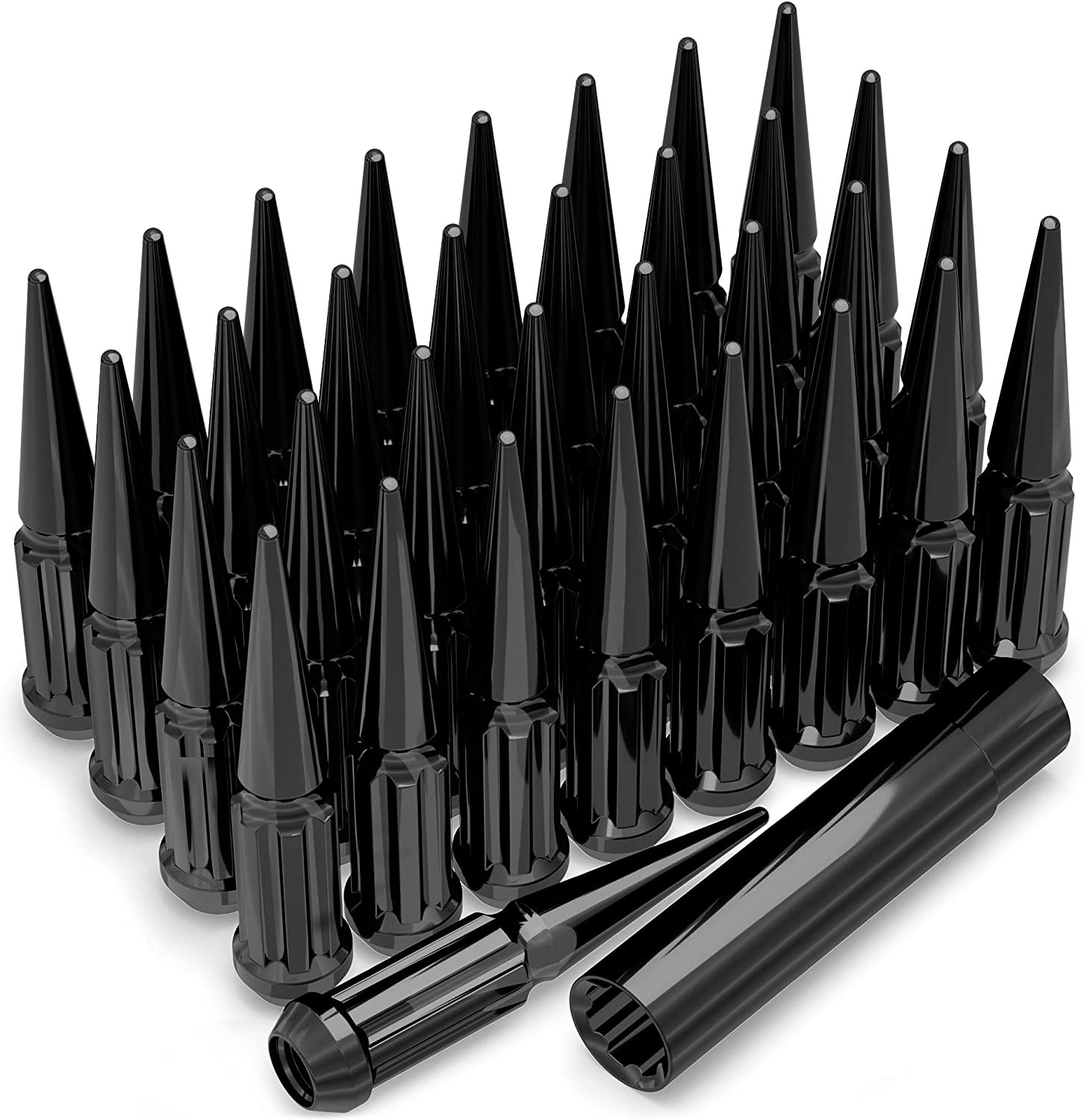
- Confirm the correct lug-nut seat type. Do not assume that the original lug nuts fit an aftermarket wheel.
- After installation, check steering lock clearance, suspension clearance, and fender clearance at normal ride height and under compression.
If any value is unknown or differs by trim, stop and confirm it through the vehicle’s door-jamb label, owner’s manual, Ford parts information, the wheel manufacturer, or a qualified technician.
Plus Sizing And Common Upgrades
Plus sizing generally means fitting a larger-diameter wheel with a lower-profile tire while attempting to keep the overall tire diameter close to the original. It can change steering response, ride comfort, wheel protection, noise, braking feel, and the risk of impact damage.
No specific upgrade size is confirmed here. Do not treat a calculator comparison as approval for a particular aftermarket combination. Test each proposed wheel and tire combination for brake, suspension, steering, and body clearance.
When changing wheel diameter, select a tire that is approved for that wheel diameter and compare the calculated overall diameter with the vehicle’s confirmed original specification. A substantial diameter change can affect ground clearance, speedometer behavior, electronic systems, and gearing. The calculator can show the dimensional change, but OEM and tire-maker guidance should determine whether the combination is appropriate.
Installation Tips
- Clean the hub face and wheel mounting surface before installation. Remove rust, paint buildup, and debris without damaging the mating surfaces.
- Install wheels by hand and start every lug nut by hand to help prevent cross-threading.
- Use the lug-nut seat specified for the wheel. Conical, ball, and other seat designs are not interchangeable.
- Snug the lug nuts in a star or crisscross pattern, then torque them with a calibrated torque wrench to the vehicle or wheel manufacturer’s specified value.
- Never use impact-gun tightening as the final torque procedure.
- Check for wheel movement, contact, and clearance before driving.
- Recheck lug-nut torque after the first short drive and again according to the wheel manufacturer’s instructions.
- After tire installation, balance the assemblies and perform an alignment if the steering wheel is off-center, the vehicle pulls, or suspension geometry has changed.
Tools And Helpful Supplies
A torque wrench, suitable socket, wheel chocks, and a reliable jack and jack stands are important for safe wheel work. Use jack stands on solid, level ground and follow the vehicle manufacturer’s lifting points.
- Automotive torque wrench for final lug-nut tightening.
- Automotive wheel chocks to help prevent vehicle movement.
- Correct-size socket and any required thin-wall or protective wheel socket.
- Wire brush or approved hub-cleaning tool for removing surface corrosion.
- Caliper or measuring tools for checking hub bore and wheel dimensions when specifications are unclear.
Do not work under a vehicle supported only by a jack. If you cannot verify the wheel’s seat type, load rating, or clearance, have the installation inspected by a qualified tire or wheel professional.
FAQs
Does the 2015 Ford Mustang use a 5x114.3 bolt pattern?
Yes, 5x114.3 is the supplied known bolt pattern for this page. Confirm the exact trim and wheel application before purchase.
What is the center bore listed for this Mustang fitment?
The supplied center bore is 70.5 mm. A wheel with a smaller bore will not fit over the hub. A larger bore may need correctly sized hub-centric rings, depending on the wheel and application.
What lug thread size is listed?
The supplied thread size is M14 x 1.5. The lug-nut seat must also match the replacement wheel, so thread size alone is not enough to select lug nuts.
Why do the supplied rim and tire diameters conflict?
The known rim diameter is 18 inches, but the supplied tire rim diameter is 17 inches. Those dimensions cannot be used together as one wheel and tire assembly. Check the tire sidewall and wheel markings, then update the calculator with the confirmed values.
Can any 5x114.3 wheel fit this Mustang?
No. The wheel must also have suitable center-bore dimensions, offset, width, load rating, lug-nut seat, brake clearance, and physical clearance from suspension and body components.
Can I use the calculator to approve a donor wheel?
The calculator is useful for comparing dimensions from a donor vehicle with the installed vehicle and for testing custom wheel and tire sizes. It does not certify brake clearance, load capacity, tire approval, or safe installation.
What should I confirm before changing wheel diameter?
Confirm that the tire matches the new rim diameter, is approved for the wheel width, has suitable load and speed ratings, and maintains an acceptable overall diameter. Also check clearance and any OEM requirements for the exact Mustang trim.