2018 Ford Mustang Wheel Fitment Guide
Known OEM Fitment For 2018 Ford Mustang
The following specifications are the known fitment values provided for the 2018 Ford Mustang. They may not describe every trim, package, or wheel and tire combination. Confirm the specifications for your specific vehicle using the owner’s manual, the vehicle placard, Ford service information, or the original wheel markings.
| Specification |
Known value |
| Bolt pattern |
5x114.3 |
| Center bore |
70.5 mm |
| Thread size |
M14 x 1.5 |
| Rim diameter |
18 inches |
| Rim width |
8.0 inches |
| Wheel offset |
ET40, or 40 mm |
| Backspacing |
5.57 inches |
| Tire section width |
235 mm |
| Tire aspect ratio |
55 percent |
| Tire rim diameter |
17 inches |
Notice that the supplied data lists an 18-inch rim diameter and a tire rim diameter of 17 inches. These values should not be treated as one confirmed wheel and tire package. A tire with an “R17” designation is designed for a 17-inch wheel, while an 18-inch wheel requires a tire with an “R18” designation. Use the calculator and verify the original tire size and wheel size on the vehicle before ordering.
Wheel fitment also depends on brake clearance, spoke design, wheel load rating, tire load and speed ratings, suspension clearance, and the vehicle’s specific trim or performance package. A matching bolt pattern alone does not prove that a wheel is safe or compatible.
How To Use The Wheel Interchange Calculator
Use the calculator to compare a donor wheel and tire setup with the setup installed on your 2018 Ford Mustang. Enter the donor vehicle or donor wheel measurements in “Wheels from” and enter the Mustang measurements in “Installed on.” Review changes in wheel width, offset, inner clearance, outer position, and tire dimensions.
- Start with the known Mustang values shown on this page, then replace them with the exact values confirmed for your trim if they differ.
- Enter the donor wheel diameter, width, and offset as accurately as possible. Do not substitute tire diameter for wheel diameter.
- Enter tire section width, aspect ratio, and rim diameter separately. The tire rim diameter must match the wheel diameter.
- Use “Custom wheel size” and “Custom tire size” when evaluating aftermarket combinations.
- When you change rim diameter, review the updated tire diameter in the comparison. A larger wheel normally requires a lower-profile tire to maintain a similar overall diameter, but the calculator result still needs to be checked against the vehicle and tire manufacturer requirements.
- Treat the calculator as a comparison tool, not a substitute for physical clearance testing or professional fitment confirmation.
Fitment Checklist Before You Buy
- Confirm the 5x114.3 bolt pattern and verify that the wheel is actually manufactured for five studs.
- Confirm that the wheel’s center bore is compatible with the Mustang’s 70.5 mm hub. A larger bore may require properly sized hub-centric rings, while a smaller bore will not fit over the hub.
- Check wheel offset and backspacing in the calculator. Changes can affect strut, suspension, brake, fender, and inner wheel-well clearance.
- Verify brake caliper clearance using the wheel manufacturer’s brake-clearance information. Diameter, width, and spoke shape all matter.
- Confirm that the wheel load rating meets or exceeds the vehicle manufacturer’s requirement. The required rating was not provided here, so obtain it from Ford documentation or the wheel manufacturer.
- Match the tire size to the wheel diameter. Resolve the supplied 18-inch wheel and 17-inch tire discrepancy before purchase.
- Check tire load index, speed rating, overall diameter, approved rim-width range, and inflation requirements using the tire manufacturer’s data.
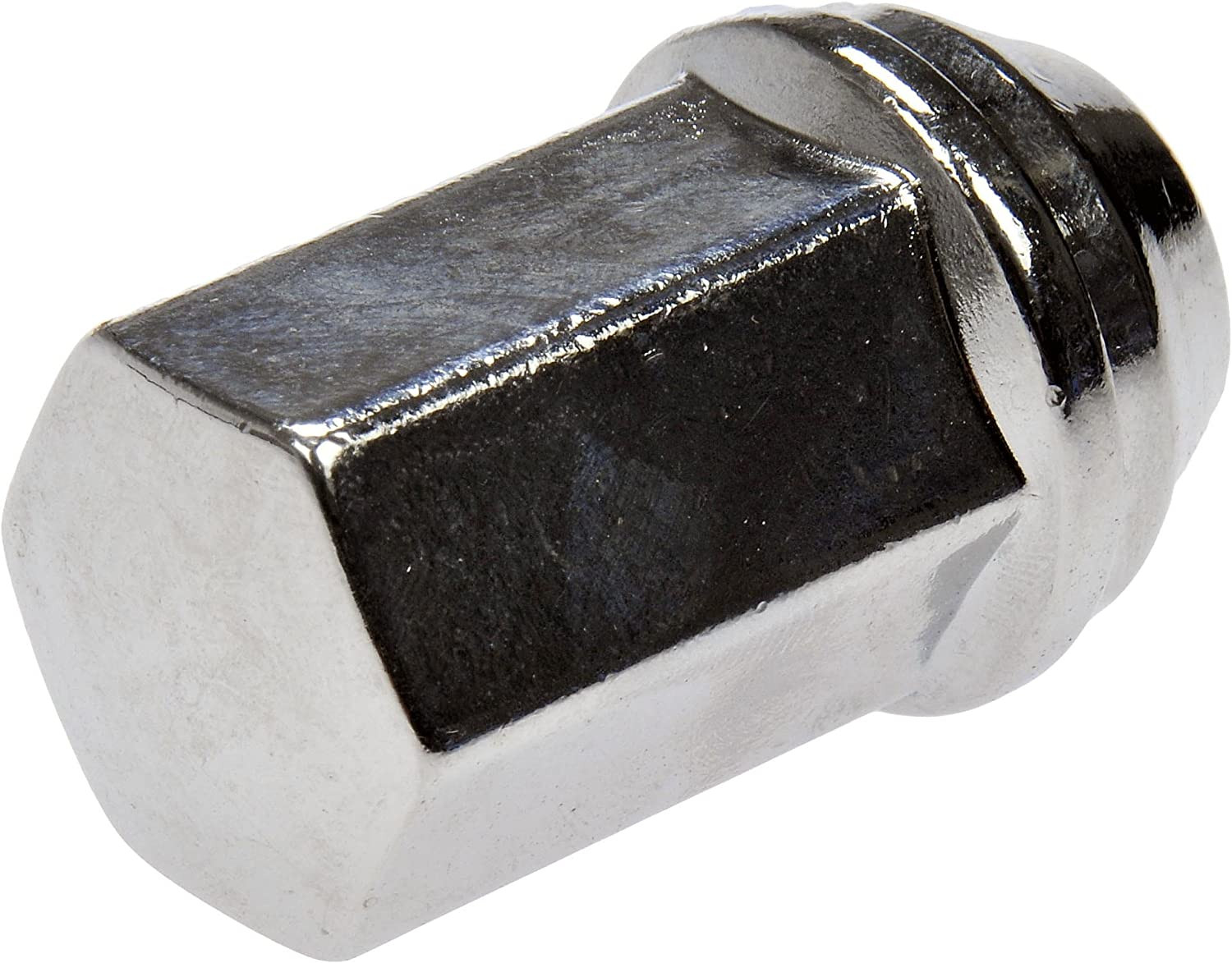
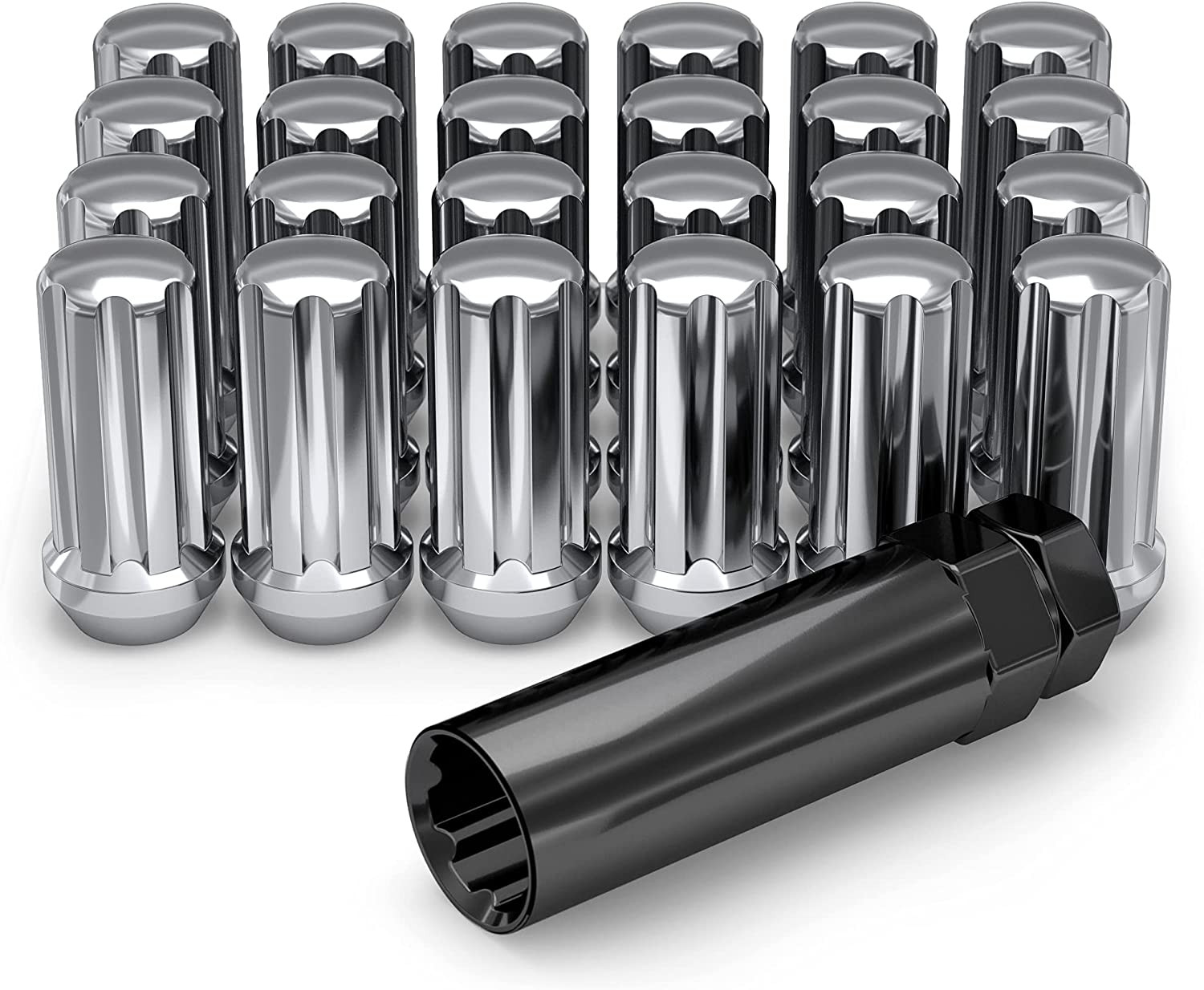
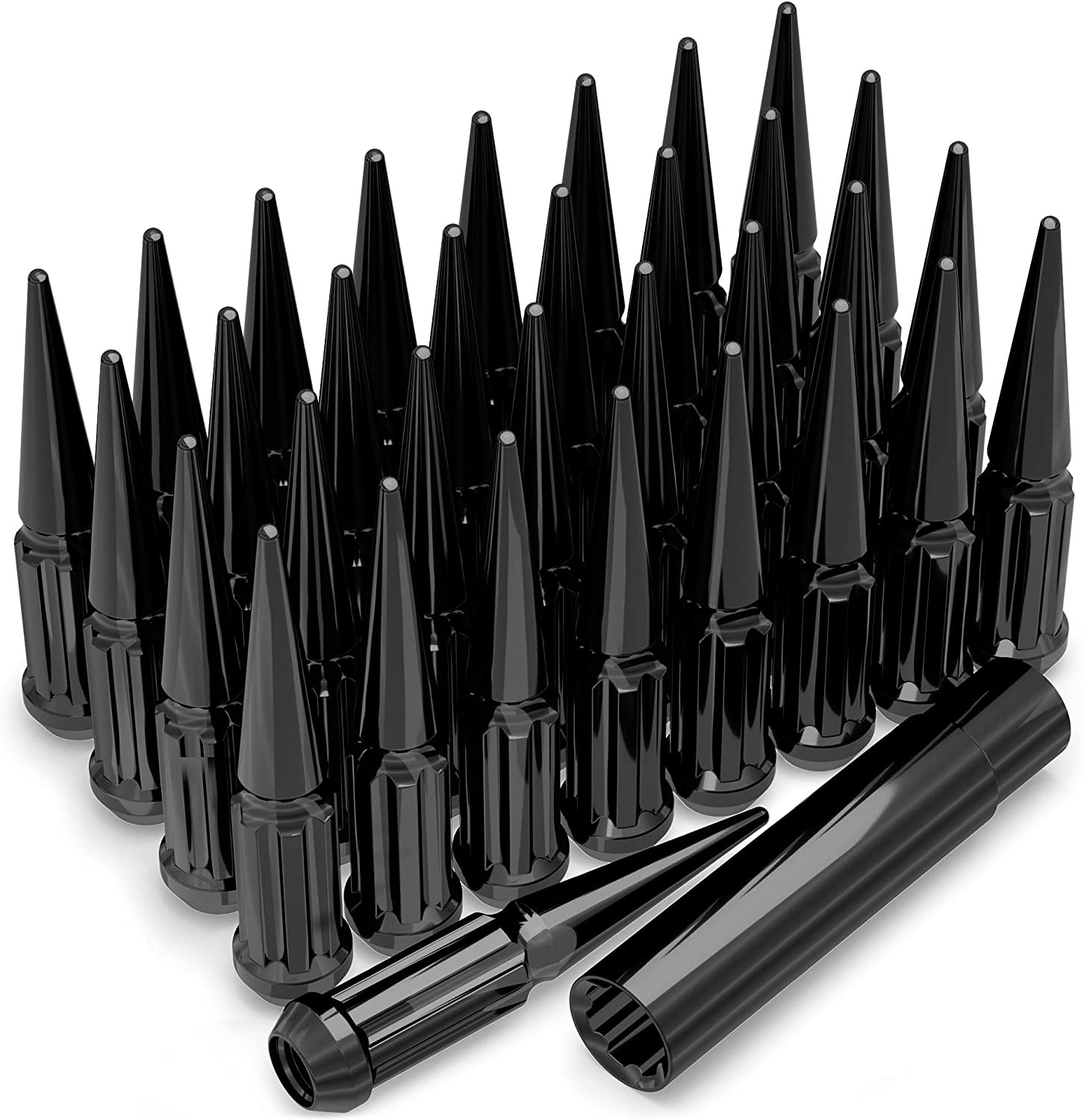
- Confirm lug-nut thread compatibility, seat type, shank dimensions if applicable, and required torque. M14 x 1.5 describes the thread size, not necessarily the correct lug-nut seat.
- After installation, check clearance at full steering lock and through suspension travel. Inspect for rubbing on both sides of the vehicle.
Plus Sizing And Common Upgrades
Plus sizing changes the wheel diameter while using a lower-profile tire to target a similar overall tire diameter. It can improve steering response and change appearance, but it may also reduce sidewall protection, increase impact harshness, and increase the risk of wheel or tire damage on rough roads.
The supplied fitment information does not identify approved alternative sizes for every 2018 Ford Mustang trim. Do not assume that a tire size used on one Mustang package is suitable for another. Compare the proposed wheel and tire dimensions in the calculator, then confirm the result with Ford information, the tire manufacturer, and the wheel manufacturer.
Common upgrades include aftermarket wheels with a different width or offset, higher-performance tires, and hub-centric rings where appropriate. These upgrades require separate checks for brake clearance, load rating, fender clearance, tire sidewall clearance, and lug-hardware compatibility. Never use spacers or adapters unless they are specifically designed and rated for the application and installed according to their manufacturer’s instructions.
Installation Tips
- Inspect wheels and tires for cracks, bends, bead damage, uneven wear, and shipping damage before installation.
- Clean the hub face and wheel mounting surface. Rust, paint buildup, or debris can prevent the wheel from seating correctly.
- Install the correct lug nuts by hand first. Do not force mismatched threads or use impact tools to start lug nuts.
- Tighten lug nuts in a star or crisscross pattern, then torque them to the vehicle or wheel manufacturer’s specified value. The correct torque value was not provided here.
- Inflate tires to the pressure specified for the vehicle, not the maximum pressure molded into the tire sidewall.
- Lower the vehicle securely before final torque, and ensure the wheel is fully seated against the hub.
- After a short drive, recheck lug-nut torque according to the wheel manufacturer’s instructions. Recheck clearance after driving over normal bumps and during full-lock steering.
- Have the assembly balanced and obtain an alignment if the vehicle pulls, the steering wheel is off-center, or uneven tire wear appears.
Tools And Helpful Supplies
Use equipment rated for the vehicle and follow safe lifting practices. A jack alone is not a suitable support while working under a vehicle.
FAQs
What is the bolt pattern for the 2018 Ford Mustang?
The known bolt pattern provided for this page is 5x114.3. Confirm the pattern and wheel application before purchase because bolt pattern alone does not confirm complete fitment.
What is the center bore?
The known center bore is 70.5 mm. A wheel with a larger center bore may need correctly sized hub-centric rings. A wheel with a smaller center bore generally cannot fit over the hub without proper machining by a qualified specialist.
What lug thread size is listed?
The provided thread size is M14 x 1.5. You must still verify the lug-nut seat type, seating depth, exposed thread engagement, and torque specification for the selected wheel.
Can I install an 18-inch wheel with the listed 235/55R17 tire?
No. A tire marked R17 is designed for a 17-inch wheel, not an 18-inch wheel. The supplied data contains both an 18-inch rim diameter and a 17-inch tire rim diameter, so confirm which configuration applies before ordering a tire or wheel.
Does a 5x114.3 wheel automatically fit?
No. You must also check center bore, offset, backspacing, brake clearance, wheel width, load rating, lug hardware, and tire clearance. Use the on-page calculator for dimensional comparisons and confirm the result with OEM and manufacturer sources.
What wheel offset and backspacing are listed?
The known values are ET40, or 40 mm, and 5.57 inches of backspacing. Actual clearance can still vary with wheel width, spoke shape, brake components, suspension parts, and tire size.
How do I choose a different tire size?
Enter the proposed section width, aspect ratio, and rim diameter in the calculator. Compare overall tire diameter and clearance, then verify the tire’s approved rim-width range, load index, speed rating, and vehicle requirements with the tire manufacturer and Ford documentation.
Should I use wheel spacers to correct fitment?
Do not use spacers as a default solution. They change effective offset and can affect hub engagement, stud or thread engagement, bearing loads, and clearance. Use only products specifically rated for the application and installed according to the manufacturer’s instructions.