2011 Ford Mustang Wheel Interchange And Fitment Guide
Use this page to compare wheel and tire dimensions for a 2011 Ford Mustang. The calculator lets you compare wheels from a donor vehicle with the wheels installed on your Mustang, then test custom rim and tire sizes. Always confirm the final fitment against the vehicle's door-jamb label, owner's manual, Ford service information, and the wheel manufacturer's specifications before purchasing parts.
Known OEM Fitment For 2011 Ford Mustang
The following specifications are the known fitment data supplied for this page. They may represent only part of the vehicle's original equipment fitment and should not be treated as a complete list of factory wheel packages.
| Specification |
Known value |
| Bolt pattern |
5x114.3, also called 5x4.5 |
| Center bore |
70.5 mm |
| Thread size |
M12 x 1.75 |
| Rim diameter |
19 inches |
| Rim width |
8.5 inches |
| Wheel offset |
ET50, or 50 mm |
| Backspacing |
6.22 inches |
| Tire section width |
215 mm |
| Tire aspect ratio |
65 percent |
| Tire rim diameter |
17 inches |
The supplied rim diameter and tire rim diameter do not match: the wheel data lists 19 inches, while the tire data lists 17 inches. This may reflect different fitment records, packages, or incomplete source data. Do not assume that the listed dimensions describe one complete wheel and tire assembly. Confirm the size molded on the tire sidewall and the size shown on the vehicle's tire information label.
How To Use The Wheel Interchange Calculator
- Choose the donor vehicle in the “Wheels from” section. Enter the source vehicle and wheel details as accurately as possible.
- Enter the 2011 Ford Mustang in the “Installed on” section. Use the known values above only where they match your specific vehicle and wheel package.
- Compare bolt pattern, center bore, wheel width, rim diameter, offset, and backspacing. A matching bolt pattern alone does not prove that a wheel is safe or physically compatible.
- Use “Custom wheel size” to test a different rim diameter, width, or offset. Check how the change affects inner clearance, outer position, and contact with suspension or body components.
- Use “Custom tire size” to enter section width and aspect ratio. When you change rim diameter, the calculator updates the tire diameter in the comparison, so review the complete wheel and tire result rather than looking at one number.
- Use the calculator as a screening tool, then confirm clearance on the actual vehicle. The calculator cannot identify every brake, suspension, fender, tire-brand, or manufacturing-tolerance issue.
Fitment Checklist Before You Buy
- Confirm the 5x114.3 bolt pattern and verify that the wheel uses the correct seat style for the intended lug nuts.
- Confirm the center bore. A wheel bore smaller than the vehicle hub will not install. A larger bore may require correctly specified hub-centric rings, where appropriate.
- Compare offset and backspacing, not just diameter and width. These dimensions affect strut, brake, control-arm, fender, and inner-wheel-well clearance.
- Check brake-caliper clearance with the wheel manufacturer's brake-clearance information or a physical test fit.
- Verify the wheel's load rating and the tire's load and speed ratings for the Mustang.
- Make sure the selected tire is approved for the wheel width and does not create excessive diameter variation from the vehicle's required size.
- Check that the tire does not contact the strut, spring, sway bar, steering components, fender, or inner liner during full steering lock and suspension travel.
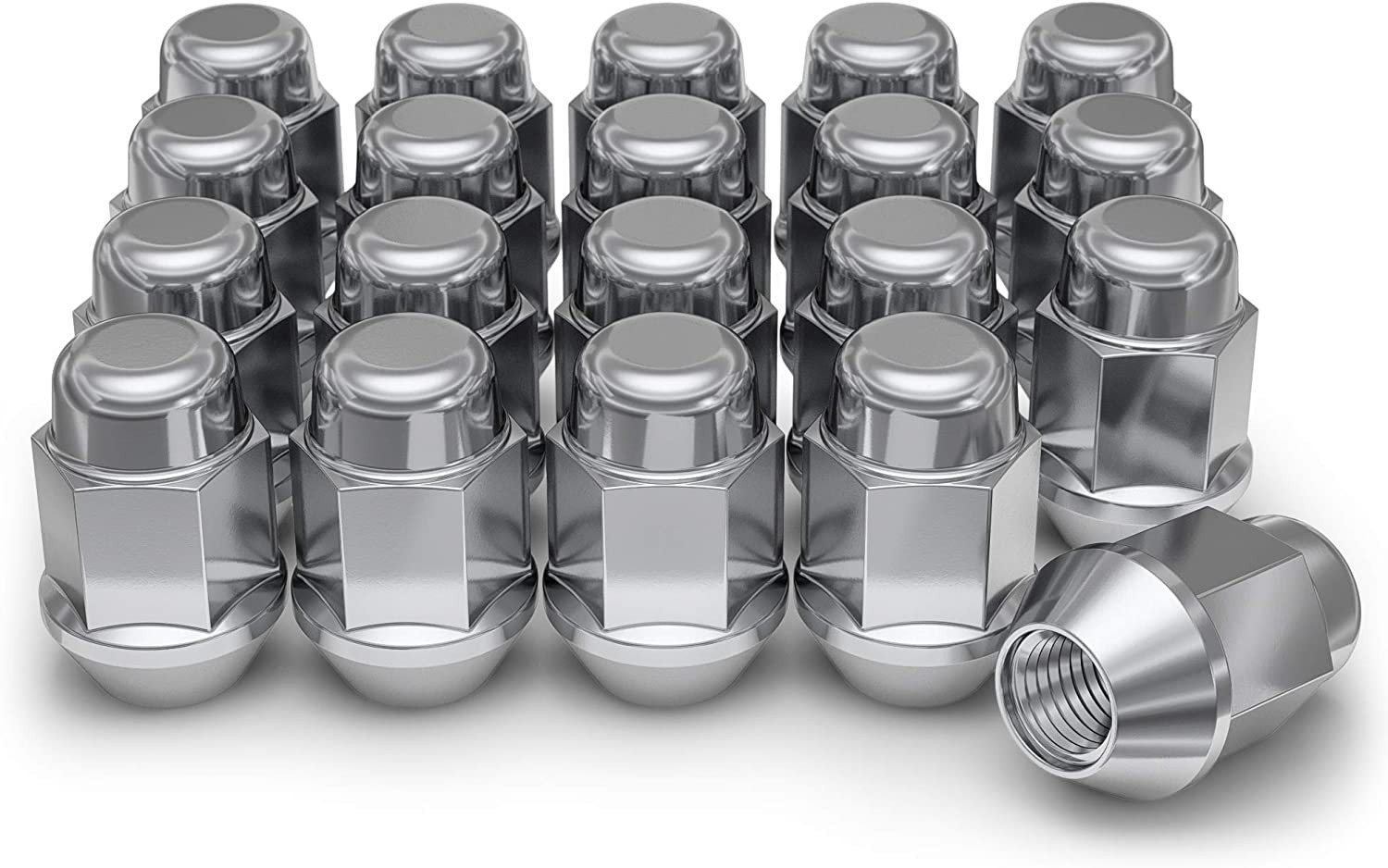
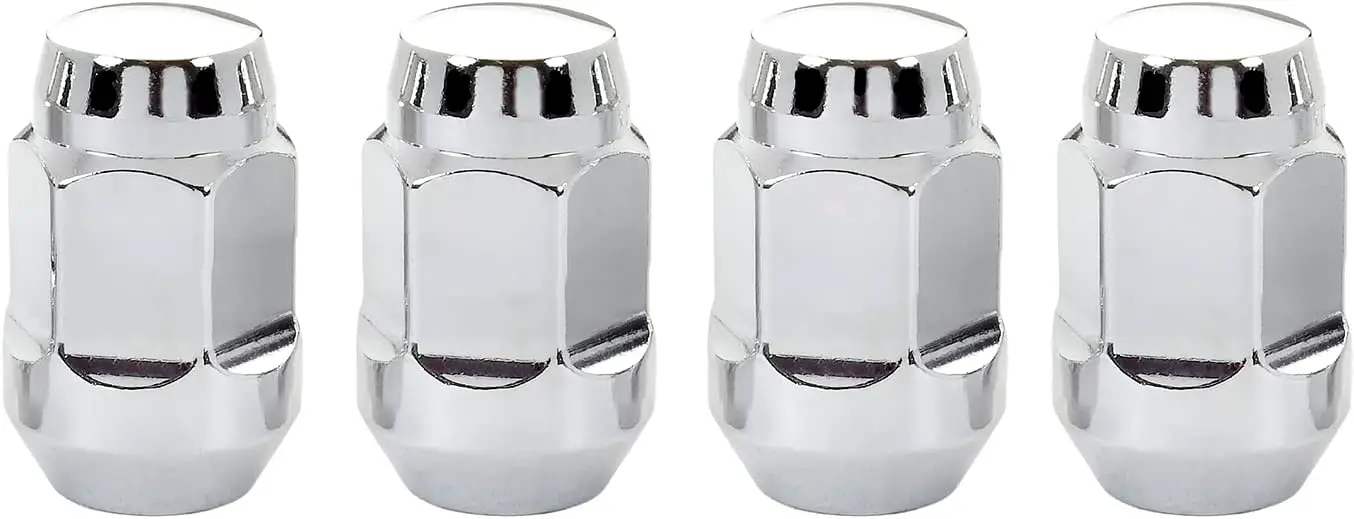
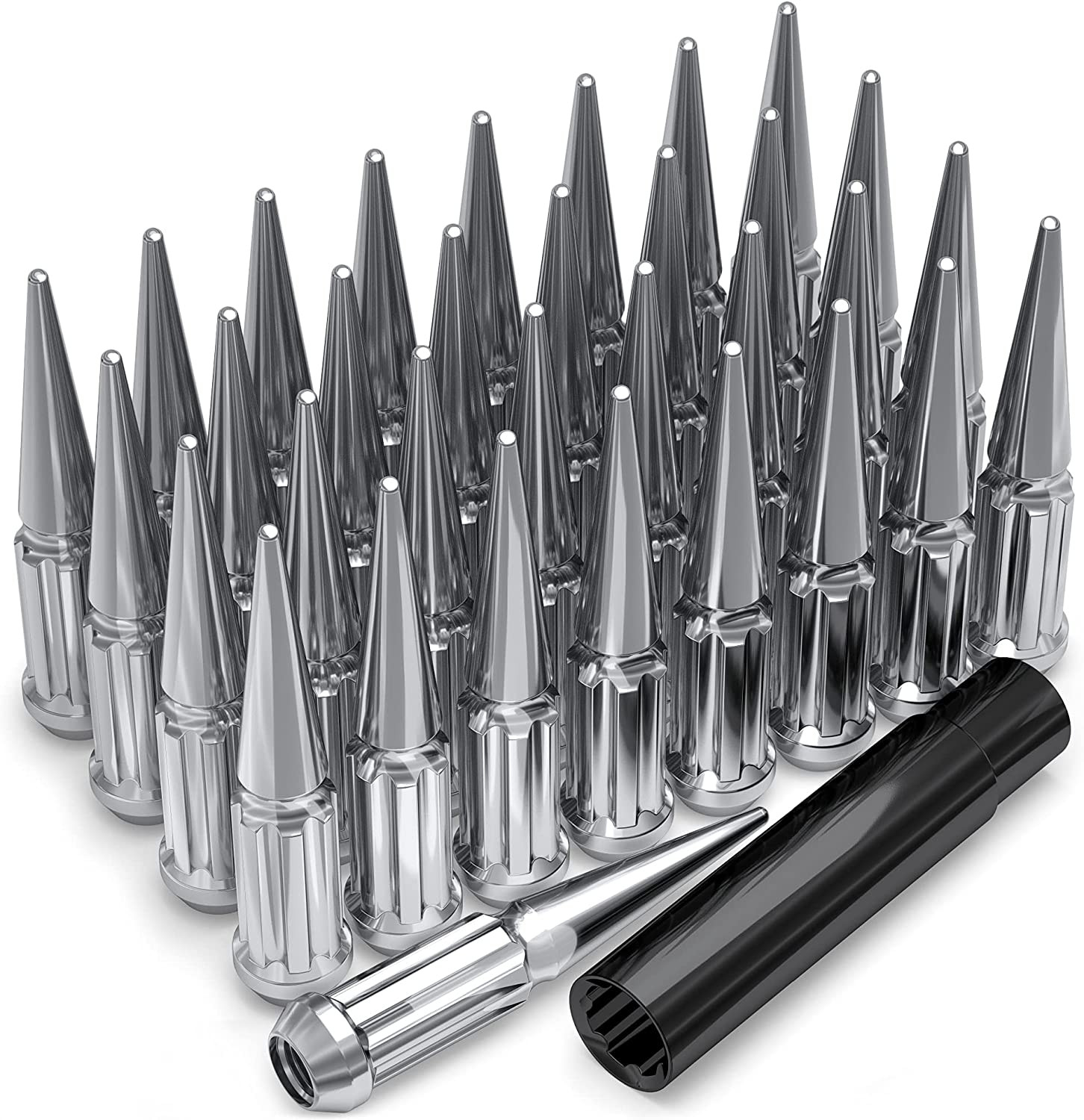
- Confirm that the wheel is intended for the correct lug nut type and thread size. The known thread size is M12 x 1.75, but lug-seat shape and nut dimensions still matter.
- Inspect used wheels for bends, cracks, weld repairs, corrosion around the bead seat, and damaged lug holes.
- After installation, verify tire pressure using the vehicle label, not the maximum pressure molded into the tire sidewall.
Plus Sizing And Common Upgrades
Plus sizing generally changes the wheel diameter while reducing tire sidewall height to help keep overall tire diameter near the vehicle's required range. It can change ride comfort, steering response, noise, wheel protection, acceleration, braking behavior, and speedometer accuracy. A larger wheel is not automatically a better or safer upgrade.
For this Mustang, do not select a replacement size solely from the known 19-inch rim, 8.5-inch width, and 50 mm offset values because the supplied tire record lists a 17-inch tire rim diameter and a 215/65 tire description. Confirm which wheel and tire package applies to the specific vehicle before using either record as an upgrade baseline.
Use the calculator to compare the proposed tire's section width, aspect ratio, and rim diameter with the current assembly. Then verify the result on the vehicle. If a custom wheel is wider or has a different offset, inspect both inner and outer clearance. Suspension modifications, lowering springs, spacers, different brakes, and alignment settings can change the result.
Installation Tips
- Clean the hub face, wheel mounting surface, and lug-seat areas before installation. Remove rust and debris without removing material from the hub or wheel.
- Install wheels with the vehicle safely supported. Never rely on a jack alone while working near or underneath the vehicle.
- Start every lug nut by hand to prevent cross-threading. Do not use an impact tool to force a damaged or resistant fastener.
- Torque lug nuts in the manufacturer's specified sequence and to the vehicle or wheel manufacturer's specified value. The correct torque value is not provided here, so confirm it from Ford service information and the wheel documentation.
- After lowering the vehicle, recheck torque with a calibrated torque wrench. Recheck after the interval specified by the wheel or vehicle manufacturer and after the first short drive if required by the instructions.
- Check for clearance at full left and right steering lock, and inspect clearance again after the suspension settles.
- Balance the wheel and tire assemblies and check for leaks at the bead and valve stem.
- Reset or verify the tire pressure monitoring system as required by the vehicle's service procedure.
Tools And Helpful Supplies
Useful supplies may include a calibrated torque wrench, correctly sized socket, jack stands or an approved lift, a tire pressure gauge, a tread-depth gauge, a hub-cleaning brush, and suitable hub-centric rings when they are specified for the wheel and vehicle combination.
Tool selection does not replace the manufacturer's service procedure. Verify the required torque, lifting points, lug-seat type, and safety precautions before beginning work.
FAQs
What is the bolt pattern listed for the 2011 Ford Mustang?
The known bolt pattern supplied for this page is 5x114.3, also expressed as 5x4.5. Confirm the pattern on the actual vehicle and wheel before purchase because a pattern match alone does not confirm complete fitment.
What center bore is listed for this Mustang fitment?
The known center bore is 70.5 mm. A smaller wheel bore cannot fit over the hub. A larger bore may require properly specified hub-centric rings, depending on the wheel and installation requirements.
Can any 5x114.3 wheel fit this vehicle?
No. The wheel must also have suitable center bore, width, offset, backspacing, brake clearance, load rating, lug-seat design, and tire compatibility. Use the calculator for comparison, then perform physical clearance checks and confirm the wheel manufacturer's specifications.
Why do the supplied rim and tire rim diameters differ?
The known wheel data lists a 19-inch rim diameter, while the known tire data lists a 17-inch tire rim diameter. These entries may come from different packages or records. Do not combine them into one assumed factory assembly. Check the tire sidewall and the vehicle's door-jamb label or owner's manual.
What thread size is listed for the wheel fasteners?
The supplied thread size is M12 x 1.75. The correct lug nut must also match the wheel's seat style, shank or mag design if applicable, thread engagement, and the vehicle's service requirements.
Can I use wheel spacers to make a different offset work?
A spacer changes the wheel's effective position and can reduce clearance to the fender or increase load on wheel mounting components. Spacer use also requires correct hub engagement, fastener compatibility, and compliance with local rules and manufacturer instructions. Do not use spacers to compensate for an otherwise unsuitable wheel without professional verification.
How do I confirm the correct tire pressure after changing wheels?
Use the cold tire pressure listed on the vehicle's tire information label or in the owner's manual. The pressure molded into the tire sidewall is a maximum tire limit, not necessarily the correct operating pressure for the Mustang.
Is the calculator a guarantee that a wheel will fit?
No. It compares entered dimensions and helps identify likely differences between donor and installed wheels. It cannot account for every brake shape, suspension modification, tire construction, body variation, or installation error. Confirm the result with OEM information, wheel documentation, and a careful physical inspection.