2013 Ford Mustang Wheel Fitment Guide
Known OEM Fitment For 2013 Ford Mustang
The following values are the known fitment data available for the 2013 Ford Mustang on this page. Ford wheel specifications can vary by trim, package, brake equipment, and factory wheel combination, so confirm the exact specification for your vehicle before ordering.
| Specification |
Known value |
| Bolt pattern, studs x PCD |
5x114.3 |
| Center bore |
70.5 mm |
| Thread size |
M12 x 1.75 |
| Rim diameter |
19 inches |
| Rim width |
8.5 inches |
| Wheel offset |
ET50, or 50 mm |
| Backspacing |
6.22 inches |
| Tire section width |
215 mm |
| Tire aspect ratio |
65 percent |
| Tire rim diameter |
17 inches |
The supplied data lists a 19-inch, 8.5-inch-wide wheel and a separate 215/65R17 tire-size record. Do not assume that the 215/65R17 tire belongs on the listed 19-inch wheel. Confirm the tire size on the driver's door-jamb label, in the owner's manual, or with a Ford parts department using the vehicle identification number.
Wheel diameter, width, offset, center bore, bolt pattern, brake clearance, and tire size all matter. A wheel that matches the 5x114.3 bolt pattern may still be unsafe or unusable if its center bore, offset, load rating, or brake clearance is incorrect.
How To Use The Wheel Interchange Calculator
Use the calculator to compare a donor wheel with the wheel installed on your 2013 Ford Mustang. Select the donor vehicle in the “Wheels from” field and select the Mustang as the vehicle in the “Installed on” field.
- Compare bolt pattern, center bore, wheel diameter, width, and offset before considering a purchase.
- Use “Custom wheel size” when the donor wheel or an aftermarket wheel has a different diameter, width, or offset.
- Use “Custom tire size” to compare section width and aspect ratio.
- When you change rim diameter, review the updated tire diameter shown by the calculator. A tire designed for a 17-inch rim cannot be mounted on a 19-inch rim.
- Use the results as a comparison aid, not as a substitute for checking brake clearance, load rating, tire clearance, and the vehicle manufacturer's requirements.
Measure or verify the actual wheel whenever possible. Cast markings on the back of the wheel, the wheel manufacturer's specifications, and the tire sidewall can help confirm the data entered into the calculator.
Fitment Checklist Before You Buy
- Confirm the Mustang's exact trim, factory wheel package, and brake configuration.
- Confirm the 5x114.3 bolt pattern and verify that the wheel has five correct mounting holes.
- Check that the wheel center bore is compatible with the vehicle's 70.5 mm hub. A larger bore may require properly specified hub-centric rings, while a smaller bore will not fit over the hub.
- Match the wheel's diameter, width, and offset to a verified vehicle specification. Do not rely on bolt pattern alone.
- Check spoke and barrel clearance against the front and rear brakes. This may require a physical test fit.
- Confirm the wheel and tire load ratings meet or exceed the requirements shown on the vehicle label and in the owner's manual.
- Verify tire diameter, section width, aspect ratio, speed rating, and seasonal suitability.
- Inspect for fender, strut, suspension, and inner-wheel-well clearance at full steering lock and through suspension travel.
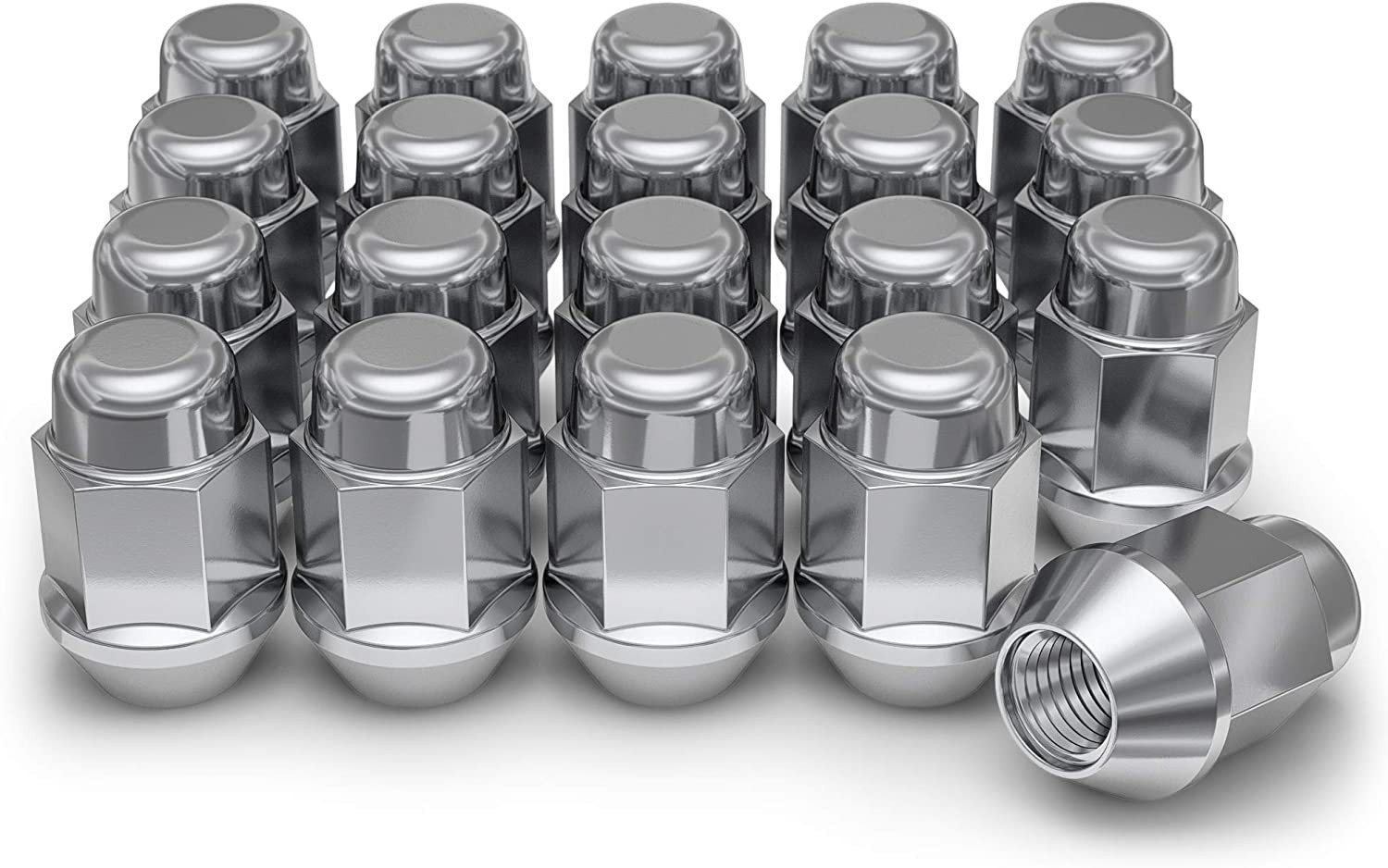
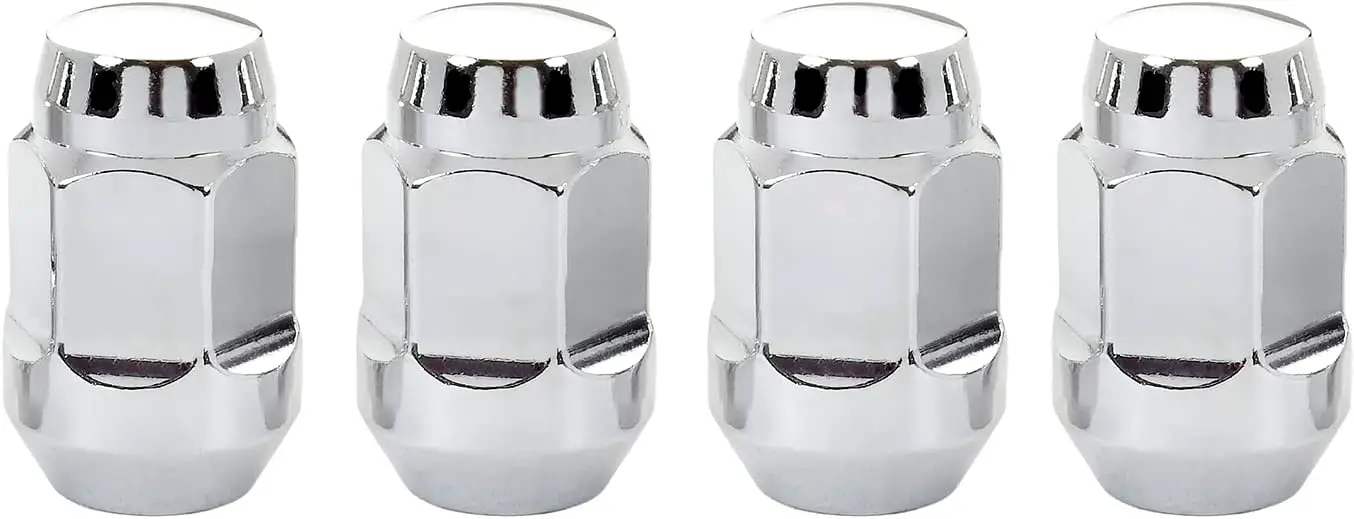
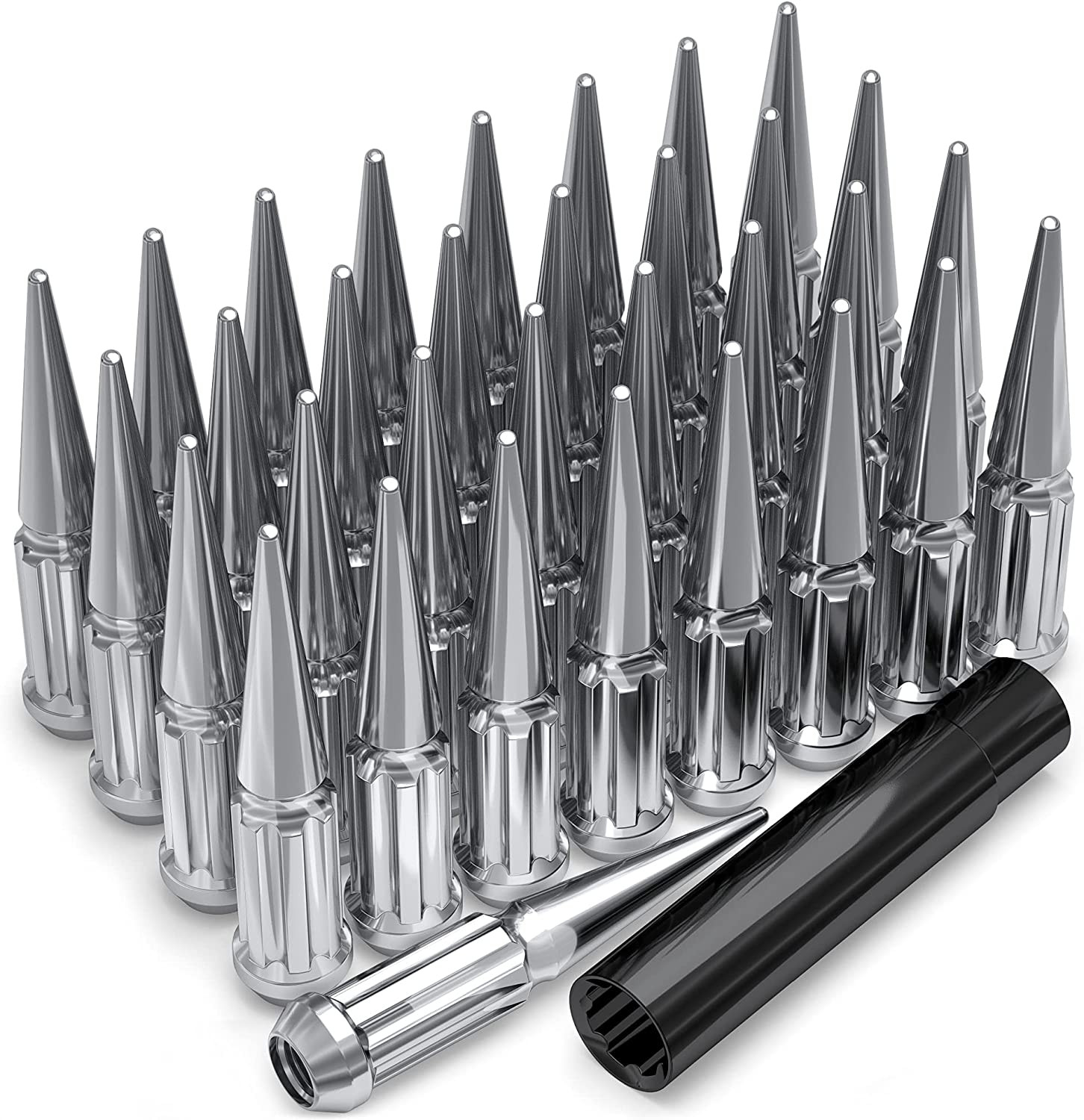
- Confirm that the wheel accepts the correct M12 x 1.75 wheel hardware and that the seating style matches the wheel.
- Check the vehicle's door-jamb label and Ford documentation for the correct cold tire pressure. Do not use the maximum pressure molded into the tire sidewall as the normal vehicle pressure.
Plus Sizing And Common Upgrades
Plus sizing changes the wheel diameter while reducing tire sidewall height to help preserve overall tire diameter. It can change ride comfort, steering response, wheel protection, gearing feel, speedometer accuracy, and clearance.
The known data includes both a 19-inch wheel record and a 17-inch tire rim diameter record. These should be treated as separate records until your exact factory combination is confirmed. The calculator can show how a custom wheel and tire combination compares, but it cannot confirm physical brake or body clearance.
When comparing an upgrade, keep the following relationships in mind:
- A larger wheel requires a tire with the same rim diameter as the new wheel.
- A wider tire or wheel may reduce clearance to suspension components and bodywork.
- A different offset moves the wheel inward or outward and can affect rubbing, steering feel, and bearing loads.
- A lower-profile tire generally provides less sidewall protection from potholes and may produce a firmer ride.
- Do not alter tire size without checking load capacity, speed rating, clearance, and any effects on vehicle systems.
Installation Tips
Have the wheel and tire assembly inspected before installation. Look for cracks, bends, damaged bead seats, corrosion, and missing hardware. Confirm the tire is approved for the wheel width by consulting the tire manufacturer.
Clean the hub mounting surface and the wheel's mating surface. Rust, dirt, or paint buildup can prevent the wheel from seating correctly and can contribute to fastener loosening. Install the wheel hardware by hand first, then tighten it in a star or crisscross pattern.
Use the vehicle manufacturer's specified wheel-fastener torque and tightening procedure. The available data confirms M12 x 1.75 thread size, but it does not provide a verified torque value, so obtain the torque specification from the owner's manual, Ford service information, or a Ford dealer. Recheck torque after the first short drive if the manufacturer or installer recommends it.
After installation, check clearance with the steering turned fully left and right. If the vehicle is lifted, also check clearance after it is lowered and loaded normally. Stop driving if you notice rubbing, vibration, steering changes, loose hardware, or tire damage.
Tools And Helpful Supplies
Useful supplies include a calibrated torque wrench, socket set, jack and approved jack stands, wheel chocks, a tire-pressure gauge, and a tread-depth or clearance measuring tool. Use lifting points and support procedures specified for the Mustang. Never work beneath a vehicle supported only by a jack.
Wheel spacers, hub-centric rings, replacement lug nuts, and adapters should not be selected by appearance alone. Confirm their material, load rating, hub fit, fastener compatibility, and installation instructions with the manufacturer and a qualified technician.
FAQs
What is the bolt pattern for the 2013 Ford Mustang?
The known bolt pattern is 5x114.3. Confirm the exact vehicle and wheel application before purchase because bolt pattern alone does not establish complete fitment.
What is the center bore listed for the 2013 Ford Mustang?
The known center bore is 70.5 mm. A wheel with a smaller center bore will not fit over the hub. A larger bore may need correctly sized hub-centric rings if approved for the application.
What wheel offset is listed for this Mustang?
The provided fitment data lists ET50, or 50 mm. Offset can vary by wheel and trim, so verify the exact factory or aftermarket specification and check physical clearance.
Can I use a 215/65R17 tire on a 19-inch wheel?
No. A tire marked with an R17 designation fits a 17-inch rim, not a 19-inch rim. The supplied records list a 19-inch wheel and a 17-inch tire rim diameter, so confirm which factory combination applies to your vehicle before ordering tires.
Does a matching 5x114.3 wheel automatically fit?
No. You must also verify center bore, wheel width, offset, brake clearance, load rating, hardware seating style, and tire clearance. The wheel should be test-fitted or professionally checked when any specification is uncertain.
How can I confirm the correct OEM tire size?
Read the tire-size and pressure information on the driver's door-jamb label, check the owner's manual, inspect the current tire sidewall, and confirm the vehicle identification number with a Ford dealer or parts source. Use the calculator to compare sizes after the OEM information is confirmed.
What thread size is listed for the wheel hardware?
The known thread size is M12 x 1.75. Thread size does not identify the correct lug-nut seat or torque specification, so verify hardware compatibility with the wheel manufacturer and Ford service information.
Why should I check offset and backspacing together?
Both describe how the wheel sits relative to the hub and suspension. The provided data lists 50 mm offset and 6.22 inches of backspacing. Confirm measurements from the actual wheel because changes in width or offset can create inner suspension or outer fender clearance problems.