2012 Ford Mustang Wheel Fitment Guide
Known OEM Fitment For 2012 Ford Mustang
The following specifications are the known fitment values provided for the 2012 Ford Mustang. Confirm your exact trim, brake package, wheel package, and OEM service information before ordering replacement or aftermarket wheels.
| Specification |
Known value |
| Bolt pattern |
5x114.3 |
| Center bore |
70.5 mm |
| Thread size |
M12 x 1.75 |
| Rim diameter |
19 inches |
| Rim width |
8.5 inches |
| Wheel offset |
ET50, or 50 mm |
| Backspacing |
6.22 inches |
| Provided tire section width |
215 mm |
| Provided tire aspect ratio |
65% |
| Provided tire rim diameter |
R17 |
The supplied wheel diameter is 19 inches, while the supplied tire entry is listed as R17. These values do not describe one complete tire and wheel size, so do not assume that 215/65R17 is the correct tire for a 19-inch wheel. Use the calculator to compare complete wheel and tire combinations, then verify the final tire size on the vehicle, the tire placard, the owner handbook, or an authorized Ford source.
How To Use The Wheel Interchange Calculator
Use the calculator to compare a donor wheel with the wheel you plan to install on your 2012 Ford Mustang. Select the donor vehicle in “Wheels from” and select the Mustang as “Installed on your vehicle.” Review the bolt pattern, center bore, wheel width, diameter, offset, and tire dimensions shown in the comparison.
- Enter or select the donor wheel details exactly as measured or documented.
- Confirm that the bolt pattern is compatible. The known Mustang pattern is 5x114.3.
- Check center-bore compatibility. A wheel bore smaller than 70.5 mm will not fit over the hub. A larger bore may require correctly sized hub-centric rings.
- Use “Custom wheel size” to test rim diameter, width, and offset changes.
- Use “Custom tire size” to compare section width and aspect ratio.
- When you change rim diameter, review the updated tire diameter in the comparison. A change in wheel diameter normally requires a different tire sidewall to maintain a suitable overall diameter.
- Treat calculator results as an initial comparison, not proof of clearance. Confirm brake, suspension, fender, and steering clearance on the actual vehicle.
Fitment Checklist Before You Buy
Wheel fitment depends on more than bolt pattern. Complete these checks before purchasing wheels or tires:
- Verify the exact vehicle trim and factory wheel package using the VIN, tire placard, owner handbook, or Ford service information.
- Match the 5x114.3 bolt pattern and confirm that the wheel uses the correct fastener seat for the intended lug nuts.
- Confirm the center bore. Do not force a wheel onto the hub, and do not rely on oversized or incorrectly sized hub rings.
- Compare wheel width and offset with the known 8.5-inch and ET50 values. A different offset changes inner suspension clearance and outer fender position.
- Check brake caliper and rotor clearance with a physical test fit or a manufacturer brake-clearance template.
- Check clearance at full steering lock, full suspension compression, and normal ride height.
- Verify tire load capacity, speed rating, overall diameter, and approved rim-width range from the tire manufacturer.
- Make sure the tire does not contact the strut, spring, control arm, inner liner, fender, or other bodywork.
- Confirm that the replacement wheel does not interfere with tire-pressure monitoring hardware or valve stems.
- Do not rely on a compatible bolt pattern alone. Two wheels with the same pattern can still have unsafe width, offset, bore, or brake clearance.
Plus Sizing And Common Upgrades
Plus sizing means using a larger wheel diameter with a lower-profile tire so that the overall tire diameter remains close to the approved original size. The provided data includes a 19-inch wheel specification and a separate R17 tire entry, so the correct factory tire package should be confirmed before selecting a plus-size combination.
When changing wheel diameter, use the calculator to compare tire section width, aspect ratio, and overall diameter. A substantially different overall diameter can affect speedometer accuracy, ground clearance, gearing, electronic systems, and tire-to-body clearance. A wider tire can also increase the risk of rubbing even when the bolt pattern and offset appear suitable.
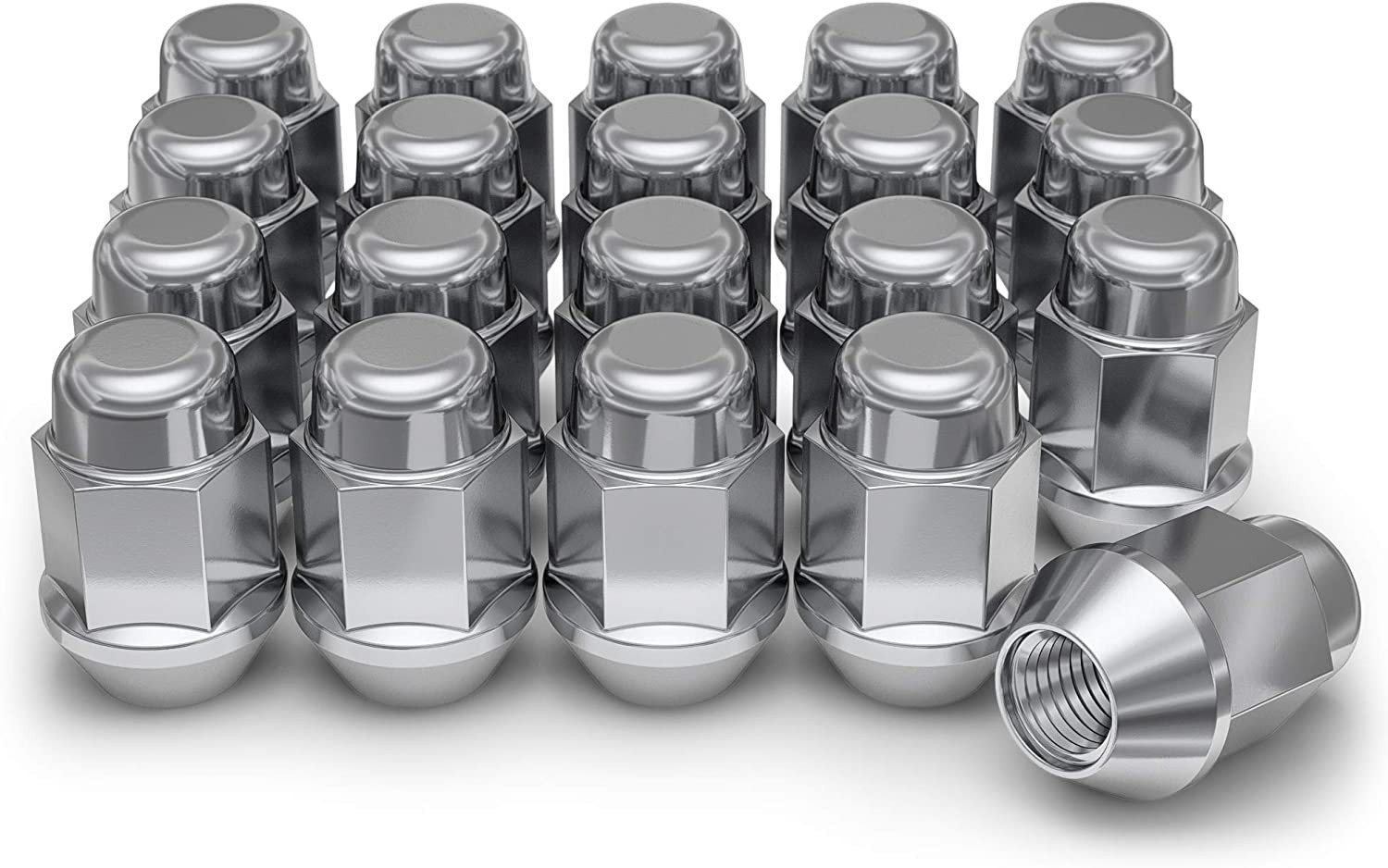
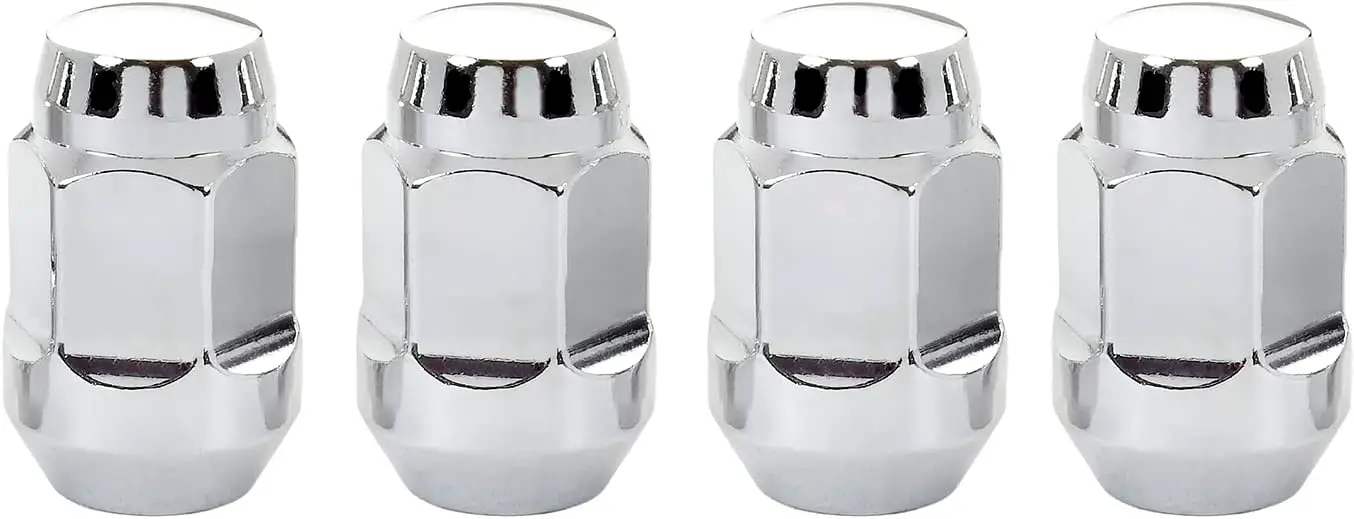
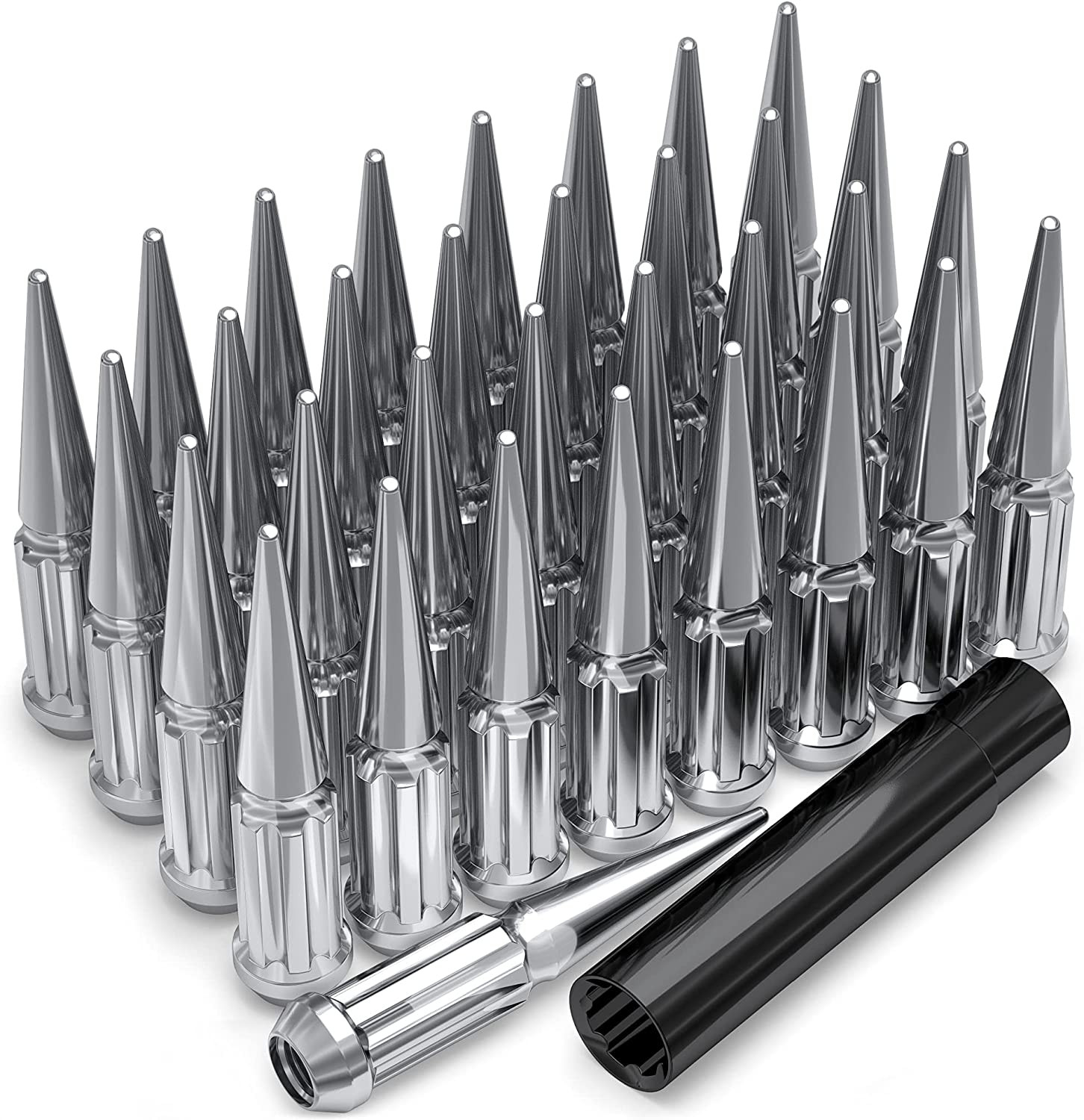
Common upgrades may include aftermarket wheels, performance tires, replacement lug nuts, and hub-centric rings when appropriate. These are not automatically compatible. The wheel manufacturer must confirm the wheel's load rating, brake clearance, fastener requirements, and vehicle application.
Installation Tips
- Inspect the hub, wheel mounting face, studs, lug nuts, and wheel seats before installation. Remove rust and debris without removing material from the hub.
- Install wheels only with the correct lug nuts and matching seat type. Do not substitute hardware based only on thread diameter.
- Hand-start every lug nut to prevent cross-threading.
- Lower the vehicle until the tire is lightly touching the ground, then tighten the lug nuts in a star or crisscross pattern.
- Use a calibrated torque wrench and the torque specification listed in the Ford owner or service documentation for the exact vehicle.
- Never use an impact wrench as the final torque method unless the tool and procedure are specifically controlled for the required torque.
- After installation, check clearance at both steering locks and perform a slow test drive in a safe area.
- Recheck lug-nut torque after the first short drive and follow the wheel manufacturer's retorque guidance.
- Set tire pressure using the vehicle tire placard, not the maximum pressure molded into the tire sidewall.
Tools And Helpful Supplies
Useful equipment includes a torque wrench, suitable socket, jack and properly rated jack stands, wheel chocks, a tire-pressure gauge, and cleaning supplies for the hub and wheel mounting surfaces. Use jack stands on a suitable support point and never work beneath a vehicle supported only by a jack.
Shop automotive torque wrenches on Amazon
Shop digital tire-pressure gauges on Amazon
FAQs
What is the bolt pattern for the 2012 Ford Mustang?
The known bolt pattern provided for this application is 5x114.3. Confirm the exact vehicle and wheel package before ordering.
What is the center bore?
The known center bore is 70.5 mm. A wheel with a smaller bore will not fit over the hub. A larger bore may need correctly sized hub-centric rings, provided the wheel manufacturer permits their use.
What wheel offset is listed?
The provided wheel offset is ET50, or 50 mm, with a listed wheel width of 8.5 inches. Changing offset moves the wheel inward or outward and requires clearance checks.
Can I install any 5x114.3 wheel?
No. Bolt pattern is only one part of fitment. You must also verify center bore, wheel width, offset, brake clearance, lug-nut seat, load rating, and tire clearance.
Why does the provided tire information show R17 when the wheel information shows 19 inches?
The supplied data lists a 19-inch wheel and a separate R17 tire entry. That combination is not a complete mounted tire size, so it must be verified against the vehicle tire placard, OEM documentation, or the calculator before purchase.
How do I compare a different wheel size?
Enter the donor wheel under “Wheels from,” select the Mustang under “Installed on your vehicle,” and use “Custom wheel size” to change diameter, width, and offset. Use “Custom tire size” for section width and aspect ratio. Review the updated tire diameter and then physically confirm clearance.
Do I need hub-centric rings?
Only a wheel with a larger center bore may use a properly sized hub-centric ring, if approved by the wheel manufacturer. A ring cannot correct a bolt-pattern mismatch or make a wheel with a smaller bore fit.
What tire pressure should I use after installing different wheels?
Start with the pressure shown on the vehicle tire placard or in the owner handbook. Confirm that the replacement tire's load capacity and pressure requirements are appropriate for the vehicle.