2018 Ford Transit Connect Wheel Fitment and Interchange Guide
Use this guide to compare wheel and tire dimensions for a 2018 Ford Transit Connect. The specifications below are the known data provided for this page. Fitment can vary by trim, package, market, axle configuration, and replacement parts, so confirm the vehicle label, owner’s manual, wheel markings, and the on-page calculator before purchasing.
Known OEM Fitment For 2018 Ford Transit Connect
| Specification |
Known value |
Important note |
| Bolt pattern |
5x10⁸ |
Five studs on a 108 mm pitch circle diameter. |
| Center bore |
63.4 mm |
Confirm the replacement wheel hub bore and whether hub-centric hardware is required. |
| Thread size |
M12 x 1.5 |
Confirm the correct nut seat and thread engagement for the specific wheel. |
| Rim diameter |
17 in |
This value was supplied as known OEM data. |
| Rim width |
7.0 in |
Confirm the wheel stamp or OEM documentation before ordering. |
| Wheel offset |
ET50 |
Offset affects inner clearance, outer position, steering geometry, and bearing loads. |
| Backspacing |
5.47 in |
Backspacing and offset are related but should be checked against the actual wheel width. |
| Tire section width |
215 mm |
Confirm the complete tire size and load rating on the vehicle placard. |
| Tire aspect ratio |
55% |
The supplied tire values identify a 215/55R16 size when combined with a 16-inch rim. |
| Tire rim diameter |
R16 |
This conflicts with the supplied 17-inch rim diameter. Verify whether the information represents different configurations or a data mismatch. |
The supplied wheel diameter is 17 inches, while the supplied tire rim diameter is R16. Do not assume a 215/55R16 tire belongs on a 17-inch wheel, or that a 17-inch wheel uses that tire size. Check the driver-door tire label, the current sidewall, the wheel stamp, and the owner’s manual. The calculator can help compare dimensions, but it does not replace the vehicle manufacturer’s required tire size, load rating, speed rating, or clearance checks.
How To Use The Wheel Interchange Calculator
Start with the comparison fields labeled “Wheels from (donor vehicle)” and “Installed on (your vehicle).” Enter the known specifications for the donor wheel and the 2018 Ford Transit Connect, including bolt pattern, center bore, diameter, width, and offset when available.
Use “Custom wheel size” when the wheel is aftermarket or when you want to test a different diameter, width, or offset. Use “Custom tire size” to enter section width and aspect ratio. When you change rim diameter, the calculator updates the tire diameter in the comparison, so review the resulting overall diameter and clearance rather than comparing wheel diameter alone.
Because the supplied data includes both a 17-inch rim value and an R16 tire value, run separate comparisons for the verified 16-inch and 17-inch configurations instead of combining them. Treat any missing specification as unknown and confirm it through Ford documentation, the wheel manufacturer, or direct measurement.
Fitment Checklist Before You Buy
Confirm the 5x10⁸ bolt pattern, 63.4 mm center bore reference, M12 x 1.5 thread specification, wheel diameter, width, and offset. A matching bolt pattern alone does not prove that a wheel will clear the brakes, suspension, fenders, or hub.
Check the wheel’s load capacity against the vehicle’s requirements. Verify tire load index, speed rating, approved rim width, and the complete tire size. Compare calculated overall diameter with the vehicle placard and avoid changes that may affect speedometer accuracy, electronic systems, gearing, or underbody clearance.
Inspect inner clearance at the strut, spring, control arms, brake caliper, and steering components. Check outer clearance at the fender and wheel arch through the full steering and suspension travel. If spacers, adapters, or modified suspension parts are involved, obtain professional confirmation before driving.
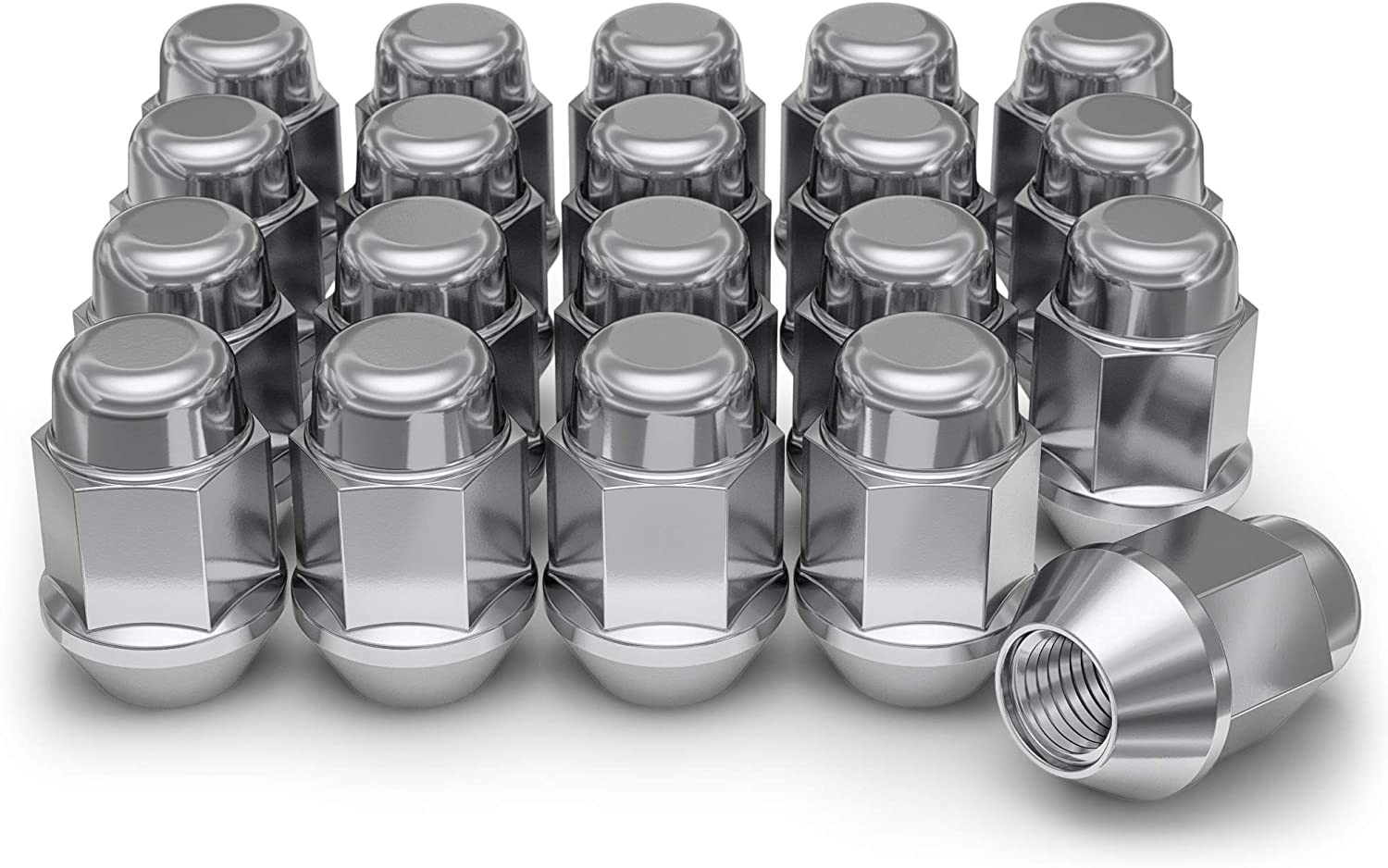
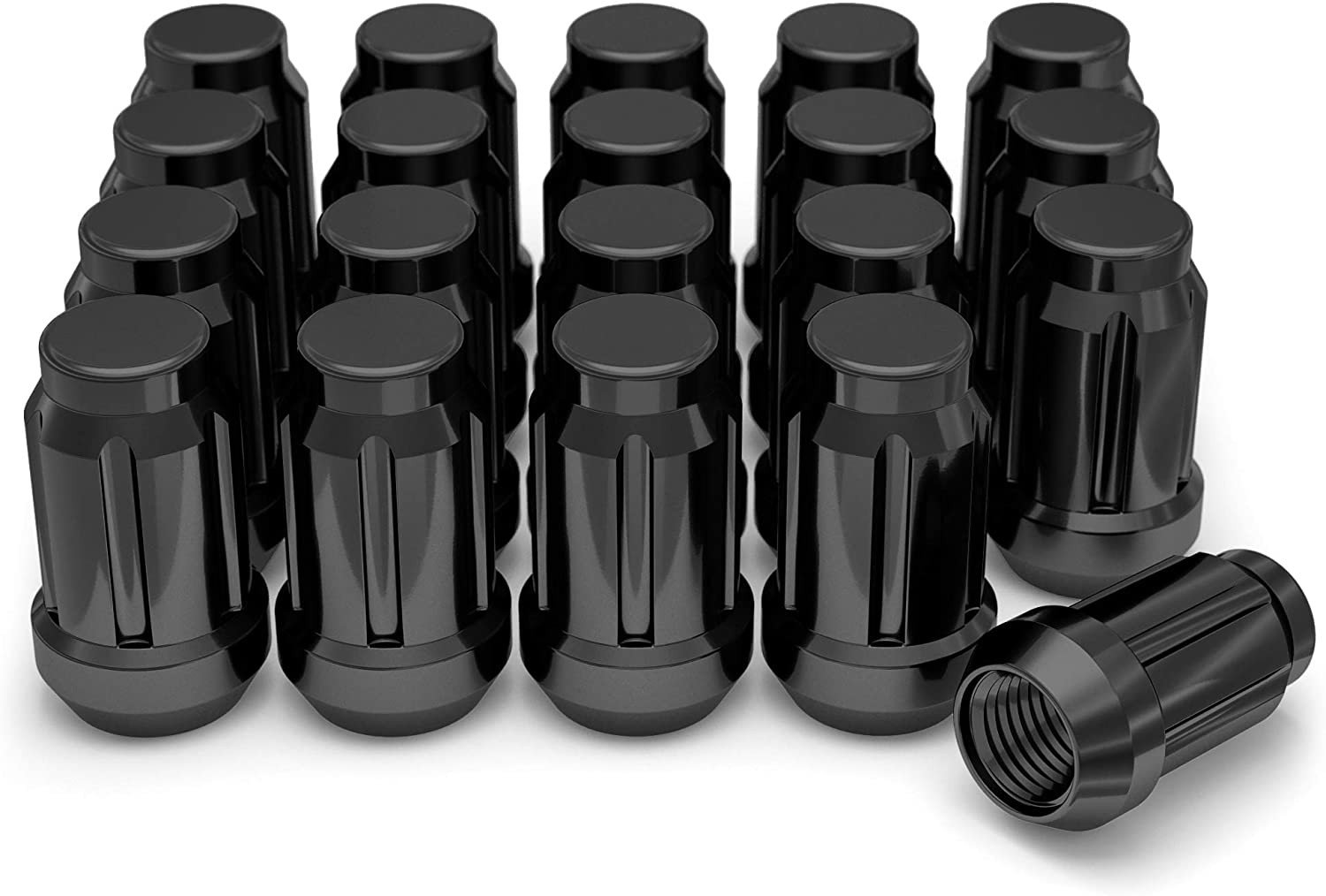
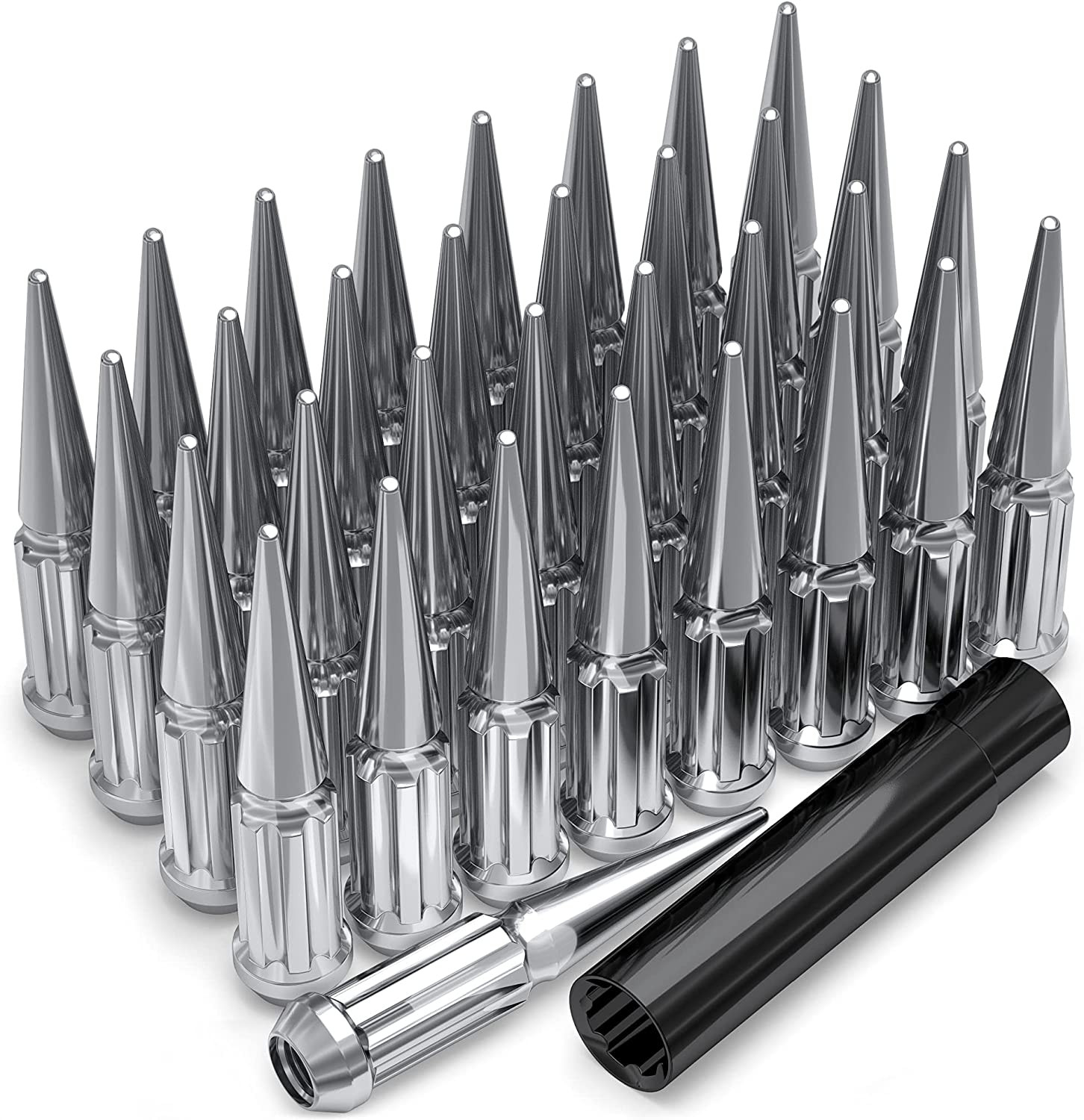
Confirm the wheel uses the correct lug-nut seat and that the nuts provide adequate thread engagement. Verify TPMS sensor compatibility and whether the vehicle requires sensor relearning after installation.
Plus Sizing And Common Upgrades
Plus sizing generally means fitting a larger wheel with a lower-profile tire while maintaining a similar overall tire diameter. It may change steering response, ride comfort, road noise, wheel damage risk, wet-weather behavior, and clearance. The correct result depends on the exact tire size, wheel width, offset, load rating, and brake clearance.
Do not select a plus-size combination from diameter alone. Use the calculator to compare the original and proposed tire diameters, then confirm the tire maker’s approved rim-width range and the vehicle manufacturer’s requirements. The conflicting 16-inch tire and 17-inch wheel values provided for this page must be resolved before choosing an upgrade.
Wider wheels or tires can move closer to suspension components or farther outward toward the fender. A lower offset generally moves a wheel outward, but the exact effect depends on wheel width. Do not use spacers to correct an unknown fitment without checking hub engagement, fastener length, torque requirements, and local regulations.
Installation Tips
Install wheels on clean, dry hub and mounting surfaces. Remove rust and debris without damaging the hub or wheel. Never use grease, paint, or anti-seize on threaded fasteners unless the vehicle or fastener manufacturer specifically permits it, because lubrication can alter clamping force.
Hand-start every lug nut to avoid cross-threading. Tighten in a star or crisscross pattern, then torque with a calibrated torque wrench to the vehicle manufacturer’s specified value. The exact torque value was not provided here, so confirm it in the owner’s manual, service information, or an authorized Ford source.
After installation, check for contact by slowly turning the steering wheel lock to lock and inspecting accessible clearance. Recheck tire pressure using the vehicle placard, confirm TPMS operation, and inspect for vibration or rubbing during a cautious test drive. Recheck fastener torque after the first normal driving period according to the wheel or vehicle manufacturer’s instructions.
Tools And Helpful Supplies
A calibrated torque wrench, correctly sized socket, jack and approved jack stands, wheel chocks, a tire-pressure gauge, and a tread-depth gauge are useful for safe wheel work. Use jack stands on a firm, level surface and follow the vehicle’s approved lifting points. A torque wrench is available through Amazon search results.
A wheel fitment measurement tool or digital caliper can help verify center-bore and clearance measurements, but measurements should not override OEM specifications. A tire-pressure gauge is available through Amazon search results.
FAQs
What is the bolt pattern for the 2018 Ford Transit Connect?
The known bolt pattern supplied for this page is 5x10⁸. Confirm it against the vehicle and wheel documentation before purchasing.
What is the center bore?
The known center-bore value is 63.4 mm. The replacement wheel’s bore and hub fit should be checked directly. A larger wheel bore may require an appropriate hub-centric solution, while a smaller bore generally will not fit over the hub.
What lug thread size is listed?
The supplied thread size is M12 x 1.5. Confirm the lug-nut seat style, thread engagement, and the vehicle-specific torque specification before installation.
Can I use a 215/55R16 tire on a 17-inch wheel?
No. A tire marked R16 is designed for a 16-inch rim, not a 17-inch rim. The supplied data lists a 17-inch wheel and an R16 tire, so verify which configuration applies to the vehicle before ordering.
Does a 5x10⁸ bolt pattern guarantee that a wheel fits?
No. Bolt pattern is only one requirement. Center bore, wheel width, offset, brake clearance, suspension clearance, fender clearance, lug-nut seat, load capacity, and tire specifications must also be correct.
How can I compare aftermarket wheels?
Enter the donor wheel and the Transit Connect details in the calculator, or use the custom wheel and tire fields for an aftermarket combination. Compare diameter, width, offset, center bore, tire diameter, and clearance. Confirm all results with the wheel manufacturer and OEM documentation.
Will changing wheel diameter affect the tire comparison?
Yes. In this calculator, changing rim diameter updates the tire diameter in the comparison. Recheck overall diameter, load rating, speed rating, approved rim width, and clearance after every change.
Where can I find the final tire specification?
Check the driver-door or door-jamb tire information label, the current tire sidewall, the owner’s manual, and Ford service information. If these sources disagree, have a qualified tire or Ford technician verify the correct configuration before driving.