2014 Ford Transit Connect Wheel Fitment
Known OEM Fitment For 2014 Ford Transit Connect
The following specifications are the known fitment data provided for the 2014 Ford Transit Connect. Equipment can vary by trim, package, market, and wheel configuration, so confirm the information against the vehicle, the owner’s manual, the door-jamb tire label, and an OEM parts source before purchasing wheels or tires.
| Specification |
Known value |
| Bolt pattern |
5x10⁸ |
| Center bore |
63.4 mm |
| Thread size |
M12 x 1.5 |
| Rim diameter |
17 inches |
| Rim width |
7.0 inches |
| Wheel offset |
ET50 |
| Backspacing |
5.47 inches |
| Tire section width |
215 mm |
| Tire aspect ratio |
55% |
| Tire rim diameter field |
R16 |
There is a diameter mismatch in the supplied data: the wheel entry says 17 inches, while the tire rim diameter field says R16. Do not assume these values describe one complete wheel and tire assembly. A tire marked R16 is designed for a 16-inch wheel, not a 17-inch wheel. Verify the actual tire sidewall marking and the vehicle’s required wheel and tire size before ordering.
How To Use The Wheel Interchange Calculator
Use the on-page calculator to compare wheels from a donor vehicle with wheels installed on your 2014 Ford Transit Connect. Enter the donor vehicle’s wheel diameter, width, offset, bolt pattern, and center bore when those fields are available. Then enter the Transit Connect values shown above as the installed-on-vehicle reference, confirming any trim-dependent information with OEM documentation.
The calculator also allows custom wheel and tire sizes. Use the custom wheel fields to test rim diameter, width, and offset, and use the custom tire fields for section width and aspect ratio. When you change rim diameter, the calculator updates the tire diameter in the comparison. Review the resulting diameter, clearance, and dimensional differences rather than relying on bolt pattern alone.
A calculator result is a screening tool, not a substitute for a physical test fit. It may not account for brake clearance, spoke shape, lug-seat design, suspension movement, tire brand differences, or body clearance.
Fitment Checklist Before You Buy
- Confirm the 5x10⁸ bolt pattern and verify that the donor wheel has five correctly positioned mounting holes.
- Compare the wheel’s center bore with the vehicle hub. A larger bore may require correctly sized hub-centric rings, while a smaller bore will not fit over the hub.
- Confirm the wheel offset and width. A wheel with the same bolt pattern can still contact the strut, brake assembly, suspension, or fender.
- Check brake and spoke clearance with the exact wheel design. Diameter alone does not guarantee caliper clearance.
- Verify the wheel’s load rating for the Transit Connect and its intended cargo or passenger use.
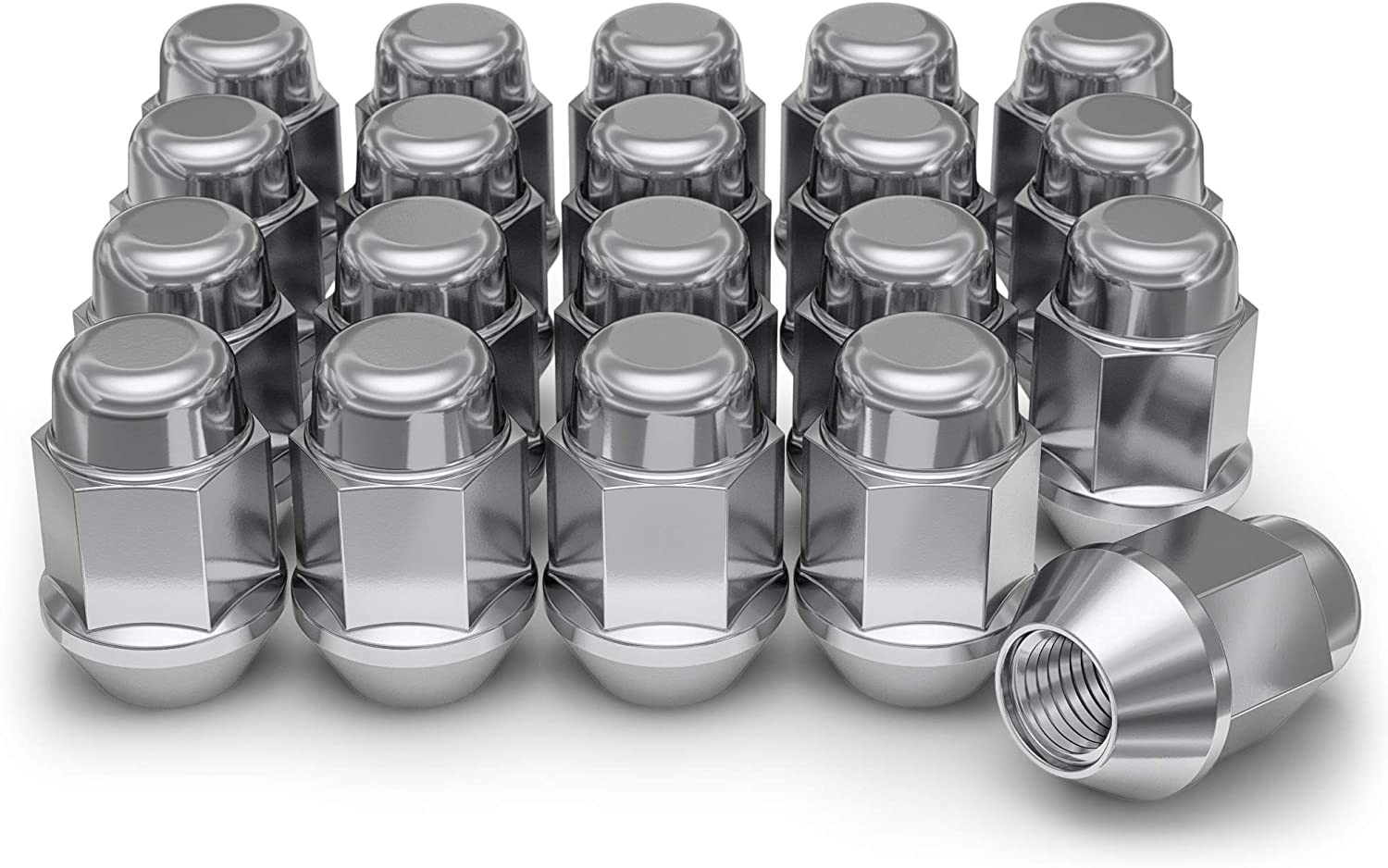
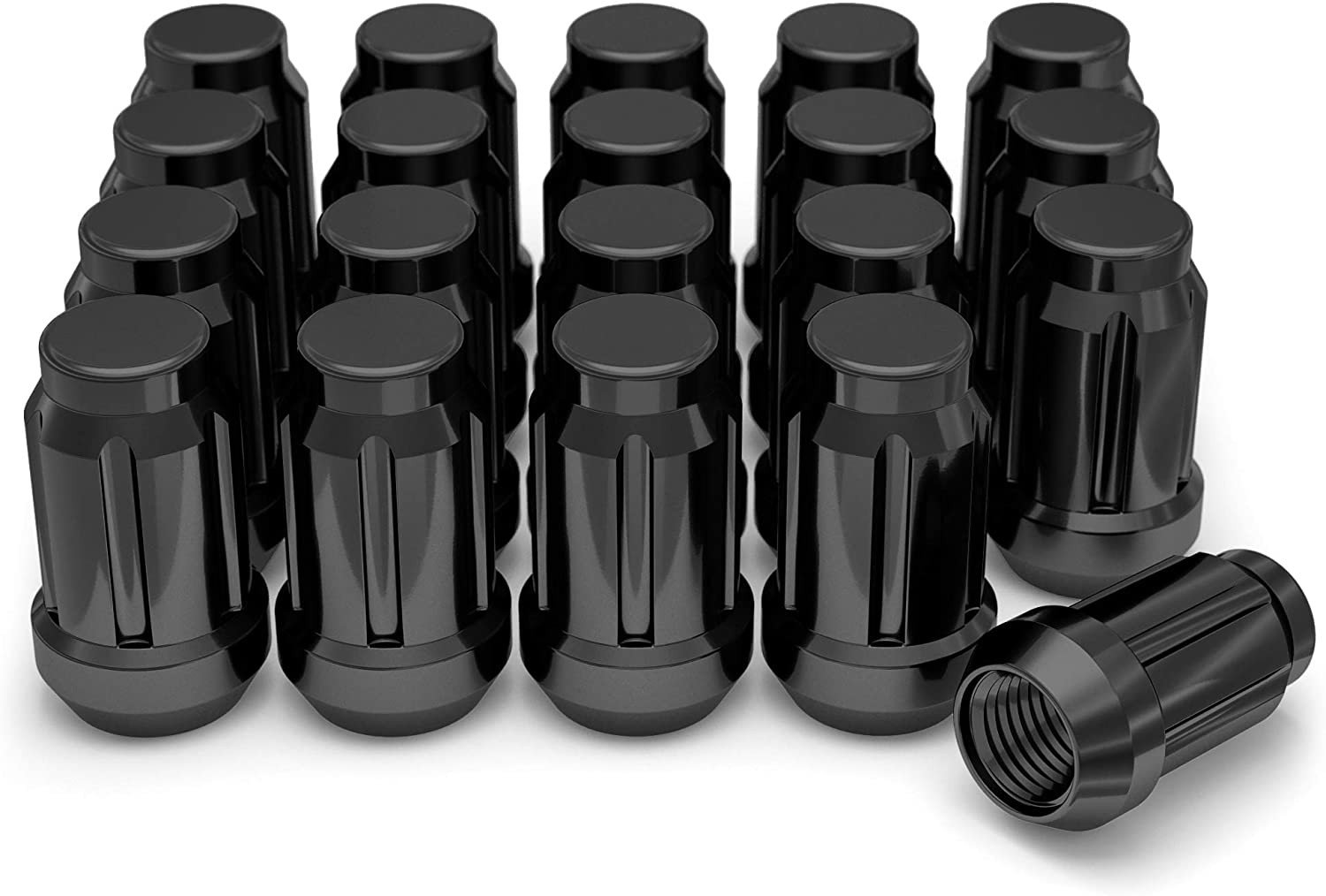
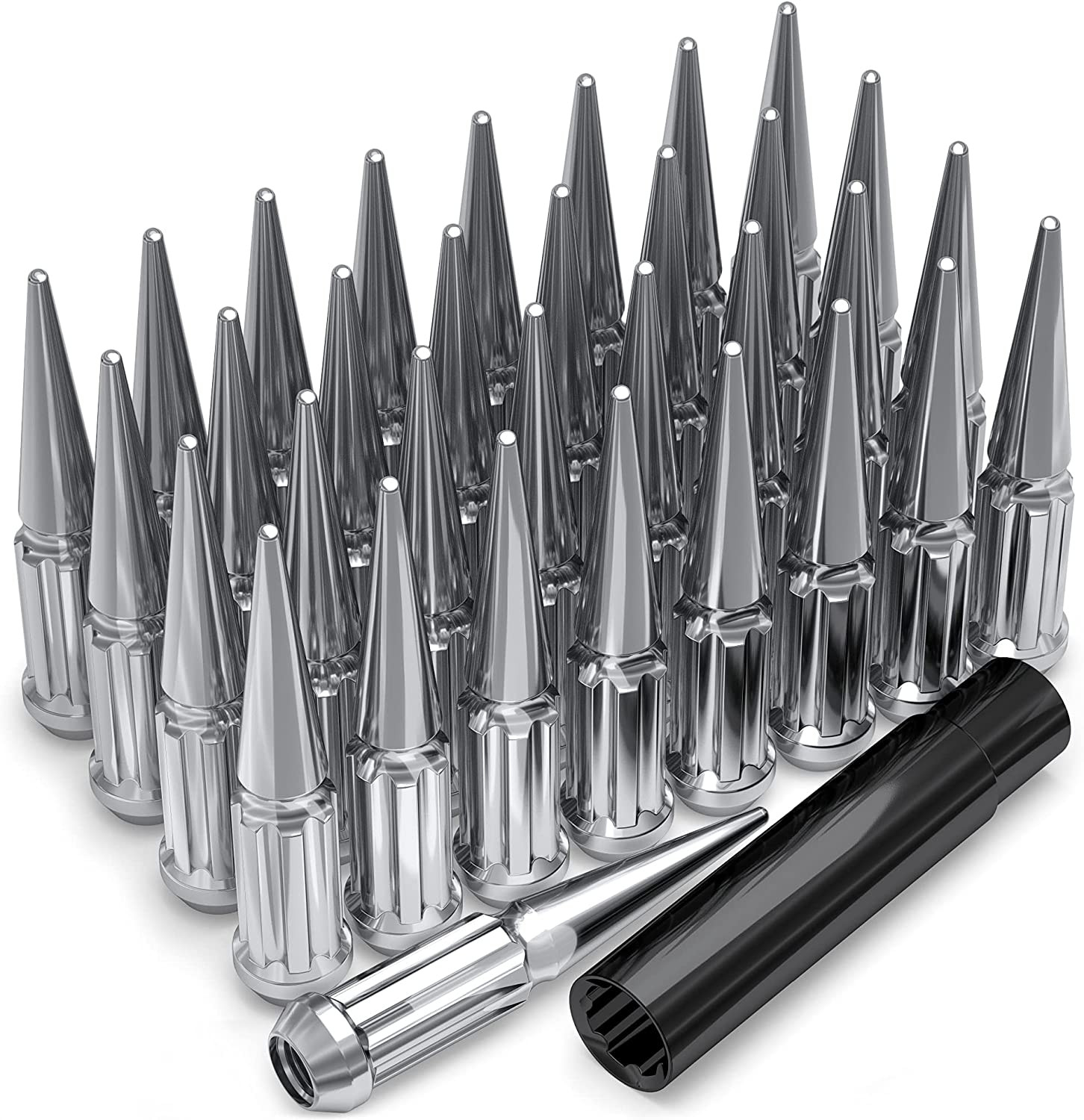
- Confirm that the wheel’s lug-seat type matches the required fasteners. The M12 x 1.5 thread specification does not identify the lug-seat shape.
- Verify tire size, load index, speed rating, and sidewall condition. Do not combine a tire marked R16 with a 17-inch wheel.
- Check that the tire does not rub at full steering lock, full suspension compression, or when the vehicle is loaded.
- Confirm the final assembly with the door-jamb label, owner’s manual, VIN-based OEM information, or a Ford parts specialist.
Plus Sizing And Common Upgrades
Plus sizing changes wheel diameter while attempting to maintain a similar overall tire diameter. It can alter ride comfort, steering response, ground clearance, speedometer behavior, tire availability, and wheel damage risk. The supplied fitment data contains both 17-inch and R16 entries, so the original factory assembly must be confirmed before evaluating a plus-size change.
Use the calculator to compare a proposed wheel and tire package with the verified original size. Pay attention to overall diameter, section width, sidewall height, offset, and backspacing. A wider tire or a lower offset can reduce inner clearance and increase the chance of fender contact. A higher offset can move the wheel inward and increase the chance of suspension or brake contact.
Do not choose an upgrade solely because the bolt pattern matches. The wheel must also clear the hub and brakes, use compatible fasteners, meet the vehicle’s load requirements, and fit without rubbing under real driving conditions.
Installation Tips
Inspect replacement wheels for cracks, bends, corrosion, damaged mounting seats, and missing hardware before installation. Clean rust, dirt, and paint from the hub and wheel mounting surfaces without removing material that affects fitment. Never use spacers or adapters unless they are properly engineered for the vehicle, wheel, load, and fasteners.
Install the wheels with the correct lug hardware and tighten the fasteners in a star pattern using a calibrated torque wrench. The correct torque value is not provided here and should be obtained from Ford service information or the vehicle owner’s manual. Recheck torque after the manufacturer-recommended break-in distance or after the first drive if the applicable instructions require it.
After installation, check for contact by turning the steering from lock to lock and inspecting accessible clearance. Perform a careful road test, then recheck tire pressure, lug torque, and rubbing marks. If vibration, pulling, noise, or contact occurs, stop driving and correct the problem before further use.
Tools And Helpful Supplies
Useful supplies may include a calibrated torque wrench, properly sized socket, vehicle-rated jack stands, a tire pressure gauge, a tread-depth gauge, and a hub and wheel cleaning brush. A thread or lug-seat check can help confirm hardware compatibility, but it does not replace OEM verification.
Use only lifting equipment rated for the vehicle. A jack alone is not a safe support method while working beneath or beside a raised vehicle.
FAQs
What is the bolt pattern listed for the 2014 Ford Transit Connect?
The provided bolt pattern is 5x10⁸. Confirm it on the vehicle or with OEM information before buying donor wheels.
What center bore is listed?
The supplied center bore is 63.4 mm. A wheel bore that is smaller than the hub will not fit. A larger bore may require correctly sized hub-centric rings if appropriate for the application.
What wheel offset and width are provided?
The supplied values are a 7.0-inch rim width and ET50 offset, with 5.47-inch backspacing. These values should be treated as a reference until confirmed for the vehicle’s exact trim and wheel.
Can a 5x10⁸ wheel fit automatically?
No. Matching the bolt pattern is only one part of fitment. You must also verify center bore, offset, width, brake and suspension clearance, lug-seat compatibility, wheel load rating, and tire clearance.
Why does the data show both a 17-inch rim and an R16 tire?
The supplied fields conflict. A tire marked R16 fits a 16-inch wheel, while a 17-inch wheel requires a tire marked R17. Check the tire sidewall, door-jamb label, owner’s manual, and OEM records before selecting a complete assembly.
What tire size is listed in the provided data?
The listed tire dimensions are 215 mm section width and a 55% aspect ratio, with the rim diameter field shown as R16. Because the rim diameter fields conflict, use the on-page calculator only after confirming the actual original tire and wheel size.
Does the M12 x 1.5 thread size identify the correct lug nuts?
No. M12 x 1.5 identifies the thread dimensions, but the lug-seat shape, seat angle, shank details, and required fastening hardware must also match the wheel and vehicle.
How can I confirm a donor wheel before purchase?
Record the donor wheel’s diameter, width, offset, bolt pattern, center bore, load rating, and lug-seat type. Compare those details in the on-page calculator, then confirm brake clearance and OEM compatibility with a physical inspection or a qualified wheel professional.