2016 Ford Transit Connect Wheel Fitment
Known OEM Fitment For 2016 Ford Transit Connect
The following values are the available OEM fitment data for the 2016 Ford Transit Connect. Fitment can vary by trim, package, market, wheel design, and brake configuration, so confirm the vehicle-specific information before ordering wheels or tires.
| Specification |
Known value |
| Bolt pattern, studs x PCD |
5x10⁸ |
| Center bore |
63.4 mm |
| Thread size |
M12 x 1.5 |
| Rim diameter |
17 inches |
| Rim width |
7.0 inches |
| Wheel offset |
ET50, or 50 mm |
| Backspacing |
5.47 inches |
| Tire section width |
215 mm |
| Tire aspect ratio |
55 percent |
| Tire rim diameter |
R16 |
There is an apparent diameter difference in the supplied data: the listed rim diameter is 17 inches, while the listed tire rim diameter is R16. These values may represent different wheel and tire configurations, or one value may not apply to every trim. Do not use the tire size as a final purchasing specification without checking the vehicle placard, owner documentation, the existing sidewall, and a Ford parts or service source for the exact vehicle.
The bolt pattern, center bore, thread size, offset, width, and backspacing should also be confirmed against the wheel manufacturer's specifications. A wheel that has the correct bolt pattern can still fail to clear the hub, brakes, suspension, or bodywork.
How To Use The Wheel Interchange Calculator
Use the calculator to compare a donor vehicle's wheels with the wheels installed on your 2016 Ford Transit Connect. Enter the donor vehicle in the “Wheels from” fields and enter the Transit Connect in the “Installed on” fields. Compare the bolt pattern, center bore, diameter, width, and offset before considering a wheel interchangeable.
- Start with the known Transit Connect values listed above, then verify any field that varies by trim or wheel package.
- Use the custom wheel size controls to test a proposed rim diameter, width, and offset.
- Use the custom tire size controls to test tire section width and aspect ratio.
- Review the calculator's wheel position and size comparison rather than relying on bolt pattern alone.
- When you change rim diameter, review the updated tire diameter comparison. A different wheel diameter normally requires a corresponding tire size that maintains suitable overall diameter and load capability.
- Treat the calculator as a screening tool. Confirm final clearance, load rating, tire pressure requirements, and installation specifications with OEM and wheel or tire manufacturer documentation.
Fitment Checklist Before You Buy
Check every item below before ordering a wheel or tire package:
- Confirm the exact vehicle trim, body configuration, market, and brake package.
- Confirm the 5x10⁸ bolt pattern and verify that the wheel's bolt holes are designed for the vehicle's fasteners.
- Confirm the 63.4 mm center bore. A larger wheel bore may require correctly specified hub-centric rings, while a smaller bore will not fit over the hub.
- Confirm the M12 x 1.5 thread size and whether the wheel requires the correct seat type and fastener design.
- Confirm wheel diameter, width, offset, and backspacing from the wheel manufacturer's technical data.
- Check inner clearance to the brake caliper, rotor, strut, suspension links, and other components.
- Check outer clearance to the fender, liner, and mud flap through the full steering and suspension range.
- Verify tire load index, speed rating, inflation requirements, and overall diameter.
- Check whether tire pressure monitoring sensors, valve stems, or relearning procedures are required.
- Confirm that the wheel is approved for the Transit Connect's vehicle weight and axle loads.
- After installation, check for rubbing at full steering lock and with the suspension loaded. Do not drive if a tire or wheel contacts a vehicle component.
Plus Sizing And Common Upgrades
Plus sizing changes wheel diameter while using a lower-profile tire to keep the overall tire diameter reasonably close to the original configuration. It can change ride comfort, handling response, steering feel, tire cost, wheel damage risk, and speedometer behavior.
The available data includes a 17-inch rim specification and an R16 tire rim diameter, so the correct original configuration should be established before planning a plus-size conversion. Do not assume that a 17-inch wheel is an upgrade for every 2016 Transit Connect trim.
When evaluating a larger or wider wheel, use the calculator's custom wheel and tire fields to compare diameter, width, and offset. Then confirm the result with a physical clearance check and the wheel maker's application data. A calculator cannot verify brake clearance, spoke shape, tire bulge, suspension travel, or load rating for every design.
Changing offset moves the wheel inward or outward. A lower offset generally moves the wheel farther outward, while a higher offset generally moves it inward, but the final result depends on wheel width and design. Use the listed ET50 and 5.47-inch backspacing only as supplied reference values and verify them before purchase.
Installation Tips
- Inspect the hub face, wheel mounting face, studs or bolts, and fastener threads. Remove rust, dirt, and paint buildup from mating surfaces.
- Use only fasteners with the correct thread, seat type, diameter, and engagement for the selected wheel.
- Install wheels with the vehicle safely supported. Never rely on a jack alone while working under or around the vehicle.
- Start all fasteners by hand to avoid cross-threading.
- Use a calibrated torque wrench and the vehicle or wheel manufacturer's specified torque. Do not substitute an unspecified impact-gun setting.
- Tighten in a gradual crisscross pattern, then lower the vehicle enough to prevent rotation and complete the final torque procedure.
- Check tire pressure against the vehicle placard rather than using the maximum pressure molded into the tire sidewall.
- Recheck fastener torque after the manufacturer's recommended break-in distance or service interval.
- After fitting different wheels or tires, test slowly in a safe area and listen for rubbing, vibration, or looseness.
Tools And Helpful Supplies
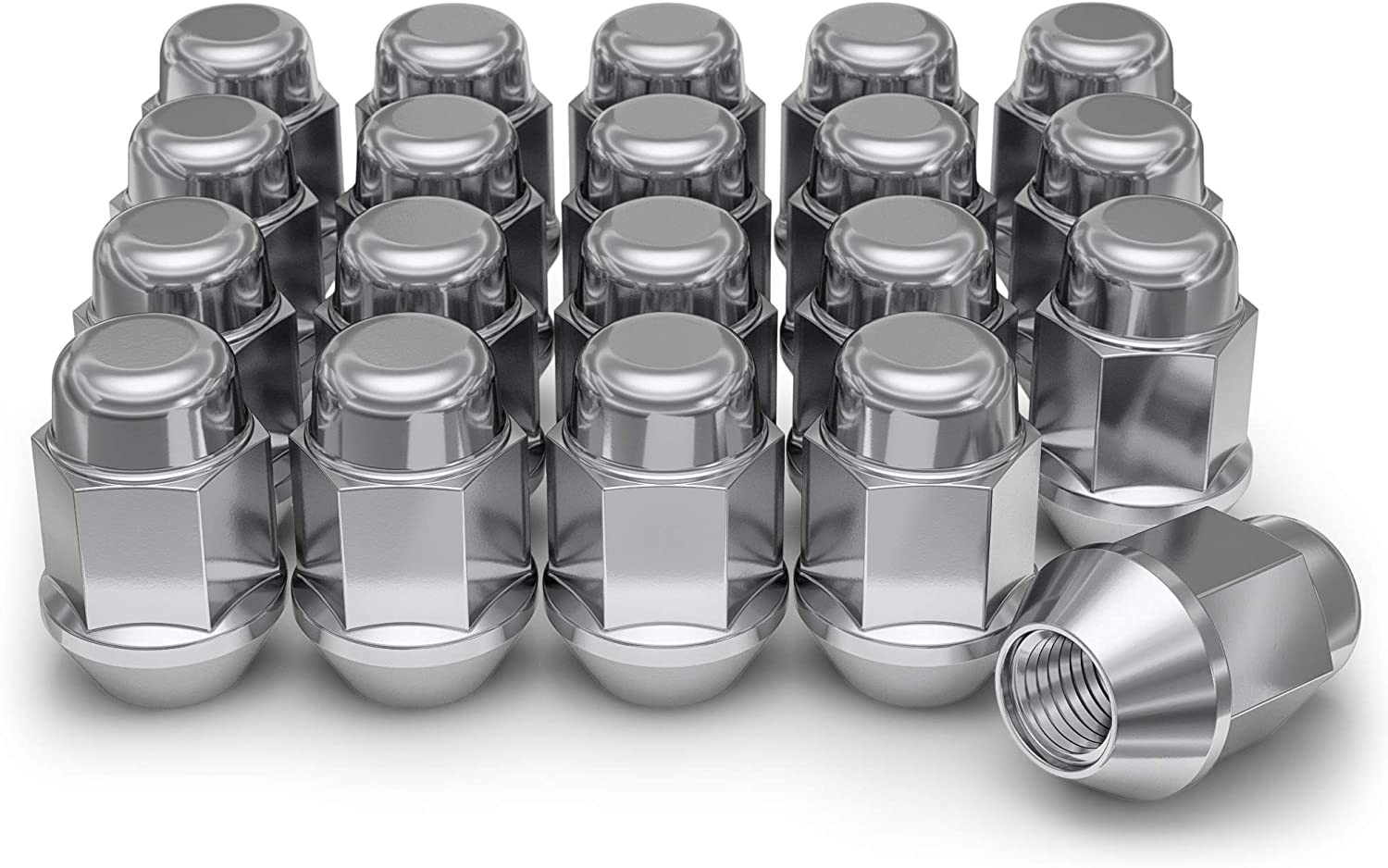
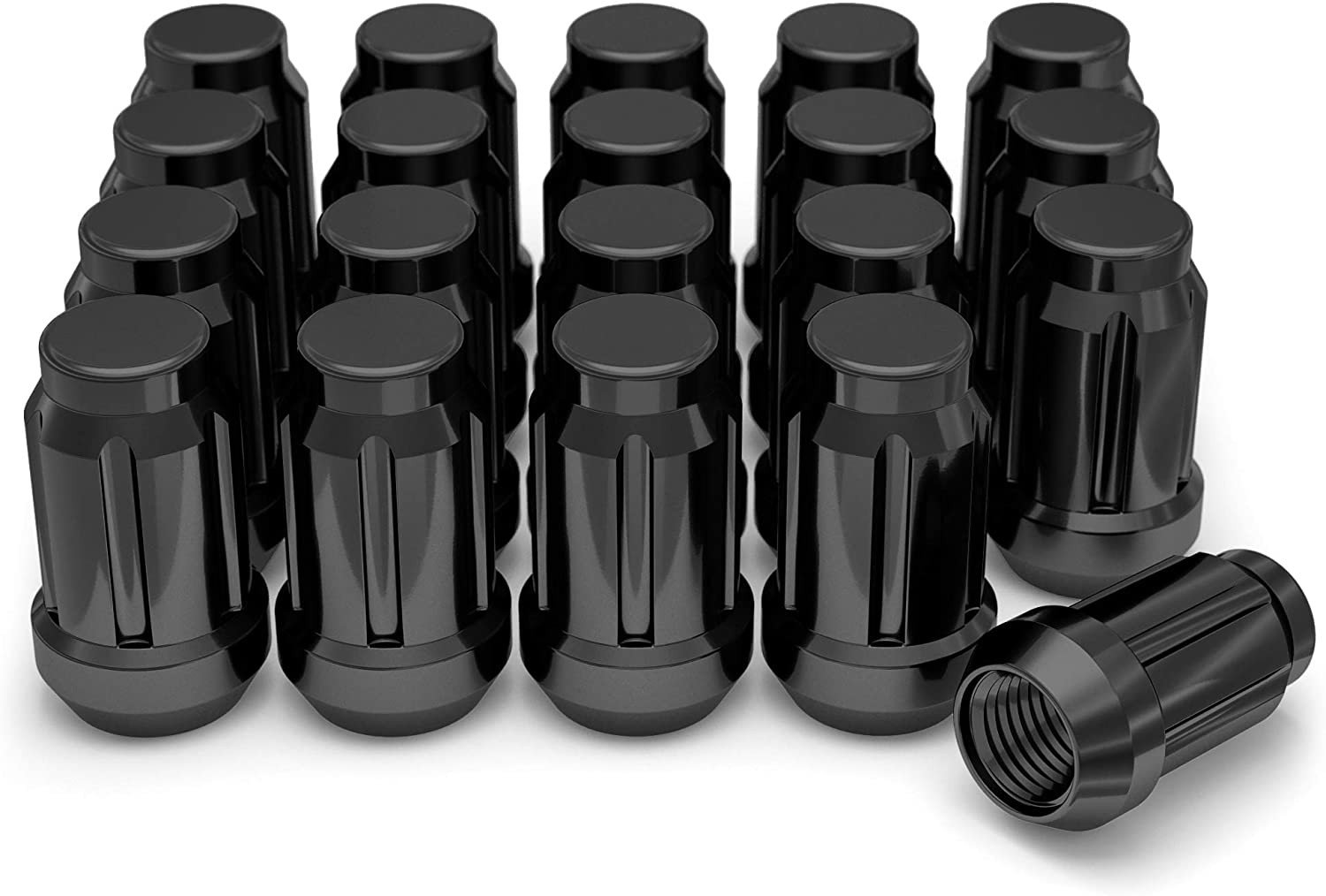
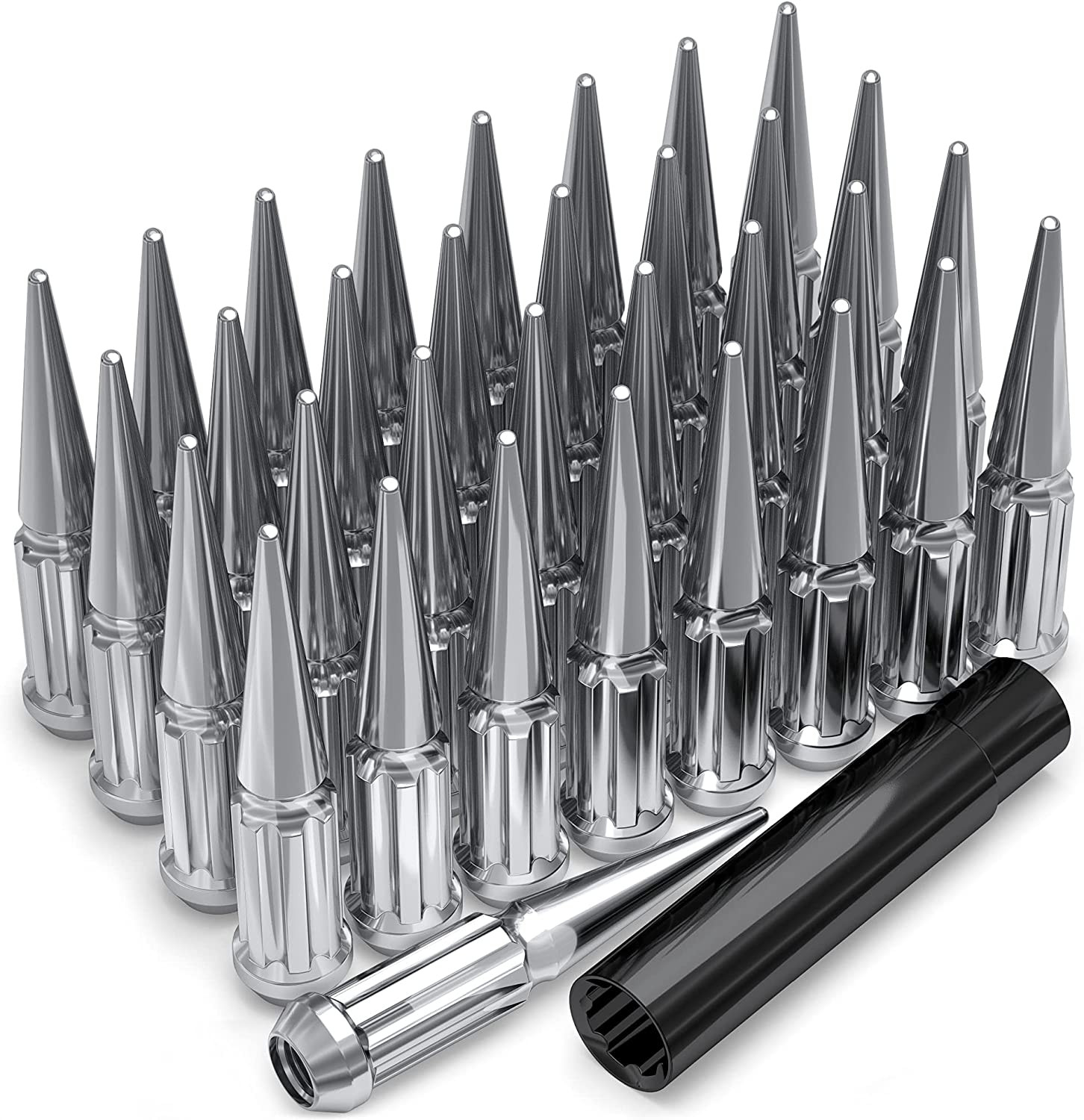
Useful equipment includes a vehicle-rated jack and jack stands, a properly sized socket, a calibrated torque wrench, a tire pressure gauge, wheel chocks, a wire brush for hub cleaning, and suitable gloves and eye protection.
See an automotive torque wrench and a digital tire pressure gauge if you need basic tools for wheel installation checks. Tool compatibility does not replace the vehicle manufacturer's torque and safety instructions.
FAQs
What is the bolt pattern for the 2016 Ford Transit Connect?
The supplied fitment data lists a 5x10⁸ bolt pattern. Confirm the exact trim and wheel application before purchase.
What is the center bore?
The supplied center bore is 63.4 mm. A wheel with a smaller bore will not fit over the hub. A larger bore may require correctly sized hub-centric rings if permitted by the wheel manufacturer.
What thread size is listed?
The supplied thread size is M12 x 1.5. Verify the required fastener seat and the correct fastener type for the selected wheel, because thread size alone does not confirm compatibility.
Can any 5x10⁸ wheel fit this Transit Connect?
No. The bolt pattern is only one part of fitment. Center bore, wheel width, offset, backspacing, brake clearance, fastener seat, load rating, and tire clearance must also be correct.
Why does the supplied data show both a 17-inch rim and an R16 tire diameter?
Those entries describe different rim diameters and may represent different configurations, or one may not apply to every trim. Confirm the installed tire sidewall, door-jamb tire placard, owner documentation, and a Ford source before ordering replacement wheels or tires.
How do I compare donor wheels?
Enter the donor vehicle under “Wheels from” and the 2016 Ford Transit Connect under “Installed on.” Compare all available dimensions, then use the custom wheel and tire fields to evaluate proposed sizes. Physically verify brake and body clearance before driving.
Will changing wheel diameter affect tire diameter?
Yes. The calculator updates the tire diameter comparison when rim diameter changes. Select a tire size with suitable overall diameter, load rating, and clearance, then confirm the final specification with the tire manufacturer and vehicle documentation.
Where can I confirm the final OEM specification?
Check the vehicle's tire and loading information label, owner documentation, the existing wheel and tire markings, Ford service or parts information, and the wheel and tire manufacturers' application data. If these sources disagree, stop and resolve the discrepancy before purchase or installation.