2011 GMC Sierra 1500 Wheel Fitment
Known OEM Fitment For 2011 GMC Sierra 1500
The following specifications are the known reference values provided for the 2011 GMC Sierra 1500. Fitment can vary by cab, drivetrain, suspension, brake package, and wheel or tire package, so confirm the specifications for your specific truck before ordering.
| Specification |
Known value |
| Bolt pattern |
6x139.7, meaning 6 studs on a 139.7 mm pitch circle diameter |
| Center bore |
78.1 mm |
| Thread size |
M14 x 1.5 |
| Rim diameter |
20 inches |
| Rim width |
8.5 inches |
| Wheel offset |
ET31, or 31 mm |
| Backspacing |
5.47 inches |
| Tire section width |
245 mm |
| Tire aspect ratio |
70 percent |
| Tire rim diameter |
17 inches |
The wheel dimensions and tire reference above do not automatically describe one complete wheel-and-tire assembly. In particular, a 20-inch wheel diameter and a 17-inch tire rim diameter must not be treated as a mounted combination. Use the calculator to compare wheel and tire configurations, then confirm the final assembly against the tire manufacturer, the vehicle door-jamb label, and GMC service information.
Wheel diameter, width, offset, center bore, bolt pattern, brake clearance, load rating, and tire load and speed ratings all matter. A wheel that matches the bolt pattern may still be unsafe or unsuitable.
How To Use The Wheel Interchange Calculator
Use the on-page calculator to compare Wheels from a donor vehicle with Installed on your 2011 GMC Sierra 1500. Enter the donor wheel details as accurately as possible, including rim diameter, width, offset, bolt pattern, and center bore when available.
Review the comparison for differences in wheel width, offset, and overall position. A change in offset can move the wheel closer to suspension components or farther outward toward the fender. Do not rely on a visual match alone.
The calculator also allows a Custom wheel size and a Custom tire size. Enter rim diameter, rim width, and offset for a proposed wheel. Then enter tire section width and aspect ratio. Changing rim diameter updates the calculated tire diameter in the comparison, which helps you evaluate diameter changes before purchasing.
The calculator is a screening tool, not a substitute for a physical clearance check. Confirm brake, suspension, fender, and hub clearance with the actual wheel and tire combination whenever possible.
Fitment Checklist Before You Buy
Start with the vehicle identification number, trim, drivetrain, and original tire information. Compare the door-jamb tire label and the existing wheel markings with the values shown above. If those sources disagree, use the vehicle-specific OEM information and the actual wheel markings as the basis for your decision.
Confirm the 6x139.7 bolt pattern, 78.1 mm center bore, M14 x 1.5 thread specification, wheel width, diameter, and offset. Also verify the wheel's load rating and whether its lug-seat design matches the correct lug nuts. The thread size alone does not identify the correct lug-nut seat or nut shape.
Check that the selected tire fits the wheel width and meets or exceeds the vehicle's required load and speed ratings. Compare the proposed tire diameter with the original specification. Large diameter changes can affect speedometer readings, gearing, ground clearance, traction-control behavior, and available clearance.
Before driving, inspect clearance at full steering lock, through the complete suspension travel, and around the brake caliper. Look for contact with the strut, control arms, tie rods, brake components, inner wheel well, and fender edges.
Plus Sizing And Common Upgrades
Plus sizing usually means fitting a larger wheel diameter with a lower-profile tire while keeping the overall tire diameter reasonably close to the original. The goal is to preserve practical clearance and limit changes to speedometer behavior and vehicle systems. The correct target diameter depends on the original tire package for your truck, which should be confirmed from the door-jamb label or OEM documentation.
The provided data includes both a 20-inch rim diameter and a 17-inch tire rim diameter. Treat these as separate reference inputs until your exact package is confirmed. Do not select a tire solely because its section width and aspect ratio appear similar.
A wider wheel or more aggressive offset may improve appearance but can reduce inner clearance, increase fender exposure, or alter steering feel. Spacers and adapters add additional fitment variables and should not be used to correct an uncertain bolt pattern, center bore, or brake-clearance problem.
Use the calculator to test proposed wheel diameter, width, and offset combinations. Then confirm tire compatibility with the tire manufacturer and verify that the finished assembly remains within the vehicle's load, clearance, and safety requirements.
Installation Tips
Inspect the hub face and wheel mounting surface before installation. Remove rust, dirt, and paint buildup that could prevent the wheel from seating flat. Do not lubricate the conical or spherical lug-seat contact surfaces unless the vehicle or wheel manufacturer specifically instructs you to do so.
Install the correct lug nuts by hand and tighten them in a star pattern. Keep the wheel supported against the hub while starting the threads to avoid cross-threading the M14 x 1.5 studs. Never use impact-gun torque as the final tightening method.
Use a calibrated torque wrench and the torque specification in the GMC service information or wheel manufacturer's instructions. Because the exact torque can vary with the vehicle, wheel, lug nut, and thread condition, an unsupported universal torque value should not be used.
After installation, check for contact by turning the steering from lock to lock and inspecting accessible areas. Perform a short, slow test drive, then recheck lug tightness according to the vehicle or wheel manufacturer's break-in guidance. Stop immediately if you feel vibration, rubbing, looseness, or steering changes.
Tools And Helpful Supplies
Useful equipment includes a calibrated torque wrench, an appropriate socket, a jack and properly rated jack stands, wheel chocks, a tire-pressure gauge, and a straightedge or clearance measuring tool. Use jack stands on a solid, level surface and follow the lifting points in the owner's manual.
For a torque wrench and a tire-pressure gauge, see automotive torque wrenches and digital tire-pressure gauges. Product fit, accuracy, and suitability should be checked before purchase.
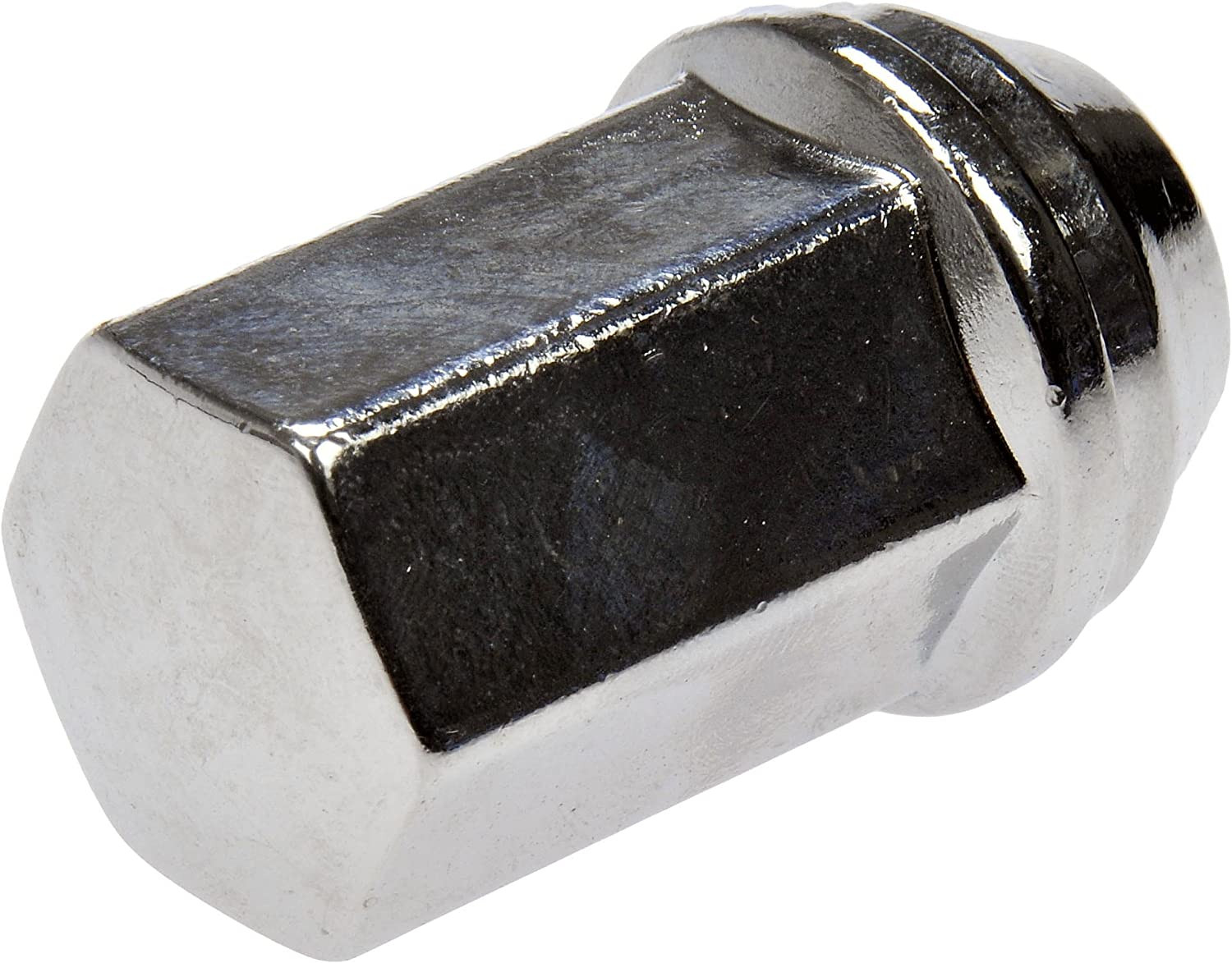
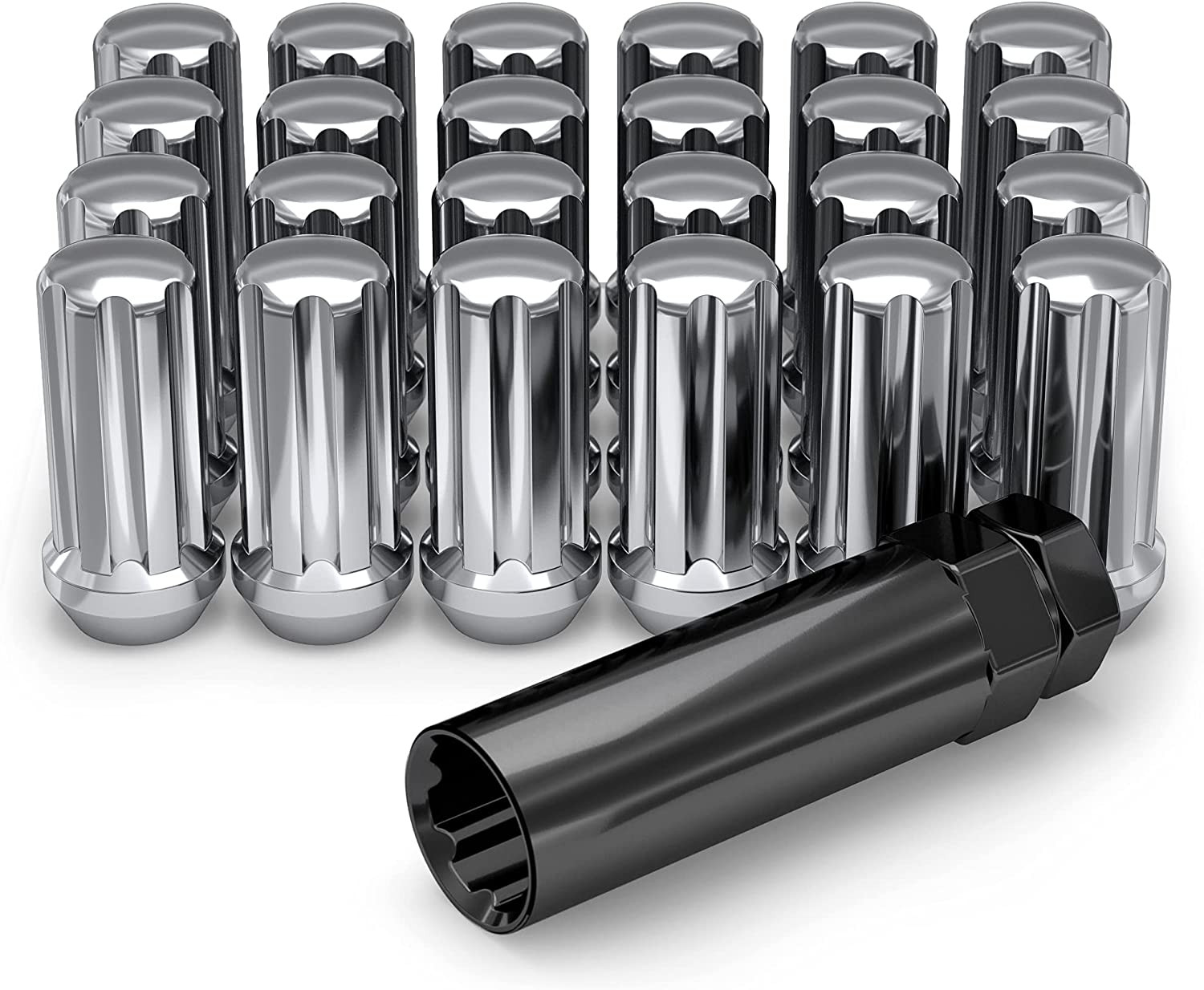
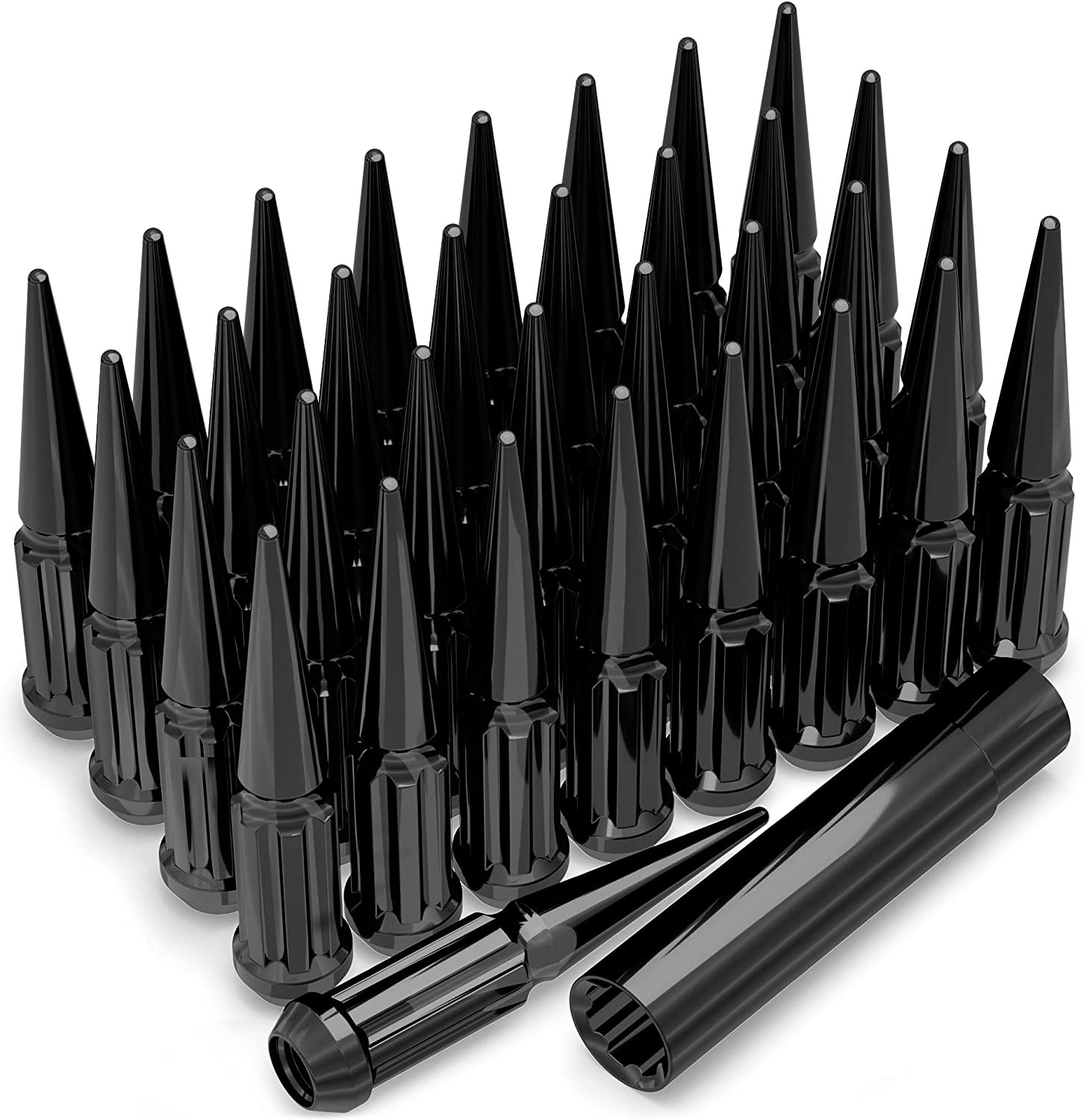
Replacement lug nuts must match the wheel's seat type, thread size, length, and manufacturer requirements. Do not assume the original lug nuts are correct for an aftermarket wheel.
FAQs
What is the bolt pattern for the 2011 GMC Sierra 1500?
The provided reference fitment is 6x139.7. Confirm the pattern for your exact truck and wheel before purchase, because bolt-pattern compatibility alone does not confirm complete fitment.
What is the center bore?
The provided center-bore value is 78.1 mm. A wheel with a larger bore may require correctly sized hub-centric rings, while a wheel with a smaller bore generally will not fit over the hub without proper machining by a qualified specialist. Confirm the wheel manufacturer's requirements.
What lug thread size is listed?
The provided thread size is M14 x 1.5. The correct lug-nut seat, nut length, strength, and installation torque still need to be confirmed for the specific wheel.
Can I install 20-inch wheels?
A 20-inch rim diameter is included in the known reference data, but that does not guarantee that every 20-inch wheel or tire combination will fit every 2011 GMC Sierra 1500 configuration. Check width, offset, brake clearance, center bore, load rating, tire diameter, and tire manufacturer fitment information.
Why does the provided data mention both 20-inch and 17-inch diameters?
The 20-inch value is listed as a rim diameter, while the tire reference lists a 17-inch tire rim diameter. They should not be combined as one mounted setup without confirming the applicable trim or package. Use the calculator and OEM sources to identify the correct original configuration.
Does a matching bolt pattern mean a wheel will fit?
No. The wheel must also clear the brakes and suspension, use a suitable center bore, have an appropriate offset and width, carry the required load, and accept compatible lug nuts. Physical clearance checks remain necessary.
Where can I confirm the final specifications?
Check the driver's door-jamb label, the owner's manual, the existing wheel markings, GMC service information, and documentation from the wheel and tire manufacturers. If any source conflicts, pause the installation and obtain vehicle-specific confirmation from a qualified tire or wheel professional.