2005 GMC Sierra 1500 Wheel Fitment Guide
Known OEM Fitment For 2005 GMC Sierra 1500
The following specifications are the known reference values provided for the 2005 GMC Sierra 1500. Fitment can vary by trim, drivetrain, brake package, production configuration, or replacement wheel. Confirm the original equipment specifications for your specific truck using the owner's manual, the wheel markings, a GMC dealer, or the VIN before purchasing wheels or tires.
| Specification |
Known value |
| Bolt pattern |
6x139.7, also written as 6x5.5 |
| Center bore |
78.1 mm |
| Thread size |
M12 x 1.5 |
| Reference rim diameter |
16 inches |
| Reference rim width |
7.0 inches |
| Reference wheel offset |
ET31, or 31 mm |
| Reference backspacing |
4.72 inches |
| Reference tire size |
235/75R16 |
| Tire section width |
235 mm |
| Tire aspect ratio |
75% |
The listed 235/75R16 tire has an approximate calculated diameter of 28.9 inches. Actual mounted diameter can vary by tire brand, tread design, inflation pressure, and load. The calculator can show how a different rim diameter changes the tire comparison.
How To Use The Wheel Interchange Calculator
Use the wheel interchange calculator on this page to compare wheels from a donor vehicle with wheels installed on your 2005 GMC Sierra 1500. Enter or select the donor vehicle in the “Wheels from” field and enter the GMC Sierra 1500 as the vehicle in the “Installed on” field.
- Compare the bolt pattern first. A matching six-lug pattern is required, but it does not by itself prove that a wheel is safe or compatible.
- Review center bore, wheel width, diameter, and offset together. A wheel can have the correct bolt pattern and still contact the hub, brake components, suspension, or fender.
- Use the custom wheel size controls to enter a proposed rim diameter, rim width, and offset.
- Use the custom tire size controls to enter section width and aspect ratio.
- When you change rim diameter, review the updated tire diameter in the comparison. A larger wheel normally requires a shorter tire sidewall to maintain a similar overall diameter.
- Use calculator results as a screening tool, then perform physical clearance checks and confirm the vehicle and wheel manufacturer's requirements.
If a specification is not shown or differs between sources, do not assume compatibility. Confirm it from the wheel stamp, tire sidewall, service documentation, or an OEM source.
Fitment Checklist Before You Buy
- Confirm the wheel has a 6x139.7 bolt pattern and six correctly positioned lug holes.
- Confirm the wheel's center bore is compatible with the 78.1 mm hub. A larger bore may require properly sized hub-centric rings where appropriate. A smaller bore will not fit over the hub without machining, which should not be treated as a casual modification.
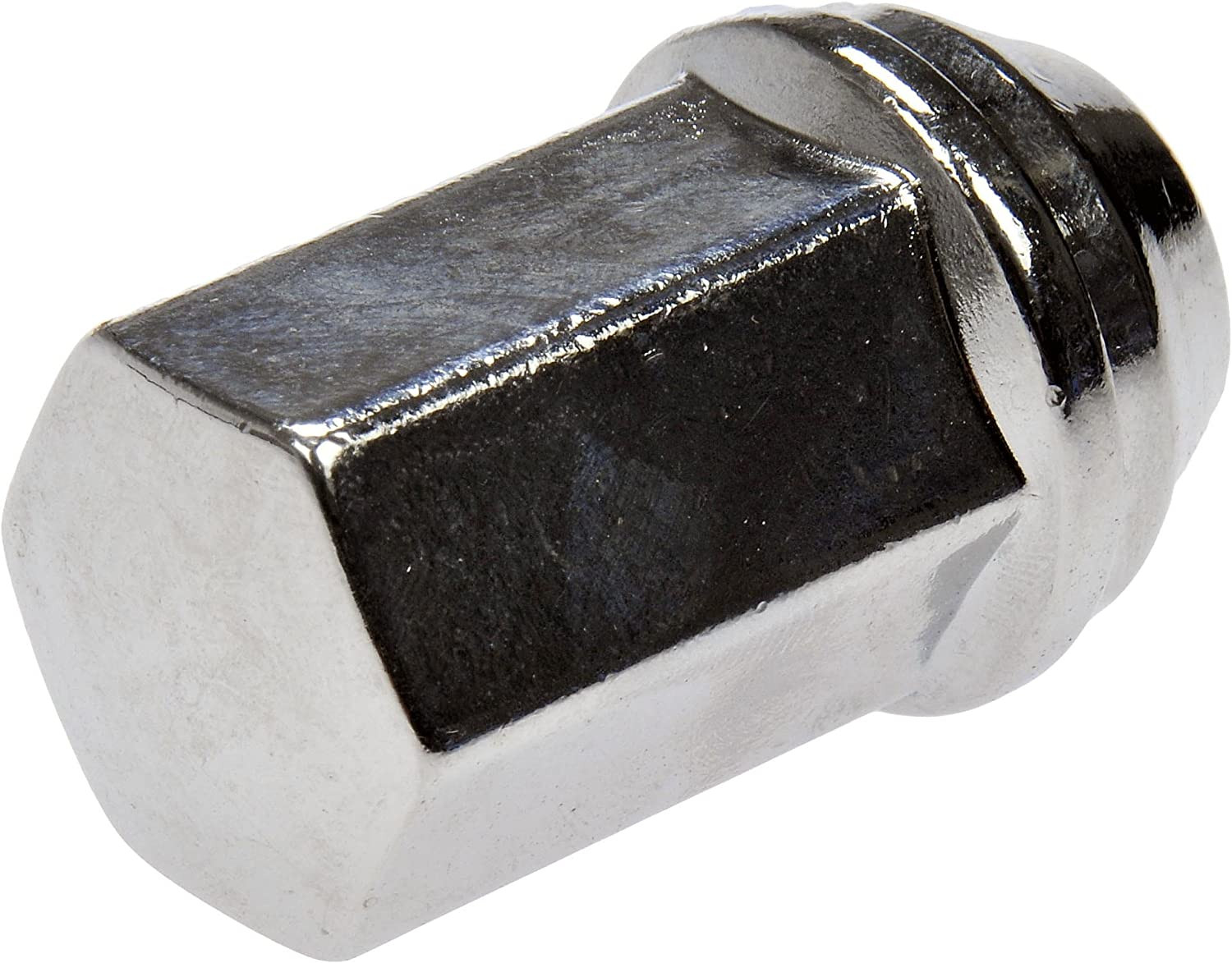
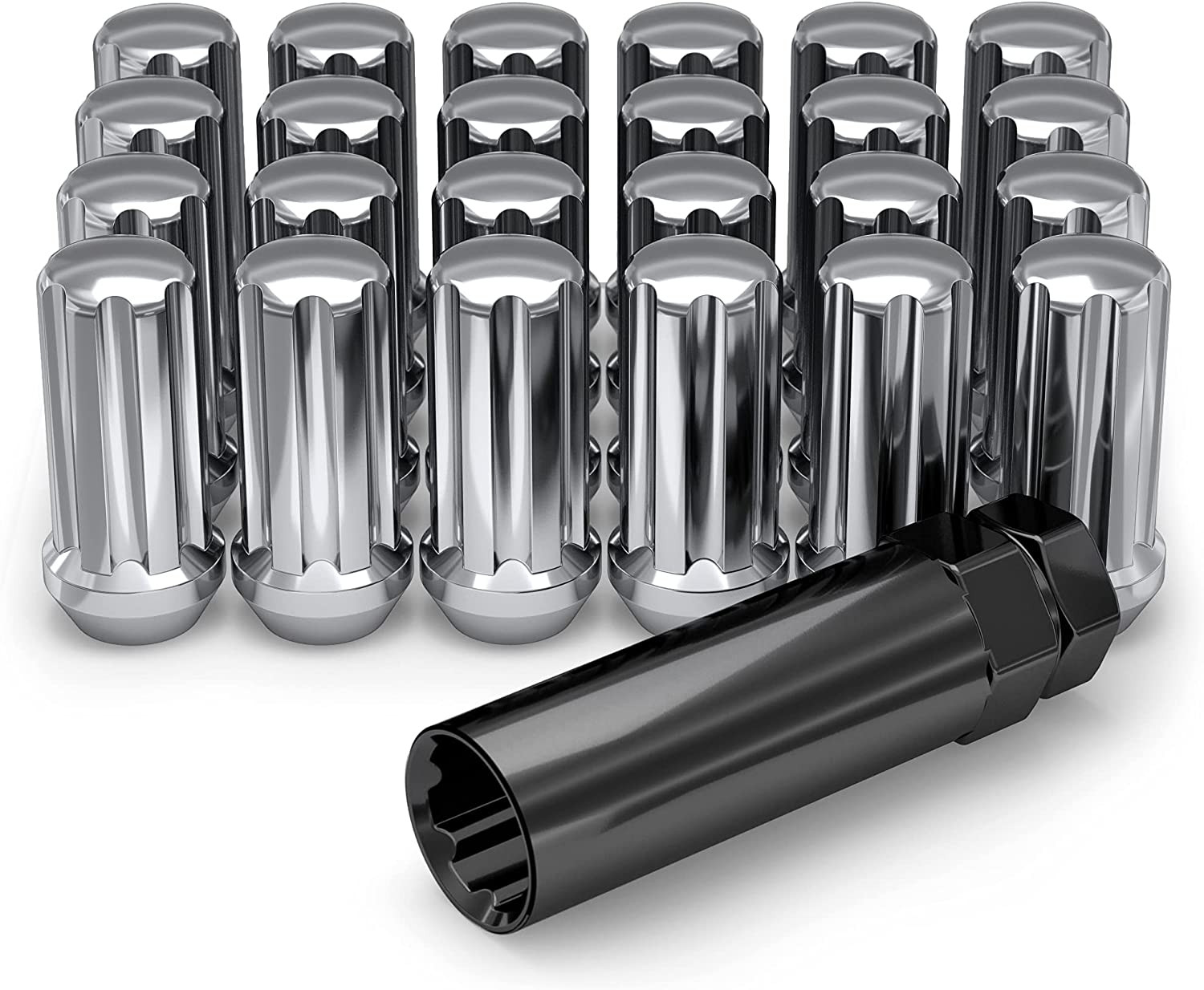
- Confirm the wheel uses compatible M12 x 1.5 lug nuts and that the lug-nut seat matches the wheel, such as conical or spherical seat. Do not select lug nuts by thread size alone.
- Check offset and backspacing against the original reference values. Changes affect inner suspension clearance, outer fender clearance, steering feel, and tire position.
- Verify load rating. The wheel and tire must be rated for the truck's axle loads and intended use.
- Check brake caliper, rotor, and suspension clearance with the exact wheel design. Identical diameter and offset numbers do not guarantee spoke clearance.
- Confirm the tire's load index, speed rating, approved rim width range, and overall diameter.
- Inspect for TPMS compatibility if the truck uses tire pressure sensors. Sensor fit and relearning procedures can vary.
- After installation, check clearance at full steering lock and through suspension movement. Look for contact with the frame, control arms, brake lines, shocks, and fenders.
Plus Sizing And Common Upgrades
Plus sizing usually means installing a larger-diameter wheel with a lower-aspect-ratio tire while keeping the overall tire diameter reasonably close to the original reference size. This can change appearance and steering response, but it may also reduce sidewall protection, increase road impact harshness, and raise the risk of wheel or tire damage.
No complete upgraded wheel or compatible-vehicle list is provided here, so specific aftermarket sizes should not be treated as confirmed fitment. Enter the proposed rim diameter, width, offset, tire section width, and aspect ratio in the on-page calculator, then verify physical clearances and manufacturer load requirements.
Changing offset can move the wheel inward toward suspension components or outward toward the fender. Increasing tire width can create additional clearance issues even when the tire diameter remains similar. Suspension lifts, leveling kits, wheel spacers, and aftermarket brake components can further change fitment and require separate inspection.
Installation Tips
Use the wheel manufacturer's torque specification when available. If it is not available, consult the GMC service information for the vehicle and confirm that the specified torque applies to the wheel, lug nut seat, and hardware being used.
- Clean the hub face and wheel mounting surface. Remove rust, dirt, paint buildup, and debris that could prevent the wheel from seating flat.
- Install wheels only with the correct lug nuts and matching seat type. Never force incompatible hardware onto the studs.
- Hand-start every lug nut to avoid cross-threading. Tighten in a star or crisscross pattern.
- Torque the lug nuts with a calibrated torque wrench, then recheck them after the first drive and again according to the wheel or vehicle manufacturer's instructions.
- Check tire pressure using the vehicle or tire manufacturer's recommendation, not the maximum pressure molded on the tire sidewall.
- Inspect for leaks, vibration, rubbing, and steering changes. Stop driving if the wheel contacts another component or the vehicle develops severe vibration.
- Have the tires balanced and obtain an alignment if the wheel position, tire size, or suspension geometry has changed.
Tools And Helpful Supplies
Useful equipment includes a calibrated torque wrench, correctly sized socket, breaker bar, jack and jack stands rated for the truck, wheel chocks, a tire-pressure gauge, and a tread-depth gauge. Use jack stands on a solid, level surface and never work beneath a vehicle supported only by a jack.
For measuring a proposed wheel, a straightedge and tape measure can help estimate backspacing, while a caliper can help verify hub and bore dimensions. A compatible lug-nut set and hub-centric rings may also be needed, but only after confirming the wheel's bore, hub fit, and lug-seat design.
Shop automotive torque wrenches on Amazon or shop wheel lug-nut socket sets on Amazon. Verify tool specifications and compatibility before purchase.
FAQs
What is the bolt pattern for a 2005 GMC Sierra 1500?
The known reference bolt pattern is 6x139.7, also commonly written as 6x5.5. Confirm the exact truck configuration and wheel application before buying.
What is the center bore?
The known center bore is 78.1 mm. A wheel bore that is too small will not seat over the hub. A larger bore may need a properly sized hub-centric ring when appropriate.
What is the original reference tire size?
The provided reference tire size is 235/75R16. Tire size can vary by trim or equipment, so confirm the size on the vehicle placard, tire sidewall, or OEM documentation.
Can any 6x139.7 wheel fit this truck?
No. Bolt pattern is only one part of fitment. Center bore, offset, backspacing, wheel width, brake clearance, lug-nut seat, load rating, and tire dimensions must also be compatible.
Can I install a larger wheel diameter?
A larger diameter may be possible, but no specific upgrade size is confirmed by the information provided. Use the calculator to compare custom rim and tire dimensions, then verify clearance, load rating, tire specifications, and local legal requirements.
What offset should I look for?
The provided reference wheel offset is ET31, or 31 mm, with a reference backspacing of 4.72 inches. An aftermarket wheel with a different offset may change inner and outer clearance, so compare the exact dimensions in the calculator and inspect the vehicle physically.
Do I need hub-centric rings?
It depends on the wheel's center bore and the truck's hub. If the wheel bore is larger than the hub, correctly sized rings may help center the wheel during installation. Rings do not correct an incorrect bolt pattern, offset, load rating, or brake clearance issue.
Should I recheck the lug nuts after installation?
Yes. Recheck lug-nut torque after the initial drive and follow the wheel and vehicle manufacturer's instructions. Stop and inspect the installation if you notice vibration, looseness, rubbing, or unusual noise.