2020 GMC Sierra 1500 Wheel Fitment Guide
Known OEM Fitment For 2020 GMC Sierra 1500
The following specifications are the known fitment values provided for the 2020 GMC Sierra 1500. They may represent only one trim, wheel package, or reference configuration. Always confirm the specifications for your specific truck using the door-jamb label, owner documentation, VIN-based OEM parts information, or the original wheel markings.
| Specification |
Known value |
| Bolt pattern |
6x139.7, six studs on a 139.7 mm pitch circle diameter |
| Center bore |
78.1 mm |
| Thread size |
M14 x 1.5 |
| Rim diameter |
20 inches |
| Rim width |
9.0 inches |
| Wheel offset |
ET28, or 28 mm |
| Backspacing |
5.6 inches |
| Tire section width |
255 mm |
| Tire aspect ratio |
70 percent |
| Tire rim diameter |
17 inches |
There is an apparent configuration difference in the supplied data: the wheel information lists a 20-inch rim, while the tire information lists a 17-inch rim diameter. A 255/70R17 tire is not a 20-inch wheel fitment. Treat these values as separate reference data until your truck's original tire sidewall, wheel markings, and OEM records confirm the complete wheel and tire package.
Do not rely on bolt pattern alone. A replacement wheel must also provide suitable center-bore fitment, offset, width, brake clearance, load capacity, fastener compatibility, and tire compatibility.
How To Use The Wheel Interchange Calculator
Use the calculator to compare wheels from a donor vehicle with the wheels installed on your 2020 GMC Sierra 1500. Enter the donor vehicle information in the “Wheels from” area and the GMC Sierra 1500 information in the “Installed on” area.
- Compare bolt pattern, center bore, wheel diameter, wheel width, and offset before considering a purchase.
- Use the custom wheel size fields to enter a specific diameter, width, and offset when shopping for aftermarket wheels.
- Use the custom tire size fields to compare section width and aspect ratio.
- When you change rim diameter, review the updated tire diameter comparison. Changing wheel diameter normally requires a corresponding tire size change to maintain a suitable overall diameter.
- Review the calculated difference in inner clearance, outer position, and tire diameter, but do not treat the result as a substitute for a physical test fit.
Calculator results depend on accurate inputs. Confirm the vehicle's actual trim, axle configuration, brake package, original wheel size, and tire size before ordering parts.
Fitment Checklist Before You Buy
- Confirm the six-lug 6x139.7 bolt pattern.
- Confirm that the wheel's center bore is compatible with the vehicle's 78.1 mm hub. A smaller bore will not fit over the hub without machining. A larger bore may require properly sized hub-centric rings where appropriate.
- Check the wheel offset and width against the calculator and the physical truck. Offset changes can affect fender clearance, suspension clearance, steering feel, and bearing loads.
- Verify that the wheel clears the brake caliper, rotor, hub, and suspension components. Spoke shape can matter as much as diameter.
- Confirm the wheel's load rating is suitable for the truck and its intended cargo or towing use.
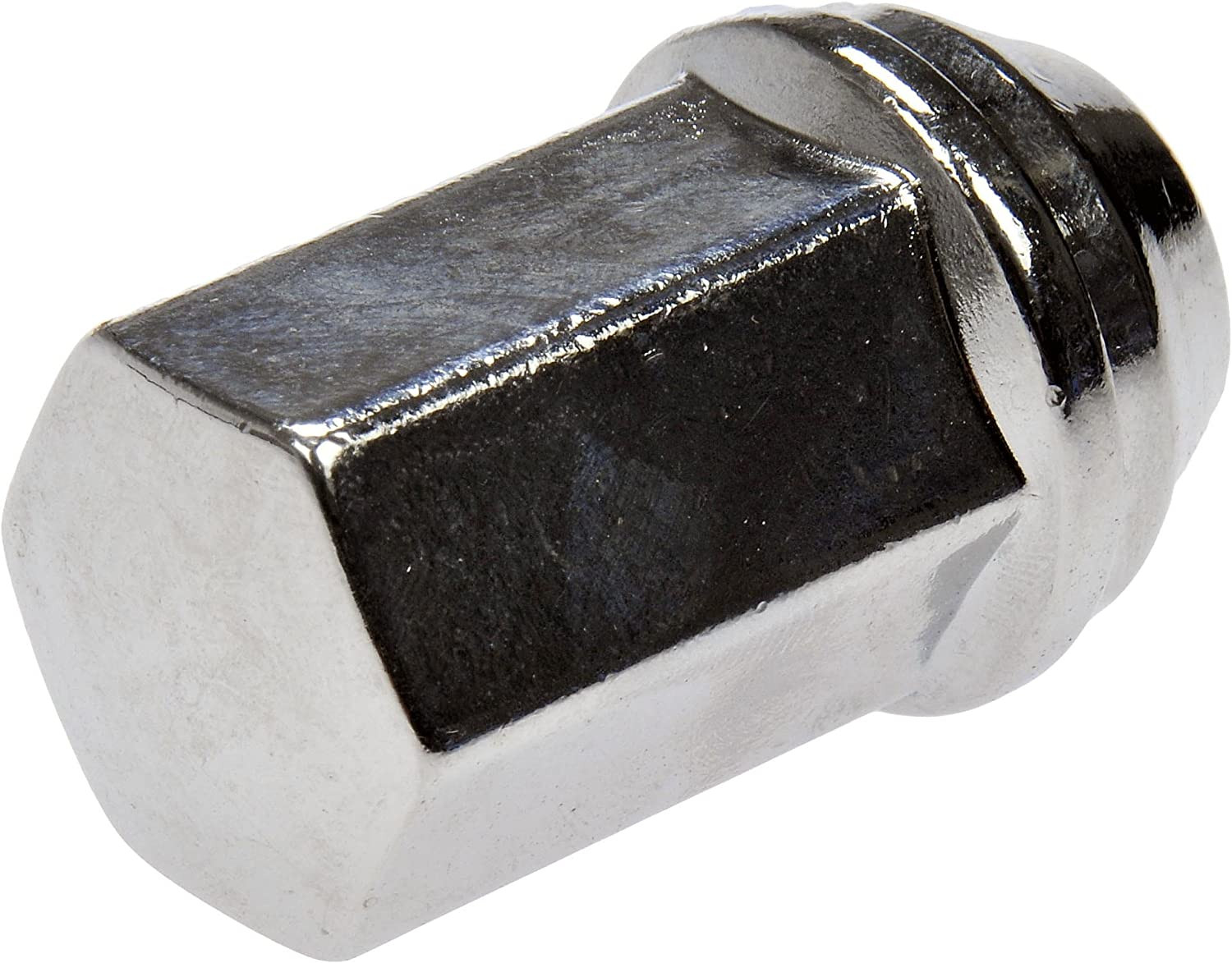
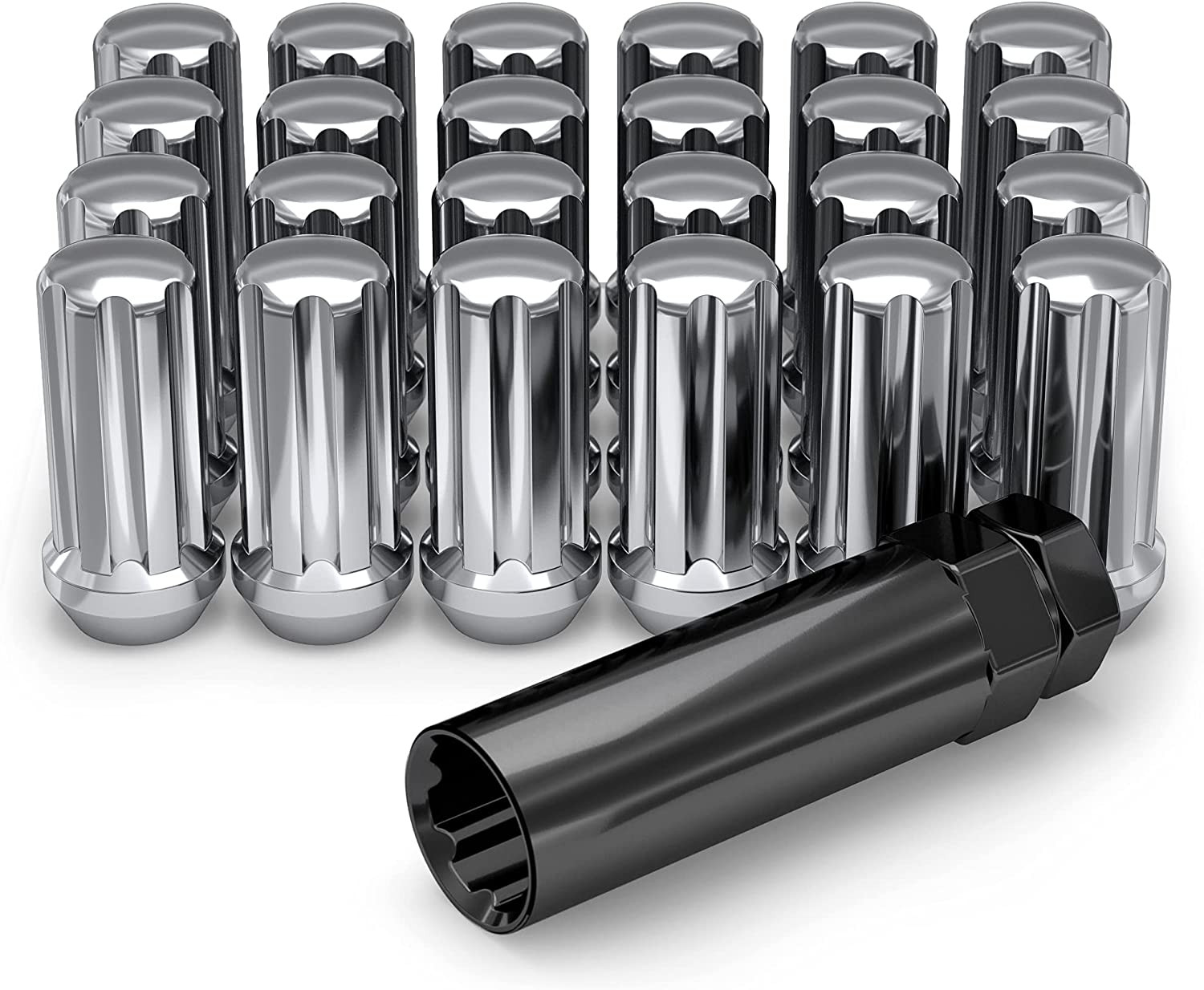
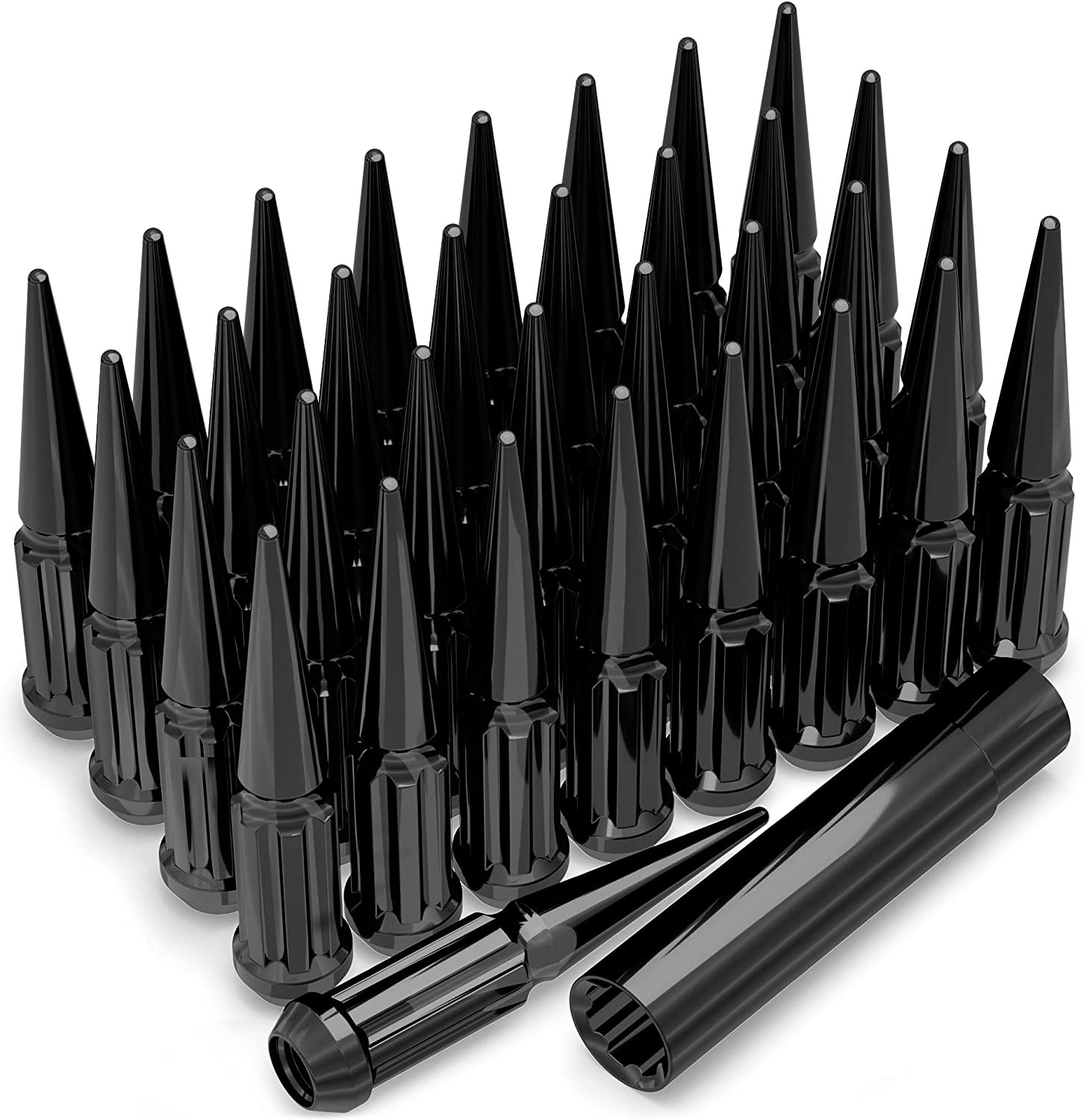
- Check whether the wheel accepts the required M14 x 1.5 fasteners and whether the lug-seat shape matches the wheel.
- Confirm tire load index, speed rating, section width, aspect ratio, and overall diameter for the truck's use.
- Check inner sidewall clearance at full steering lock and suspension compression, not only with the truck parked on level ground.
- Verify that the tire does not contact the fender liner, mud flap, control arm, sway bar, frame, or other components.
- Do not assume that a wheel from another GMC, Chevrolet, or truck is compatible without checking every measurement and the vehicle-specific brake and load requirements.
Plus Sizing And Common Upgrades
Plus sizing means fitting a larger wheel diameter with a lower-aspect-ratio tire so the overall tire diameter remains close to the original setup. It can change steering response, ride comfort, impact resistance, road noise, cost, and wheel damage risk.
The supplied information includes both a 20-inch wheel specification and a 255/70R17 tire reference. Because those rim diameters do not match, do not use them together as a single tire and wheel package. Start with the tire size printed on the vehicle's sidewall and the recommended sizes listed for your specific truck, then use the calculator to compare alternatives.
Changing wheel offset or width can move the tire inward toward suspension parts or outward toward the fender. A larger tire can also affect clearance, speedometer accuracy, traction-control behavior, and drivetrain loading. Any upgrade should be checked at full steering lock and through the suspension's usable travel.
Installation Tips
- Inspect the wheel, hub face, studs, nuts, and mounting surfaces before installation. Remove rust, dirt, paint buildup, and debris that could prevent the wheel from seating flat.
- Install only fasteners with the correct thread size, seat type, length, and torque specification for the wheel and vehicle.
- Start every lug nut by hand to avoid cross-threading.
- Tighten lug nuts in a star or crisscross pattern, then use a calibrated torque wrench to apply the vehicle or wheel manufacturer's specification.
- Never use an impact wrench as the final torque method unless the manufacturer specifically approves that procedure.
- After installation, rotate the steering from lock to lock and inspect for contact. If possible, check clearance with the suspension loaded and unloaded.
- Recheck lug nut torque after the first short drive and again according to the wheel manufacturer's instructions.
- Set tire pressure using the vehicle placard as the starting reference, then check for warning lights, vibration, pulling, or rubbing.
Tools And Helpful Supplies
A torque wrench, correctly sized socket, wheel chocks, jack, and jack stands rated for the truck are basic equipment for a safe wheel change. Use the owner's manual for approved lifting points and never work beneath a vehicle supported only by a jack.
Helpful supplies can include a wire brush for cleaning the hub face, a tire pressure gauge, a tread-depth gauge, and a hub-centric ring set only when the wheel and ring manufacturer confirm the correct dimensions.
FAQs
What is the known bolt pattern for the 2020 GMC Sierra 1500?
The provided bolt pattern is 6x139.7. Confirm the vehicle-specific wheel package before ordering, because bolt pattern alone does not establish complete fitment.
What center bore is listed for this truck?
The provided center bore is 78.1 mm. A replacement wheel with a smaller center bore will not fit over the hub. A larger bore may need correctly sized hub-centric rings when appropriate.
What lug thread size is provided?
The known thread size is M14 x 1.5. The lug nut seat and overall fastener compatibility must also match the replacement wheel.
Why does the supplied information show both a 20-inch wheel and a 17-inch tire rim diameter?
Those values describe different rim diameters and should not be treated as one complete wheel and tire combination. Confirm the actual tire sidewall marking, wheel stamp, trim, and OEM records for the specific truck.
Can I install any 6x139.7 wheel on a 2020 GMC Sierra 1500?
No. The wheel must also have suitable center-bore compatibility, offset, width, brake clearance, load rating, spoke clearance, and lug-seat compatibility. Use the calculator for an initial comparison and perform a physical clearance check.
Will changing wheel offset cause rubbing?
It can. A lower or higher offset changes the wheel's position relative to the suspension and fender. Tire width, sidewall shape, ride height, steering angle, and suspension compression also affect rubbing, so inspect the complete assembly under operating conditions.
Does a larger wheel require a different tire?
Yes. The tire's rim diameter must match the wheel diameter. When increasing rim diameter, a lower aspect ratio may be needed to keep overall tire diameter near the original specification, but the correct size must be confirmed for the specific vehicle and use.
Are hub-centric rings always required?
No. Their use depends on the wheel's center bore and the hub interface. A wheel bore smaller than the hub will not fit, and rings must never be used to correct an incorrect bolt pattern or unsuitable wheel design.
Where should I confirm the final specification?
Check the driver's door-jamb tire and loading label, the owner's manual, the original wheel markings, and VIN-specific OEM parts information. Compare those records with the calculator before purchasing or installing wheels and tires.