2010 Dodge Challenger Wheel Interchange, Specs, and DIY Fitment Guide
Known OEM Fitment For 2010 Dodge Challenger
The following specifications are confirmed entries for the 2010 Dodge Challenger. Some trims used different factory wheel and tire packages in 2010, so values can vary by model and option package. Always verify what your specific car left the factory with by checking the door jamb tire placard and the owner’s manual, then use the on-page calculator to compare any potential changes.
| Bolt pattern | 5x115 |
| Center bore | 71.6 mm |
| Thread size | M14 x 1.5 |
| Wheel offset (ET) | 24 mm |
| Backspacing | 4.69 in |
| OEM rim diameter | 18 in |
| OEM rim width | 7.5 in |
| OEM tire size example | 215/65R17 |
Note that the table shows both an 18 inch wheel specification and a 215/65R17 tire size. This reflects the fact that different trims had different factory setups in 2010. If your car’s placard or manual does not match all of the above, trust your OEM documentation and use the calculator to model your exact configuration.
How To Use The Wheel Interchange Calculator
The calculator lets you compare a potential donor setup against your Challenger so you can preview clearance, diameter change, and offset effects before you buy.
Start by selecting Wheels from (donor vehicle). If you are manually entering a setup, use Custom wheel size to set rim diameter, rim width, and wheel offset. Then set Custom tire size to the section width and aspect ratio you are considering. Select Installed on (your vehicle) as a 2010 Dodge Challenger, and if needed, adjust to match the tire placard size from your door jamb. When you change rim diameter in the Custom wheel size, the calculator updates tire diameter in the comparison so you can see how overall height and clearance will change.
Focus on three things as you compare: total tire diameter change, inner clearance to the suspension and brakes, and outer poke relative to the fender. Keeping overall tire diameter close to stock helps maintain speedometer accuracy and ABS behavior. Use small offset changes and width increases to minimize rubbing risk.
Fitment Checklist Before You Buy
Confirm the fundamentals first, then use the calculator to fine tune:
1. Bolt pattern must be 5x115. Wheels drilled for other patterns are not a direct fit. Avoid relying on wobble bolts or re-drilling for safety reasons.
2. Center bore is 71.6 mm on the hub. A wheel with a larger center bore can be made hub-centric with rings sized to 71.6 mm at the inner diameter. A wheel with a smaller bore will not seat on the hub. Hub-centric fit helps reduce vibration.
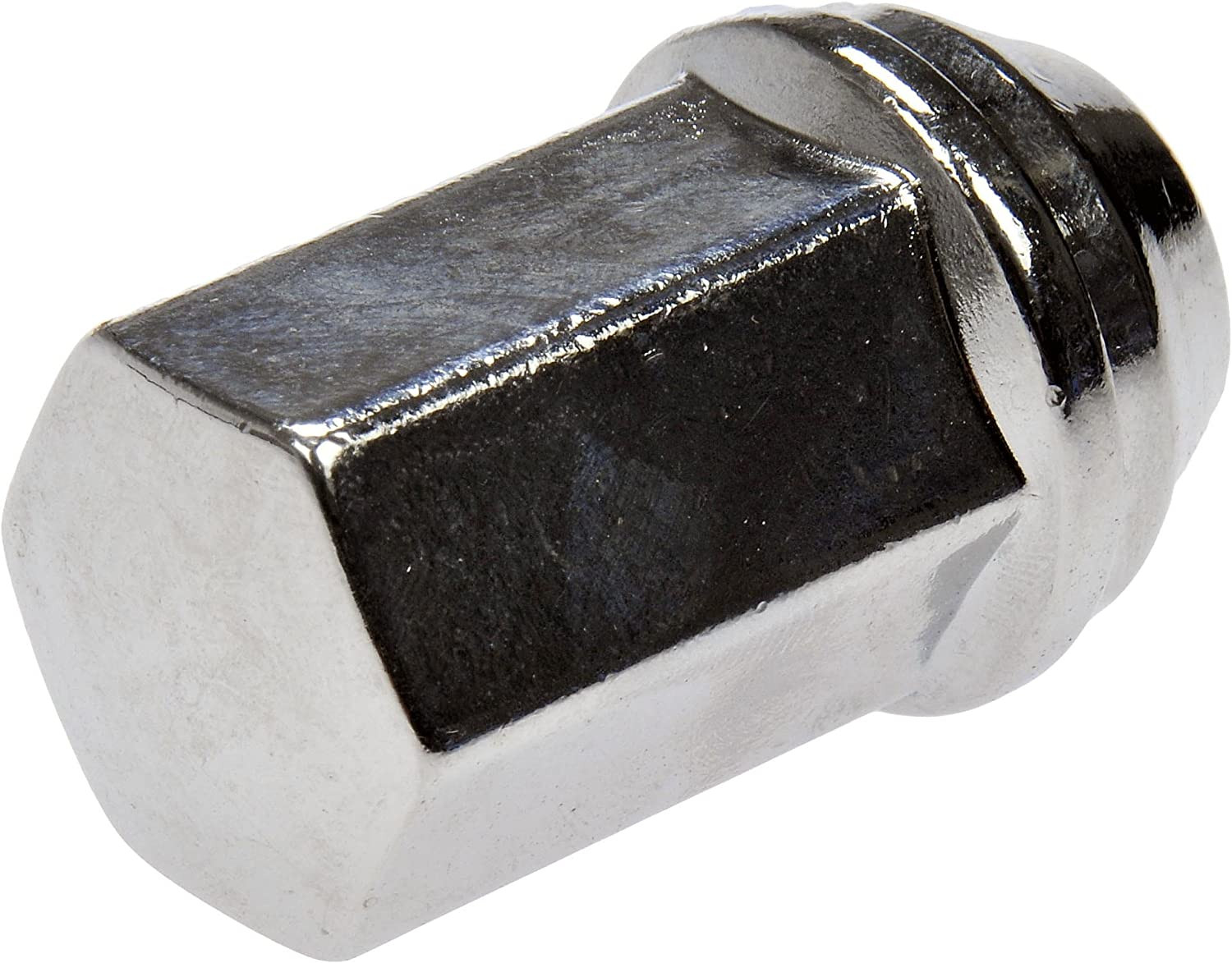
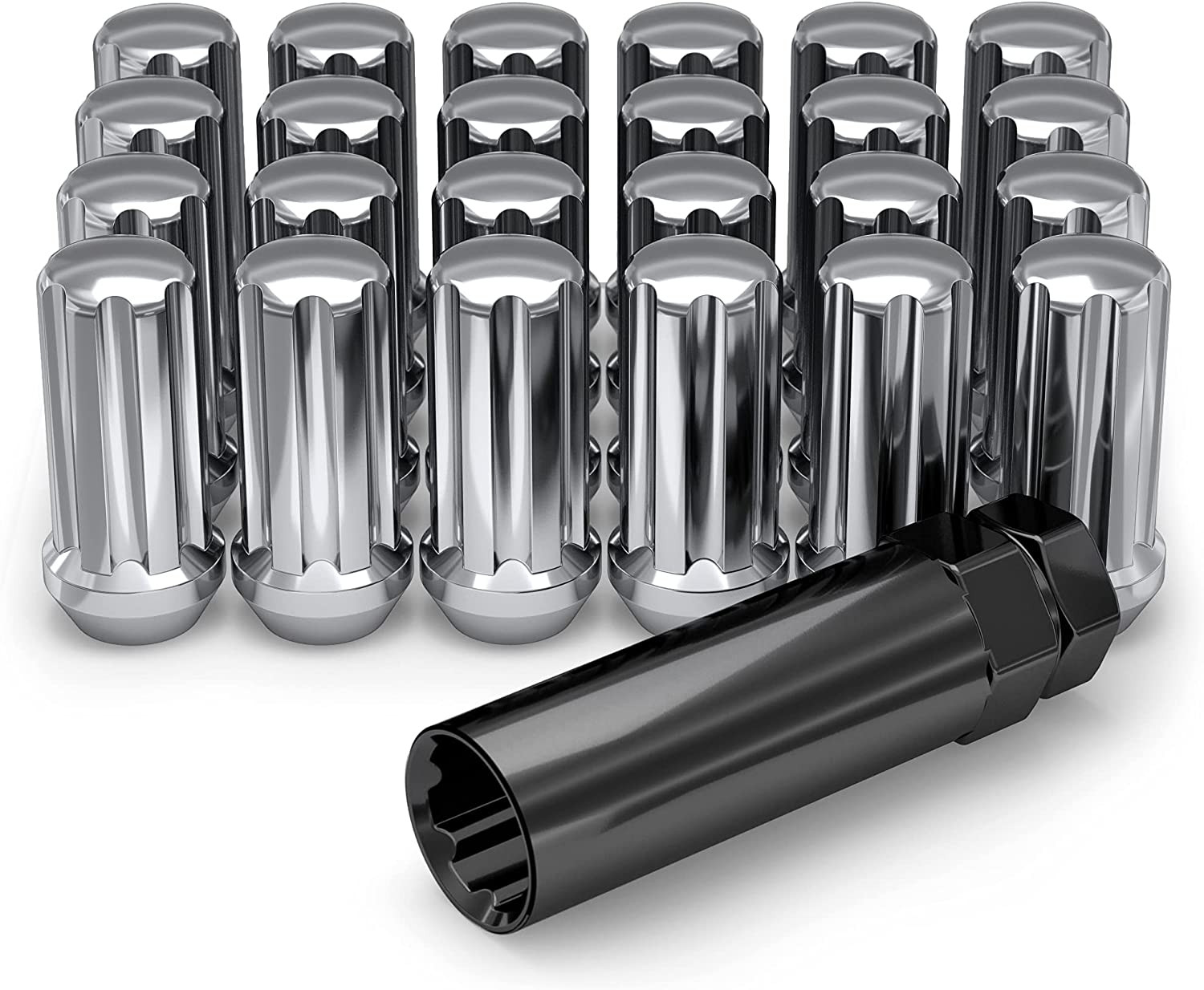
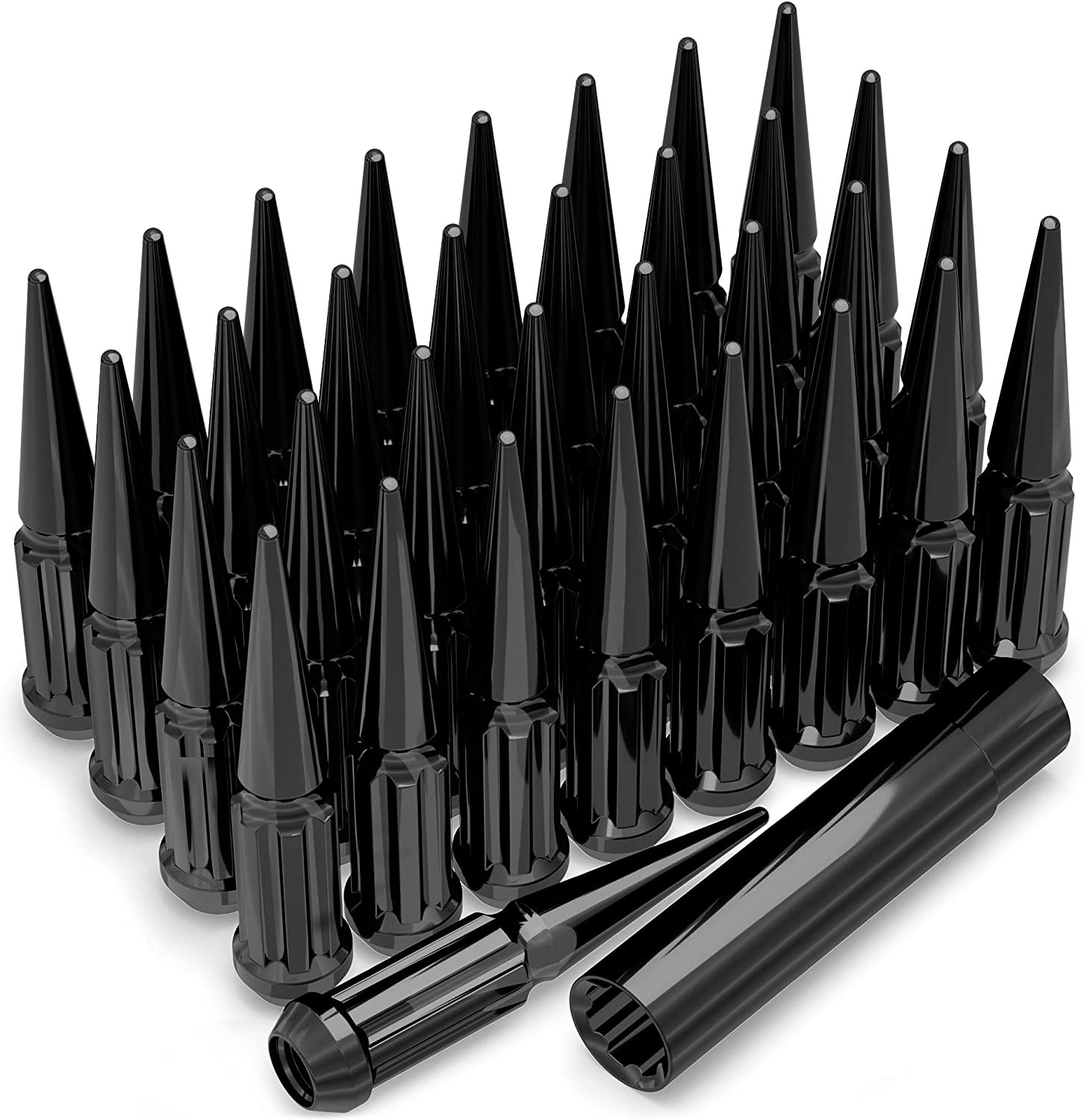
3. Thread size is M14 x 1.5. Lug nuts must match the thread and seat style required by the wheel. Many aftermarket wheels use 60 degree conical seats, while some OEM wheels use different seats. Do not mix seat styles.
4. Offset and backspacing should stay close to OEM values for your trim. The data above includes ET 24 mm and 4.69 in backspacing from known sources, but trims varied in 2010. Use the calculator to compare your current setup to any new wheel, watching inner clearance and outer poke.
5. Brake and suspension clearance must be verified. Inspect spoke shape and barrel clearance around calipers and knuckles. The calculator will estimate inner clearance changes, but you should also do a physical test fit when possible.
6. Fender and liner room at full lock and full compression must be checked. After modeling in the calculator, cycle the steering and suspension during test fit to confirm there is no rubbing on liners, fender lips, or splash shields.
Plus Sizing And Common Upgrades
Challenger owners often step up wheel diameter and width for stance and handling. Plus sizing increases rim diameter while choosing a lower profile tire so overall tire diameter stays near stock. For example, moving from a factory 17 or 18 inch package to a larger wheel with an appropriate lower profile tire can maintain similar overall diameter. Use the calculator to:
- Set your current OEM size from the door placard as the baseline in Installed on (your vehicle).
- Enter your desired rim diameter, width, and offset under Custom wheel size.
- Enter a Custom tire size whose overall diameter remains close to stock. The calculator shows diameter differences and clearances in real time.
Wider wheels increase grip potential but push the tire sidewalls inward and outward relative to the hub. Small offset adjustments can re-center the tire, but large changes may reduce inner clearance or cause fender poke. Always verify brake clearance and fender room before committing.
Installation Tips
Clean the hub face and the wheel mounting pad so the wheel seats flat. If your new wheel has a larger center bore than 71.6 mm, install the correct hub-centric rings before mounting. Hand thread the M14 x 1.5 lug nuts and use the correct seat style for the wheel. Tighten in a star pattern in multiple passes. Do not lubricate the lug nut seats or studs unless specified by the wheel or vehicle manufacturer. After a short drive, recheck torque on all lugs. Always follow the torque specification in your owner’s manual or service manual for your exact trim and wheel type.
Tools And Helpful Supplies
FAQs
What is the bolt pattern on the 2010 Dodge Challenger?
The known bolt pattern is 5x115. Verify against your VIN build data or the factory documentation if you suspect your vehicle has non-standard components.
Do I need hub-centric rings for aftermarket wheels?
If the wheel’s center bore is larger than 71.6 mm, use rings that reduce the wheel bore to 71.6 mm for a hub-centric fit. If the wheel’s bore is exactly 71.6 mm, rings are not required. A wheel with a smaller bore will not fit over the hub.
Can I run 5x114.3 wheels on a 5x115 hub?
They are not a direct fit. Adapters or hardware intended to force a fit can create safety issues. Stick to 5x115 or consult a professional about vehicle-specific adapter solutions and their implications for offset, thread engagement, and load rating.
What is the factory tire size for 2010?
Factory sizes varied by trim in 2010. A confirmed example is 215/65R17. Other trims used different wheel and tire packages. Check the tire placard on your door jamb for the exact OEM size for your car, then set that as the baseline in the calculator.
What offset should I choose for aftermarket wheels?
A known OEM offset in the data is ET 24 mm, but trims varied. Use your current wheel as the baseline in the calculator, then adjust offset in small steps to keep inner clearance safe and outer poke within the fender. When in doubt, stay close to the OEM offset for your trim.
How much overall tire diameter change is acceptable?
Keeping overall diameter close to stock helps maintain speedometer and ABS behavior. Use the calculator to compare your proposed tire size to stock and aim for minimal change. If you need an exact threshold, follow OEM and tire manufacturer guidance.
Do I need new lug nuts for my new wheels?
You must match both the thread size M14 x 1.5 and the correct seat profile for the wheel. Many aftermarket wheels require conical seat nuts. Never reuse OEM nuts if the seat style differs from the new wheel.
Is the backspacing value in the table correct for all trims?
The listed 4.69 in backspacing is a known entry but 2010 trims used multiple packages. Backspacing and offset can differ with wheel width and design. Verify your current wheel’s specs and use the calculator to compare any new wheel before purchase.