2014 Dodge Challenger Wheel Fitment Guide
Known OEM Fitment For 2014 Dodge Challenger
The following specifications are the known OEM fitment values available for the 2014 Dodge Challenger. Fitment can vary by trim, brake package, wheel design, and replacement parts, so confirm the original wheel and tire information on the vehicle before ordering.
| Specification |
Known value |
| Bolt pattern, studs x PCD |
5x115 |
| Center bore |
71.6 mm |
| Thread size |
M14 x 1.5 |
| Rim diameter |
18 inches |
| Rim width |
7.5 inches |
| Wheel offset |
ET24 |
| Backspacing |
4.69 inches |
| Tire section width |
235 mm |
| Tire aspect ratio |
55 |
| Tire rim diameter |
R18 |
These values identify the known wheel and tire dimensions, but they do not by themselves prove that every 5x115 wheel will fit. The wheel must also clear the brake assembly, suspension, hub, and bodywork. Verify trim-specific information in the owner’s manual, the factory service information, the tire placard, or an authorized Dodge parts source.
How To Use The Wheel Interchange Calculator
Use the calculator to compare a donor vehicle wheel with the 2014 Dodge Challenger. Enter the donor vehicle in “Wheels from” and the Challenger in “Installed on.” Review the difference in bolt pattern, center bore, wheel width, diameter, and offset before considering a purchase.
You can also select “Custom wheel size” to test a specific rim diameter, width, and offset. Use “Custom tire size” to enter the tire section width and aspect ratio. When you change the rim diameter, the calculator updates the tire diameter in the comparison, which helps you evaluate overall rolling diameter and clearance changes.
A calculator is a screening tool, not a substitute for a physical test fit or OEM confirmation. A result that appears close still requires inspection of brake clearance, hub seating, lug engagement, tire clearance, and load rating.
Fitment Checklist Before You Buy
Start by confirming the 5x115 bolt pattern and the M14 x 1.5 thread size. Do not force a wheel with a different pattern onto the studs. Confirm that the wheel’s center bore is at least 71.6 mm and that any hub-centric ring is correctly sized if the wheel has a larger bore. A smaller center bore will not seat over the hub.
Compare the proposed wheel width and offset with the known 7.5-inch width and ET24 value. Offset changes can move the wheel toward the suspension or outward toward the fender. Check the actual wheel design because spoke shape and barrel contour can affect brake clearance even when the basic dimensions appear suitable.
Confirm that the replacement tire has an appropriate load rating, speed rating, approved rim-width range, and overall diameter for the vehicle. Check for clearance with the steering fully turned and the suspension loaded. Never rely only on advertised vehicle compatibility.
Plus Sizing And Common Upgrades
Plus sizing normally means using a larger rim diameter with a lower-profile tire while keeping the overall tire diameter reasonably close to the original setup. The calculator can show how a custom rim and tire combination changes diameter, width, and related measurements, but it does not replace clearance checks.
A larger or wider wheel can change steering feel, ride comfort, curb vulnerability, suspension clearance, and fender clearance. A lower-profile tire may provide less sidewall protection from potholes. Before selecting an upgrade, compare the tire manufacturer’s approved rim-width range and verify the vehicle’s required load capacity.
Do not assume that a donor wheel from another vehicle is safe because it shares the 5x115 pattern. Center bore, offset, brake clearance, wheel load rating, lug-seat design, and tire size must all be checked. The available data does not establish a complete compatible-vehicle list.
Installation Tips
Inspect the wheel, hub face, studs, lug nuts, and tire before installation. Clean rust, dirt, and loose coatings from the mating surfaces without removing material from the hub or wheel. The wheel should sit flush against the hub with no rocking or visible gap.
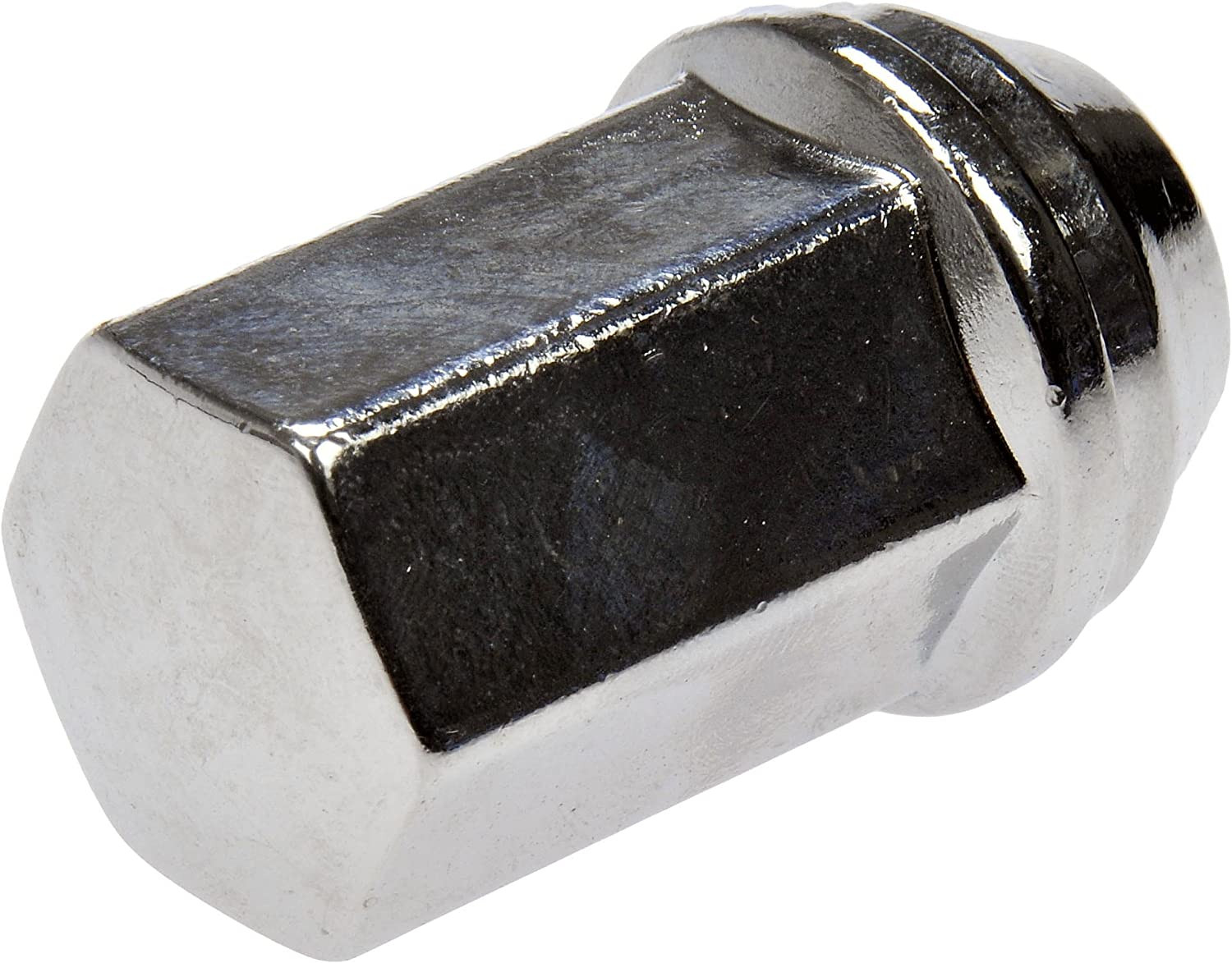
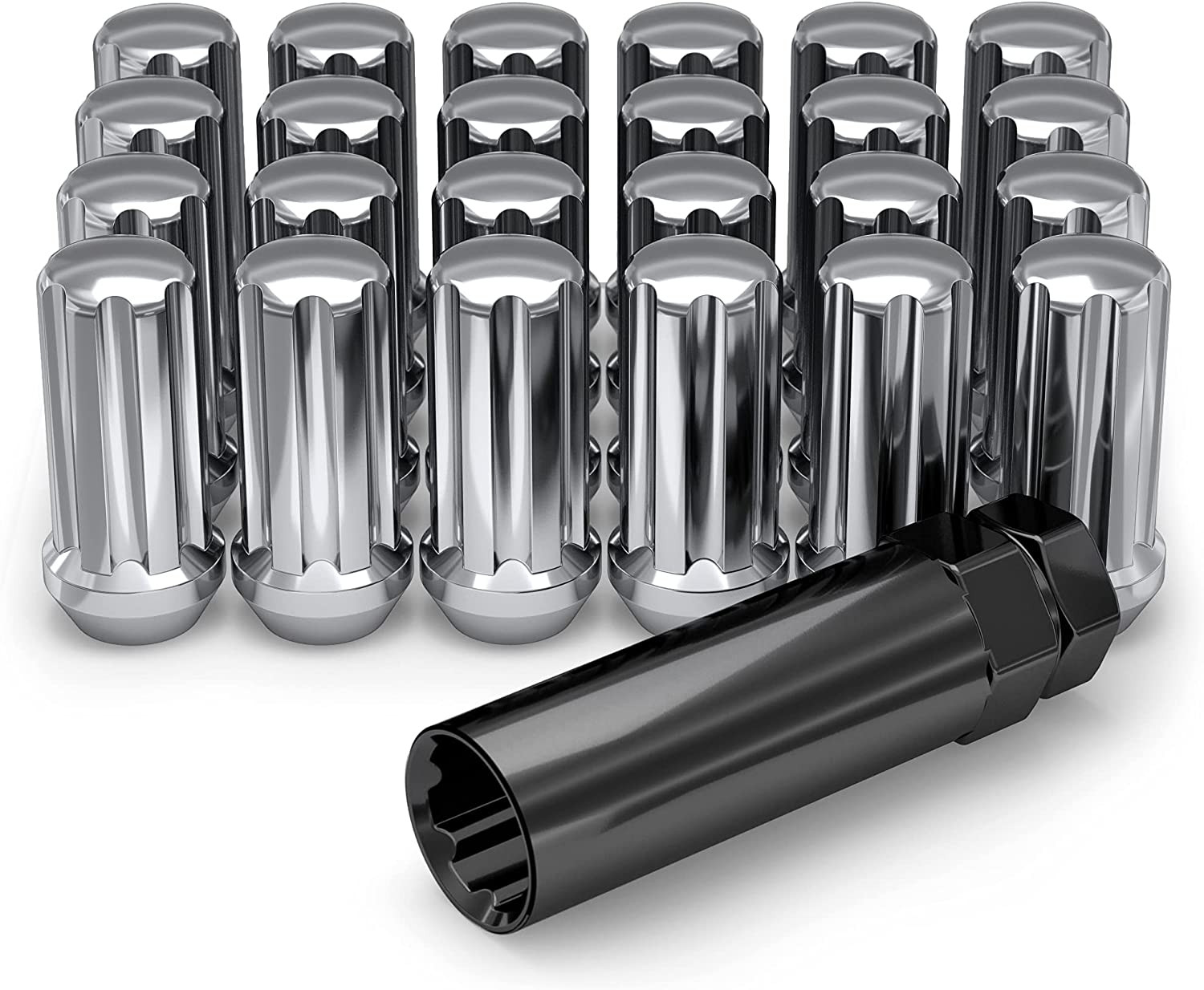
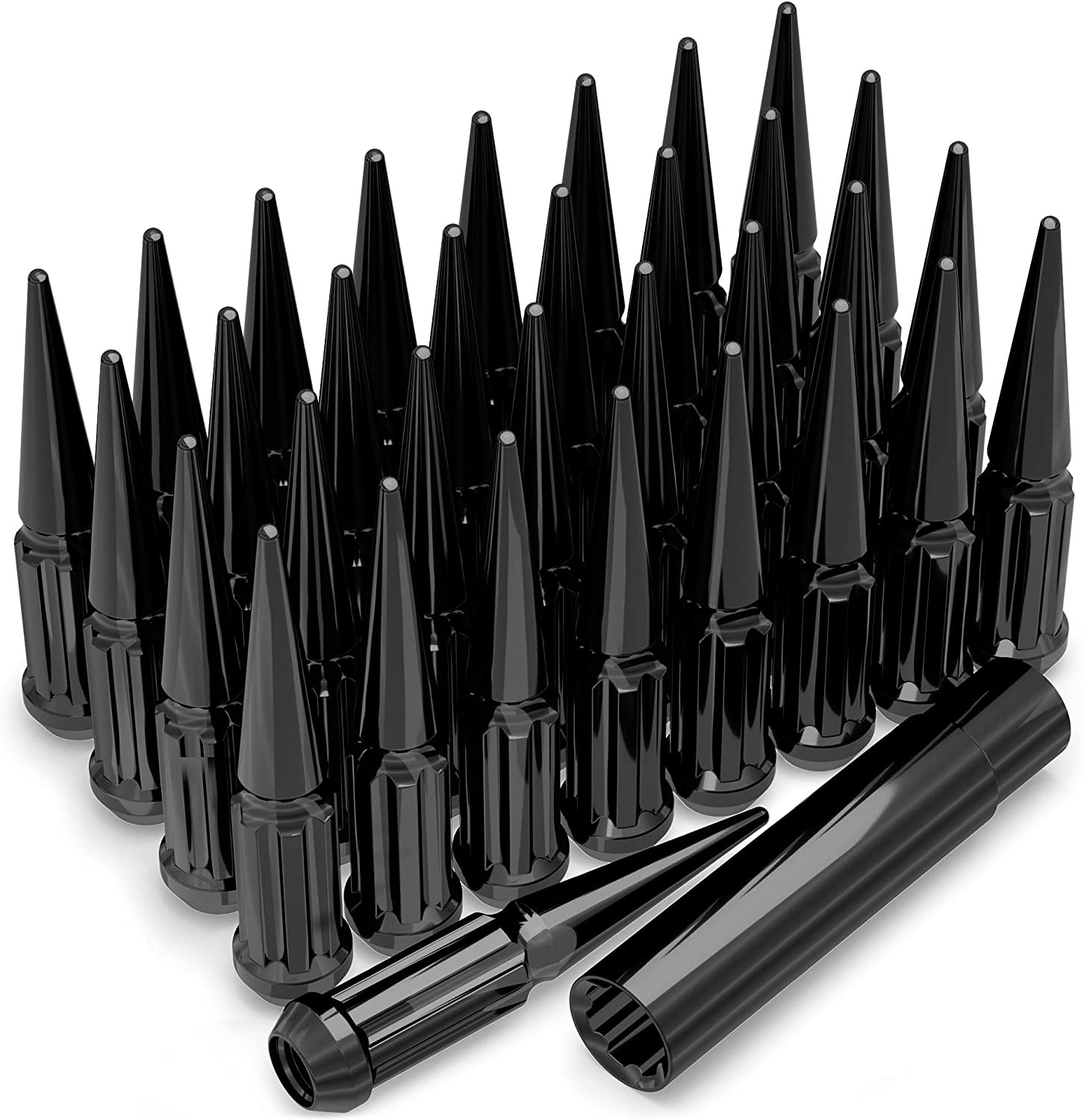
Use lug hardware that matches the wheel’s seat type and the vehicle’s M14 x 1.5 thread specification. Thread engagement, nut seating, and stud condition are safety-critical. Do not use impact tools to apply final torque unless the tool is specifically controlled for that purpose.
Install the wheel using the torque value specified by the Dodge owner’s manual or factory service information for the vehicle and hardware being used. Recheck lug torque after the first driving interval specified by the manufacturer or wheel supplier. After installation, check for vibration, rubbing, steering changes, and warning lights, and stop driving if a problem appears.
Tools And Helpful Supplies
A calibrated automotive torque wrench helps apply the manufacturer’s lug torque accurately. A socket that correctly fits the lug hardware, a jack and jack stands rated for the vehicle, wheel chocks, and a tire pressure gauge are also useful for safe installation.
A wheel clearance measuring tool can help document suspension and fender space, but measurements should be taken with the wheel properly positioned and should be confirmed through a careful test fit. Use the vehicle’s recommended lifting points and never work under a vehicle supported only by a jack.
FAQs
What is the bolt pattern for a 2014 Dodge Challenger?
The known bolt pattern is 5x115, meaning five studs arranged on a 115 mm pitch circle diameter.
What is the center bore?
The known center bore is 71.6 mm. A wheel with a smaller bore will not fit over the hub. A larger bore may require a correctly sized hub-centric ring, depending on the wheel and installation requirements.
What lug thread size is listed?
The known thread size is M14 x 1.5. Confirm the lug nut seat style and the exact hardware requirements for the replacement wheel before installation.
What is the known OEM wheel and tire size?
The available OEM values are an 18-inch diameter, 7.5-inch width wheel with ET24 offset and a 235/55R18 tire specification. Confirm the tire placard and vehicle-specific records because equipment can vary by trim or package.
Can any 5x115 wheel fit this Challenger?
No. The bolt pattern is only one part of fitment. Center bore, offset, width, brake clearance, wheel load rating, lug-seat design, and tire clearance must also be compatible.
How can I compare wheels from another vehicle?
Enter the donor vehicle under “Wheels from” and the 2014 Dodge Challenger under “Installed on” in the calculator. Review all available dimensions, then confirm the result with the donor wheel markings, OEM specifications, and a physical clearance check.
Does changing rim diameter affect the tire comparison?
Yes. In the calculator, changing the custom rim diameter updates the tire diameter in the comparison. The resulting tire size must still be checked for load rating, approved rim width, rolling diameter, and physical clearance.
Where can I confirm a trim-specific specification?
Check the tire and loading information label, owner’s manual, factory service information, original wheel markings, or an authorized Dodge parts source. If those sources disagree with a general listing, use the vehicle-specific OEM information as the reference.