2009 Dodge Charger Wheel Fitment, Bolt Pattern, Offset Guide
Known OEM Fitment For 2009 Dodge Charger
Factory wheel and tire specs on the 2009 Dodge Charger vary by trim and brake package. Only use the values that match your vehicle’s door-jamb tire placard and owner’s manual. If your car shows different sizes than listed below, use your actual OEM size as the baseline in the calculator.
| Bolt pattern | 5x115 |
| Center bore | 71.6 mm |
| Thread size | M14 x 1.5 |
| One OEM wheel size | 18 x 7.5 |
| OEM wheel offset | ET 24 mm |
| Backspacing | 4.69 in |
| One OEM tire size | 215/65R17 |
Notes:
• The 18 inch wheel and the 215/65R17 tire reflect different factory configurations. Many Chargers were delivered with 17 or 18 inch wheels. Verify your exact OEM size on the driver-door placard and use that as the “Installed on” baseline in the calculator.
• Published backspacing can vary based on how rim width is measured and rounding. If you are comparing wheels by backspacing, confirm with the calculator or by measuring an in-hand wheel.
How To Use The Wheel Interchange Calculator
The calculator lets you compare “Wheels from” a donor vehicle to what will be “Installed on” your 2009 Charger. It also allows manual entry of custom wheel width, diameter, and offset, plus tire section width and aspect ratio. When you change rim diameter, the tool updates tire diameter in the comparison so you can keep overall diameter in check.
Quick steps:
1) Set “Installed on” to 2009 Dodge Charger and enter your actual OEM tire size and wheel specs from the door placard and wheel markings. If your placard lists a 17 inch tire, enter that. If it lists an 18 inch wheel, enter that instead.
2) If you have a potential donor vehicle, select it under “Wheels from” to see baseline differences. Otherwise, use “Custom wheel size” and “Custom tire size” to try options.
3) Watch inner clearance to suspension and brakes, outer “poke” relative to fenders, and overall tire diameter change. As a rule of thumb, keep overall diameter within about 3 percent of OEM to maintain speedometer accuracy and ABS behavior.
4) Fine-tune offset to balance inner and outer clearance. More positive offset moves the wheel inboard. Less positive offset moves it outward. Each 1 mm of offset change shifts the wheel face about 1 mm.
5) Before buying, confirm brake caliper clearance and hub bore needs. Your Charger’s hub bore is 71.6 mm. If an aftermarket wheel has a larger bore, plan for hub-centric rings sized 71.6 mm inner diameter to your wheel’s outer bore.
Fitment Checklist Before You Buy
Use this list with the calculator and your OEM data.
- Bolt pattern: must be 5x115. Do not force-fit 5x114.3 without a proper bolt-pattern adapter designed for the load.
- Center bore: vehicle hub is 71.6 mm. If the wheel bore is larger, use hub-centric rings. If it is smaller, the wheel will not seat.
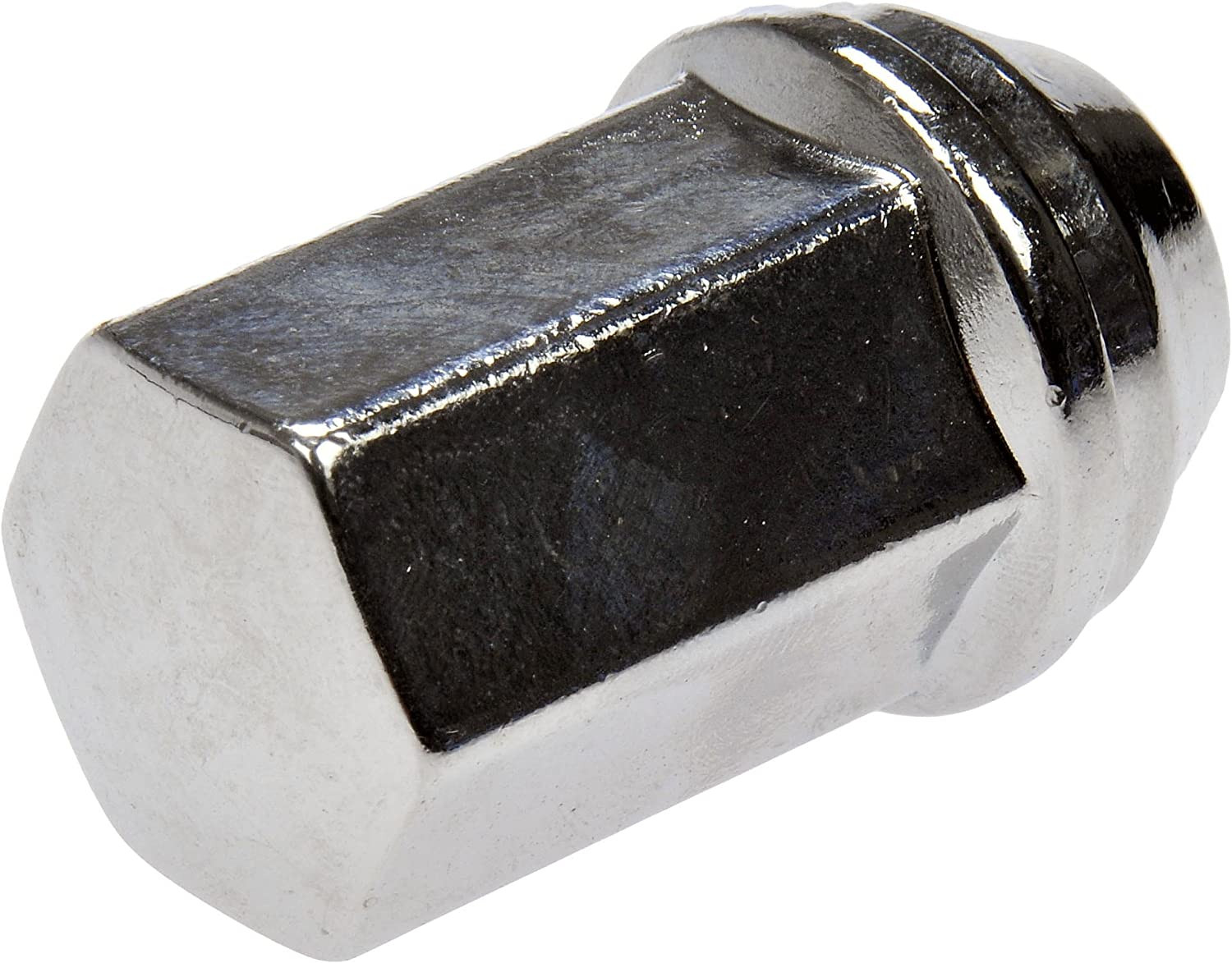
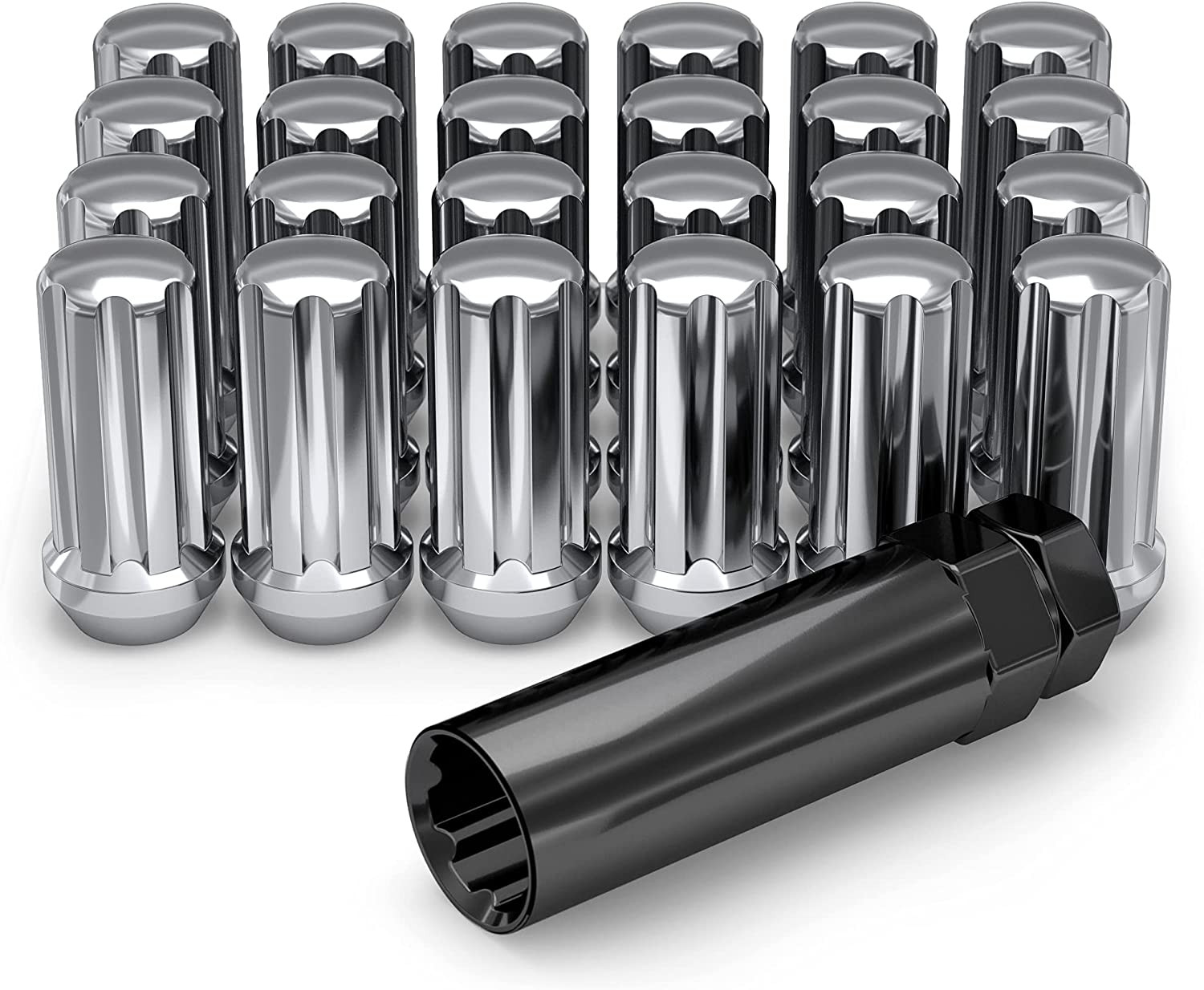
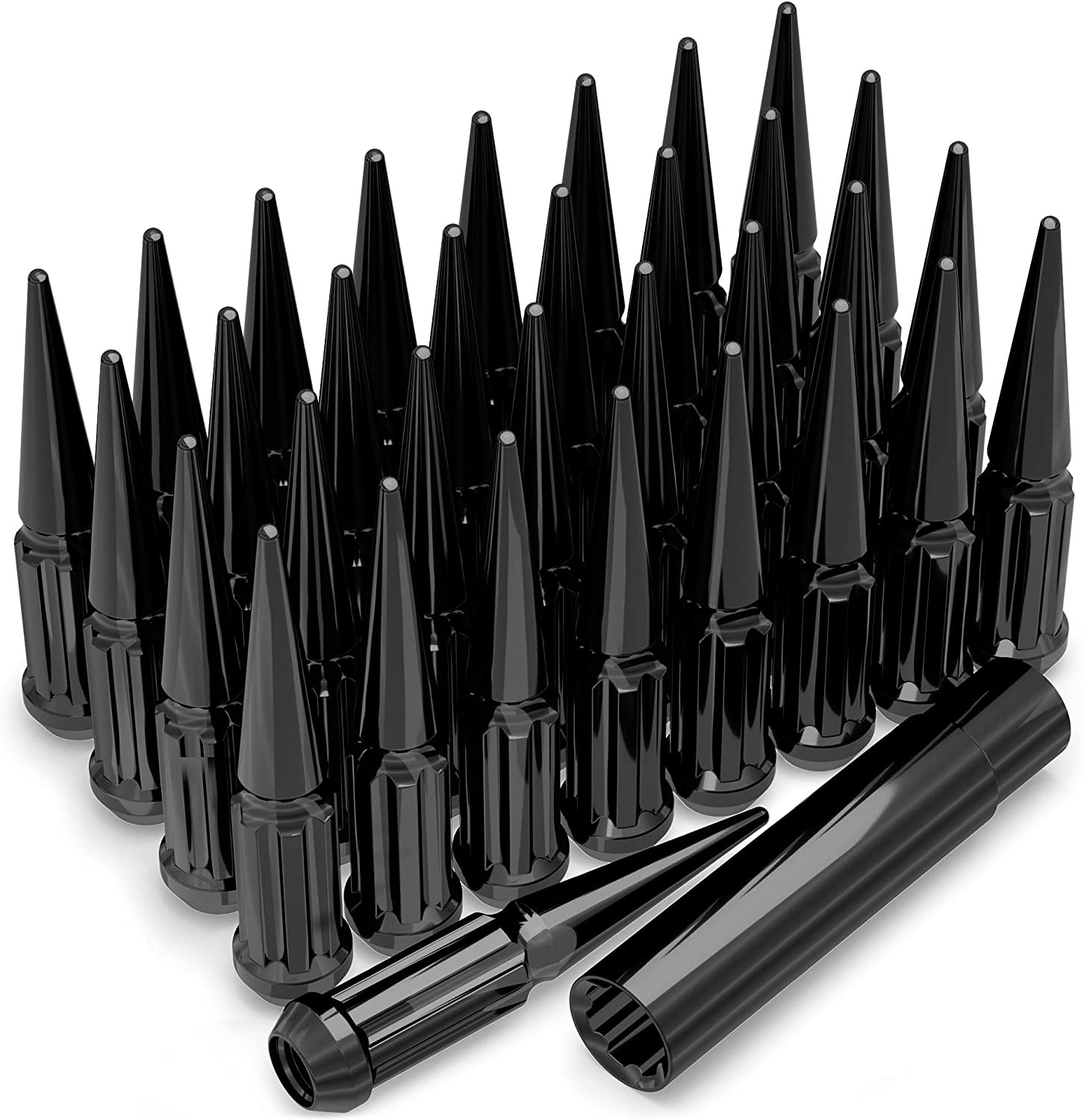
- Lug nuts and threads: M14 x 1.5. Verify lug-seat style (conical, ball, or mag) required by the wheel. Do not mix seat styles.
- Offset and backspacing: compare to an OEM reference such as 18x7.5 ET24. Confirm inner clearance to strut, knuckle, and brake caliper, and outer clearance to fender/liner.
- Tire diameter: keep overall diameter close to stock. The calculator shows the percent change and the speedometer impact.
- Load and speed ratings: tires and wheels must meet or exceed OEM load index and speed rating for your trim.
- TPMS: plan for sensors and relearn steps. Valve type must be compatible with the wheel.
- Spacers/adapters: only hub-centric, high quality components with proper stud engagement. Recalculate offset if you add spacers.
- Brake package differences: larger rotors and calipers change minimum wheel diameter and spoke clearance. Visually test-fit when possible.
Plus Sizing And Common Upgrades
Plus sizing increases wheel diameter and typically uses a lower-profile tire to keep overall diameter near stock. For example, moving from a 17 inch OEM package to an 18 or larger wheel is common, but the correct tire size depends on your original tire diameter. Use the calculator to keep overall diameter within about 0 to 3 percent of your OEM value.
Guidelines:
• Width: a wider wheel can improve grip, but check both inner and outer clearance. Half of any added width moves inward and half outward, then offset adjustments shift the entire assembly.
• Offset: small changes have big effects on clearance. If you reduce offset to push the wheel outward, confirm fender clearance during compression and steering. If you increase offset, ensure the tire does not rub the strut or control arm.
• Ride and protection: lower-profile tires sharpen steering but reduce impact compliance and rim protection. Pothole-prone areas favor conservative plus sizes.
• Speedometer and ABS: the closer you keep overall tire diameter to stock, the less impact on speedometer and stability systems.
Installation Tips
Work on a cool vehicle, use proper jack points, and support the car with stands on solid ground. Test-fit each front wheel to confirm caliper clearance before mounting tires if you are uncertain about spoke clearance.
Clean the hub face and the wheel mounting pad to remove rust and debris. If the wheel bore is larger than 71.6 mm, install the correct hub-centric ring fully seated. Hand-start lug nuts to avoid cross-threading the M14 x 1.5 studs. Tighten in a crisscross pattern and torque to the specification in your owner’s manual or service information. Re-torque after 50 to 100 miles. Verify that TPMS sensors are installed and perform any required relearn procedure.
Tools And Helpful Supplies
If your aftermarket wheels have a larger bore than 71.6 mm, you may also need hub-centric rings sized 71.6 mm inner diameter to match your wheel’s outer bore. Match the outer diameter to the wheel maker’s published bore.
FAQs
What is the 2009 Dodge Charger bolt pattern?
It is 5x115.
What is the center bore?
The vehicle hub bore is 71.6 mm. Use hub-centric rings if your wheel has a larger bore.
What lug nuts does it use?
Thread size is M14 x 1.5. Always match the lug-seat style to the wheel design. Do not mix conical and ball seats.
What offset fits my Charger?
One OEM reference is ET 24 mm on a 18x7.5 wheel. Other trims may differ. A universal “fits all” offset is not provided. Use the calculator with your exact OEM baseline and measure both inner and outer clearances on your car.
Can I run 5x114.3 wheels on a 5x115 Charger?
This is not recommended. If pursued, only use quality hub-centric, bolt-pattern–correcting adapters and verify clearances and stud engagement. Mixing patterns or using wobble hardware can compromise safety.
Do I need hub-centric rings?
If the wheel bore is larger than 71.6 mm, rings are recommended to help center the wheel and reduce vibration. If the wheel bore is smaller, the wheel will not fit.
What wheel torque should I use?
Torque values can vary by wheel and trim. Refer to your owner’s manual or OEM service information. Do not guess. Re-torque after 50 to 100 miles.
My car has 17 inch OEM tires. Can I upgrade to 18s?
Many configurations allow it, but clearances and brake package differences matter. Use the calculator to match overall diameter and verify offset and brake caliper clearance. Confirm with OEM parts information or a physical test-fit before purchasing.