2022 Dodge Challenger Wheel Interchange

OEM wheel and tire fitment specs for the 2022 Dodge Challenger, including bolt pattern (PCD), center bore diameter, thread size, rim diameter, rim width, wheel offset, and backspacing.

2022 Dodge Challenger Fitment Specs

Baseline mounting dimensions used for interchange decisions.

Bolt Pattern5x115
Center Bore71.6 mm
Lug ThreadM14 x 1.5
OEM Wheel Sizes18" – 21"
OEM Widths7.5" – 9"
OEM Offset Range20 mm – 55 mm

Multiple OEM configurations exist for this vehicle. Fitment can vary by trim, brakes, and factory wheel package – confirm your exact setup before buying.

Wheels That Interchange With a 2022 Dodge Challenger

Results are evaluated from bolt pattern, center bore direction, OEM width/offset envelope, and lug hardware – not bolt pattern alone.

Direct Fit

  • Bolt pattern5x115 · Match
  • Center bore71.6 mm · Match
  • Wheel geometryCompatible with OEM envelope

Geometry within known OEM envelope (approx. outer change -22.03 mm, inner change 2.98 mm vs mid OEM).

  • Bolt pattern5x115 · Match
  • Center bore71.6 mm · Match
  • Wheel geometryCompatible with OEM envelope

Geometry within known OEM envelope (approx. outer change -22.03 mm, inner change 2.98 mm vs mid OEM).

  • Bolt pattern5x115 · Match
  • Center bore71.6 mm · Match
  • Wheel geometryCompatible with OEM envelope

Geometry within known OEM envelope (approx. outer change 2.98 mm, inner change -22.03 mm vs mid OEM).

  • Bolt pattern5x115 · Match
  • Center bore71.6 mm · Match
  • Wheel geometryCompatible with OEM envelope

Geometry within known OEM envelope (approx. outer change 2.98 mm, inner change -22.03 mm vs mid OEM).

  • Bolt pattern5x115 · Match
  • Center bore71.6 mm · Match
  • Wheel geometryCompatible with OEM envelope

Geometry within known OEM envelope (approx. outer change 2.98 mm, inner change -22.03 mm vs mid OEM).

  • Bolt pattern5x115 · Match
  • Center bore71.6 mm · Match
  • Wheel geometryCompatible with OEM envelope

Geometry within known OEM envelope (approx. outer change 2.98 mm, inner change -22.03 mm vs mid OEM).

  • Bolt pattern5x115 · Match
  • Center bore71.6 mm · Match
  • Wheel geometryCompatible with OEM envelope

Geometry within known OEM envelope (approx. outer change 2.98 mm, inner change -22.03 mm vs mid OEM).

  • Bolt pattern5x115 · Match
  • Center bore71.6 mm · Match
  • Wheel geometryCompatible with OEM envelope

Geometry within known OEM envelope (approx. outer change 1.98 mm, inner change -21.03 mm vs mid OEM).

  • Bolt pattern5x115 · Match
  • Center bore71.6 mm · Match
  • Wheel geometryCompatible with OEM envelope

Geometry within known OEM envelope (approx. outer change 1.98 mm, inner change -21.03 mm vs mid OEM).

  • Bolt pattern5x115 · Match
  • Center bore71.6 mm · Match
  • Wheel geometryCompatible with OEM envelope

Geometry within known OEM envelope (approx. outer change 1.98 mm, inner change -21.03 mm vs mid OEM).

  • Bolt pattern5x115 · Match
  • Center bore71.6 mm · Match
  • Wheel geometryCompatible with OEM envelope

Geometry within known OEM envelope (approx. outer change 1.98 mm, inner change -21.03 mm vs mid OEM).

  • Bolt pattern5x115 · Match
  • Center bore71.6 mm · Match
  • Wheel geometryCompatible with OEM envelope

Geometry within known OEM envelope (approx. outer change 1.98 mm, inner change -21.03 mm vs mid OEM).

  • Bolt pattern5x115 · Match
  • Center bore71.6 mm · Match
  • Wheel geometryCompatible with OEM envelope

Geometry within known OEM envelope (approx. outer change 1.98 mm, inner change -21.03 mm vs mid OEM).

  • Bolt pattern5x115 · Match
  • Center bore71.6 mm · Match
  • Wheel geometryCompatible with OEM envelope

Geometry within known OEM envelope (approx. outer change 21.03 mm, inner change -1.98 mm vs mid OEM).

  • Bolt pattern5x115 · Match
  • Center bore71.6 mm · Match
  • Wheel geometryCompatible with OEM envelope

Geometry within known OEM envelope (approx. outer change 2.98 mm, inner change -22.03 mm vs mid OEM).

  • Bolt pattern5x115 · Match
  • Center bore71.6 mm · Match
  • Wheel geometryCompatible with OEM envelope

Geometry within known OEM envelope (approx. outer change 2.98 mm, inner change -22.03 mm vs mid OEM).

  • Bolt pattern5x115 · Match
  • Center bore71.6 mm · Match
  • Wheel geometryCompatible with OEM envelope

Geometry within known OEM envelope (approx. outer change 2.98 mm, inner change -22.03 mm vs mid OEM).

  • Bolt pattern5x115 · Match
  • Center bore71.6 mm · Match
  • Wheel geometryCompatible with OEM envelope

Geometry within known OEM envelope (approx. outer change 2.98 mm, inner change -22.03 mm vs mid OEM).

  • Bolt pattern5x115 · Match
  • Center bore71.6 mm · Match
  • Wheel geometryCompatible with OEM envelope

Geometry within known OEM envelope (approx. outer change 2.98 mm, inner change -22.03 mm vs mid OEM).

  • Bolt pattern5x115 · Match
  • Center bore71.6 mm · Match
  • Wheel geometryCompatible with OEM envelope

Geometry within known OEM envelope (approx. outer change -10.68 mm, inner change 4.33 mm vs mid OEM).

  • Bolt pattern5x115 · Match
  • Center bore71.6 mm · Match
  • Wheel geometryCompatible with OEM envelope

Geometry within known OEM envelope (approx. outer change -10.68 mm, inner change 4.33 mm vs mid OEM).

  • Bolt pattern5x115 · Match
  • Center bore71.6 mm · Match
  • Wheel geometryCompatible with OEM envelope

Geometry within known OEM envelope (approx. outer change -10.68 mm, inner change 4.33 mm vs mid OEM).

  • Bolt pattern5x115 · Match
  • Center bore71.6 mm · Match
  • Wheel geometryCompatible with OEM envelope

Geometry within known OEM envelope (approx. outer change -10.68 mm, inner change 4.33 mm vs mid OEM).

Check Fitment

  • Bolt pattern5x115 · Match
  • Center bore71.6 mm · Match
  • Wheel geometryNot fully verified

Wheel width/offset data is incomplete.

Showing 24 of 36 evaluated donors. Same-model years are prioritized.

Dodge Challenger Years With Compatible Wheels

Only years with evidence-based interchange relationships are listed. Adjacent years are not assumed compatible.

Will Wheels From Another Vehicle Fit?

Compare a donor vehicle or custom wheel against this 2022 Dodge Challenger.

Compare

Compare wheel compatibility between two vehicles

Wheels from (donor vehicle)

Installed on (your vehicle)

Selected Car:

2022 Dodge Challenger

Compare Rims

Specification
Wheels from
Installed on
Result (Click it)
Bolt Pattern
Bolt Pattern
The total number of bolt holes and the diameter of the circle they form.
-
5x115
Center Bore
Center Bore
The hole in the center of the wheel that fits over the vehicle’s hub.
-
71.6 mm
Thread Size
Thread Size
The size and spacing of the threads on the bolts or nuts that hold the wheel in place.
-
M14 x 1.5
Rim Diameter
Rim Diameter
The wheel diameter in inches that determines which tire sizes will fit.
-
18"
Rim Width
Rim Width
The distance between the inner edges of the wheel is measured in inches.
-
7.5"
Wheel Offset
Wheel Offset
How far the wheel sits inward or outward relative to the hub mounting surface.
-
24 mm
Backspacing
Backspacing
Shows how much space the wheel takes up toward the inside of the vehicle.
-
-
Wheel Fasteners
Wheel Fasteners
The type of hardware used to secure the wheel to the vehicle.
-
-

Wheel Fitment Parts for the 2022 Dodge Challenger

Products below are matched to required fitment dimensions from our parts inventory. Confirm seat style, thickness, and clearance before ordering.

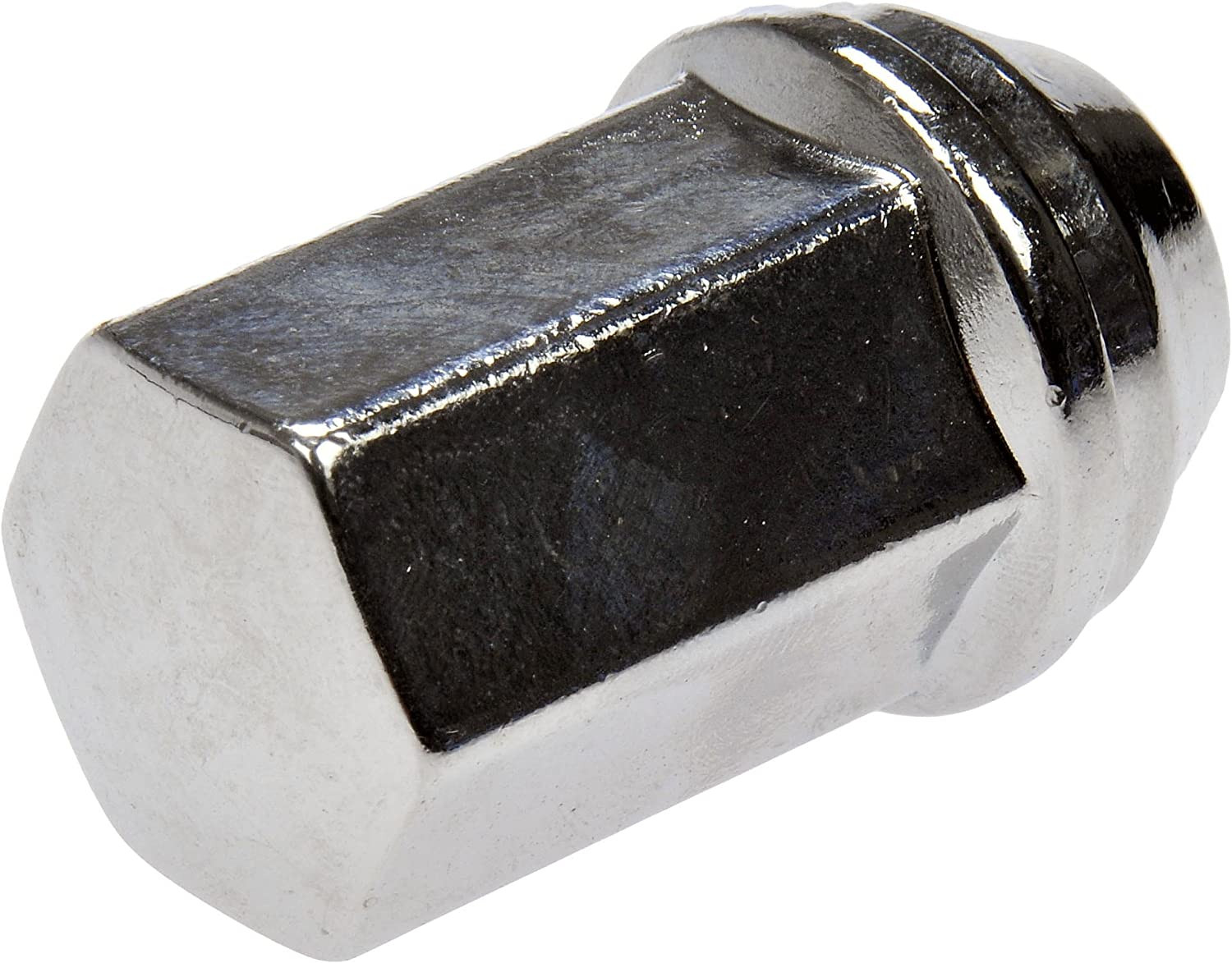
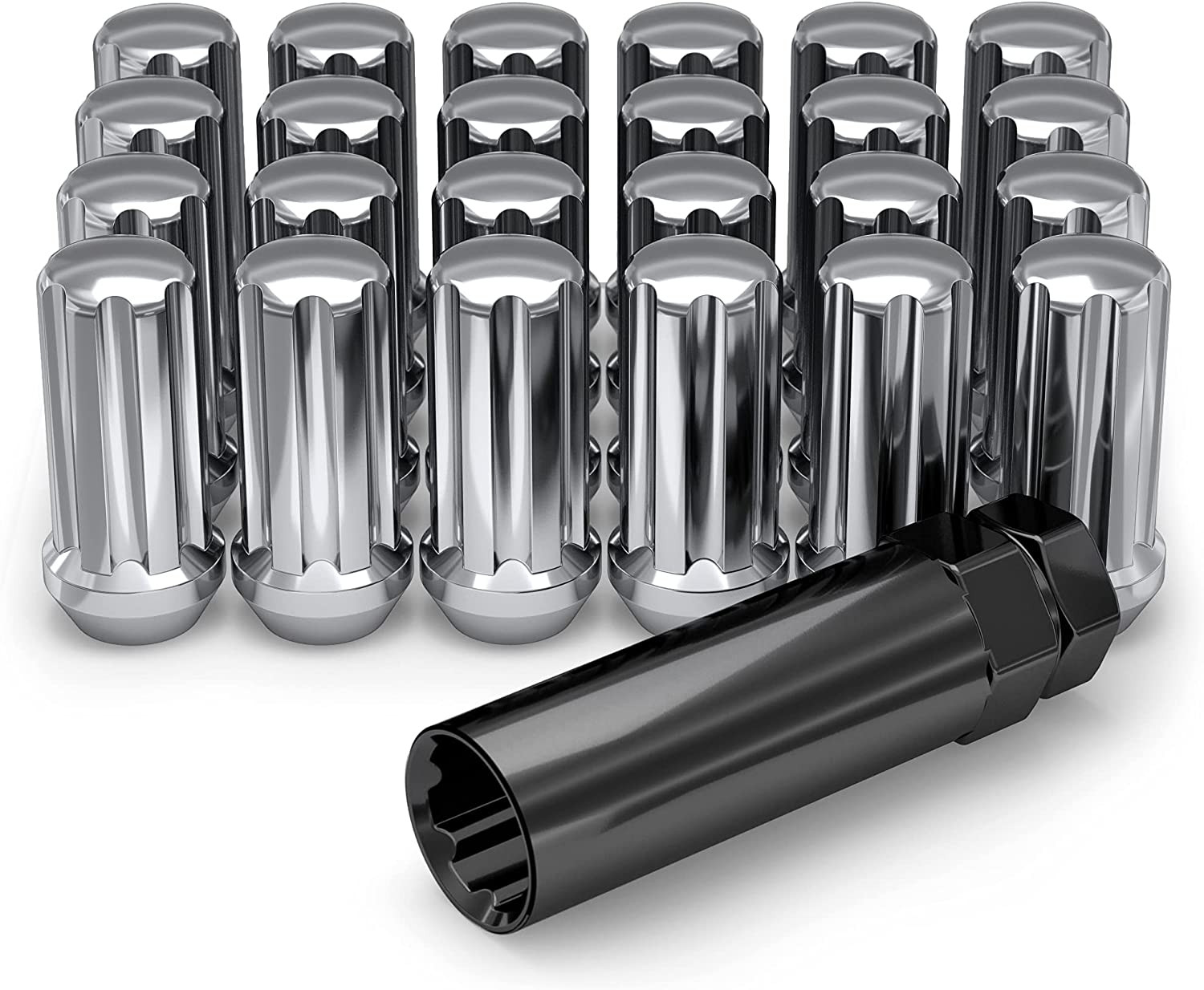
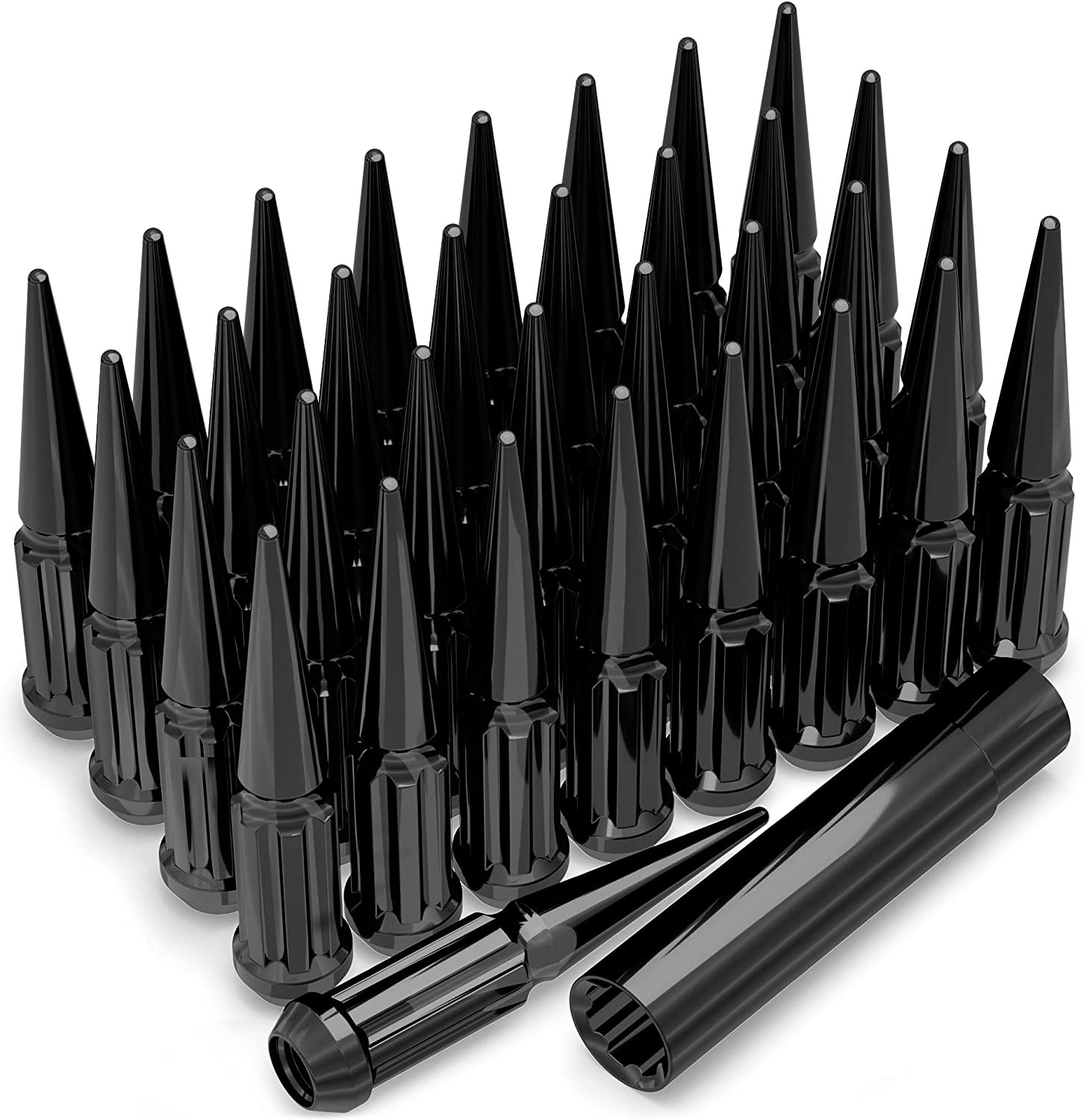
Lug Nuts / Wheel Bolts

M14 x 1.5

Wheel Adapters

5x115 · 71.6 mm hub

Directional bolt-pattern adapters. A spacer does not change PCD.

As an Amazon Associate we earn from qualifying purchases. Product availability and pricing may change.

Why These Wheels Fit

Wheel interchange depends on more than bolt pattern. Where data is available, this site compares:

  • Bolt pattern / PCD
  • Center bore direction (donor wheel bore must not be smaller than the hub)
  • Wheel diameter, width, and offset against known OEM ranges
  • Lug thread / hardware differences (vehicle-side hardware)

A normal wheel spacer does not change bolt pattern. Hub rings cannot enlarge a wheel bore that is smaller than the hub. Brake clearance and tire package fitment still require vehicle-specific checks when not confirmed in the dataset.

2022 Dodge Challenger Wheel Fitment Guide

Known OEM Fitment For 2022 Dodge Challenger

The specifications below are confirmed for at least one 2022 Dodge Challenger configuration. Other trims or brake and appearance packages may differ. Always verify your exact trim using the on-page calculator and OEM sources before purchasing.

SpecValue
Bolt pattern5x115
Center bore71.6 mm
Thread sizeM14 x 1.5
OEM wheel size18 x 7.5 in
Offset (ET)24 mm
Backspacing4.69 in
OEM tire size235/55R18

Notes:

  • Bolt pattern 5x115 and center bore 71.6 mm are critical for proper mounting. A smaller center bore than 71.6 mm will not fit. A larger bore can fit with 71.6 mm hub-centric rings sized to your wheel's bore.
  • Offset and width can vary by trim, wheel package, and brake size. Widebody and performance brake packages often require different wheel widths and clearances.
  • Confirm your exact OEM size from the tire placard on the driver door jamb, the owner manual, or the OEM parts catalog using your VIN.

How To Use The Wheel Interchange Calculator

The calculator on this page lets you compare a donor wheel and tire to your 2022 Challenger. It also models custom wheel and tire sizes so you can preview clearance, stance, and speedometer changes before you buy.

  • Set Installed on (your vehicle) to 2022 Dodge Challenger and confirm the known OEM size or your current size.
  • Use Wheels from (donor vehicle) to enter the wheel you want to test. If you only know the size, use Custom wheel size to enter rim diameter, width, and offset, plus Custom tire size for section width and aspect ratio.
  • When you change rim diameter in Custom wheel size, the calculator updates tire diameter in the comparison so you can keep overall tire diameter within a reasonable range.
  • Review:
    • Inner clearance vs strut and suspension. Keep sufficient space to avoid rubbing under load.
    • Outer poke vs fender. Avoid protruding past the fender to meet local regulations and prevent contact on bumps.
    • Overall diameter difference. Aim to keep total tire diameter change modest to limit speedometer error and gearing impact.
    • Speedometer impact and scrub radius change as informational guides.
  • Brake clearance is not guaranteed by size alone. If you have larger performance calipers, verify with a wheel manufacturer template or a physical test fit.

Fitment Checklist Before You Buy

  • Bolt pattern must be 5x115. Do not attempt to use 5x114.3 with wobble hardware.
  • Center bore must seat on 71.6 mm. If your wheel bore is larger, use 71.6 mm hub-centric rings sized to the wheel bore. If the wheel bore is smaller than 71.6 mm it will not fit.
  • Wheel offset and width must clear both the inner strut and outer fender. Use the calculator to compare inner clearance and poke against your current setup.
  • Overall tire diameter should remain close to stock to minimize speedometer error. The calculator will show percent change so you can judge what is acceptable for your use.
  • Load rating and speed rating of tires and wheels must meet or exceed OEM. Check each manufacturer's data sheet.
  • Lug nuts must match thread size M14 x 1.5 and the correct seat type for your wheels. Seat type is commonly conical on aftermarket wheels, but verify for your specific wheel.
  • Brake clearance. If equipped with larger performance brakes, confirm with a template or test fit. Some 18 inch designs may not clear large calipers.
  • TPMS compatibility. Plan to transfer OEM sensors or use compatible replacements for 2022 Challenger. Program or relearn as required.
  • Spacers or adapters. If used, select hub-centric spacers for 5x115 with 71.6 mm hub and ensure proper stud engagement. Never stack spacers.

Plus Sizing And Common Upgrades

Below are example sizes enthusiasts often simulate in the calculator. They are not guaranteed for every trim. Always validate clearance, load ratings, and speedometer impact on your vehicle.

  • Plus 1 to 19 in: for example a 245/50R19 tire can keep overall diameter close to stock when paired with an appropriate 19 inch wheel. Verify offset and brake clearance.
  • Plus 2 to 20 in: examples to model are 245/45R20 or 275/40R20 on suitable widths. These maintain a similar overall diameter to the listed 235/55R18. Staggered setups are popular but require careful offset selection and fender clearance checks.
  • Widebody or large-brake trims may require different widths and offsets. Use the calculator and confirm with the wheel maker for caliper templates.

Use the on-page calculator to compare your current 235/55R18 setup against any candidate size to visualize inner clearance, outer poke, and diameter change.

Installation Tips

  • Test fit each wheel on the front and rear before mounting tires. Spin by hand to check caliper and knuckle clearance.
  • Clean the hub face and center pilot with a nylon brush. Remove rust scale so the wheel seats flush.
  • If your wheel bore is larger than 71.6 mm, install correctly sized hub-centric rings to ensure vibration-free mounting.
  • Confirm lug nut seat type matches the wheel and that thread size is M14 x 1.5. Hand start nuts to avoid cross-threading.
  • Thread engagement. As a general safety guideline, target at least the stud diameter in full thread engagement. If engagement is marginal after spacers or different nuts, correct before driving.
  • Torque lugs in a star pattern to the value specified in your owner manual. Recheck torque after 50 to 100 miles.
  • After installation, turn the steering from lock to lock and drive over gentle bumps to listen for rubbing. Inspect inner liners and fender lips.
  • Complete TPMS relearn or programming as needed and set pressures to the driver door placard unless your tire manufacturer specifies otherwise for load.

Tools And Helpful Supplies

  • Floor jack and properly rated jack stands
  • Lug wrench or 1/2 inch drive breaker bar
  • 1/2 inch drive torque wrench: Search on Amazon
  • 71.6 mm hub-centric rings to your wheel bore: Search on Amazon
  • M14 x 1.5 conical-seat lug nuts if needed: Search on Amazon
  • Tire tread depth gauge: Search on Amazon
  • Nylon hub brush and mild anti-corrosion spray for hub face if permitted by OEM procedures

FAQs

What is the bolt pattern on the 2022 Dodge Challenger?
5x115.

What is the center bore?
71.6 mm. Wheels with larger bores can be used with 71.6 mm hub-centric rings sized to the wheel’s bore. Smaller bores will not fit.

Can I use 5x114.3 wheels on a 5x115 Challenger?
This is not recommended. The mismatch can stress studs and cause vibration. Use wheels drilled for 5x115 or multi-pattern wheels that explicitly include 5x115 with the correct 71.6 mm hub fit.

What is the OEM wheel and tire size?
One confirmed OEM configuration is 18x7.5 wheels with 235/55R18 tires, offset ET 24 mm, and backspacing 4.69 in. Other trims and packages may differ. Check your driver door placard, manual, or VIN-specific OEM catalog.

Will 20 inch wheels fit my 2022 Challenger?
Many owners upgrade to 20 inch wheels, but fitment depends on width, offset, tire size, and brake package. Use the calculator to model options and confirm brake clearance with a template or test fit.

Do I need hub-centric rings?
If your aftermarket wheel has a bore larger than 71.6 mm, use hub-centric rings sized from the wheel bore to 71.6 mm to ensure proper centering and reduce vibration.

Which lug nuts should I use?
Use M14 x 1.5 nuts with the correct seat type for your wheels and sufficient thread engagement. Follow the wheel maker’s seat specification and your vehicle’s owner manual for torque.

How much overall tire diameter change is acceptable?
Keep diameter change modest to limit speedometer error and fender or suspension interference. The calculator shows the percentage difference so you can choose what is acceptable for your use.

Will the stock 18 inch wheels clear performance brakes?
Clearance varies by wheel design and brake package. Do not assume clearance by diameter alone. Verify with a template from the wheel manufacturer or a physical test fit.

Where can I confirm my exact OEM specs?
Check the tire placard on the driver door jamb, the owner manual, or an OEM parts catalog using your VIN. Then use the calculator on this page to compare any candidate wheels and tires to your exact setup.


Nick Marchenko

Automotive Expert