2022 Dodge Charger Wheel Fitment and Interchange Guide
Known OEM Fitment For 2022 Dodge Charger
The specifications below are the known reference values provided for the 2022 Dodge Charger. They may represent only one configuration, wheel package, or trim. Confirm the exact requirements for your vehicle using the tire-and-loading information label, the owner’s manual, the original wheel markings, or a Dodge dealer using the VIN.
| Specification |
Known value |
| Bolt pattern |
5x115 |
| Center bore |
71.6 mm |
| Thread size |
M14 x 1.5 |
| Rim diameter |
18 inches |
| Rim width |
7.5 inches |
| Wheel offset |
ET24, or 24 mm |
| Backspacing |
4.69 inches |
| Tire section width |
215 mm |
| Tire aspect ratio |
65 percent |
| Tire rim diameter |
R17 |
There is an apparent data inconsistency in the supplied reference values: the listed rim diameter is 18 inches, while the listed tire rim diameter is R17. A 17-inch tire cannot be mounted on an 18-inch wheel. Do not use these two entries as a complete wheel and tire package without verification. Check the tire sidewall and the vehicle label before ordering.
Matching the bolt pattern alone is not enough. A replacement wheel must also clear the brake assembly, fit the hub correctly, provide suitable load capacity, and maintain safe tire clearance at the suspension and body. The listed specifications are not a universal compatible-vehicle list.
How To Use The Wheel Interchange Calculator
Use the calculator on this page to compare a donor wheel and tire combination with the wheel and tire installed on your 2022 Dodge Charger.
- Enter the donor vehicle or donor wheel information under Wheels from.
- Enter the Charger information under Installed on.
- Compare rim diameter, rim width, offset, tire section width, and tire aspect ratio.
- Use Custom wheel size when the donor wheel is not listed. Enter its measured or manufacturer-published diameter, width, and offset.
- Use Custom tire size to compare section width and aspect ratio. Confirm the tire rim diameter matches the wheel diameter before installation.
- Review the calculated difference in wheel position and tire diameter, then inspect the vehicle in person for brake, suspension, and fender clearance.
Changing the custom rim diameter updates the tire diameter shown in the comparison. The calculator is a screening tool, not a substitute for checking load ratings, brake clearance, tire pressure requirements, wheel fastener engagement, and physical clearance.
Fitment Checklist Before You Buy
- Confirm the vehicle’s exact trim, brake package, and factory wheel or tire size from OEM documentation.
- Confirm the 5x115 bolt pattern and verify that the wheel has five mounting holes.
- Check that the wheel’s center bore is compatible with the 71.6 mm hub reference. A smaller bore will not fit over the hub.
- Verify the wheel offset and width against the calculator and the vehicle. Offset changes can affect inner suspension clearance and outer fender clearance.
- Confirm the wheel diameter is compatible with the tire. The supplied 18-inch rim entry and R17 tire entry require particular attention.
- Check the wheel’s load rating and the tire’s load index and speed rating against OEM requirements.
- Inspect the wheel for cracks, bends, corrosion around the bead seat, damaged lug holes, and altered mounting surfaces.
- Confirm that the replacement wheel clears the brake caliper and rotor before driving.
- Do not rely on a seller’s vehicle list alone. Verify dimensions, wheel markings, and OEM fitment information.
Plus Sizing And Common Upgrades
Plus sizing changes the wheel diameter while maintaining an overall tire diameter that is close to the original. A larger wheel is normally paired with a lower-profile tire, but the exact replacement size must be verified for the Charger’s trim and brake package.
Use the calculator to compare custom rim diameter, rim width, offset, section width, and aspect ratio. A larger section width or a different offset can move the tire closer to the strut, control arms, inner liner, or outer fender. A lower aspect ratio can also reduce sidewall protection and change ride quality.
Do not select a tire solely because its calculated diameter is similar. The replacement tire must fit the wheel width, meet the vehicle’s load and speed requirements, maintain adequate clearance, and be approved for the wheel by the tire manufacturer. Because the supplied reference data includes both an 18-inch rim and an R17 tire entry, verify the original package before considering any upgrade.
Installation Tips
Have the wheels and tires installed by a qualified technician, especially when changing wheel width, offset, or tire size. Before final tightening, test-fit each wheel and rotate it by hand to check for brake and suspension interference.
- Clean rust, dirt, and paint from the hub face and wheel mounting surface. Do not apply grease between the wheel and hub faces.
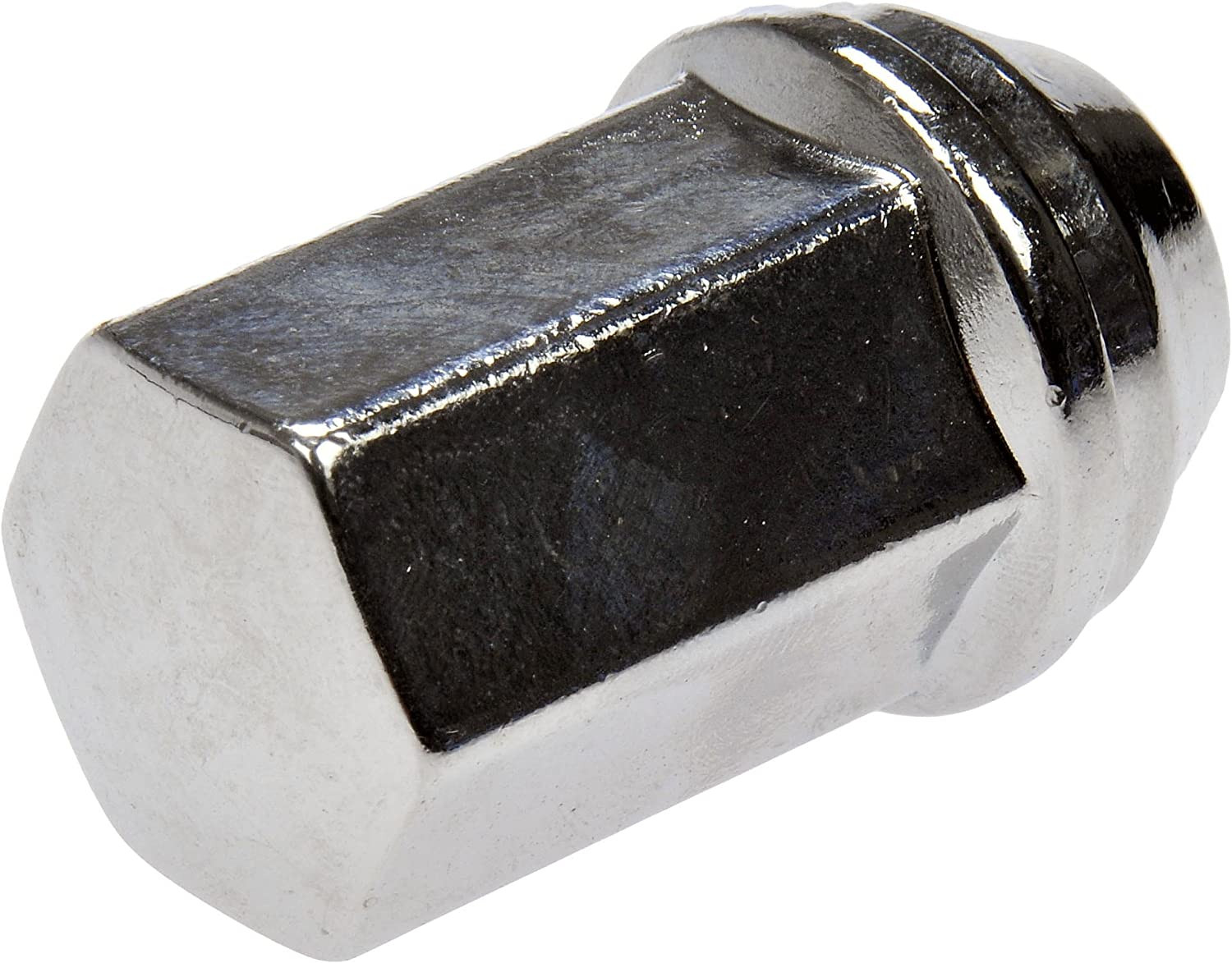
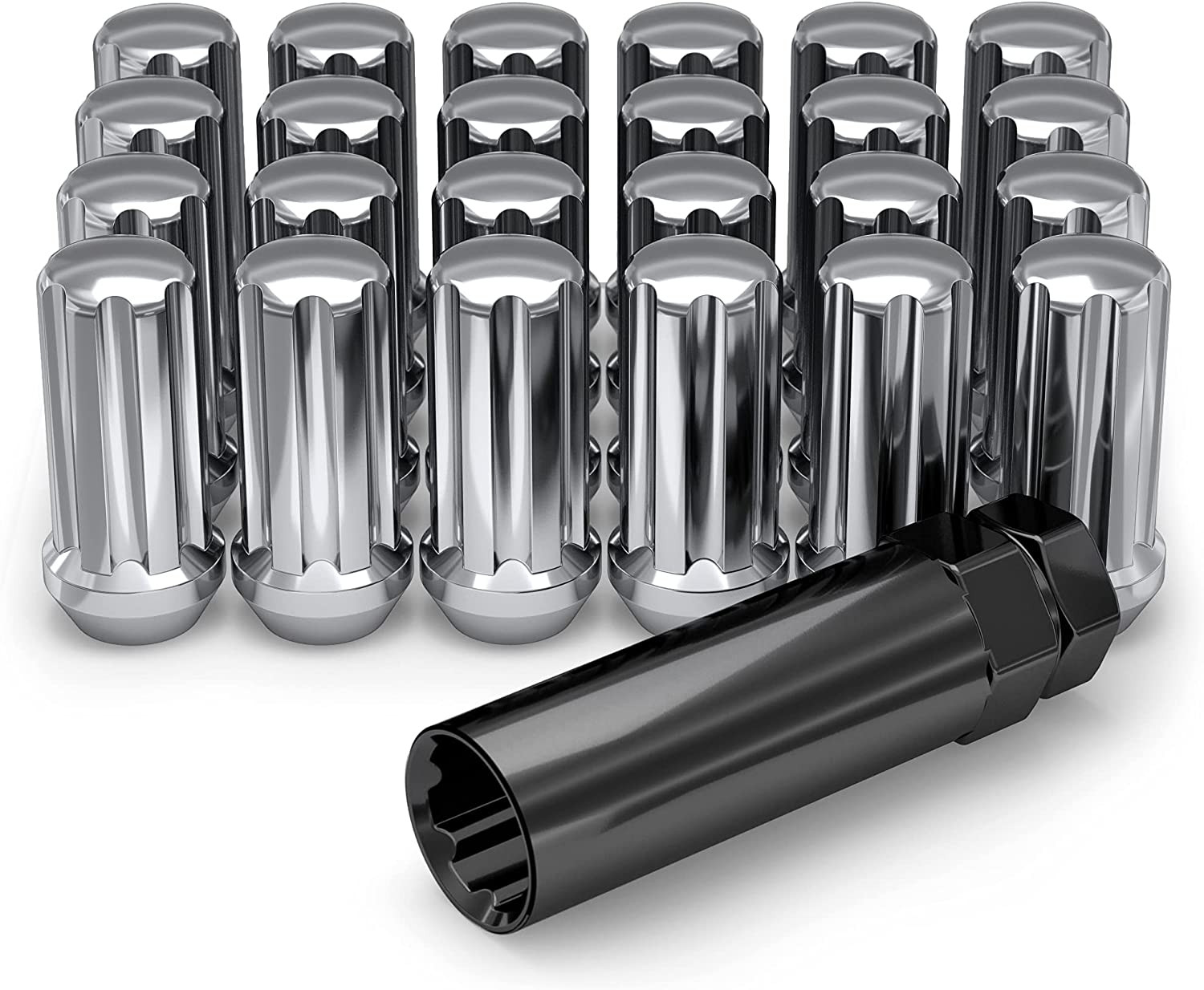
- Use the correct M14 x 1.5 wheel fasteners only if they match the replacement wheel’s seat type and thread requirements.
- Start all fasteners by hand to prevent cross-threading.
- Lower the vehicle enough to prevent rotation, then tighten fasteners in a star pattern.
- Use the torque specification in the Dodge service information or owner’s manual for the exact vehicle. Do not guess a torque value.
- Set tire pressure using the vehicle’s door-jamb label, not the maximum pressure molded into the tire sidewall.
- After installation, check for leaks, vibration, rubbing, and steering changes. Recheck fastener torque according to the vehicle or wheel manufacturer’s instructions.
Tools And Helpful Supplies
Useful equipment includes a calibrated torque wrench, correctly sized socket, jack and jack stands rated for the vehicle, wheel chocks, a tire pressure gauge, and a tread or clearance inspection tool. A torque wrench can help prevent both under-tightening and over-tightening, but the correct vehicle-specific torque specification must come from OEM or wheel manufacturer documentation.
Shop automotive torque wrenches on Amazon
Shop digital tire pressure gauges on Amazon
FAQs
Can any 5x115 wheel fit a 2022 Dodge Charger?
No. The 5x115 pattern is only one requirement. Center bore, offset, width, brake clearance, wheel load rating, fastener seat, and tire clearance must also be verified.
What center bore is listed for this 2022 Dodge Charger?
The supplied reference value is 71.6 mm. Confirm the hub and wheel measurements for the exact vehicle and wheel before purchase. A wheel bore that is too small will not fit over the hub.
What thread size is listed?
The supplied reference is M14 x 1.5. The fastener thread must match, but the fastener seat type and usable engagement must also be correct for the wheel.
Can I use an R17 tire on the listed 18-inch rim?
No. A tire marked R17 is designed for a 17-inch rim, not an 18-inch rim. The supplied data contains both entries, so verify the original tire sidewall, wheel marking, and OEM documentation before ordering.
Does a different offset change fitment?
Yes. Changing offset moves the wheel inward or outward relative to the hub. It can affect strut, suspension, brake, fender, and inner-liner clearance. Compare the proposed dimensions in the calculator and perform a physical clearance check.
Does the calculator confirm that a wheel is safe to install?
No. It compares dimensions and tire diameter, but it cannot verify every brake clearance, load rating, fastener detail, structural condition, or vehicle-specific restriction. Use it alongside OEM information and an in-person inspection.
Where can I confirm the correct factory tire size?
Check the tire-and-loading information label on the vehicle, the owner’s manual, the tire sidewalls currently installed, the original wheel markings, and Dodge service information for the vehicle identification number and trim.
Should I use the listed 4.69-inch backspacing as the only fitment measurement?
No. Backspacing depends on wheel width and offset, and fitment also depends on hub, brake, suspension, and body clearance. Confirm the complete wheel dimensions and compare them with the original assembly.