OEM wheel and tire fitment specs for the 2022 Ford Escape, including bolt pattern (PCD), center bore diameter, thread size, rim diameter, rim width, wheel offset, and backspacing.
Recorded OEM specifications for the 2022 Ford Escape, donor years with overlapping ranges, and a calculator to compare a selected wheel. Range overlap is not a guaranteed fit.
Multiple OEM configurations exist for this vehicle. Fitment can vary by trim, brakes, and factory wheel package – confirm your exact setup before buying.
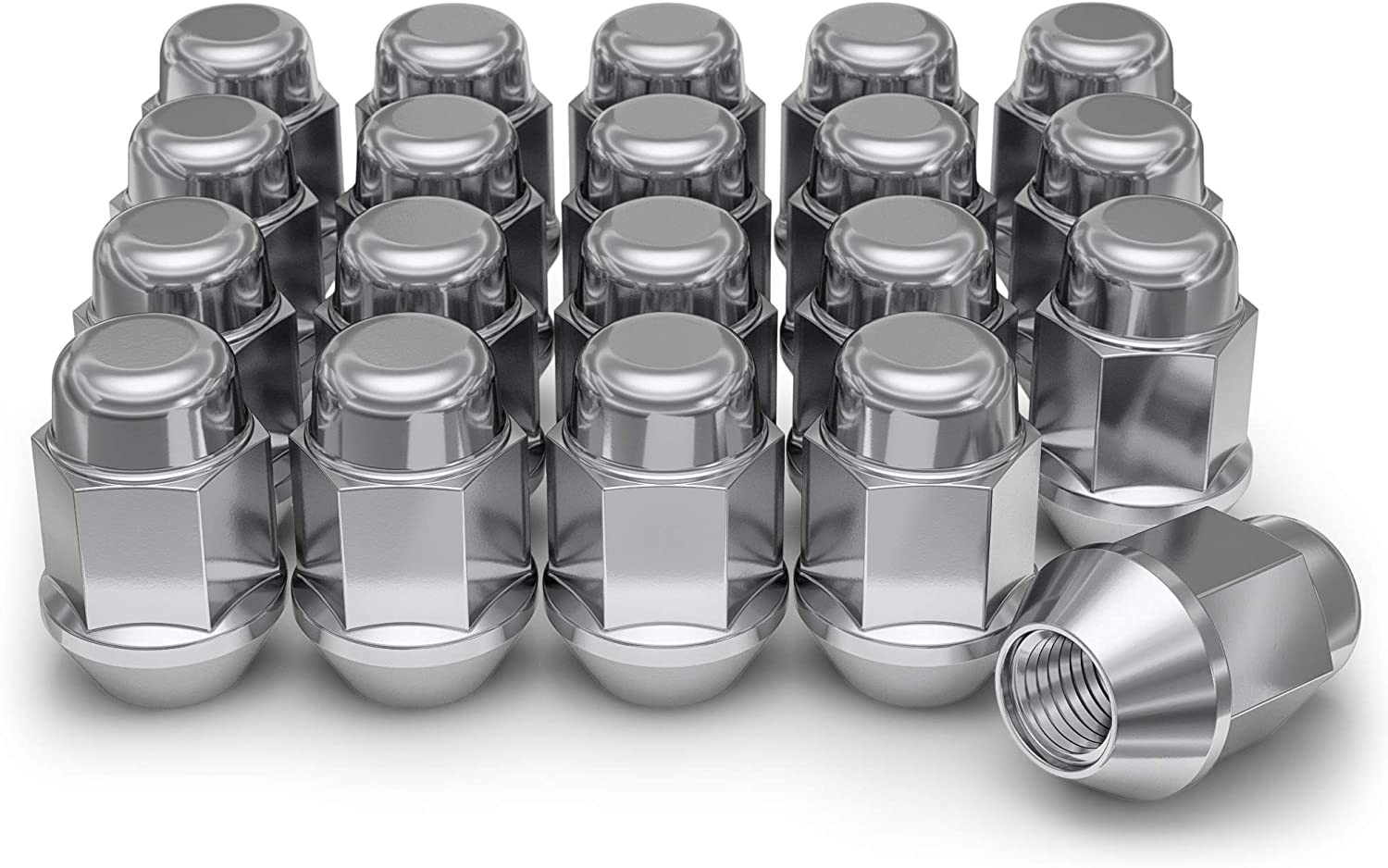
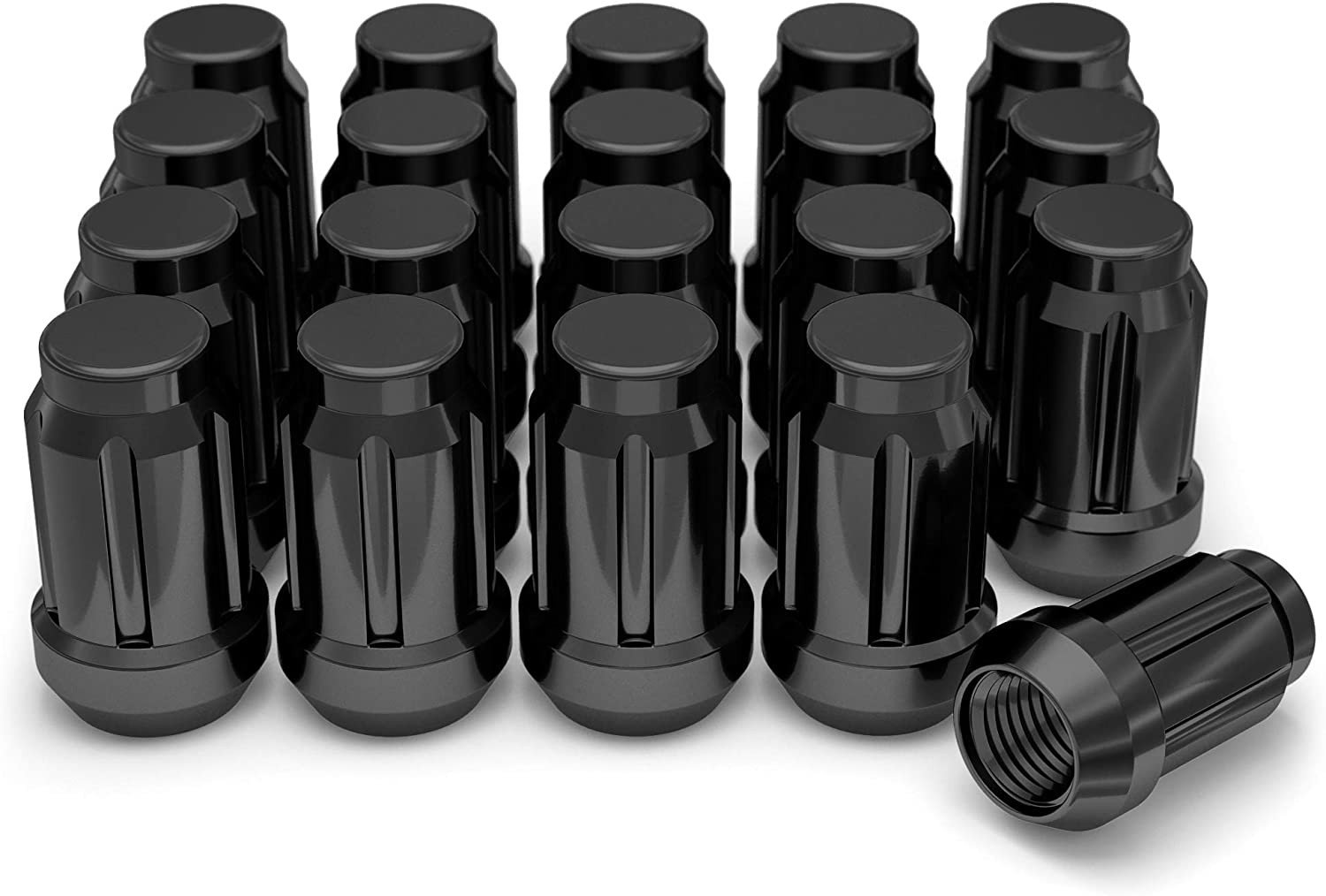
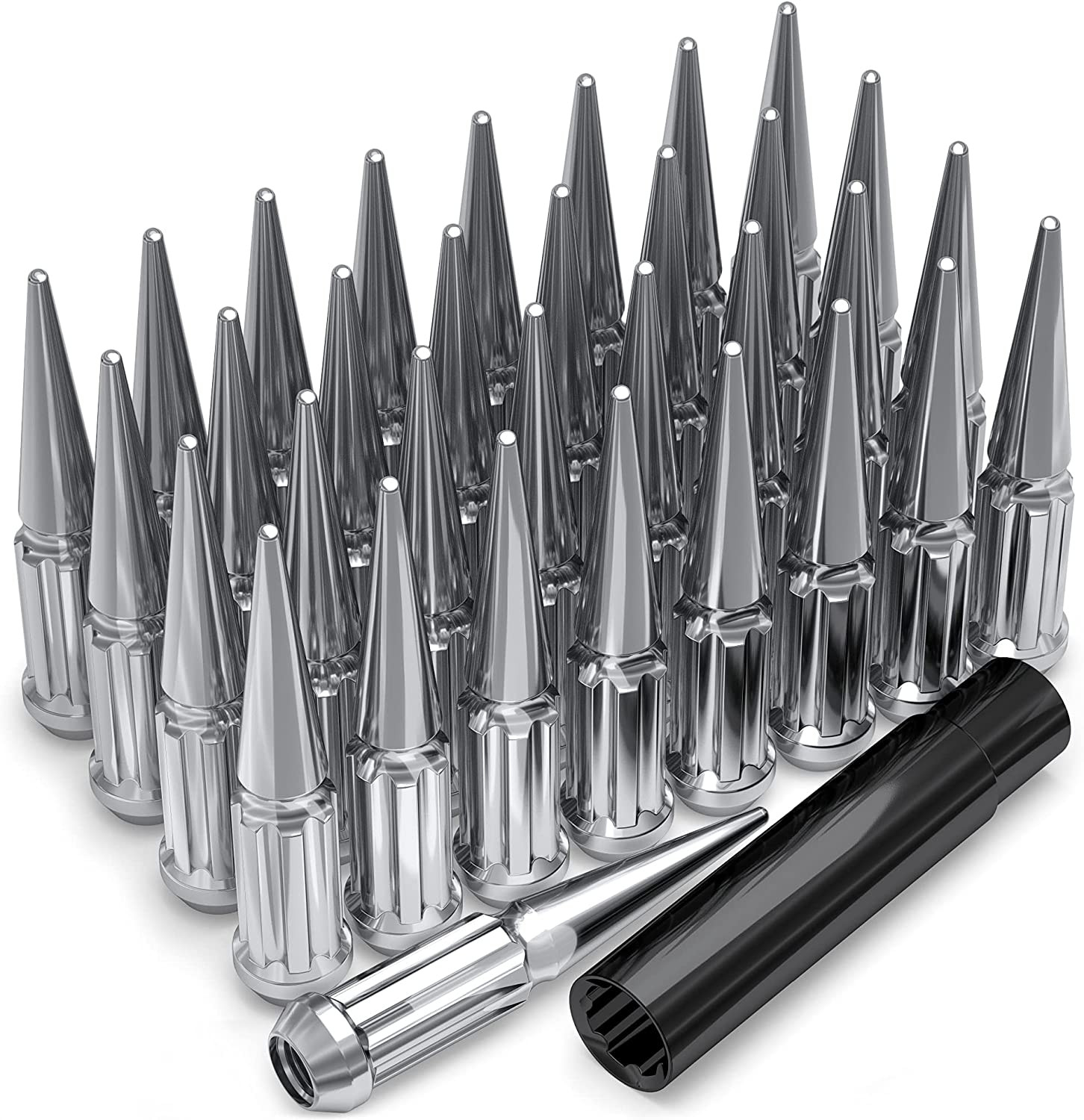
Thread-only product links are shopping examples, not verified fits. Seat style is not confirmed here. As an Amazon Associate we earn from qualifying purchases.
Donor vehicles with overlapping OEM specs
These are vehicle-year records whose recorded OEM ranges overlap this 2022 Ford Escape. Overlap is not a guarantee that a specific wheel will install. Selected-wheel comparison is in the calculator below.
Evaluated 78 donor years. Listed 24 eligible overlaps (not all evaluated years are compatible). Showing all listed.
Wheel geometryOEM width/offset ranges overlap (not a specific wheel)
Recorded OEM bolt pattern, center bore, and width/offset ranges overlap. This is not a guarantee that every wheel from the donor year fits this vehicle.
Wheel geometryOEM width/offset ranges overlap (not a specific wheel)
Center-bore records disagree (donor year-level hub 67.1 mm vs trim range 63.4–63.4 mm). Unqualified overlap is not claimed until the conflict is resolved.
OEM specs overlapOEM ranges overlap – confirm the specific wheel
Bolt pattern5x108 · Same recorded PCD
Center bore63.4 mm · same recorded hub figure
Wheel geometryOEM width/offset ranges overlap (not a specific wheel)
Recorded OEM bolt pattern, center bore, and width/offset ranges overlap. This is not a guarantee that every wheel from the donor year fits this vehicle.
OEM specs overlapOEM ranges overlap – confirm the specific wheel
Bolt pattern5x108 · Same recorded PCD
Center bore63.4 mm · same recorded hub figure
Wheel geometryOEM width/offset ranges overlap (not a specific wheel)
Approximate position vs the mid OEM package: outer change -6.35 mm, inner change -6.35 mm. This uses aggregated width/offset ranges, not a specific wheel.
Wheel geometryOEM width/offset ranges overlap (not a specific wheel)
Recorded OEM bolt pattern, center bore, and width/offset ranges overlap. This is not a guarantee that every wheel from the donor year fits this vehicle.
Wheel geometryOEM width/offset ranges overlap (not a specific wheel)
Recorded OEM bolt pattern, center bore, and width/offset ranges overlap. This is not a guarantee that every wheel from the donor year fits this vehicle.
Ford Escape Years With Compatible Wheels
Only years with evidence-based interchange relationships are listed. Adjacent years are not assumed compatible.
Compare a donor vehicle or custom wheel against this 2022 Ford Escape. Use Compare in calculator on a donor row above to fill the donor side of this same calculator.
Compare
Compare wheel compatibility between two vehicles
Wheels from (donor vehicle)
Selected Car:
Custom wheel size (optional)
Tip: change values here to simulate custom wheels and immediately see the impact in the comparison below.
Custom tire size (optional)
Installed on (your vehicle)
Selected Car:
2022 Ford Escape
Compare Rims
Specification
Wheels from
Installed on
Result (Click it)
Bolt Pattern
The total number of bolt holes and the diameter of the circle they form.
-
5x10⁸
Center Bore
The hole in the center of the wheel that fits over the vehicle’s hub.
-
63.4 mm
Thread Size
The size and spacing of the threads on the bolts or nuts that hold the wheel in place.
-
M12 x 1.5
Rim Diameter
The wheel diameter in inches that determines which tire sizes will fit.
-
17"
Rim Width
The distance between the inner edges of the wheel is measured in inches.
-
7.0"
Wheel Offset
How far the wheel sits inward or outward relative to the hub mounting surface.
-
50 mm
Backspacing
Shows how much space the wheel takes up toward the inside of the vehicle.
-
-
Wheel Fasteners
The type of hardware used to secure the wheel to the vehicle.
-
-
Compare Tires
Specification
Wheels from
Installed on
Result (Click it)
Section Width
The width of the tire from sidewall to sidewall, measured in millimeters.
-
-
Aspect Ratio
The height of the tire’s sidewall expressed as a percentage of its width.
-
-
Diameter
The wheel diameter for which the tire is designed to fit.
-
-
Tire Pressure
The recommended air pressure for safe and efficient driving.
-
-
Overall Diameter
The total height of the tire and wheel combined affects clearance and speedometer accuracy.
-
-
Wheel Fitment Parts for the 2022 Ford Escape
Example products matched to recorded thread, hub, or spacer dimensions. They are not verified fits. Confirm seat style, thickness, and clearance before ordering.
As an Amazon Associate we earn from qualifying purchases. Product availability and pricing may change.
Decision
You are choosing replacement wheels or alternate wheel/tire combinations for a 2022 Ford Escape and need clear guidance about what will fit safely and what requires confirmation. I analyze the available OEM data and outline practical, testable options so you can decide with a measured level of confidence rather than assumption.
Constraints
Evidence from the OEM fitment provided identifies several fixed parameters you must respect when selecting wheels or fasteners. These parameters create mandatory constraints and reduce the viable option set.
Bolt pattern: 5x10⁸. Mating wheel must match 5x10⁸ studs or use a properly engineered adapter; adapters introduce additional risks and are not recommended without specialist review.
Center bore: 63.4 mm. Wheels with larger bores require hub-centric rings; wheels with smaller bores will not fit without machining or replacement.
Thread size: M12 x 1.5. Lug studs and lug nuts must match this thread specification exactly.
OEM wheel size: 17 x 7.0 in with offset ET 50 mm and backspacing 5.47 in. These define suspension clearance and wheel-to-fender relationship.
OEM tire: 225/65R17. This determines overall rolling diameter and speedometer calibration unless changed deliberately.
Limitations and uncertainties. Several relevant items are not specified here and must be confirmed before final purchase. These include lug seat type (conical, spherical, or mag), OEM lug torque specification, wheel load rating, and any trim-specific brake caliper clearance requirements. Use the on-page calculator and OEM sources to resolve those unknowns.
Options
Conceptually, the options fall into a few distinct categories, each with different practical implications and testing needs.
Direct OEM-equivalent replacements that match 17x7 ET50, 5x10⁸, 63.4 mm, and M12x1.5 exactly. This minimizes unknowns and usually avoids clearance or speedometer effects.
Alternate offset or width wheels on the same 17-inch diameter. Small changes affect track width and scrub radius and therefore handling and potential rubbing.
Different rim diameter with compensating tire sidewall change to preserve overall diameter. This alters gearing, speedometer reading, and potential suspension/clearance interactions.
Use of hub-centric rings when wheel center bore is larger than 63.4 mm, and correct lug nuts for M12 x 1.5 thread. These are fitment accessories, not fitment solutions for mismatched bolt pattern or seat type.
Wheel spacers or adapters to change bolt pattern or offset. These are higher risk, change load paths, and require specialist inspection and sometimes hub-centric designs.
Comparison
The following table compares the OEM baseline against three hypothetical but commonly considered alternatives. These examples are illustrative. Use the page calculator to run precise simulations for your chosen wheel and tire combinations before buying. The numerical changes below are calculated from first principles and represent a plausible interpretation, not a guarantee of clearance.
Feature
OEM baseline (known)
Example A: Lower offset
Example B: Wider rim
Example C: Larger diameter
Rim
17 x 7.0 in, ET 50 mm
17 x 7.5 in, ET 40 mm (hypothetical)
17 x 8.0 in, ET 50 mm (hypothetical)
18 x 7.0 in, ET 50 mm (hypothetical)
Bolt pattern / center bore / thread
5x10⁸ / 63.4 mm / M12 x 1.5
Same required
Same required
Same required
Approx lateral wheel movement per side vs OEM
Baseline
Outboard ~10 mm per wheel; total track increase ~20 mm
Minimal lateral change if offset unchanged; rim lip will be wider by 12.7 mm (0.5 in)
Minimal lateral change if offset unchanged; diameter change affects ride height and clearance
Tire overall diameter example
225/65R17 ≈ 724 mm
If same tire used, diameter unchanged; higher scrub radius and potential rubbing risk
If same tire used, diameter unchanged; can improve contact patch if tire allows
225/55R18 ≈ 705 mm example, overall diameter ~20 mm smaller; affects speedometer and gearing
Primary implications
Known clearance and handling characteristics
Increased track, possible fender or strut clearance issues, altered steering feel
Wider tread contact area, possible need for narrower tire profile, check caliper clearance
Potential speedometer error, reduced sidewall compliance, different ride comfort
Ease of implementation
High if matched to OEM
Moderate. Verify clearance with the on-page simulator and physical mock-up
Moderate. Confirm brake clearance and recommended tire sizes
Moderate to high complexity. Require new tires and speedometer recalibration if change exceeds tolerances
Interpretation. Lower offset moves the tire outward and increases track and scrub radius, while wider rims increase footprint without lateral shift if offset is unchanged. Increasing rim diameter mandates a tire aspect change to control overall diameter, which affects calibration systems.
Recommendation
Given the available evidence and your likely objective of safe, durable fitment, follow a conservative, testable path. First, choose wheels that match the bolt pattern 5x10⁸, thread M12 x 1.5, and ideally the center bore 63.4 mm or larger with appropriate hub-centric rings. Second, keep offset changes within about 10 mm of ET 50 to limit unforeseen rubbing or handling changes. Third, if you change rim diameter, use the on-page calculator to select a tire that keeps overall diameter within the vehicle tolerance and to review clearance and speedometer impact.
Operational steps for a skeptical evaluator.
Use the wheelinterchange calculator on this page to simulate any candidate wheel and tire sizes and observe calculated track, rolling diameter, and potential contact warnings.
Confirm lug seat type, OEM torque, and wheel load rating from the owner's manual or dealer before final purchase. These are not provided here and are necessary evidence for safe installation.
If center bore is larger than 63.4 mm, buy hub-centric rings sized to seat the wheel concentrically to the hub. Search hub rings here if needed: hub centric rings 63.4mm.
Order lug nuts compatible with M12 x 1.5 thread and the wheel's lug seat profile. Search compatible lug nuts here: M12 x 1.5 lug nuts.
When in doubt, prefer OEM-equivalent wheels or validated aftermarket wheels that explicitly list fitment for 2022 Ford Escape, then verify with the calculator and a physical test fit if possible.
Risks
Every modification carries measurable risks. Below I list the primary hazards and suggested mitigations so you can weigh tradeoffs with evidence and judgement.
Incorrect bolt pattern, thread, or lug seat. This can lead to wheel loosening and catastrophic failure. Mitigation: verify pattern and thread; confirm seat type and torque specs from OEM sources.
Center bore mismatch without hub-centric solution. This produces uneven clamping and vibration. Mitigation: use properly sized hub rings or fit wheels with the correct bore.
Excessive offset change. This can cause rubbing on fenders or suspension components, increased wear, and altered handling. Mitigation: limit offset change and validate with the on-page calculator and a physical clearance check.
Incorrect wheel load rating. An underrated wheel can fail under load. Mitigation: confirm wheel load rating equals or exceeds OEM requirements.
Speedometer, ABS, or stability system effects from tire diameter change. Mitigation: keep overall diameter within manufacturer tolerance and recalibrate if necessary.
Use of spacers or adapters. These change load distribution and bearing loads and may void warranties. Mitigation: avoid unless a certified installer approves the exact combination.
Hypothesis and interpretation. If you follow the conservative recommendation to match bolt pattern and thread, maintain center bore compatibility, and limit offset and diameter changes, the likelihood of a safe, reliable fit increases substantially. The on-page calculator and OEM documentation supply the necessary confirmation steps to convert this hypothesis into evidence.
Methodology and sources
Wheel interchange depends on more than bolt pattern. Where data is available, this site compares recorded OEM values:
Bolt pattern / PCD
Center bore direction (donor wheel bore must not be smaller than the hub)
Wheel diameter, width, and offset against known OEM ranges
A normal wheel spacer does not change bolt pattern. Hub rings cannot enlarge a wheel bore that is smaller than the hub. Brake clearance and tire package fitment still require vehicle-specific checks when not confirmed in the dataset.