2019 Ford Fusion Wheel Fitment and Interchange Guide
Known OEM Fitment For 2019 Ford Fusion
The following specifications are the known fitment data provided for the 2019 Ford Fusion. Equipment can vary by trim, package, market, and replacement-wheel configuration, so confirm the exact requirements for your vehicle before ordering.
| Specification |
Known value |
| Bolt pattern |
5x10⁸ |
| Center bore |
63.4 mm |
| Thread size |
M14 x 1.5 |
| Rim diameter |
18 inches |
| Rim width |
8.0 inches |
| Wheel offset |
ET55 |
| Backspacing |
6.17 inches |
| Tire section width |
215 mm |
| Tire aspect ratio |
60 |
| Tire rim diameter |
16 inches |
The supplied tire values, 215/60R16, describe a 16-inch tire, while the supplied wheel values describe an 18x8 wheel. These entries should not be treated as one confirmed wheel-and-tire assembly without verification. Use the vehicle door-jamb tire label, the owner’s manual, the tire sidewall, and the wheel markings to confirm the original configuration for your specific Fusion.
Bolt pattern, center bore, thread size, offset, wheel width, brake clearance, tire size, load rating, and speed rating all matter. A wheel that matches only the 5x10⁸ bolt pattern is not automatically safe or compatible.
How To Use The Wheel Interchange Calculator
Use the calculator on this page to compare a donor vehicle with your 2019 Ford Fusion. Select the donor vehicle under “Wheels from” and your Fusion under “Installed on.” The comparison helps identify differences in wheel diameter, width, offset, bolt pattern, center bore, and related fitment measurements when the required data is available.
- Enter or select the donor vehicle and the 2019 Ford Fusion as the installed vehicle.
- Review the wheel diameter, width, offset, bolt pattern, center bore, and other displayed measurements.
- Check whether the calculator identifies a mismatch. A result that appears close still requires physical clearance and hardware verification.
- Use “Custom wheel size” to test a proposed rim diameter, rim width, and offset.
- Use “Custom tire size” to test section width and aspect ratio.
- When you change rim diameter, review the updated tire-diameter comparison. Changing the wheel diameter can require a different tire size to maintain a similar overall rolling diameter.
The calculator is a comparison aid, not a substitute for the Ford owner’s manual, the vehicle certification label, a wheel manufacturer’s application guide, or an in-person clearance inspection. Unknown or trim-dependent values should be confirmed from OEM sources before purchase.
Fitment Checklist Before You Buy
- Confirm the 5x10⁸ bolt pattern and verify that the wheel has five correctly positioned mounting holes.
- Confirm the 63.4 mm center-bore requirement. A larger bore may require properly sized hub-centric rings, while a smaller bore will not fit over the hub.
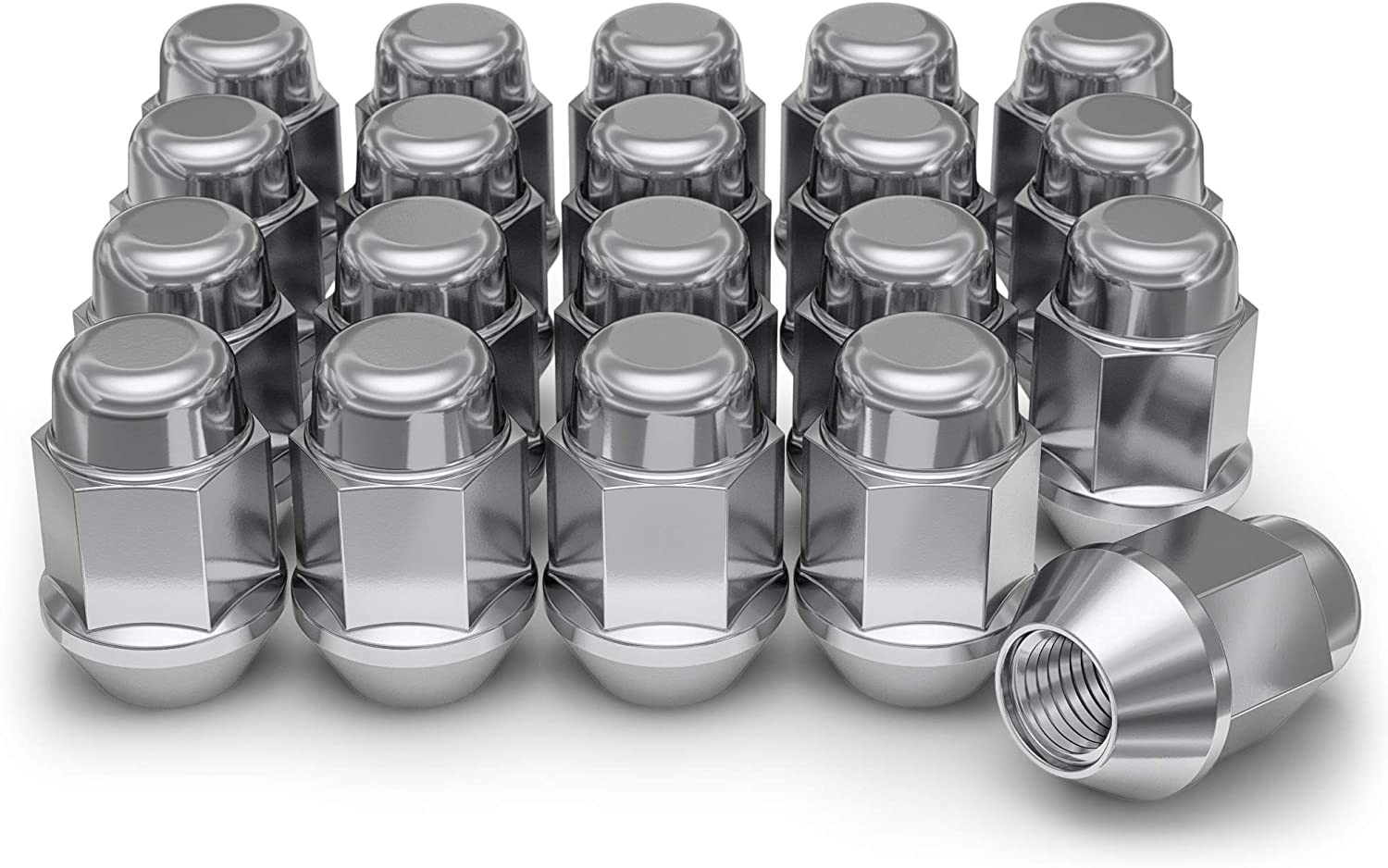
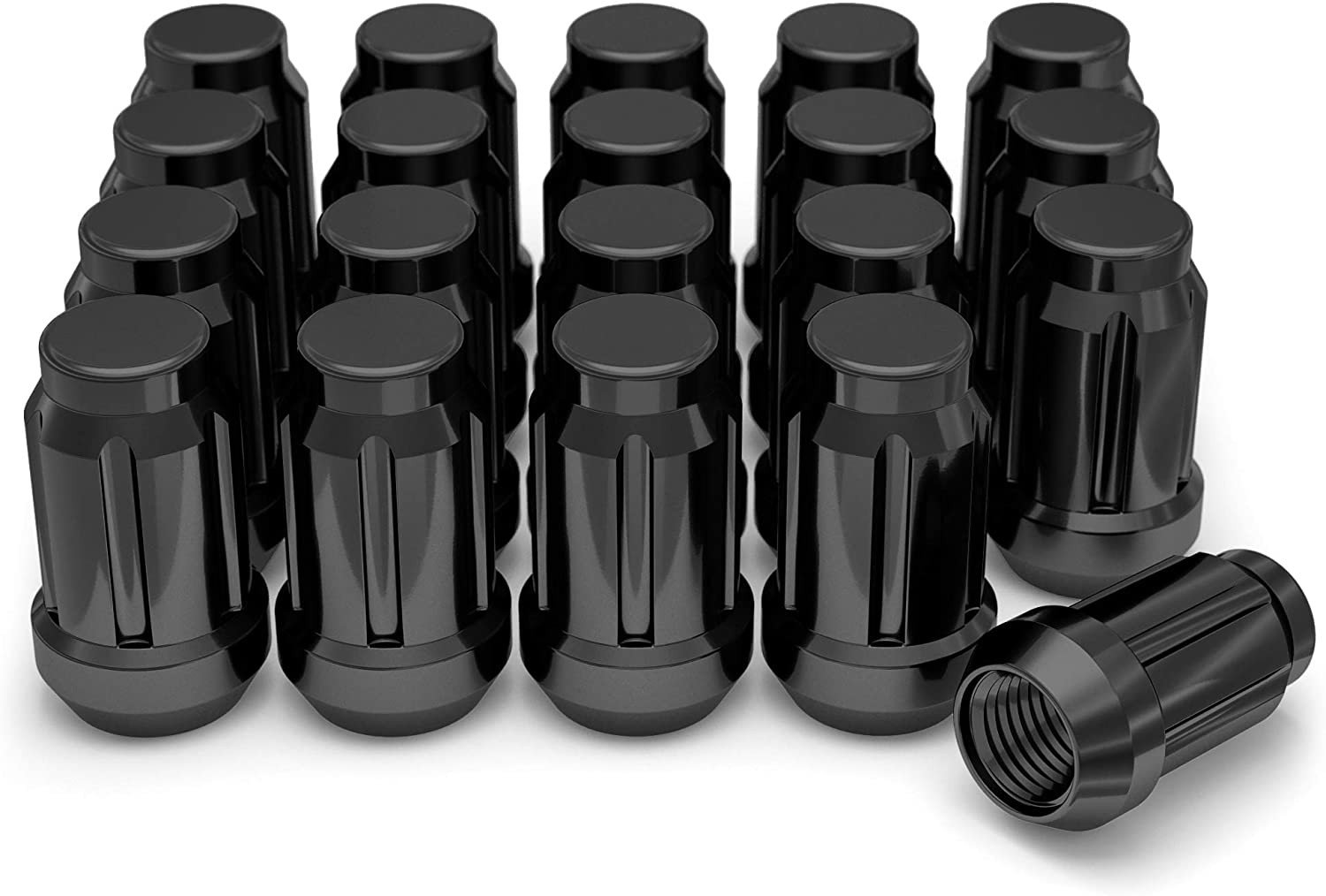
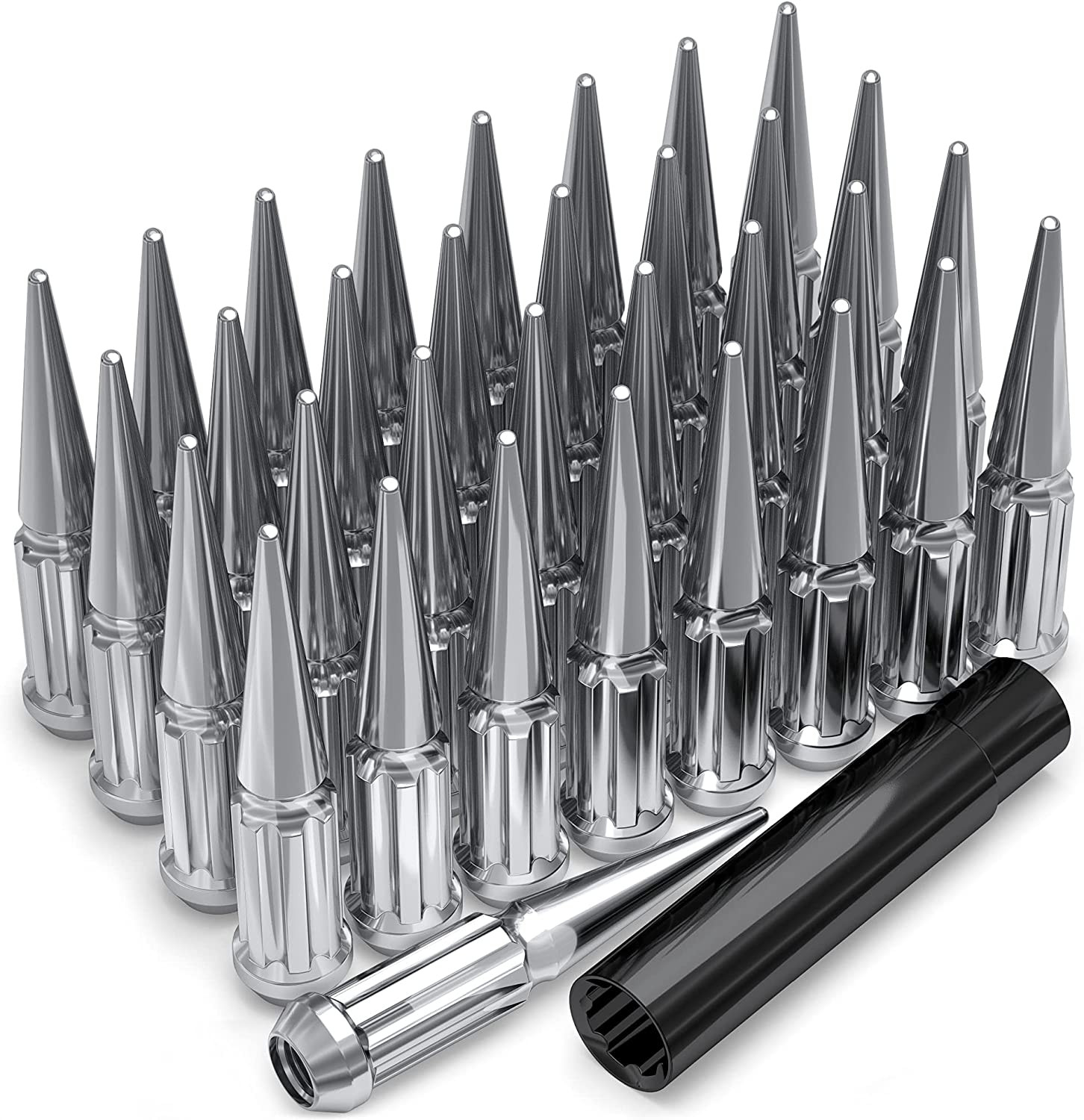
- Confirm the M14 x 1.5 thread size and use lug hardware that matches the wheel’s seat type. Do not assume the original lug nuts fit an aftermarket wheel.
- Verify wheel width, diameter, and ET55 offset, or compare any proposed custom value with the calculator and the wheel manufacturer’s specifications.
- Check inner suspension, strut, brake, and steering clearance. Also check outer fender and liner clearance at full steering lock and through suspension travel.
- Confirm tire size, load index, speed rating, and pressure requirements from the driver-door label and owner’s manual.
- Make sure the replacement wheel supports the vehicle’s axle loads and is approved for road use.
- Inspect used wheels for cracks, bends, corrosion around the bead seat, damaged mounting holes, and missing or unreadable specifications.
- Verify that the replacement tire is approved for the wheel width and that its diameter does not create unacceptable speedometer, traction-control, or clearance differences.
Plus Sizing And Common Upgrades
Plus sizing normally means fitting a larger-diameter wheel with a lower-aspect-ratio tire so that the overall tire diameter remains close to the original. The goal is to preserve clearance, handling-system behavior, and speedometer accuracy while changing wheel diameter.
For this page, the known wheel entry is 18x8 with ET55, while the known tire entry is 215/60R16. Because those values may not describe the same factory package, do not use them as a complete plus-size formula. Enter your verified original tire size and proposed custom wheel and tire sizes into the calculator, then confirm the result with Ford documentation and the tire manufacturer’s approved rim-width range.
A wider tire or a different offset can move the tire closer to suspension parts or the fender. A larger overall diameter can affect clearance and vehicle-system calculations. Avoid choosing a tire solely because it fits the wheel physically. Maintain appropriate load and speed ratings, and have the finished assembly checked for clearance before normal driving.
Installation Tips
- Use a clean, flat mounting surface. Remove rust, dirt, and debris from the hub face and wheel mounting surface without altering the mating surfaces.
- Test-fit one wheel on the front and one on the rear before mounting all tires, if the wheel design and brake clearance have not previously been verified.
- Install the correct lug nuts for the wheel’s seat design and thread requirements. Never force incompatible hardware.
- Start all lug nuts by hand to avoid cross-threading.
- Torque the lug nuts in a star or crisscross sequence using the vehicle or wheel manufacturer’s specified torque. The correct torque value was not provided here, so obtain it from Ford or the wheel manufacturer.
- Check clearance with the steering turned fully left and right, and inspect clearance after the vehicle is lowered to the ground.
- Set tire pressure according to the vehicle’s door-jamb label unless a qualified tire professional provides a specific, documented alternative.
- After installation, recheck lug-nut torque after the initial driving period specified by the wheel manufacturer, and stop driving if vibration, rubbing, pulling, or air loss occurs.
Tools And Helpful Supplies
A basic installation may require a properly rated jack and jack stands, a torque wrench, a socket set, a tire-pressure gauge, and a method for checking inner and outer clearance. Use equipment rated for the vehicle and work on a stable surface. Never rely on a vehicle jack alone while working underneath or beside a raised vehicle.
Wheel spacers, adapters, and hub-centric rings should not be used as a shortcut for an incorrect wheel. If a spacer or ring is being considered, confirm its exact dimensions, material, load suitability, hub engagement, and manufacturer instructions with a qualified technician.
FAQs
What is the bolt pattern for the 2019 Ford Fusion?
The known bolt pattern provided for the 2019 Ford Fusion is 5x10⁸. Confirm the wheel application and all other fitment measurements before purchase.
What is the center bore for the 2019 Ford Fusion?
The known center bore is 63.4 mm. A wheel with a smaller center bore will not fit over the hub. A larger center bore may need correctly sized hub-centric rings when approved by the wheel manufacturer.
What lug thread size is listed for this vehicle?
The supplied thread specification is M14 x 1.5. Thread size alone does not identify the correct lug nut. The lug nut seat must also match the wheel.
Does the listed 215/60R16 tire fit the listed 18x8 wheel?
The supplied tire size is a 16-inch tire, and the supplied wheel diameter is 18 inches. They cannot be mounted together because the tire bead diameter must match the wheel diameter. Verify which factory or replacement package applies to your vehicle before ordering.
Can I install wheels from another vehicle with a 5x10⁸ bolt pattern?
Not automatically. The donor wheel must also be checked for center bore, offset, width, diameter, brake clearance, lug-seat design, load capacity, and tire compatibility. Use the wheel interchange calculator for an initial comparison, then confirm the application with OEM or wheel-manufacturer data.
How do I check whether a custom wheel offset will work?
Enter the proposed diameter, width, and offset under “Custom wheel size.” Compare the changes in inner and outer position, then physically inspect clearance at the suspension, brakes, steering lock, and fenders. The calculator cannot confirm every vehicle-specific clearance condition.
Will changing wheel diameter change tire diameter?
The calculator updates the tire-diameter comparison when rim diameter changes. The tire’s aspect ratio and section width also affect overall diameter, so evaluate the complete wheel-and-tire combination rather than the rim diameter alone.
Where can I confirm the correct original tire size?
Check the tire-and-loading information label on the driver-side door or door jamb, the owner’s manual, the current tire sidewall, and Ford service or parts information for the vehicle identification number. If those sources conflict, consult a Ford dealer or qualified tire professional before buying wheels or tires.