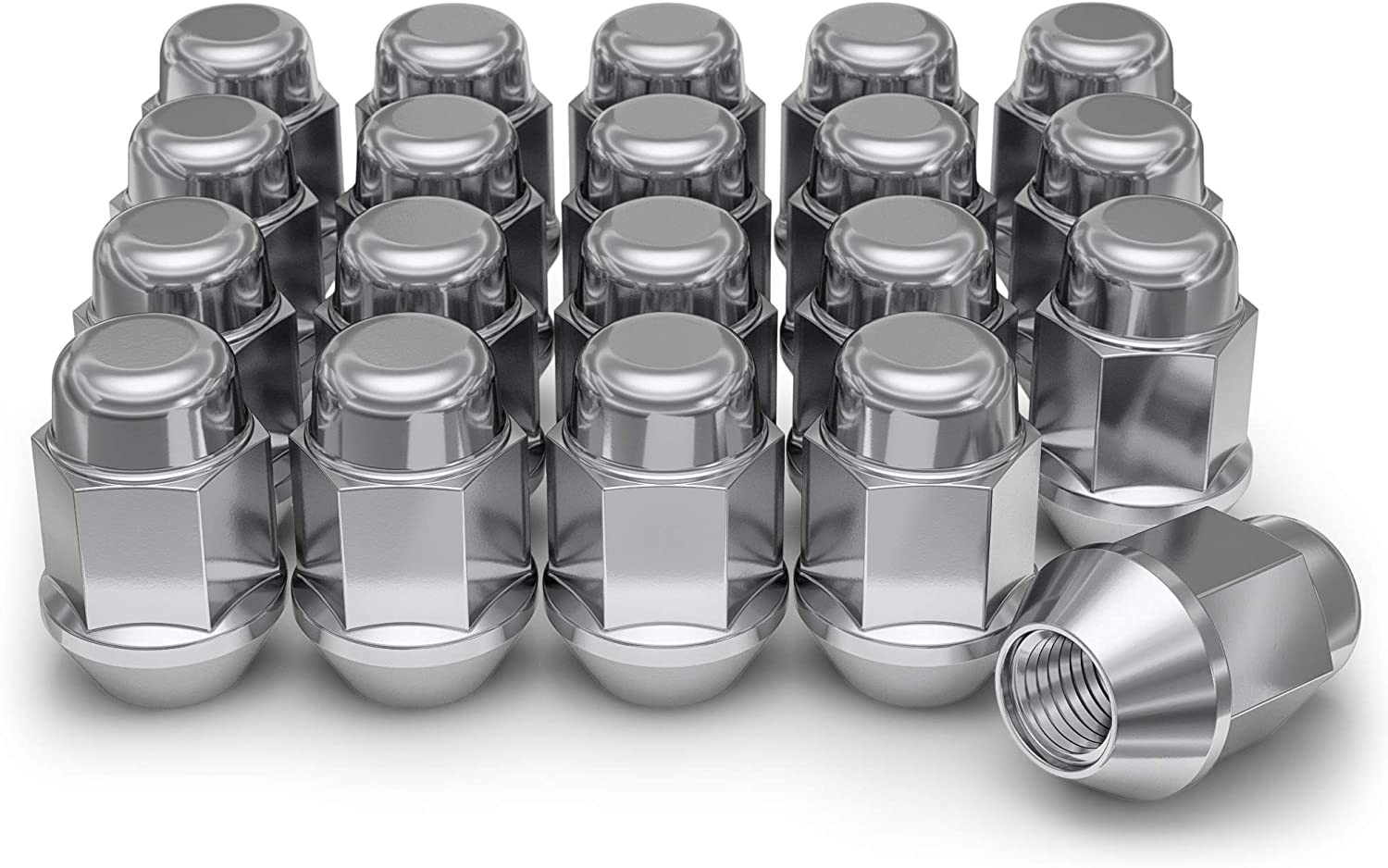
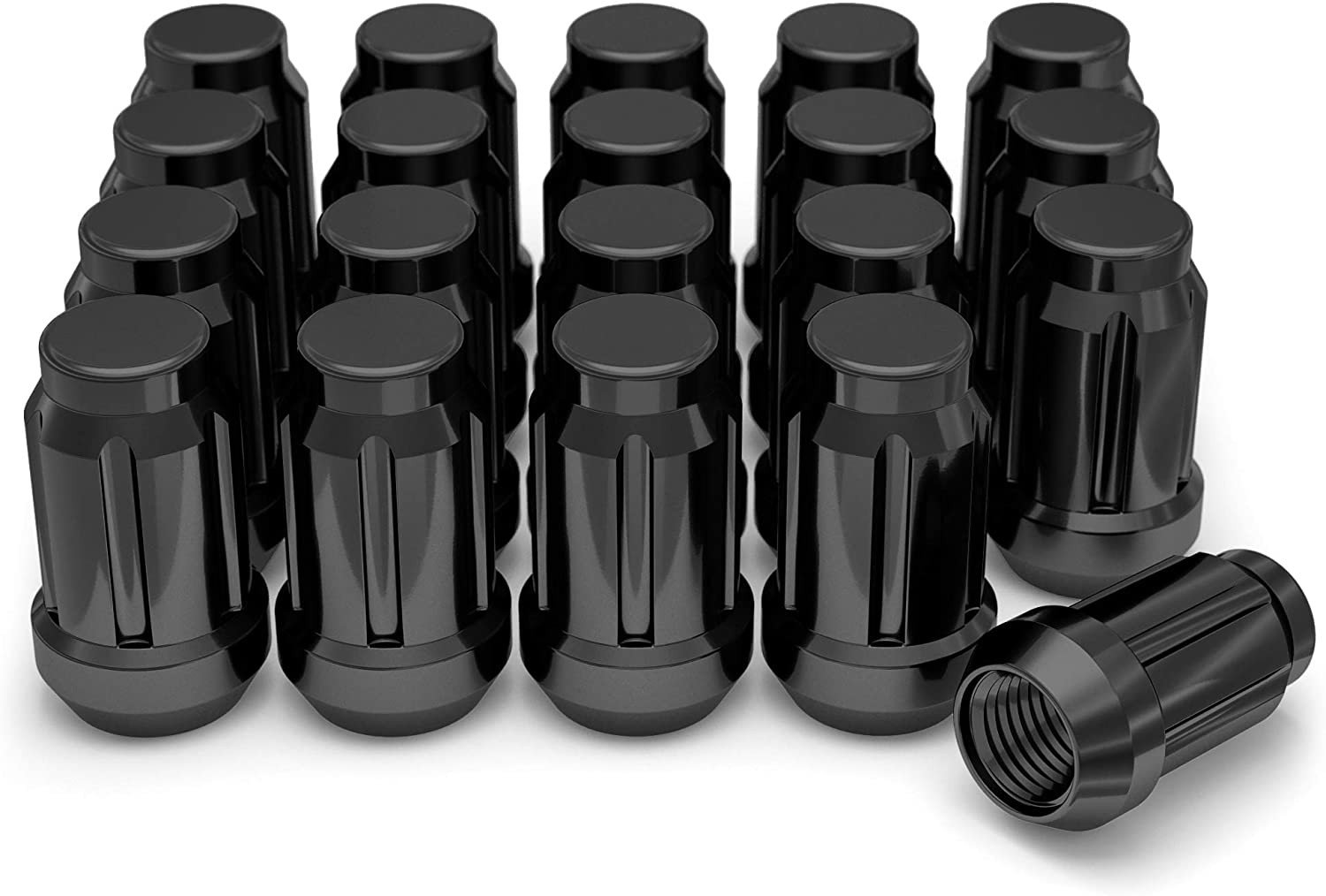
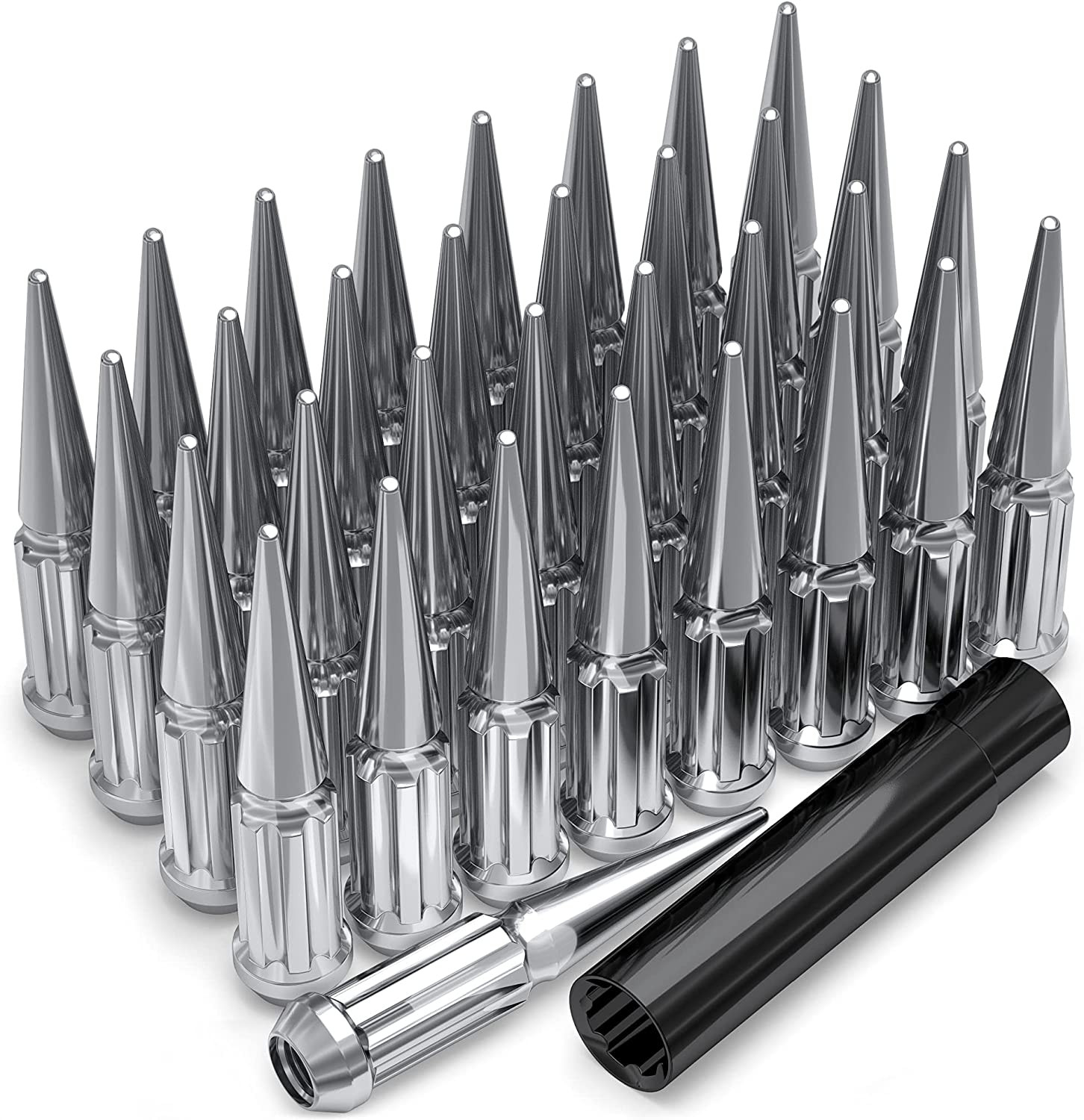
2016 Ford Fusion Wheel Fitment and Interchange Guide
Known OEM Fitment For 2016 Ford Fusion
The following specifications are the known fitment data provided for the 2016 Ford Fusion. Ford wheel and tire specifications can vary by trim, package, wheel, and brake configuration, so confirm your vehicle's original equipment information before purchasing replacement wheels or tires.
| Specification |
Known value |
| Bolt pattern |
5x10⁸ |
| Center bore |
63.4 mm |
| Thread size |
M14 x 1.5 |
| Rim diameter |
18 inches |
| Rim width |
8.0 inches |
| Wheel offset |
ET55 |
| Backspacing |
6.17 inches |
| Tire section width |
215 mm |
| Tire aspect ratio |
60 |
| Tire rim diameter |
R16 |
The provided data includes an 18-inch wheel specification and a tire rim diameter of R16. These values should not automatically be treated as one matched wheel and tire package. Confirm the tire size printed on your current sidewall, the tire placard, the owner's documentation, or a Ford parts source before ordering. The on-page calculator can help compare different wheel and tire inputs, but it does not replace OEM confirmation or a physical clearance check.
For a wheel to mount correctly, the 5x10⁸ bolt pattern, 63.4 mm center-bore requirement, thread compatibility, offset, width, brake clearance, and load rating all need to be considered. A matching bolt pattern alone does not prove that a donor wheel is safe or compatible.
How To Use The Wheel Interchange Calculator
Use the calculator to compare wheels from a donor vehicle with the wheels installed on your 2016 Ford Fusion. Enter the donor wheel information in “Wheels from” and your vehicle information in “Installed on.” Use measured or verified values whenever possible.
- Start with the bolt pattern, center bore, wheel diameter, wheel width, and offset.
- Compare the donor wheel's width and offset with the known Fusion values of 8.0 inches and ET55 only after confirming that those values apply to your trim and wheel package.
- Enter the tire section width and aspect ratio for both setups when comparing complete wheel and tire combinations.
- Use “Custom wheel size” to test a different rim diameter, width, or offset.
- Use “Custom tire size” to test a different tire section width or aspect ratio.
- When you change rim diameter, review the updated tire diameter in the comparison. The calculator changes the tire diameter relationship as part of the comparison.
A calculator result is a screening tool, not a final installation approval. Check inner suspension clearance, outer fender clearance, brake-caliper clearance, steering clearance, and tire load and speed requirements on the actual vehicle.
Fitment Checklist Before You Buy
- Confirm the wheel uses a 5x10⁸ bolt pattern.
- Confirm the wheel's center bore is 63.4 mm or larger, with properly sized hub-centric rings when appropriate. A wheel with a smaller center bore will not fit over the hub.
- Verify the wheel offset and width instead of relying on appearance or a seller's general vehicle description.
- Check that the wheel clears the brake caliper, rotor, suspension, steering components, and inner wheel well.
- Confirm the wheel's load rating is sufficient for the vehicle and intended use.
- Make sure the wheel's lug-seat design matches the correct lug nuts. Do not assume that the original lug nuts fit an aftermarket or donor wheel.
- Confirm the tire size, load index, speed rating, and approved rim-width range.
- Inspect used wheels for cracks, bends, corrosion around the bead seat, repaired damage, and damaged lug holes.
- Confirm tire pressure monitoring system compatibility and the procedure required to relearn or register sensors.
- Check the tire placard and owner's information for the correct cold inflation pressure. Do not use the maximum pressure molded into the tire as the vehicle's recommended pressure.
OEM wheel markings, the tire sidewall, the driver's-door information label, the owner's manual, and a Ford parts department are useful sources for confirming specifications that vary by trim or package.
Plus Sizing And Common Upgrades
Plus sizing usually means installing a larger-diameter wheel with a lower-profile tire while keeping the overall tire diameter near the original target. This can change steering feel, ride comfort, road-noise levels, wheel-damage risk, fuel economy, and speedometer behavior.
The provided data includes 18-inch, 8.0-inch, ET55 wheel information and a separate R16 tire rim-diameter value. Because these entries do not describe one confirmed combination, do not use them as permission to install a specific plus-size package. Verify the original tire size and the approved replacement sizes for your exact Fusion before ordering.
When testing a proposed upgrade in the calculator, compare overall tire diameter, section width, wheel offset, and backspacing. A wider tire or a different offset can move the tire closer to the strut, suspension, fender, or body. A larger wheel can also reduce sidewall cushioning. After installation, turn the steering from lock to lock and check clearance with the suspension loaded, but have a qualified technician inspect the result if clearance is close.
Installation Tips
- Clean the hub face and wheel mounting surface before installation. Remove rust, dirt, and loose scale without damaging the mating surfaces.
- Test-fit one wheel on the front and one on the rear before mounting all four, especially when using donor or aftermarket wheels.
- Verify that the wheel seats fully against the hub and that no caliper or suspension component contacts the wheel.
- Install the correct lug nuts by hand for several turns to avoid cross-threading. The provided thread specification is M14 x 1.5, but lug-seat style and vehicle-specific tightening requirements still need confirmation.
- Tighten the lug nuts in a star or crisscross pattern using the vehicle or wheel manufacturer's specified torque. Do not guess the torque value.
- After lowering the vehicle, recheck torque with a calibrated torque wrench according to the manufacturer's service instructions.
- Recheck lug-nut torque after the initial driving period specified by the wheel or vehicle manufacturer.
- Set tire pressure using the vehicle's tire placard, then inspect for leaks and verify that the TPMS system operates correctly.
- Stop driving if you notice vibration, rubbing, steering pull, loss of pressure, or unusual noise. Reinspect the installation before continuing.
Tools And Helpful Supplies
Basic wheel work requires safe lifting equipment, proper support, and accurate tightening tools. A floor jack alone is not a safe support method for working under a vehicle.
- Use a vehicle-rated floor jack and jack stands placed at the manufacturer's approved lifting and support points.
- Use a calibrated torque wrench for final lug-nut tightening. Shop automotive torque wrenches on Amazon.
- Use a socket and breaker bar that fit the lug nuts correctly, along with a wheel chock for the wheels remaining on the ground.
- Use a tire-pressure gauge and an air source to set cold pressure accurately.
- A tread-depth gauge can help evaluate used tires, but it does not identify internal tire damage or confirm correct fitment.
- Use a wire brush or appropriate hub-cleaning tool to remove corrosion from the wheel-to-hub mating surface. Shop automotive hub-cleaning tools on Amazon.
FAQs
Does a 5x10⁸ wheel automatically fit a 2016 Ford Fusion?
No. The known bolt pattern is 5x10⁸, but center bore, offset, width, brake clearance, lug-seat design, load rating, and tire specifications must also match.
What center bore does the provided fitment data list?
The provided center bore is 63.4 mm. A smaller wheel center bore will not fit over the vehicle hub. A larger bore may require correctly sized hub-centric rings where appropriate.
What is the listed thread size?
The provided thread size is M14 x 1.5. Confirm the correct lug-nut seat and exact hardware requirements for the wheel being installed. Thread size alone does not identify a safe lug nut.
Can I use the listed 18-inch wheel data with the listed R16 tire data?
Not without verification. An 18-inch wheel requires a tire designed for an 18-inch rim, while R16 identifies a tire for a 16-inch rim. The supplied entries may represent different fitment records or partial data, so confirm the intended wheel and tire package from OEM sources and the vehicle tire placard.
How does changing wheel diameter affect the calculator comparison?
When you change rim diameter in the custom wheel settings, the calculator updates the tire diameter in the comparison. Review the resulting overall diameter and do not rely on wheel diameter alone when selecting a tire.
Can I install wheels with a different offset?
A different offset changes the wheel's position relative to the suspension and fender. It may be possible in some applications, but the result must be checked for brake, suspension, steering, and fender clearance. Use the calculator for comparison, then physically test-fit and verify the wheel's load rating.
Where can I confirm the correct tire size for my Fusion?
Check the tire and loading information label on the driver's door area, the owner's manual, the current tire sidewall, and Ford OEM parts or service information. If these sources disagree, ask a Ford dealer or qualified tire professional to verify the exact trim and package.
What should I do if the installed wheel vibrates?
Stop and inspect the wheel seating, lug-nut torque, tire balance, tire condition, hub cleanliness, and wheel runout. Do not continue driving at speed until the cause has been identified and corrected.