2017 Ford Fusion Wheel Fitment Guide
Known OEM Fitment For 2017 Ford Fusion
The following specifications are the known fitment values provided for this 2017 Ford Fusion page. Factory specifications can vary by trim, package, wheel, and tire configuration, so confirm the vehicle-specific information on the driver-door placard, owner’s manual, or with a Ford parts source before purchasing.
| Specification |
Known value |
| Bolt pattern |
5x10⁸ |
| Center bore |
63.4 mm |
| Thread size |
M14 x 1.5 |
| Rim diameter |
18 inches |
| Rim width |
8.0 inches |
| Wheel offset |
ET55 |
| Backspacing |
6.17 inches |
| Tire section width |
215 mm |
| Tire aspect ratio |
60 percent |
| Tire rim diameter |
R16 |
The supplied data shows an 18-inch wheel specification and a tire rim diameter of R16. These values should not automatically be treated as one wheel-and-tire package. They may represent different configurations or incomplete data. Verify the complete original tire marking and wheel size for your specific vehicle before using them to select replacement parts.
How To Use The Wheel Interchange Calculator
Use the on-page calculator to compare wheels from a donor vehicle with wheels installed on your 2017 Ford Fusion. Enter the donor vehicle information in the “Wheels from” fields and the Fusion information in the “Installed on” fields.
When comparing a custom wheel, adjust the custom rim diameter, rim width, and offset. You can also enter a custom tire section width and aspect ratio. Changing the rim diameter updates the tire diameter shown in the comparison, which helps you review overall size differences.
Use the calculator as a screening tool, not as a substitute for a physical test fit or OEM confirmation. A result that appears numerically close does not confirm brake-caliper clearance, spoke clearance, fender clearance, load capacity, or tire suitability.
Fitment Checklist Before You Buy
Confirm the 5x10⁸ bolt pattern and verify that the wheel’s center bore is compatible with the vehicle’s 63.4 mm hub. A wheel with a larger center bore may require correctly sized hub-centric rings, while a wheel with a smaller center bore generally cannot seat over the hub without modification. Do not force a wheel onto the hub.
Check the wheel offset, width, and backspacing together. The supplied reference values are ET55, 8.0 inches wide, and 6.17 inches of backspacing. Changes in any of these dimensions can affect suspension, steering, brake, and fender clearance.
Verify the wheel’s load rating, diameter, width range, valve-stem compatibility, and lug-seat design. The wheel must also clear the brake assembly. Ask the seller for the exact wheel part number and technical specifications rather than relying only on a generic vehicle list.
Confirm the tire size printed on the sidewall and compare it with the door placard and owner’s manual. Do not combine the supplied 18-inch rim value with the supplied R16 tire value without confirming which configuration applies to your vehicle.
Plus Sizing And Common Upgrades
Plus sizing changes wheel diameter while maintaining a similar overall tire diameter by using a different tire sidewall height. The calculator can show how custom rim diameter, tire section width, and aspect ratio affect the comparison, but the displayed result does not establish that a proposed combination is safe or approved.
When considering a wider wheel or tire, inspect both sides of the tire and wheel for clearance at full steering lock and throughout suspension travel. Also check the relationship between the new offset and the original wheel. A wheel that moves outward may approach the fender, while a wheel that moves inward may approach suspension or brake components.
Keep the replacement tire’s load index and speed rating appropriate for the vehicle. Do not choose a tire solely because its diameter appears similar. Use the vehicle placard, owner’s manual, tire manufacturer data, and wheel manufacturer documentation to confirm the complete combination.
Installation Tips
Before installation, clean the hub mounting surface and the wheel mating surface. Remove rust, dirt, and debris without removing metal from the hub or wheel. Test-fit one wheel at a time and rotate it by hand to check for obvious interference before lowering the vehicle fully.
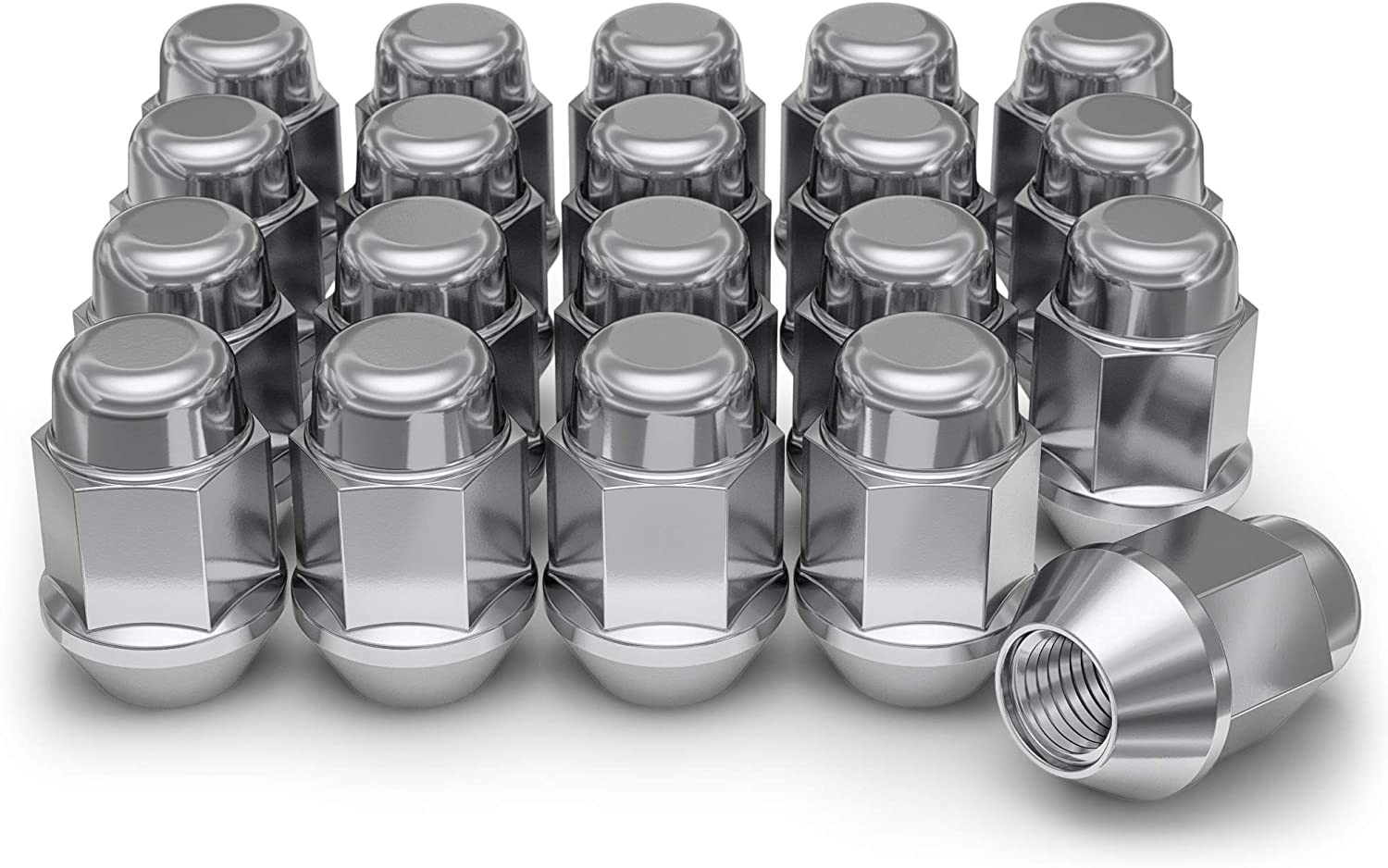
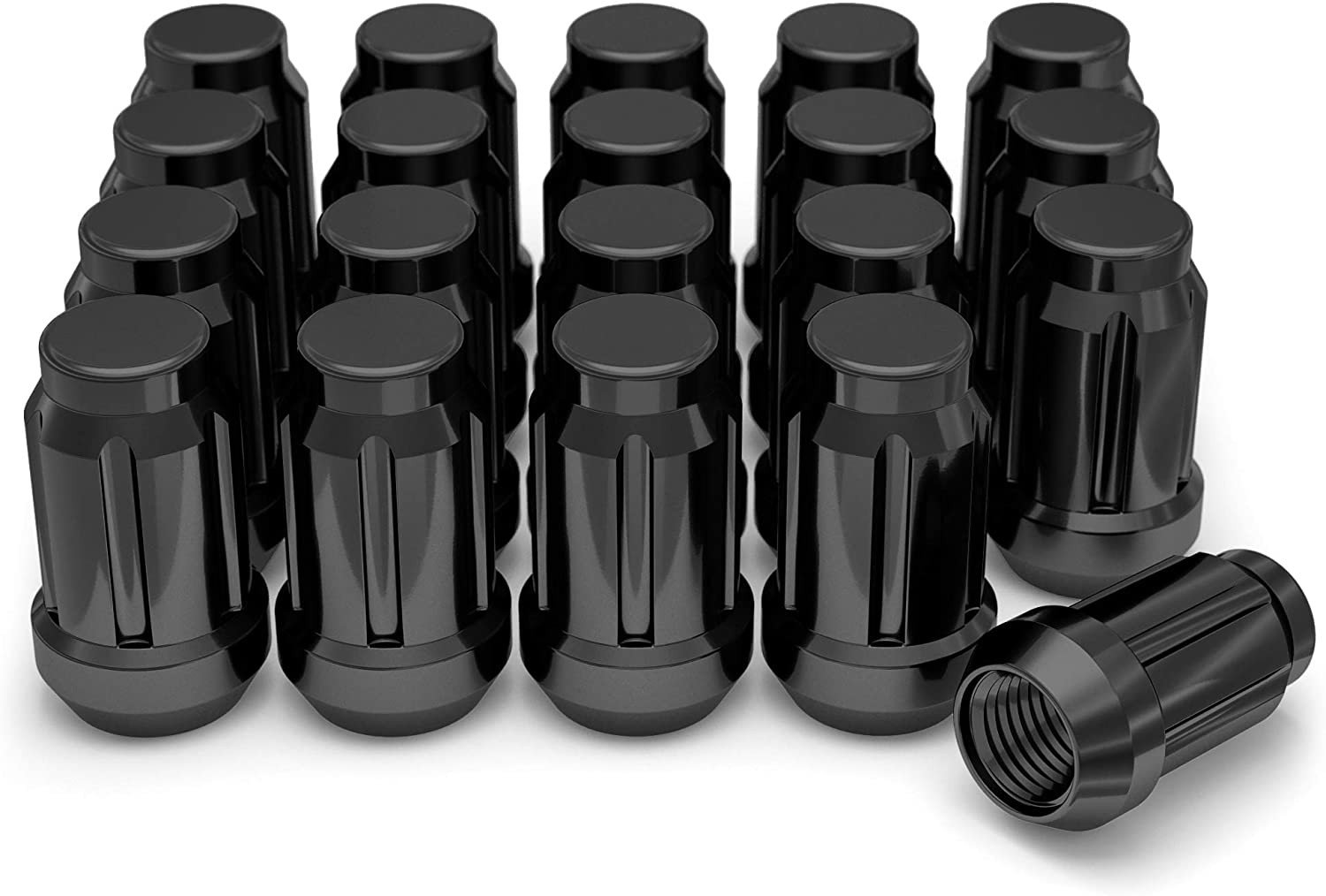
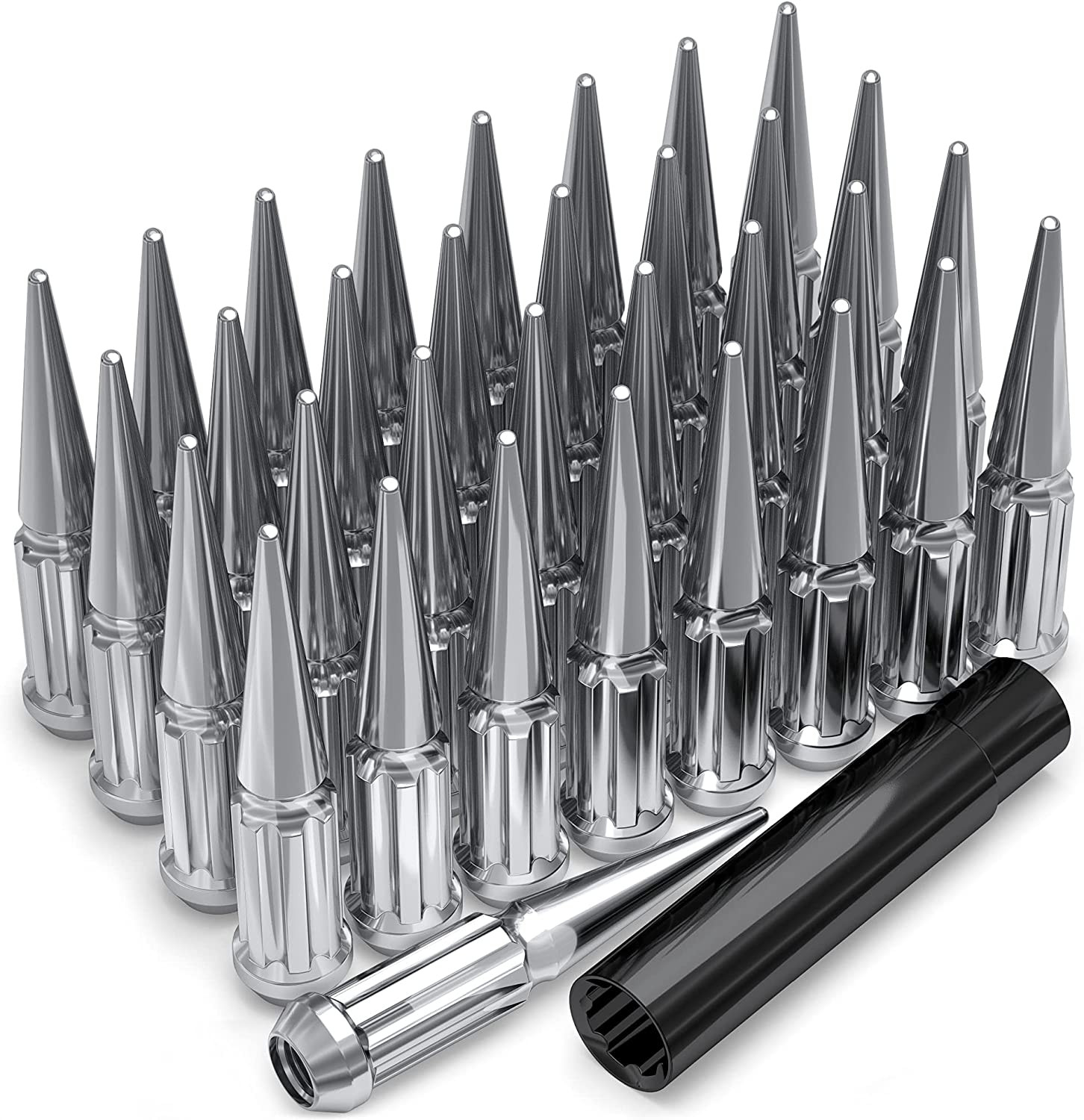
Use the correct M14 x 1.5 hardware only when it matches the wheel’s lug-seat type and the vehicle’s requirements. Thread engagement, lug-seat shape, and stud or bolt design all matter. Do not use conical-seat hardware on a wheel requiring a different seat.
After the vehicle is lowered enough to keep the wheel from turning, tighten the lug hardware in a star pattern. Finish with a calibrated torque wrench using the torque value specified by Ford for your exact vehicle and hardware. Recheck torque after the initial driving period specified by the vehicle or wheel manufacturer.
After fitting different wheels or tires, check tire pressure, steering clearance, brake clearance, and warning-light status. If the tire pressure monitoring system uses vehicle-specific sensors, confirm sensor compatibility and relearn requirements before regular driving.
Tools And Helpful Supplies
A calibrated torque wrench, correctly sized socket, wheel chocks, jack, and properly rated jack stands are important for safe wheel work. Never rely on a jack alone to support the vehicle.
Useful supplies can include a wire brush or approved hub-cleaning tool, a tire-pressure gauge, valve-core tools, and a tread-depth gauge. A hub-centric ring may be appropriate only when the wheel manufacturer confirms the ring dimensions and application.
For reference, you can compare available wheel torque wrenches and wheel chocks and jack stands. Confirm the tool specifications and safe working load before use.
FAQs
What is the bolt pattern for a 2017 Ford Fusion?
The known bolt pattern provided for this page is 5x10⁸. Confirm the pattern on the wheel documentation and vehicle-specific OEM information before purchase.
What is the center bore for the 2017 Ford Fusion?
The known center bore is 63.4 mm. A replacement wheel must fit the hub correctly. If the wheel has a larger bore, confirm whether an accurately sized hub-centric ring is recommended by the wheel manufacturer.
What wheel offset is listed for this 2017 Ford Fusion?
The supplied wheel offset is ET55, with a listed rim width of 8.0 inches and backspacing of 6.17 inches. These values should be checked together because changing wheel width or offset changes wheel position and clearance.
Can I use any 5x10⁸ wheel on a 2017 Ford Fusion?
No. Matching the bolt pattern alone is not enough. You must also verify center bore, offset, width, brake clearance, lug-seat type, load rating, and tire compatibility. Use the calculator for an initial comparison, then confirm the wheel manufacturer’s specifications and perform a careful test fit.
Why does the page list an 18-inch rim and an R16 tire diameter?
The supplied fitment information contains both values, but they do not describe one confirmed wheel-and-tire package by themselves. They may refer to different configurations or partial data. Check the tire sidewall, driver-door placard, owner’s manual, and OEM parts information to determine the correct configuration for your vehicle.
Does the calculator guarantee that a donor wheel will fit?
No. The calculator compares entered dimensions and updates tire diameter when the custom rim diameter changes. It cannot verify every physical issue, including spoke-to-caliper clearance, inner suspension clearance, fender contact, hardware compatibility, or wheel load capacity.
What tire information should I confirm before ordering?
Confirm the complete tire marking, including section width, aspect ratio, rim diameter, load index, and speed rating. Compare the proposed size with the vehicle placard and tire manufacturer guidance. The supplied values of 215 mm section width, 60 percent aspect ratio, and R16 rim diameter should be independently verified for your specific Fusion.