2004 Ford F-150 Wheel Interchange And Fitment Guide
Known OEM Fitment For 2004 Ford F-150
The following specifications are the known reference values for this 2004 Ford F-150 wheel fitment page. They may vary by trim, package, drivetrain, or replacement wheel configuration, so confirm the information against the vehicle’s original wheel markings, owner’s manual, door-jamb label, and Ford service information before purchasing.
| Specification |
Known value |
| Bolt pattern |
6x135 |
| Center bore |
87.1 mm |
| Thread size |
M14 x 2.00 |
| Rim diameter |
17 inches |
| Rim width |
7.5 inches |
| Wheel offset |
ET44, or 44 mm |
| Backspacing |
5.48 inches |
| Reference tire size |
235/75R17 |
| Tire section width |
235 mm |
| Tire aspect ratio |
75 percent |
These values should be treated as known reference data, not a guarantee that every 2004 F-150 trim uses the same wheel or tire specification. A replacement wheel must match the 6x135 bolt pattern, provide suitable clearance for the hub and brakes, and use the correct fasteners and seating style.
How To Use The Wheel Interchange Calculator
Use the calculator on this page to compare wheels from a donor vehicle with the wheels installed on your 2004 Ford F-150. Select the donor vehicle in the “Wheels from” area and select the F-150 in the “Installed on” area. Review the displayed bolt pattern, center bore, diameter, width, offset, and tire information before treating the result as a purchase decision.
You can also select “Custom wheel size” to enter a rim diameter, rim width, and offset. Enter a custom tire section width and aspect ratio when evaluating a different tire size. When rim diameter changes, the calculator updates the tire diameter comparison, which helps show how the proposed setup differs from the reference configuration.
Use the calculator to identify dimensional differences, not to replace a physical test fit or OEM confirmation. It may not account for every brake, suspension, fender, steering, load-rating, or aftermarket component difference. Measure the vehicle and inspect the wheel before installation.
Fitment Checklist Before You Buy
Confirm the wheel has a 6x135 bolt pattern and that its center-bore design is appropriate for an 87.1 mm hub. A wheel with a larger center bore may require properly sized hub-centric rings where appropriate, while a wheel with a smaller center bore generally will not seat over the hub. Do not force a wheel onto the hub.
Check the proposed diameter, width, and offset against the calculator and the vehicle. Offset changes can affect inner suspension clearance, outer fender clearance, steering behavior, and scrub geometry. Verify clearance with the steering turned fully left and right and with the suspension loaded as appropriate.
Confirm the wheel’s load rating is suitable for the truck and its intended payload or towing use. Verify that the tire load index, speed rating, diameter, and pressure capability meet or exceed the vehicle manufacturer’s requirements. The door-jamb label and owner’s manual are the primary sources for the vehicle’s required tire information.
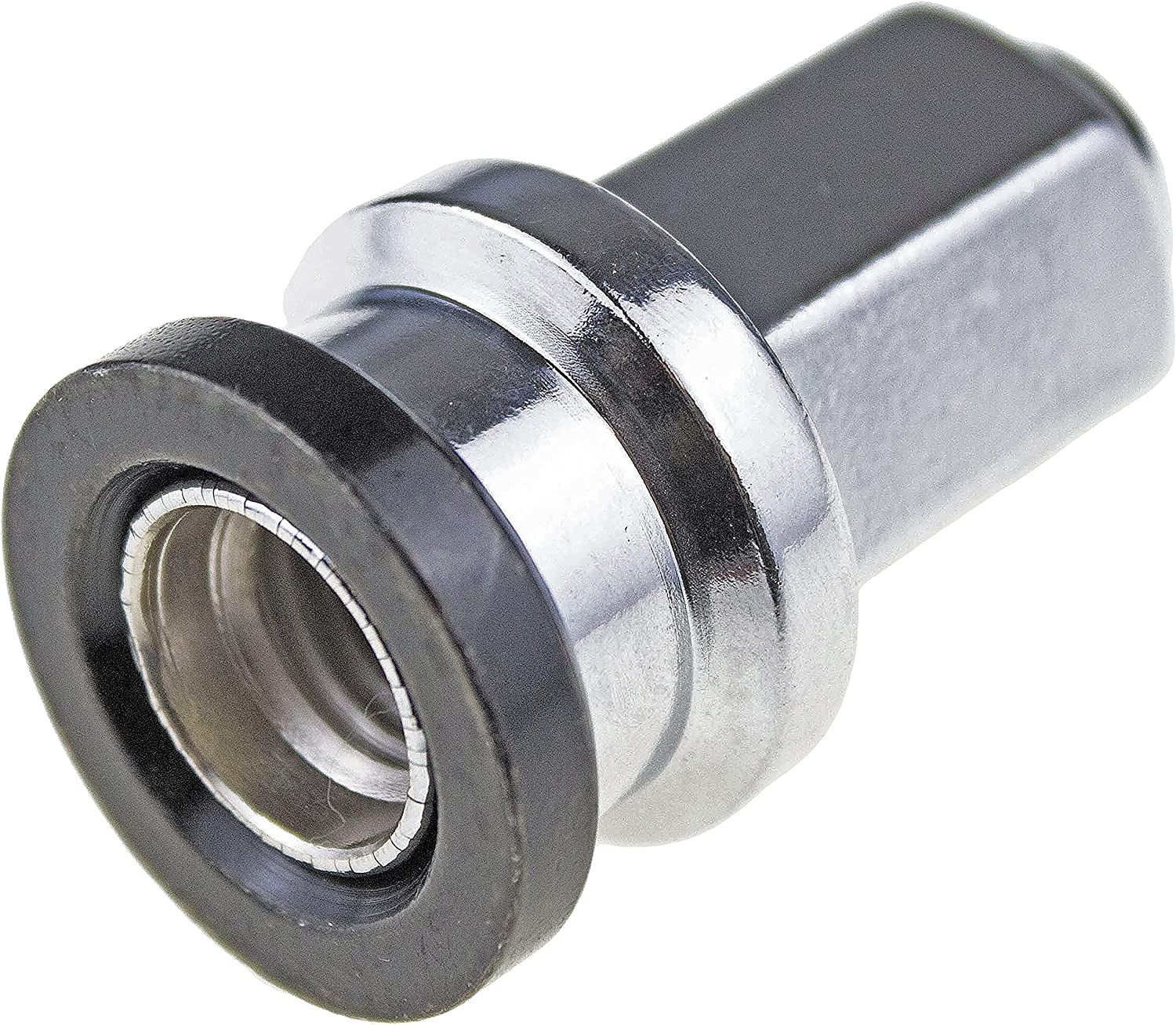
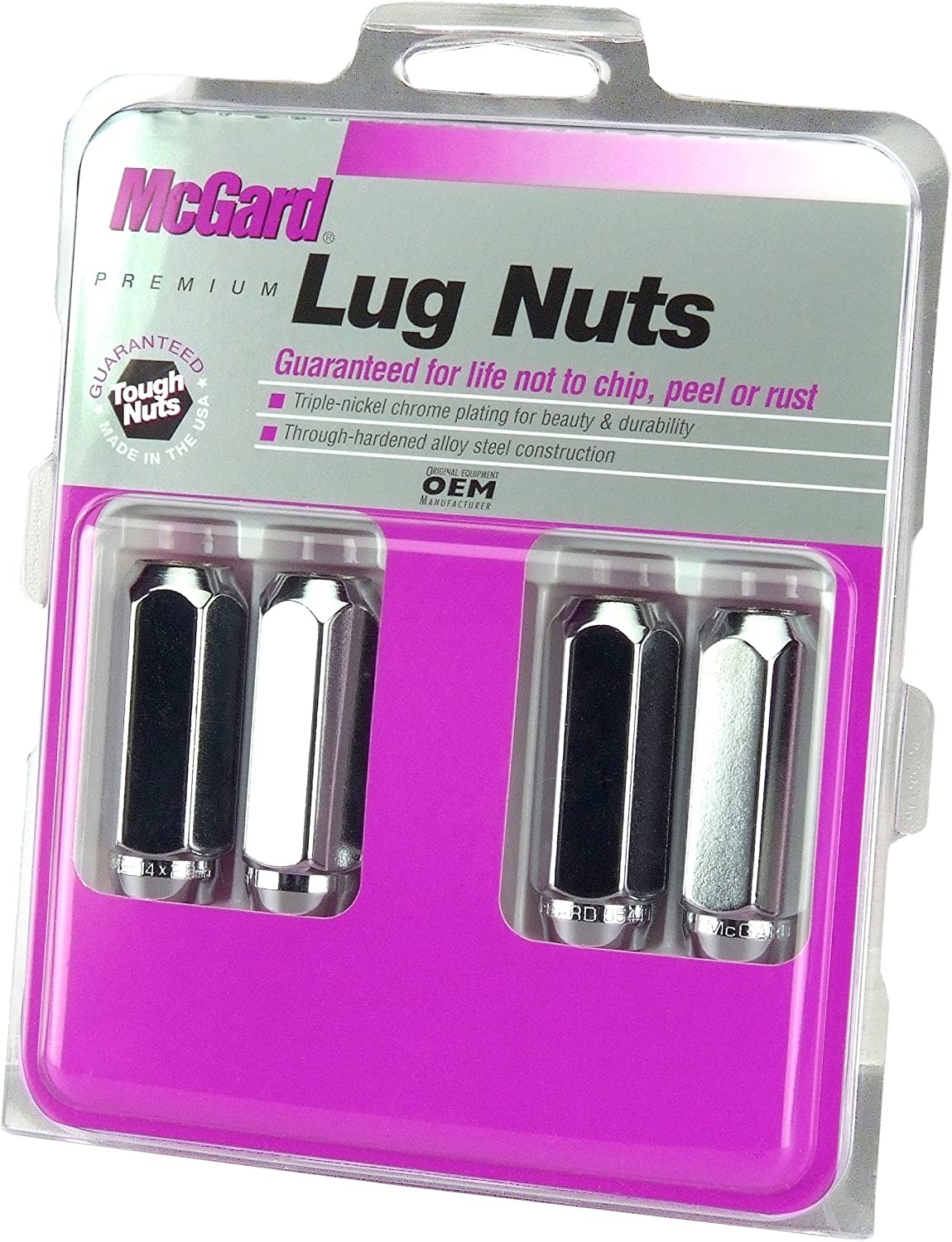
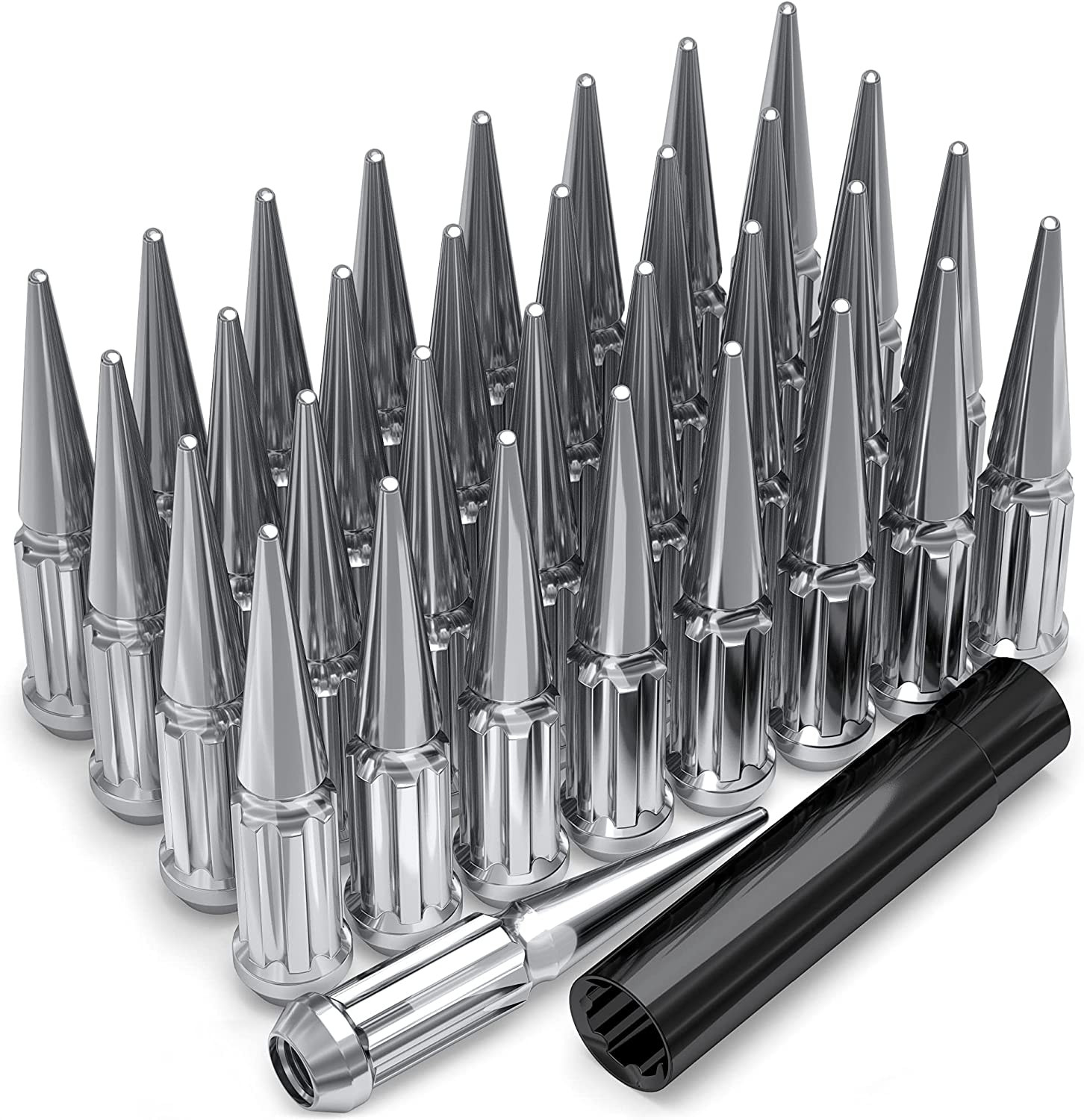
Inspect used wheels for cracks, bends, corrosion around the bead seat, damaged lug holes, and previous repairs. Confirm the wheel accepts the correct M14 x 2.00 fasteners and that the fastener seat matches the wheel. Thread size alone does not confirm the correct lug nut design.
Plus Sizing And Common Upgrades
Plus sizing usually means using a larger rim diameter with a lower-profile tire while maintaining a similar overall tire diameter. This can change handling and appearance, but it can also reduce sidewall protection, affect ride comfort, increase wheel damage risk, and alter the accuracy of vehicle systems if the overall diameter changes too much.
Use the calculator to compare the reference 235/75R17 tire with a proposed custom tire. Pay attention to the displayed diameter difference and to the change in section width. A wider tire may require additional clearance at the suspension, steering components, inner fender, and outer fender. A different offset can increase or decrease these clearances even when the tire size remains unchanged.
Do not assume that a wheel from another vehicle fits solely because it has six lug holes or a similar advertised diameter. Confirm the complete bolt pattern, center bore, offset, wheel width, brake clearance, load rating, and fastener compatibility. The calculator can help compare dimensions, but the vehicle and wheel manufacturer remain the final authorities.
Installation Tips
Before mounting a wheel, clean the hub face and the wheel mounting surface. Remove rust, dirt, and loose coating without removing material that affects the fit. Test-fit the wheel by hand and confirm that it sits flat against the hub with no interference.
Install only compatible lug nuts with the correct thread and seat style. Start every fastener by hand to avoid cross-threading. Tighten the fasteners in a star pattern, then use a calibrated torque wrench and the vehicle or wheel manufacturer’s specified torque. The correct torque value is not provided here because it can vary by application and hardware.
After installation, verify that the tire does not contact the suspension, brake components, bodywork, or fender liners. Turn the steering from lock to lock and check clearance. Recheck fastener torque after the first drive and again according to the wheel manufacturer’s instructions.
Tools And Helpful Supplies
Useful supplies include a calibrated torque wrench, a suitable socket, a jack and jack stands rated for the truck, wheel chocks, a tire pressure gauge, and a wire brush or approved hub-cleaning tool. A straightedge and tape measure can help with basic clearance checks, but they do not replace a professional alignment or inspection.
For compatible replacement hardware or wheel service equipment, compare the product specifications carefully rather than relying only on a vehicle search result:
FAQs
What is the bolt pattern for the 2004 Ford F-150?
The known reference bolt pattern is 6x135. Confirm it for the specific truck and wheel application before buying.
What is the center bore?
The known reference center bore is 87.1 mm. A replacement wheel must provide suitable hub clearance and should not be forced onto the hub.
What is the reference tire size?
The provided reference tire size is 235/75R17, consisting of a 235 mm section width, a 75 percent aspect ratio, and a 17-inch rim diameter. Verify the required tire size on the vehicle’s door-jamb label and in the owner’s manual.
Can any 6x135 wheel fit this truck?
No. The bolt pattern is only one part of fitment. Center bore, offset, width, brake clearance, load rating, fastener seat, and tire clearance must also be suitable.
What thread size is listed for the wheel fasteners?
The known thread size is M14 x 2.00. Confirm the lug nut seat style and the vehicle’s required hardware before installation, because matching thread size alone is not sufficient.
Will a larger wheel diameter fit?
A larger diameter may fit, but compatibility is not guaranteed. Enter the custom wheel and tire dimensions in the calculator, compare overall diameter and width, then physically verify brake, suspension, steering, and fender clearance.
Does changing wheel offset affect fitment?
Yes. Offset changes the wheel’s position relative to the hub and can alter inner and outer clearance. Compare the proposed offset with the known ET44 reference and inspect the complete setup before driving.
Where can I confirm the correct specifications?
Check the original wheel markings, the vehicle door-jamb label, the owner’s manual, Ford service information, and the wheel and tire manufacturers’ documentation. If those sources disagree, have a qualified tire or wheel technician inspect the vehicle before purchase.