2009 Ford F-150 Wheel Fitment Guide
Known OEM Fitment For 2009 Ford F-150
The following specifications are the known reference values provided for the 2009 Ford F-150. Fitment can vary by trim, package, brake configuration, and wheel option, so confirm your truck using the door-jamb label, owner documentation, VIN-based OEM parts information, or the original wheel markings before purchasing.
| Specification |
Known value |
| Bolt pattern |
6x135 |
| Center bore |
87.1 mm |
| Thread size |
M14 x 2.00 |
| Rim diameter |
17 inches |
| Rim width |
7.5 inches |
| Wheel offset |
ET44, or 44 mm |
| Backspacing |
5.48 inches |
| Reference tire size |
255/70R17 |
The reference 255/70R17 tire uses a 255 mm section width, a 70 percent aspect ratio, and a 17-inch rim diameter. Its calculated overall diameter is approximately 31.1 inches. Treat this as a comparison value, not a replacement for the tire sizes and load ratings listed for your specific truck.
How To Use The Wheel Interchange Calculator
Use the calculator to compare a donor vehicle's wheels with the wheels installed on your 2009 Ford F-150. Start by entering or selecting the donor vehicle under “Wheels from” and your Ford under “Installed on.” Review the bolt pattern, center bore, wheel width, diameter, offset, and tire measurements together rather than relying on only one specification.
You can also select “Custom wheel size” to enter a rim diameter, rim width, and offset. Use “Custom tire size” to enter the tire section width and aspect ratio. When you change the rim diameter, the calculator updates the tire diameter in the comparison, helping you evaluate changes to overall size and clearance.
The calculator is a screening tool. It cannot confirm brake-caliper clearance, suspension clearance, fender clearance, spare-tire fit, load capacity, or the correct lug hardware for every trim and wheel design. Physically inspect the wheel and verify OEM requirements before driving.
Fitment Checklist Before You Buy
- Confirm the truck's 6x135 bolt pattern and verify that the donor wheel has the same pattern. Do not force a wheel with a different pattern onto the studs.
- Confirm the 87.1 mm reference center bore. A wheel with a smaller bore will not seat over the hub. A larger bore may require correctly sized hub-centric rings if the wheel manufacturer permits their use.
- Compare offset and backspacing. A change can move the wheel toward the suspension or outward toward the fender.
- Check the wheel's load rating against the truck's axle and vehicle requirements. The provided fitment data does not include a load-rating value.
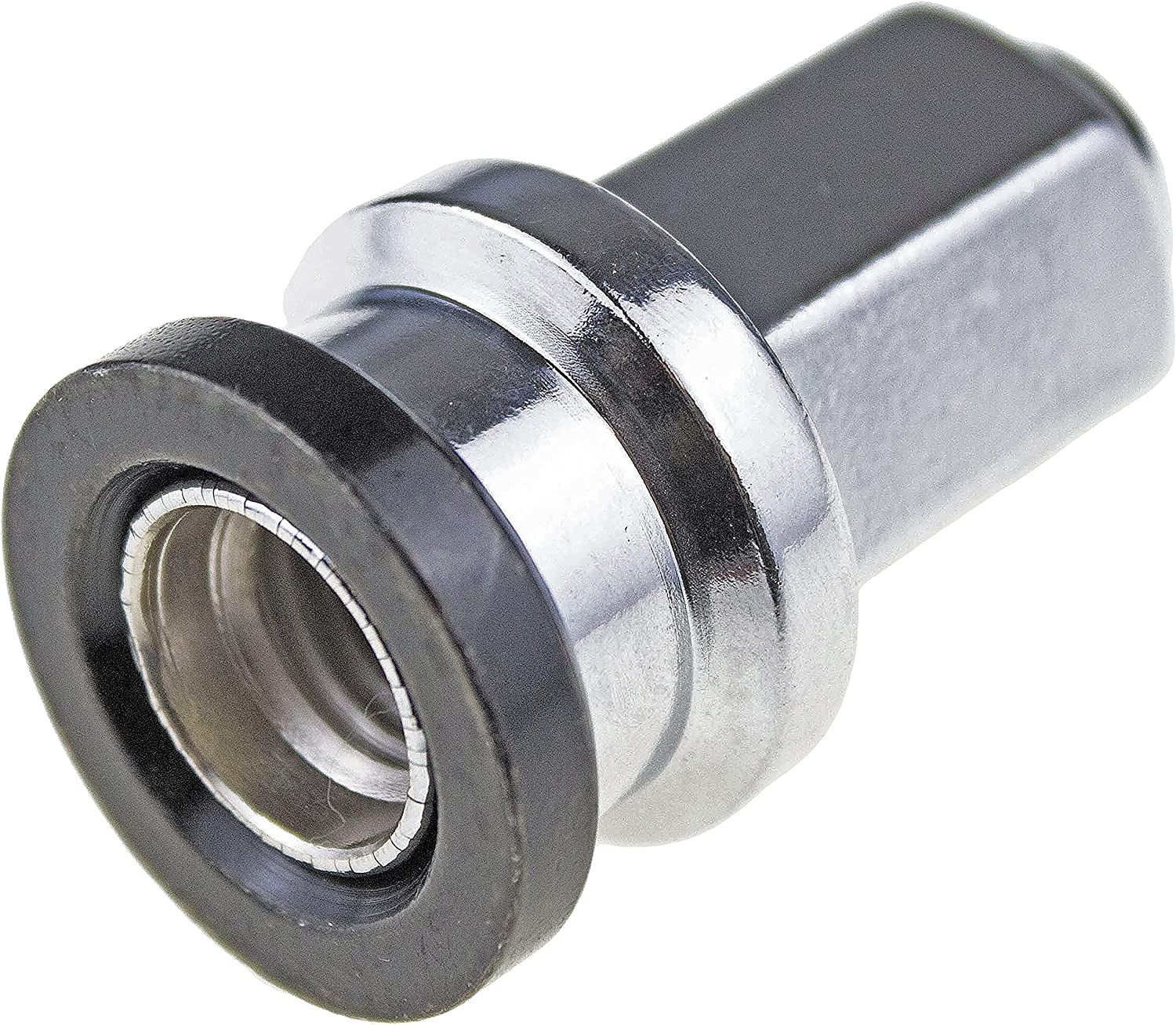
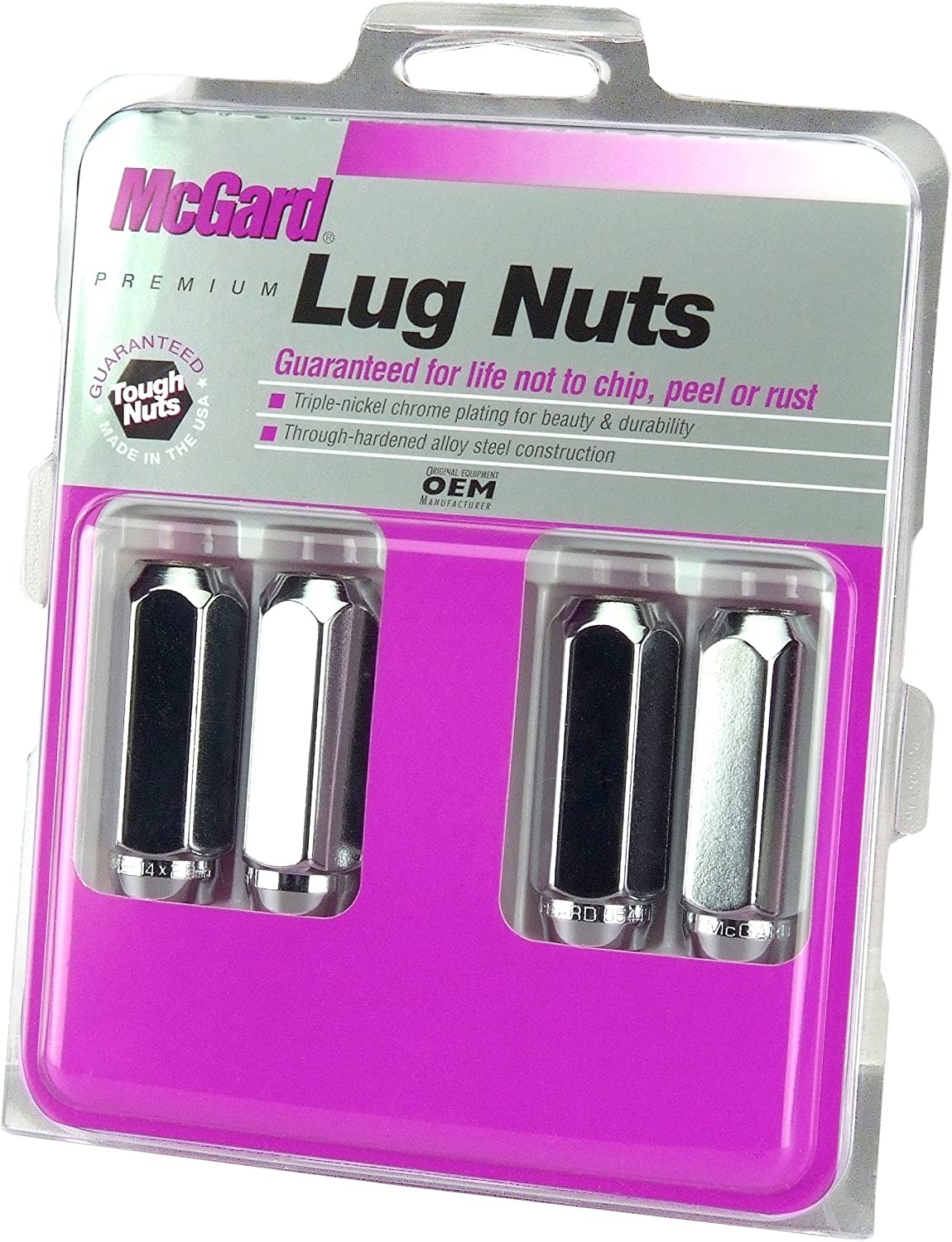
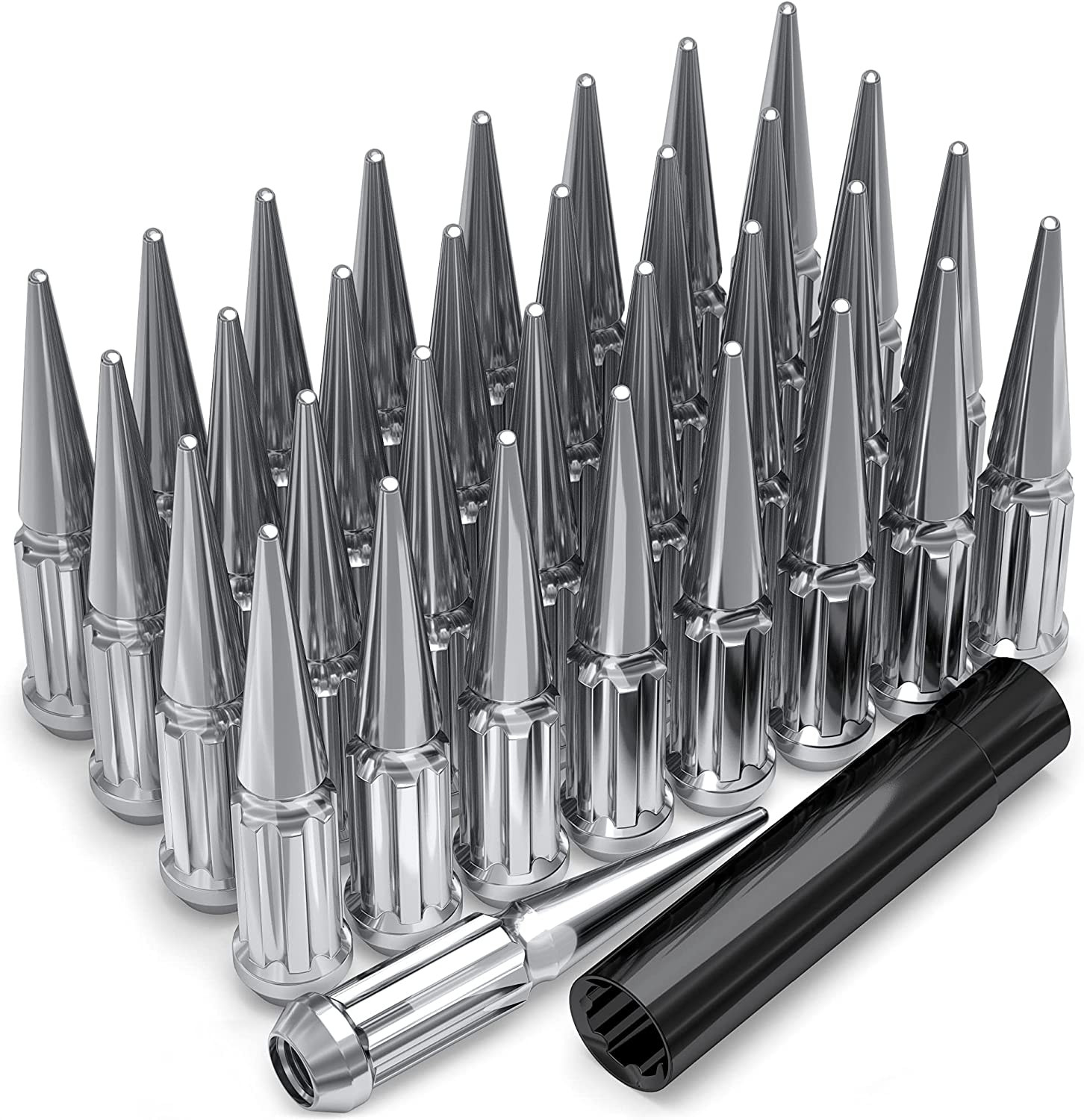
- Verify the wheel's lug-seat style, stud engagement, nut compatibility, and any washer or shank requirements. Thread size alone does not identify the correct lug nut seat.
- Inspect for brake-caliper, tie-rod, upper-control-arm, shock, and inner-fender clearance. Clearance depends on the wheel's spoke and barrel design, not just its dimensions.
- Confirm the tire's load index, speed rating, diameter, width, and intended service use against the vehicle and tire manufacturer requirements.
- Check whether the selected tire and wheel combination affects the spare tire, jack, tire-pressure monitoring system, or electronic safety systems.
- Have a tire professional inspect the assembly if the wheel is used, repaired, repainted, or missing manufacturer markings.
Plus Sizing And Common Upgrades
Plus sizing changes the wheel diameter while attempting to maintain a similar overall tire diameter. The calculator can help compare custom rim and tire dimensions, but it does not establish that a combination is safe for every 2009 Ford F-150 trim.
A wider tire or a different offset can increase contact with suspension components, inner liners, or fenders. A lower-profile tire may also provide less impact protection for the wheel and may change ride quality. Do not choose a tire only because its calculated diameter is close to the reference value.
Before selecting an upgrade, confirm the complete tire size, load index, wheel load rating, offset, backspacing, center bore, brake clearance, and manufacturer approval. If the replacement diameter differs materially from the original reference, speedometer, gearing, and vehicle-system behavior may be affected.
Installation Tips
- Clean the hub face and wheel mounting surface. Rust, dirt, paint buildup, or debris can prevent the wheel from seating correctly.
- Install the wheel by hand and start every lug nut by hand to avoid cross-threading the M14 x 2.00 studs.
- Use only lug nuts that match the wheel's seat type and the vehicle's required thread specifications.
- Snug the lug nuts in a star or crisscross pattern, then torque them with a calibrated torque wrench to the vehicle or wheel manufacturer's specified value. The correct torque is not provided here and should not be guessed.
- Check that the wheel rotates freely and that there is no contact with the brake, suspension, steering, or body components before lowering the vehicle fully.
- After installation, recheck lug torque according to the vehicle or wheel manufacturer's instructions, especially after the first short drive. Stop immediately if vibration, rubbing, pulling, or unusual noise occurs.
- Set tire pressure using the vehicle's door-jamb label or the tire manufacturer's instructions, not the maximum pressure molded into the tire sidewall.
Tools And Helpful Supplies
Useful equipment includes a floor jack and appropriately rated jack stands, wheel chocks, a socket set, a calibrated torque wrench, a tire-pressure gauge, and a tread-depth or inspection tool. Choose lifting points and support locations from the Ford service information for your truck.
A calibrated automotive torque wrench can help you apply the specified wheel torque accurately. A wheel hub-centric ring search may be useful only when the wheel bore is larger than the hub and the ring dimensions are confirmed. Do not use rings to compensate for a smaller wheel bore or an incorrect bolt pattern.
FAQs
What is the known bolt pattern for the 2009 Ford F-150?
The provided reference fitment is 6x135. Confirm the pattern for your particular truck and the replacement wheel before purchase.
What center bore is listed for this truck?
The known reference center bore is 87.1 mm. A wheel bore smaller than the hub will not fit. A larger bore may need properly sized hub-centric rings, provided the wheel manufacturer allows them.
What wheel size is listed as the OEM reference?
The provided reference is a 17 x 7.5-inch wheel with ET44 offset and 5.48-inch backspacing. These values should be verified against your trim, original wheel, and OEM documentation.
What tire size is used for the reference comparison?
The provided reference tire is 255/70R17. The calculator can compare custom section width, aspect ratio, and rim diameter, but the correct replacement tire also requires an appropriate load index and rating.
Can I use wheels with a different offset?
Possibly, but a different offset changes the wheel's position relative to the suspension and fender. Use the calculator to compare the change, then verify physical clearance, wheel load rating, lug hardware, and brake clearance on the actual vehicle.
Does the calculator guarantee that a donor wheel will fit?
No. It compares listed dimensions and custom inputs. It cannot guarantee spoke clearance, brake clearance, load capacity, lug-seat compatibility, tire clearance, or fitment across every trim and wheel design.
Do I need hub-centric rings?
Only a wheel with a larger center bore may need a correctly sized ring to improve hub centering. Rings cannot make a smaller bore fit, correct an incorrect bolt pattern, or replace proper wheel seating and compatible lug hardware.
What lug nut torque should I use?
The required torque value is not provided here and should not be guessed. Confirm it in the Ford owner's information or service documentation for your truck, and also follow the wheel manufacturer's instructions when applicable.