2020 Ford F-150 Wheel Interchange Guide
Known OEM Fitment For 2020 Ford F-150
The following specifications are the known reference values provided for the 2020 Ford F-150. Fitment can vary by trim, package, drivetrain, brake configuration, and factory wheel option, so confirm your specific truck with the door-jamb tire label, the original wheel markings, the owner’s manual, or a Ford dealer before purchasing.
| Specification |
Known value |
| Bolt pattern, studs x PCD |
6x135 |
| Center bore |
87.1 mm |
| Thread size |
M14 x 1.5 |
| Rim diameter |
17 inches |
| Rim width |
7.5 inches |
| Wheel offset |
ET44, or 44 mm |
| Backspacing |
5.48 inches |
| Tire size reference |
245/70R17 |
| Tire section width |
245 mm |
| Tire aspect ratio |
70% |
| Tire rim diameter |
17 inches |
The 245/70R17 reference tire has a calculated overall diameter of approximately 30.5 inches. Actual tire diameter can vary by brand, model, tread design, and approved measuring conditions. The wheel and tire values above should be treated as a starting point, not proof that every 2020 F-150 uses the same package.
How To Use The Wheel Interchange Calculator
Use the calculator to compare a donor vehicle’s wheels with your 2020 Ford F-150. Enter the donor vehicle and review the comparison labeled “Wheels from (donor vehicle)” versus “Installed on (your vehicle).” The results can help identify differences in rim diameter, rim width, offset, tire width, sidewall height, and overall tire diameter.
For a custom setup, select “Custom wheel size” and enter the proposed rim diameter, rim width, and offset. Then enter the proposed tire section width and aspect ratio under “Custom tire size.” When you change rim diameter, the calculator updates the tire diameter in the comparison. Review the changes in wheel position and tire size rather than relying only on whether the bolt pattern matches.
A calculator is a screening tool. It cannot confirm brake-caliper clearance, suspension clearance, fender clearance, hub engagement, load rating, tire pressure-monitoring compatibility, or whether a particular wheel is approved for your truck. Physically inspect the wheel and confirm the vehicle-specific requirements before driving.
Fitment Checklist Before You Buy
Confirm the donor wheel has the 6x135 bolt pattern and that its center bore is suitable for an 87.1 mm hub. A smaller center bore will not fit over the hub. A larger bore may require correctly sized hub-centric rings where appropriate, but rings do not correct an incorrect bolt pattern, offset, wheel width, or load rating.
Compare the donor wheel’s diameter, width, offset, and backspacing with the known 17 x 7.5 wheel, ET44, and 5.48-inch backspacing reference. Check both inner clearance to the brake assembly and suspension components and outer clearance to the fender, liner, and steering components.
Verify that the wheel’s load rating is suitable for the truck and intended cargo or towing use. Confirm the tire’s load index, speed rating, size approval, and cold inflation pressure using the vehicle tire label and tire manufacturer information. Do not select a tire only by matching its section width.
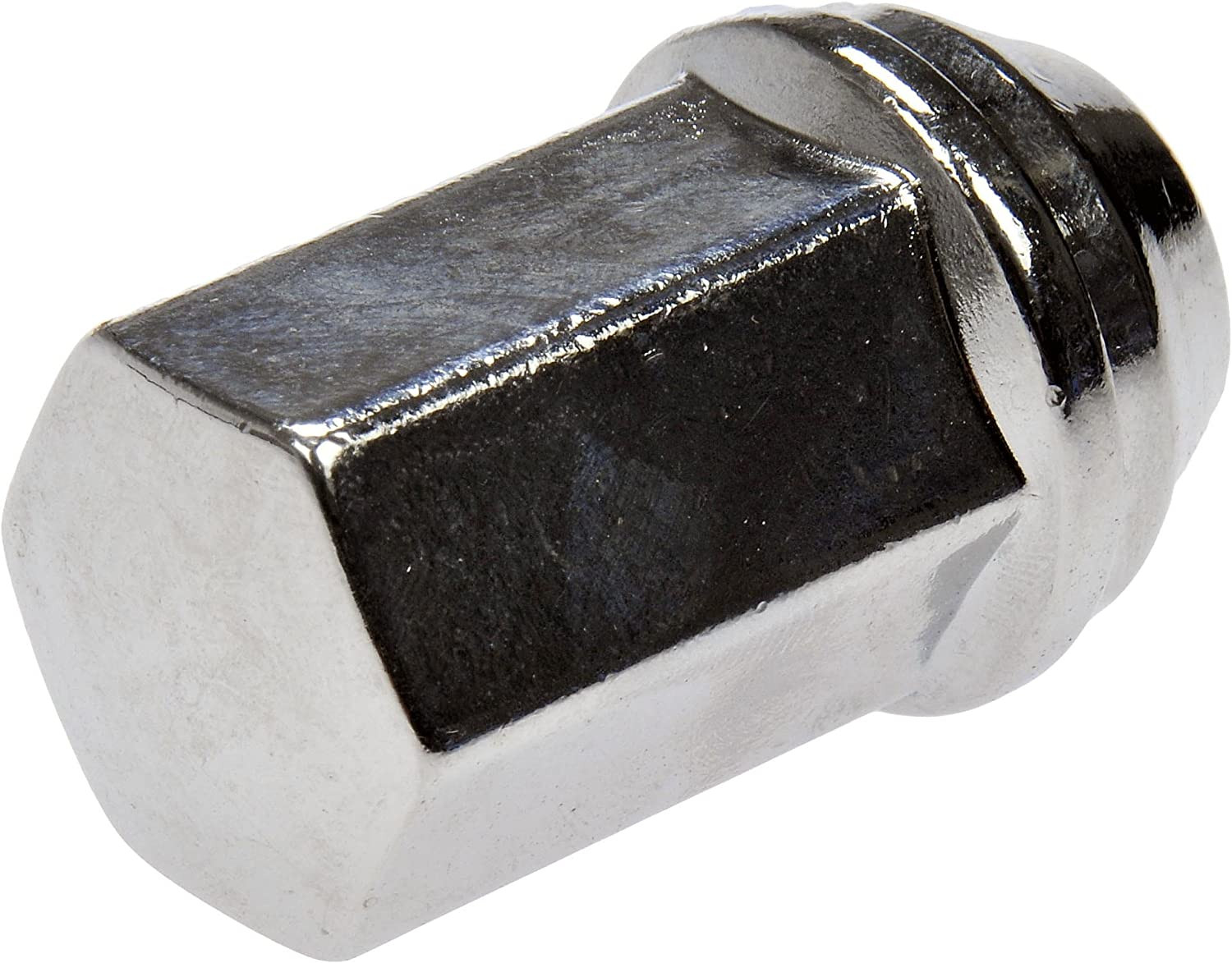
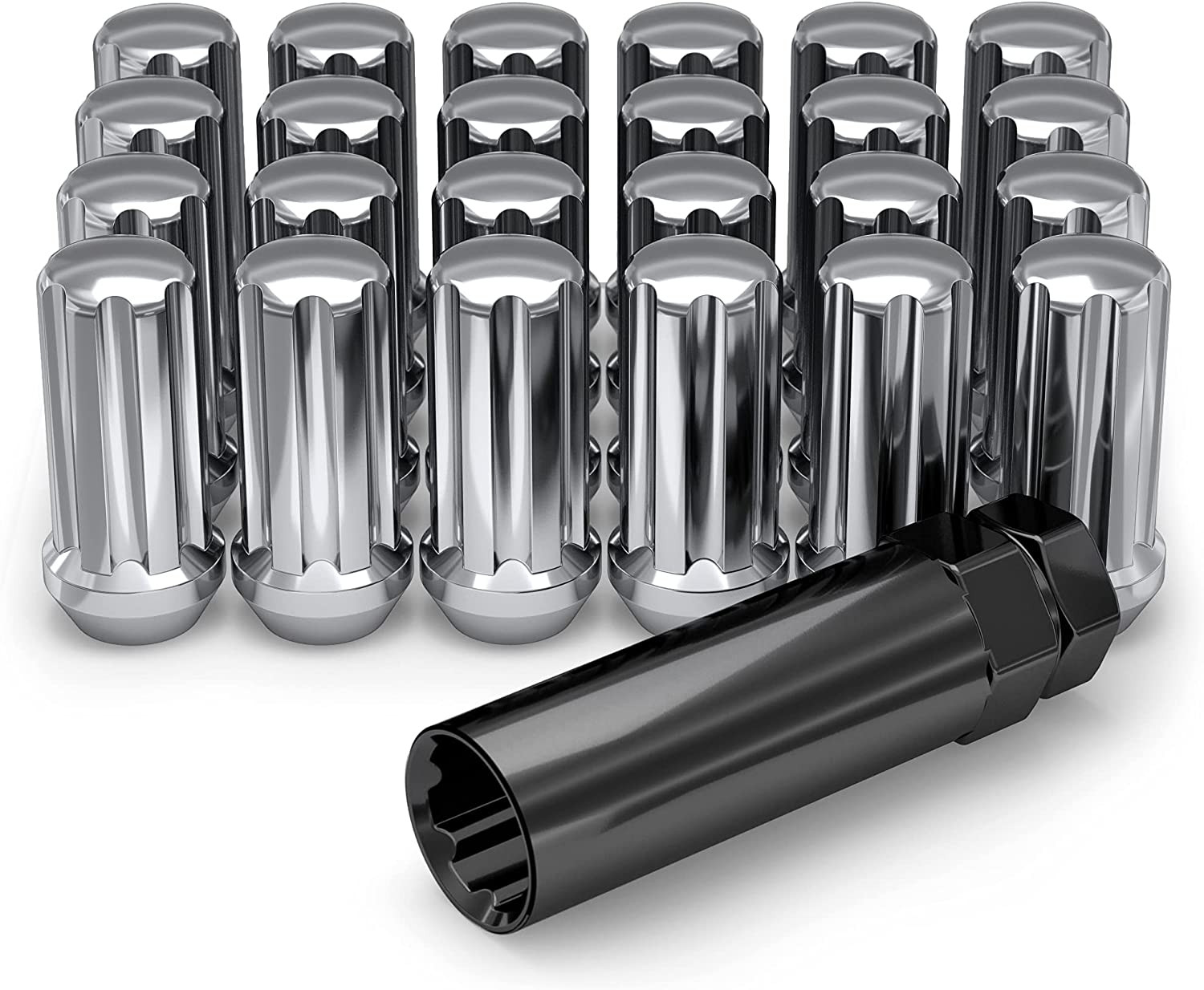
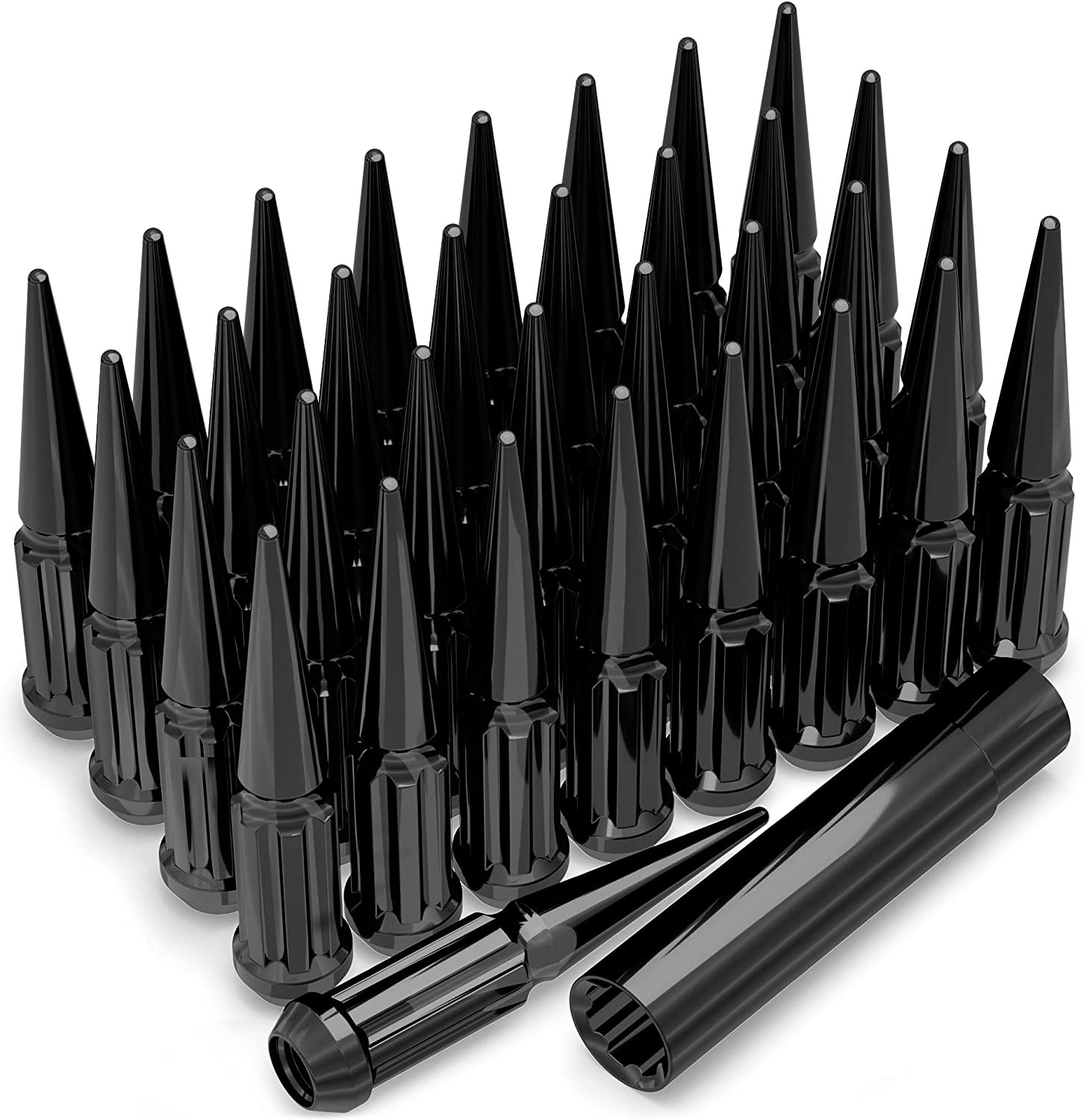
Check lug-seat type, wheel fastener compatibility, thread engagement, valve-stem clearance, and TPMS compatibility. The known thread size is M14 x 1.5, but the correct lug nut design and seat must also match the wheel.
Ask the seller for clear photos of the wheel stampings, including size, offset, part number, and load rating. For used wheels, inspect for cracks, bends, corrosion around the bead seat, repaired damage, and elongated lug holes.
Plus Sizing And Common Upgrades
Plus sizing generally means using a larger rim diameter with a lower-profile tire while attempting to keep overall tire diameter close to the reference tire. This may preserve a similar speedometer reading, but it does not guarantee clearance or suitability for every 2020 Ford F-150 configuration.
Use the calculator to compare any proposed wheel and tire combination with the 245/70R17 reference. Pay attention to overall diameter, section width, sidewall height, wheel offset, and the amount the wheel moves inward or outward. A wider tire or a lower offset can increase fender and suspension clearance risks. A higher offset can reduce outer clearance while increasing inner clearance risk.
Larger wheels can reduce sidewall cushioning and increase the chance of impact damage on rough roads. Taller or wider tires can affect steering clearance, suspension travel, spare-tire storage, speedometer behavior, traction-control operation, and the available load capacity. Do not use a plus-size combination unless the tire and wheel manufacturer data and a physical inspection support it.
Installation Tips
Clean the hub face and wheel mounting surface before installation. Remove rust, dirt, paint buildup, and debris that could prevent the wheel from sitting flat. Never use spacers, adapters, or hub rings as a substitute for correcting an incompatible wheel.
Install the correct lug nuts by hand first to avoid cross-threading. Tighten them in a star or crisscross pattern, then torque them to the vehicle manufacturer’s specified value using a calibrated torque wrench. The required torque value was not provided here, so obtain it from the owner’s manual, an official Ford service source, or a qualified technician.
After installation, rotate the wheel by hand and inspect for contact. Check clearance with the steering turned left and right and, when safe and practical, through the available suspension travel. Do not drive if the wheel, tire, or valve stem contacts any component.
Recheck lug torque after the manufacturer-recommended initial driving interval and check tire pressure with the tires cold. If the truck uses direct TPMS sensors, confirm that the sensors are compatible and that the system relearns correctly. Stop immediately if you notice vibration, rubbing, steering pull, loss of pressure, or unusual noise.
Tools And Helpful Supplies
A calibrated torque wrench, suitable socket, jack, jack stands, wheel chocks, a tire-pressure gauge, and a hub and wheel cleaning brush are useful for a careful installation. Use the vehicle’s approved lifting points and support the truck with properly rated jack stands. Never work under a vehicle supported only by a jack.
For tool-shopping reference, see automotive torque wrenches on Amazon and wheel chocks and jack stands on Amazon. Confirm tool ratings and socket compatibility before use.
FAQs
What is the bolt pattern for the known 2020 Ford F-150 fitment?
The known reference bolt pattern is 6x135. Confirm the specification for your exact truck and donor wheel before purchasing.
What is the center bore?
The known center bore is 87.1 mm. The replacement wheel must have a center bore large enough to clear the hub. A larger bore may need a properly sized hub-centric solution, depending on the wheel and application.
What wheel size is listed in the provided OEM reference?
The provided reference is a 17 x 7.5-inch wheel with ET44 offset and 5.48-inch backspacing. These values may not represent every trim or factory package.
What tire size is used as the reference?
The provided reference is 245/70R17, consisting of a 245 mm section width, a 70 percent aspect ratio, and a 17-inch rim diameter. Verify the required tire size and load information on your truck’s tire label.
Can any 6x135 wheel fit my 2020 Ford F-150?
No. Matching the bolt pattern alone is not enough. You must also confirm center bore, wheel width, offset, backspacing, brake clearance, load rating, lug-seat design, tire size, and physical clearance.
Will a larger wheel diameter change tire diameter?
It can. A larger rim normally requires a lower-profile tire to maintain a similar overall diameter, but the result depends on the selected tire size. Use the calculator’s custom wheel and tire fields to compare the proposed setup with the reference.
Do I need new lug nuts for replacement wheels?
Possibly. The known thread size is M14 x 1.5, but lug-nut seat shape, shank design, length, and wheel-specific requirements must match the replacement wheel. Never assume the original lug nuts are compatible.
How can I confirm fitment when the specification varies by trim?
Check the vehicle tire and loading label, inspect the original wheel markings, consult the owner’s manual, and verify the VIN with an official Ford source or qualified parts professional. Then use the on-page calculator to compare the donor or custom setup before making a purchase.