2005 Ford F-150 Wheel Fitment and Interchange Guide
Known OEM Fitment For 2005 Ford F-150
The specifications below are the known OEM fitment data available for this 2005 Ford F-150 reference. Fitment can vary by cab style, drivetrain, package, and factory wheel or tire option, so confirm the information on your vehicle before ordering.
| Specification |
Known value |
| Bolt pattern |
6x135 |
| Center bore |
87.1 mm |
| Thread size |
M14 x 2.00 |
| Rim diameter |
17 inches |
| Rim width |
7.5 inches |
| Wheel offset |
ET44 mm |
| Backspacing |
5.48 inches |
| Tire section width |
235 mm |
| Tire aspect ratio |
75 percent |
| Tire rim diameter |
R17 |
These values describe the supplied reference fitment, not every possible 2005 Ford F-150 configuration. Confirm the original tire size, load rating, wheel size, and cold tire pressure using the driver-door certification label, the owner's manual, and the current wheel markings. A Ford dealer or parts department can also verify the vehicle-specific build information by VIN.
How To Use The Wheel Interchange Calculator
Use the calculator to compare a donor vehicle's wheels with the wheels being installed on your 2005 Ford F-150. Select or enter the donor vehicle under “Wheels from” and your truck under “Installed on.” Review the bolt pattern, center bore, wheel diameter, width, offset, and tire measurements before treating a result as a possible match.
You can also choose “Custom wheel size” to enter a wheel's rim diameter, width, and offset. Use “Custom tire size” to enter section width and aspect ratio. When you change rim diameter, the calculator updates the tire diameter comparison, helping you evaluate whether a proposed tire maintains a reasonable overall diameter.
A calculator result is a screening tool, not a substitute for a physical test fit or professional inspection. It may not account for brake-caliper shape, suspension modifications, hub protrusion, wheel-spoke clearance, tire brand differences, or fender and liner clearance. Confirm all unknown values with the wheel manufacturer and OEM sources.
Fitment Checklist Before You Buy
- Verify the wheel has a 6x135 bolt pattern and is designed for the required M14 x 2.00 wheel hardware.
- Compare the wheel's center bore with the 87.1 mm hub specification. A smaller bore will not fit over the hub. A larger bore may require correctly sized hub-centric rings if approved for that application.
- Compare diameter, width, offset, and backspacing. Offset changes can affect suspension, brake, steering, and fender clearance.
- Confirm that the wheel's load rating meets or exceeds the truck's requirements. The supplied data does not include a load-rating value, so obtain it from the wheel manufacturer and the vehicle documentation.
- Check the tire's load index, speed rating, construction, and approved rim-width range. Do not rely on section width alone.
- Make sure the replacement tire diameter is suitable for the vehicle and does not create unacceptable speedometer, gearing, or clearance changes.
- Inspect for contact through the full steering range and suspension travel. Check the inner sidewall, strut or suspension components, brake hardware, wheel spokes, fender, and wheel-well liner.
- Confirm whether the vehicle has tire-pressure sensors and whether the replacement wheels support compatible sensors and valve stems.
- Never assume a donor wheel fits simply because it uses six lug holes. Bolt pattern, center bore, offset, load rating, and brake clearance all matter.
Plus Sizing And Common Upgrades
Plus sizing generally uses a larger wheel diameter with a lower-profile tire to keep the overall tire diameter near the original reference. The calculator can compare custom rim diameter, rim width, offset, section width, and aspect ratio, but it does not establish a safe upgrade by itself.
Before selecting a larger or wider wheel, compare the resulting tire diameter and sidewall height with the known reference tire data. Then verify wheel load rating, tire load index, approved rim width, brake clearance, steering clearance, and body clearance. The appropriate replacement size can vary by trim and intended load use, so no unverified upgrade size should be treated as universally compatible.
For a work truck, towing, hauling, winter driving, or rough-road use, preserving adequate tire load capacity and sidewall protection may be more important than selecting the largest available wheel. Follow the tire maker's fitment guidance and the vehicle's door-label pressure information.
Installation Tips
Clean the hub face and wheel mounting surface before installation. Rust, dirt, paint buildup, or burrs can prevent the wheel from seating correctly and can cause fastener loosening. Do not use the wheel fasteners to pull a misaligned or incompatible wheel onto the hub.
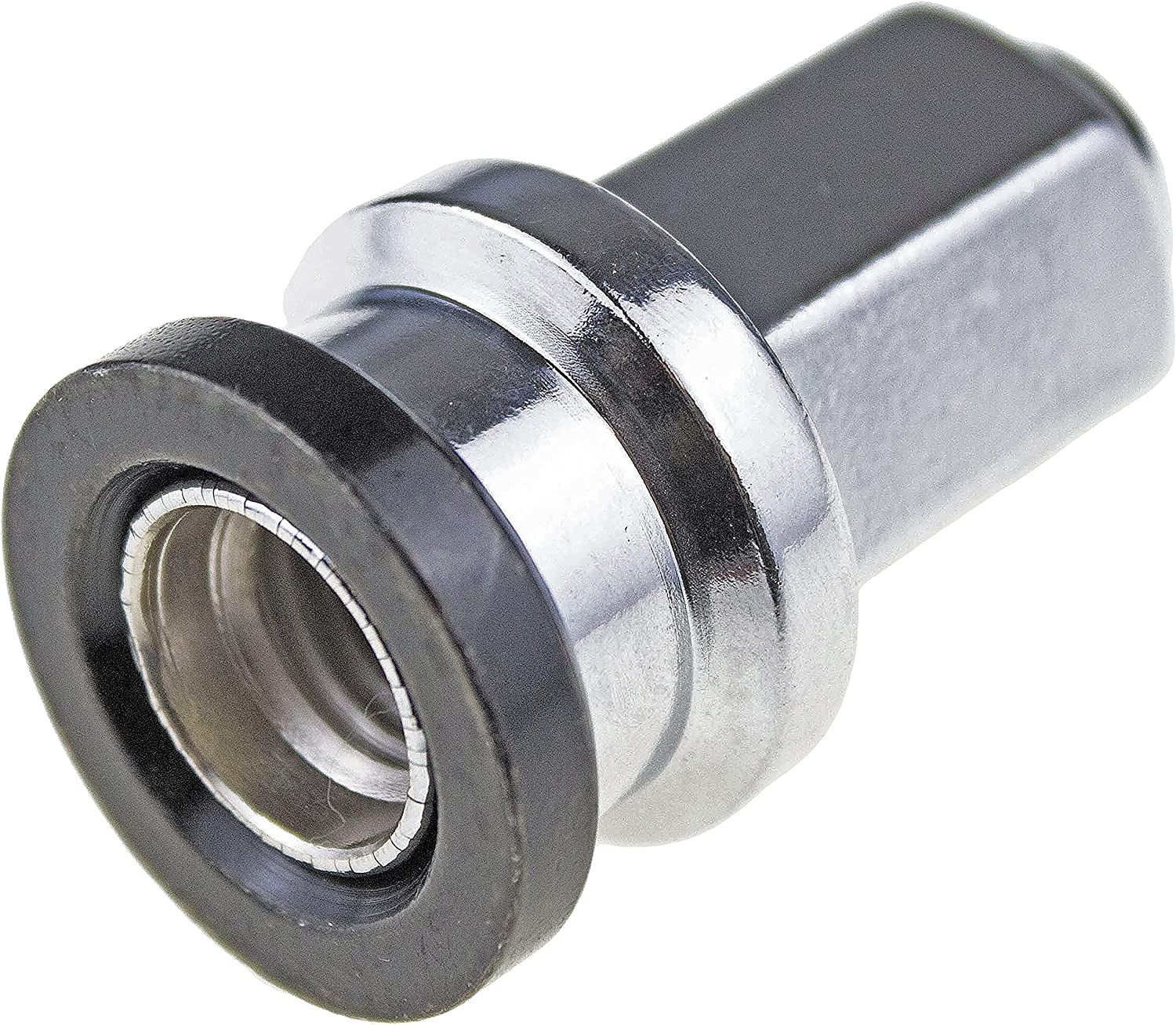
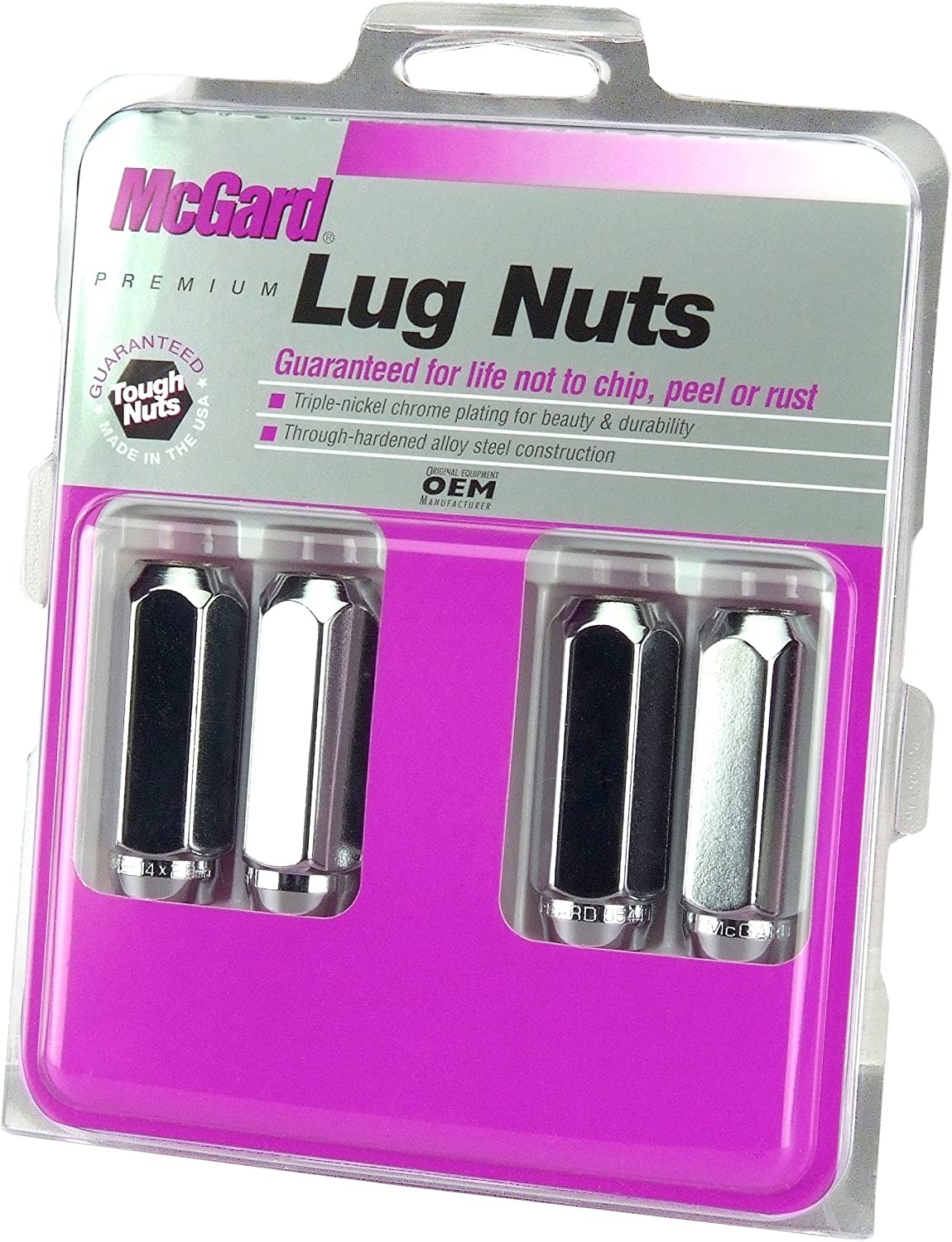
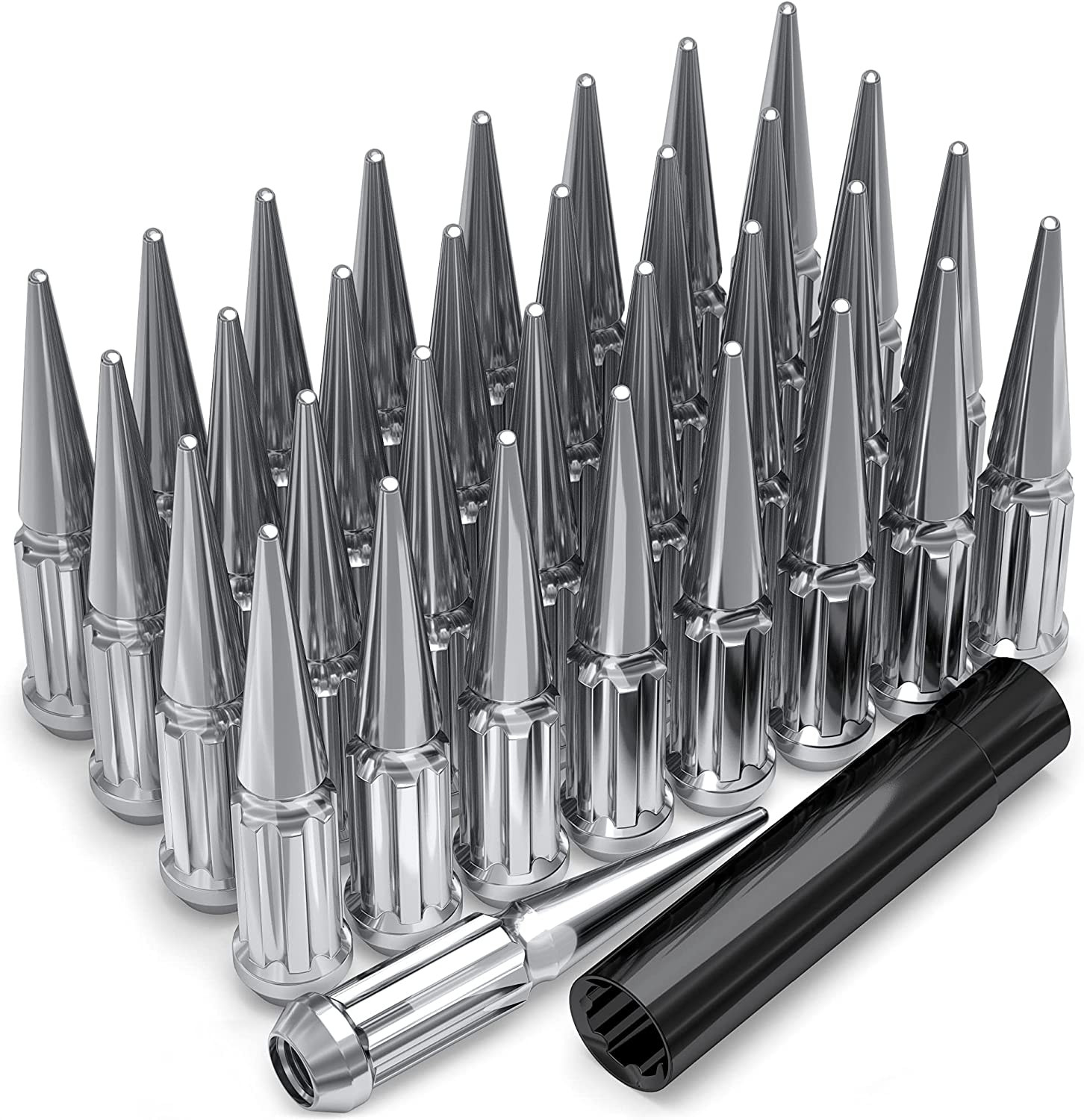
Use the correct lug nuts or wheel fasteners for the wheel's seat type, thread specification, and design. The known thread size is M14 x 2.00, but the correct seat style and tightening specification must be confirmed from Ford or the wheel manufacturer. Do not substitute hardware based only on thread diameter.
Hand-start every fastener, tighten in a crisscross pattern, and finish with a calibrated torque wrench using the vehicle or wheel manufacturer's torque specification. Recheck torque after the initial drive interval specified by the wheel manufacturer. Stop immediately if you feel vibration, rubbing, steering changes, or unusual noise.
After installation, verify tire pressure when the tires are cold, confirm that the tire-pressure monitoring system operates correctly, and inspect for clearance with the steering turned fully left and right. A professional alignment and balance check may be appropriate after changing wheel or tire dimensions.
Tools And Helpful Supplies
Useful supplies include a properly sized socket, a breaker bar, a calibrated torque wrench, a jack and jack stands rated for the vehicle, wheel chocks, a tire-pressure gauge, and a tread or clearance inspection tool. Use jack stands on a solid, level surface and follow the vehicle's lifting points from the owner's manual.
Use only lifting equipment with an adequate capacity rating. Never work under a vehicle supported only by a jack.
FAQs
What is the bolt pattern for the 2005 Ford F-150?
The supplied reference fitment is 6x135. Verify the pattern for the specific truck before purchasing wheels, especially if the vehicle has a different factory package or modified hubs.
What is the center bore?
The known center bore is 87.1 mm. A wheel bore smaller than the hub will not fit. A larger bore may need properly sized hub-centric rings, provided the wheel manufacturer approves their use.
Can any 6x135 wheel fit this truck?
No. The bolt pattern is only one requirement. The wheel must also clear the hub and brakes, have a suitable offset and backspacing, meet the required load rating, and accept compatible hardware and tires.
What wheel size is listed in the supplied OEM reference?
The supplied reference lists a 17-inch diameter, 7.5-inch width wheel with ET44 offset and 5.48-inch backspacing. Confirm the markings on the original wheel because factory specifications can vary by configuration.
What tire information is known for this fitment?
The supplied reference lists a 235 mm section width, 75 percent aspect ratio, and R17 rim diameter. The complete tire designation, load index, speed rating, and vehicle-specific pressure were not provided and must be confirmed from the door label, owner's manual, or tire manufacturer.
Can I use a larger wheel?
A larger wheel may be possible, but it requires a suitable lower-profile tire and careful checks of overall diameter, load capacity, rim-width range, brake clearance, offset, backspacing, and body clearance. Use the custom wheel and tire fields in the calculator for comparison, then confirm the result with OEM and manufacturer documentation.
Does the calculator guarantee that a wheel will fit?
No. It compares entered dimensions and highlights differences, but it cannot guarantee physical clearance or load suitability. A final inspection or test fit is required, particularly for aftermarket wheels, used wheels, and modified vehicles.
What thread size is listed?
The supplied reference lists M14 x 2.00. Confirm the required lug-nut seat style, length, and torque specification for the selected wheel before installation.