2022 Ford F-150 Wheel Fitment Guide
Known OEM Fitment For 2022 Ford F-150
The following specifications are the known reference values provided for the 2022 Ford F-150. Ford wheel and tire equipment can vary by trim, package, drivetrain, and production configuration. Confirm the specifications for your specific truck before purchasing wheels or tires.
| Specification |
Known value |
| Bolt pattern |
6x135 |
| Center bore |
87.1 mm |
| Thread size |
M14 x 1.5 |
| Reference rim diameter |
17 inches |
| Reference rim width |
7.5 inches |
| Reference wheel offset |
ET44 |
| Reference backspacing |
5.48 inches |
| Reference tire size |
245/70R17 |
| Tire section width |
245 mm |
| Tire aspect ratio |
70 percent |
These values should be treated as a starting point, not a guarantee that every 2022 F-150 uses the same wheel and tire configuration. Check the driver-door certification label, owner documentation, the existing wheel markings, or a Ford parts source for your exact vehicle. Also verify load rating, tire speed rating, brake clearance, and any package-specific requirements.
How To Use The Wheel Interchange Calculator
Use the calculator to compare wheels from a donor vehicle with the wheels installed on your 2022 Ford F-150. Enter the donor vehicle information in the “Wheels from” section and your truck in the “Installed on” section.
- Compare the bolt pattern, center bore, wheel diameter, width, and offset.
- Use the custom wheel size fields to test a different rim diameter, width, or offset.
- Use the custom tire size fields to compare section width and aspect ratio.
- When you change rim diameter, review the updated tire diameter in the comparison because the tire size must also be selected to maintain a suitable overall diameter.
- Review clearance information for the suspension, brake components, fenders, and inner wheel well. A calculator is a screening tool and cannot replace a physical test fit.
A wheel can share the 6x135 bolt pattern and still fail to fit because of an incorrect center bore, offset, width, brake clearance, load rating, or fastener-seat design. Use the calculator to identify differences before ordering, then confirm measurements with the wheel manufacturer and OEM sources.
Fitment Checklist Before You Buy
- Confirm that the wheel uses a 6x135 bolt pattern.
- Confirm the center bore is compatible with the 87.1 mm hub. A smaller center bore will not fit over the hub. A larger bore may require properly sized hub-centric rings when appropriate.
- Check wheel width, diameter, and offset against the calculator and the wheel manufacturer’s application data.
- Verify that the wheel clears the brake caliper, rotor, suspension, steering components, and wheel-well liners.
- Confirm the wheel’s load rating is suitable for the truck and its intended payload or towing use.
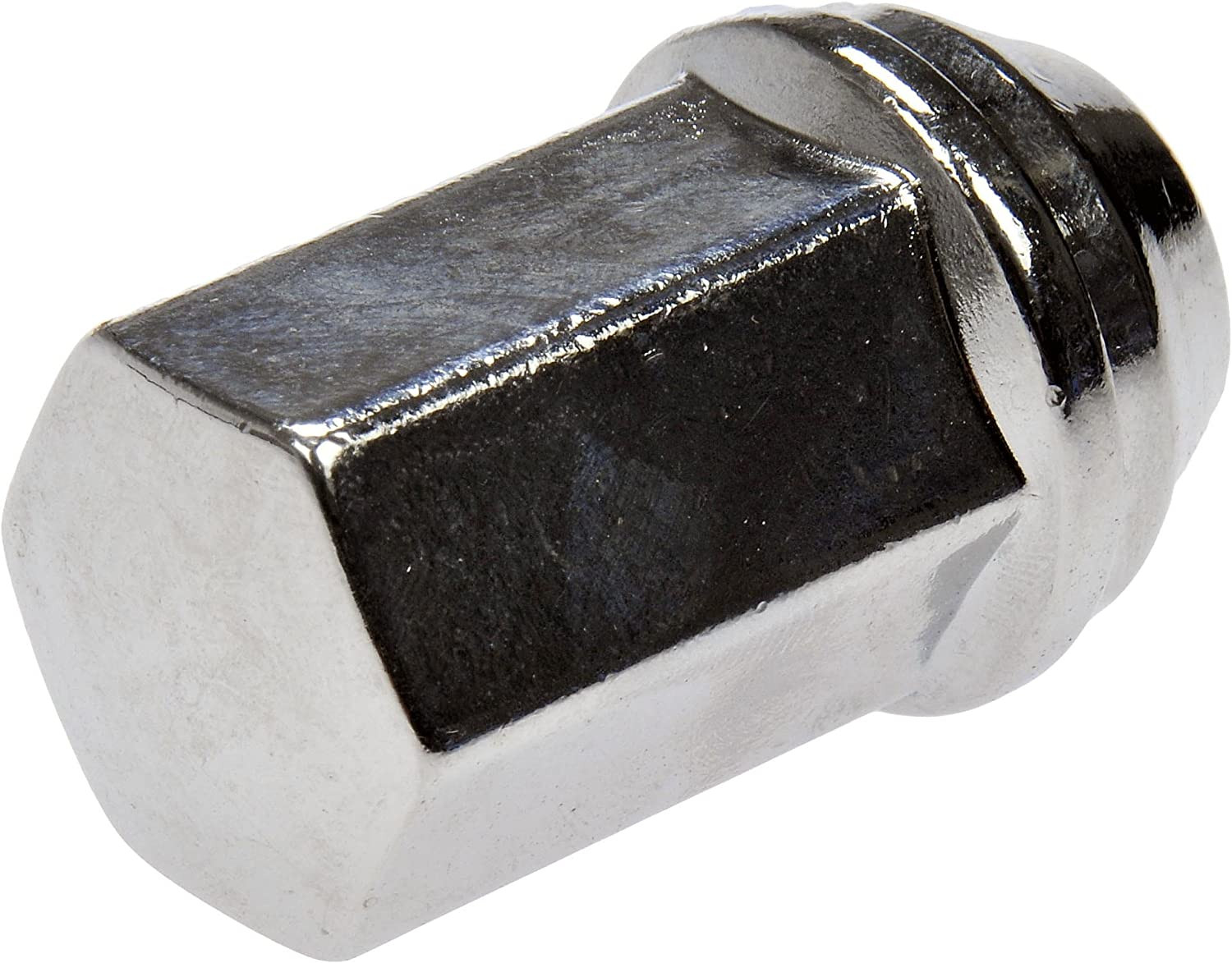
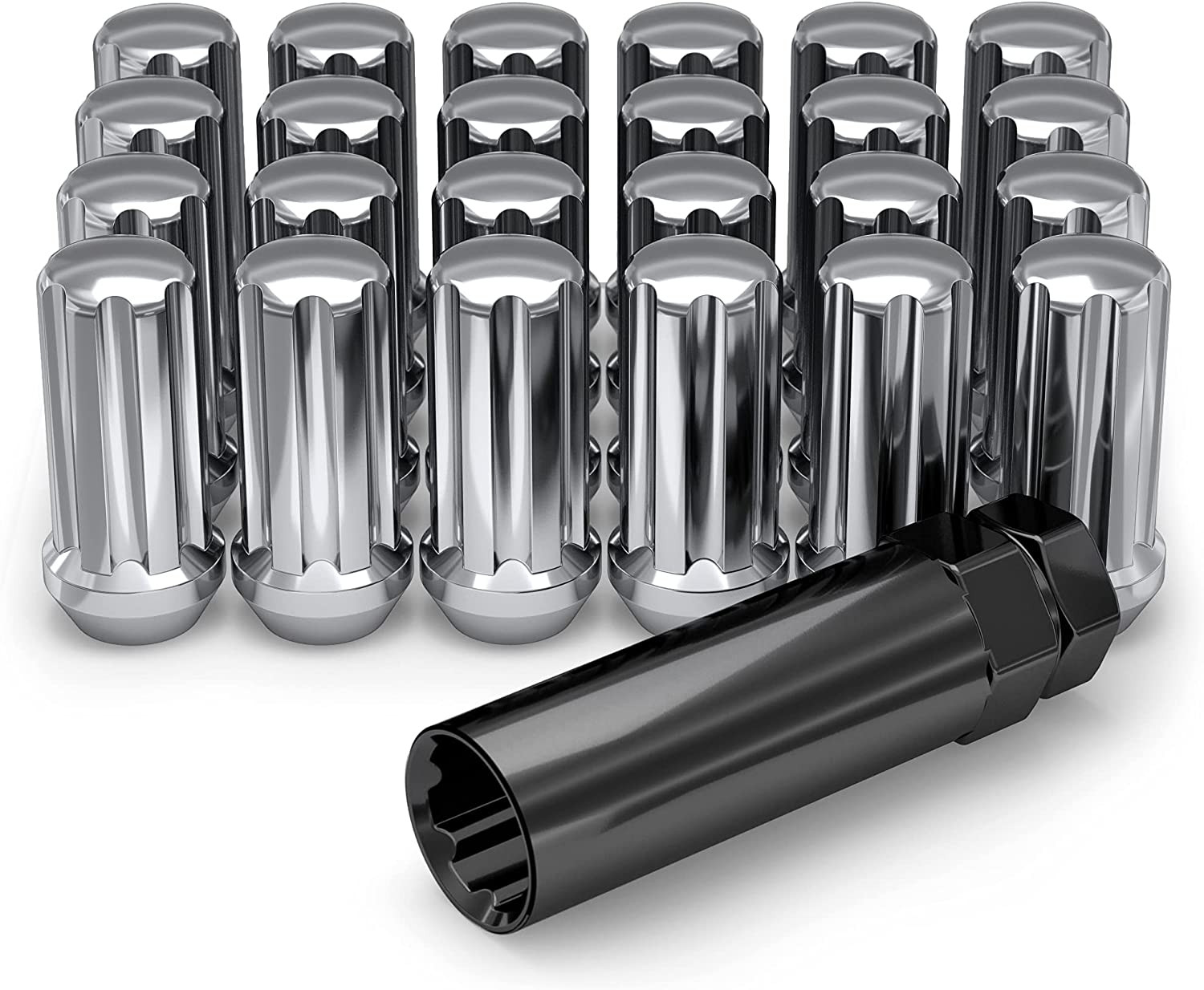
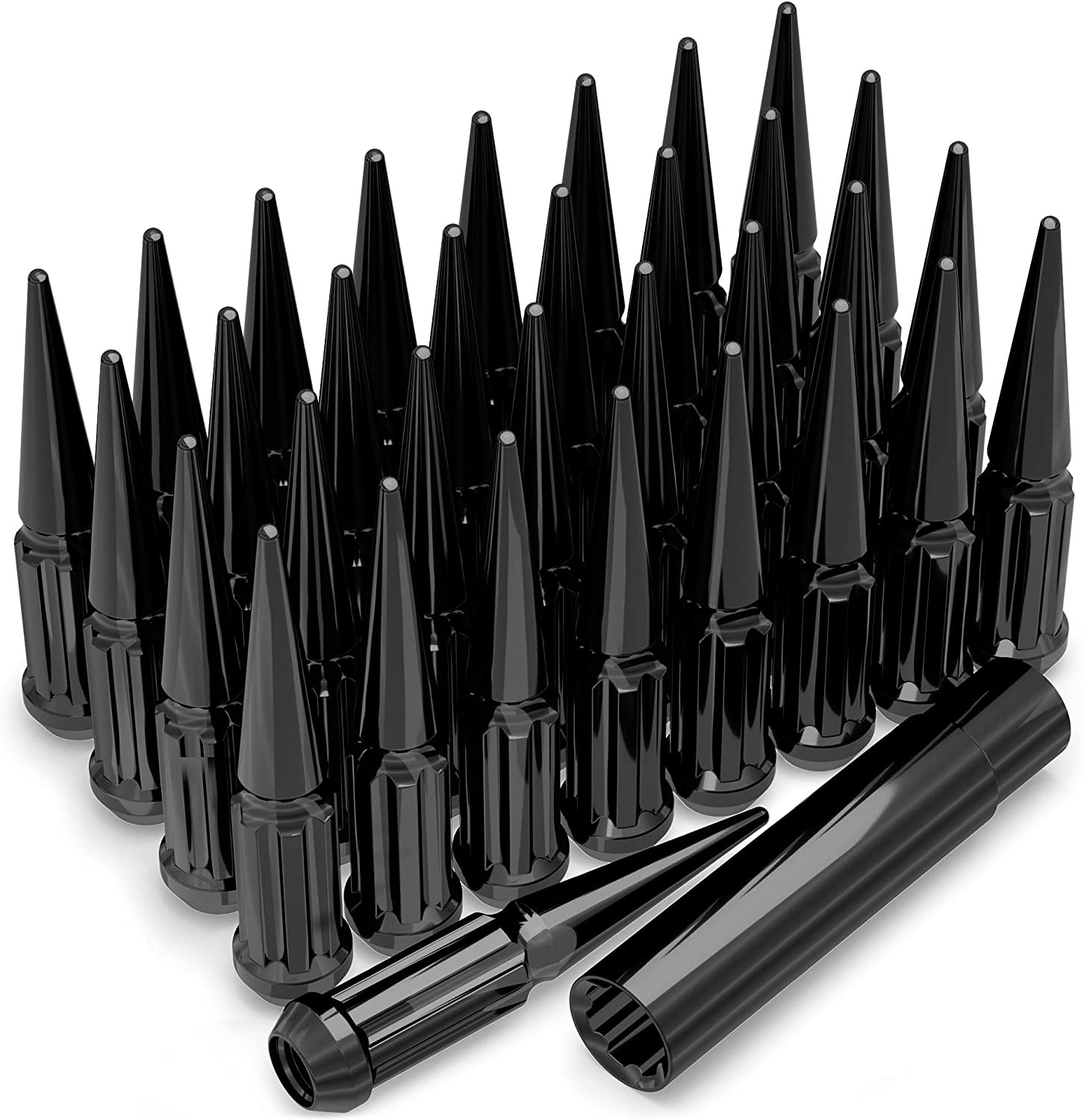
- Match the wheel’s lug-seat type to the correct lug nuts. Do not assume the original lug nuts fit an aftermarket wheel.
- Confirm thread size and engagement requirements. The known reference thread size is M14 x 1.5, but the lug-seat design and required hardware still need to match the wheel.
- Check tire load index, speed rating, size, and clearance. Tire selection should follow the vehicle placard and manufacturer guidance.
- Check whether tire-pressure sensors, valve stems, spare-wheel compatibility, and wheel locks need to be transferred or replaced.
Plus Sizing And Common Upgrades
Plus sizing generally increases wheel diameter while reducing tire sidewall height so the overall tire diameter remains close to the original. This can change steering response, ride comfort, impact protection, noise, fuel economy, speedometer behavior, and clearance.
The provided reference setup is a 17-inch wheel with a 245/70R17 tire. No universal upgrade size is specified here because suitable sizes can vary by trim, suspension, wheel width, load requirement, and intended use. Use the calculator to compare a proposed custom wheel and tire combination, then confirm the final tire diameter, load rating, wheel offset, and physical clearance.
Wider wheels or tires may move closer to suspension parts on the inside or extend toward the fender on the outside. A different offset can also affect scrub radius and handling. Do not choose a size solely because the bolt pattern matches.
Installation Tips
- Inspect the hub, wheel mounting face, studs, and lug nuts before installation. Remove rust, dirt, and debris from mating surfaces without damaging them.
- Install wheels with the vehicle safely supported on appropriately rated jack stands or a lift. Never rely on a jack alone.
- Hand-start every lug nut to prevent cross-threading. Do not use an impact tool to force a lug nut onto damaged or mismatched threads.
- Tighten the lug nuts in a star or crisscross pattern, using the vehicle or wheel manufacturer’s specified torque. Do not invent or substitute a torque value.
- After installation, rotate each wheel by hand where safe and check for contact with brake, suspension, steering, and body components.
- Lower the vehicle fully, recheck torque with a calibrated torque wrench, and follow the manufacturer’s retorque guidance after driving.
- Check tire pressure using the vehicle placard as the starting reference, then inspect for leaks and confirm that the tire-pressure monitoring system operates correctly.
Tools And Helpful Supplies
A calibrated torque wrench, correctly sized socket, jack stands, a tire-pressure gauge, and a tread or clearance inspection light are useful for a safe wheel installation. A thread-pitch or lug-seat check can help prevent mismatched hardware. A hub-centric ring may be needed only when its dimensions and application are confirmed by the wheel manufacturer.
Use only tools and supplies that are rated for the job. Wheel hardware is safety-critical, so replace damaged lug nuts, studs, or wheel components rather than attempting an uncertain repair.
FAQs
What is the bolt pattern for the 2022 Ford F-150?
The known reference bolt pattern is 6x135. Confirm it for your exact truck and compare the complete wheel specification, not only the bolt pattern.
What is the center bore for the 2022 Ford F-150?
The known reference center bore is 87.1 mm. A wheel with a smaller center bore will not fit over the hub. A larger bore may need correctly sized hub-centric rings if recommended by the wheel manufacturer.
What thread size is listed for the 2022 Ford F-150?
The known reference thread size is M14 x 1.5. Lug-nut thread size alone does not confirm compatibility. The lug-seat shape, stud engagement, wheel thickness, and wheel manufacturer requirements must also match.
What is the reference factory wheel and tire size?
The provided reference is a 17-inch by 7.5-inch wheel with ET44 offset and a 245/70R17 tire. Equipment can vary by trim and package, so verify the driver-door label and your vehicle documentation.
Can any 6x135 wheel fit a 2022 Ford F-150?
No. The wheel must also have compatible center-bore dimensions, offset, width, brake clearance, load rating, lug-seat design, and tire compatibility. Use the wheel interchange calculator, then confirm the application with the wheel manufacturer.
Can I install larger wheels or wider tires?
Possibly, but no single upgrade is guaranteed for every 2022 F-150. Test the proposed custom diameter, width, offset, section width, and aspect ratio in the calculator. Then verify load capacity, overall diameter, and physical clearance before purchase.
Will changing rim diameter change tire diameter?
The calculator updates the tire diameter comparison when rim diameter changes. Select a tire size with a suitable overall diameter and confirm speedometer, clearance, load, and vehicle-manufacturer requirements.
Do aftermarket wheels require different lug nuts?
They may. Aftermarket wheels can use a different lug-seat style or require different shank length and seating dimensions. Use only lug nuts specified for the wheel and compatible with the M14 x 1.5 reference thread.
Where can I confirm the final fitment?
Check the driver-door certification label, owner information, Ford parts or service sources, the markings on the original wheel, and the aftermarket wheel manufacturer’s fitment guide. A physical test fit is recommended whenever the wheel or tire dimensions differ from the verified setup.