- Bolt pattern6x135 · Same recorded PCD
- Center bore87.1 mm · same recorded hub figure
- Wheel geometryNot fully recorded
Wheel width/offset data is incomplete.
Recorded OEM specifications for the 2023 Ford F-150, donor years with overlapping ranges, and a calculator to compare a selected wheel. Range overlap is not a guaranteed fit.
Save these wheel specs to your Ownery garage
Baseline mounting dimensions used for interchange decisions.
Thread-only product links are shopping examples, not verified fits. Seat style is not confirmed here. As an Amazon Associate we earn from qualifying purchases.
These are vehicle-year records whose recorded OEM ranges overlap this 2023 Ford F-150. Overlap is not a guarantee that a specific wheel will install. Selected-wheel comparison is in the calculator below.
Evaluated 19 donor years. Listed 15 eligible overlaps (not all evaluated years are compatible). Showing all listed.
Years grouped because recorded compatibility evidence is equivalent. Each year keeps its own page.
Recorded vehicle-side thread for the 2023 Ford F-150 is M14x1.5. This donor year is recorded as M14x2.00. That is the vehicle stud/nut thread, not an intrinsic thread stamped on the wheel. Hardware must match this vehicle’s studs and the selected wheel’s seat and engagement. Existing hardware may be reusable if it already matches. Seat style is not in this dataset, so products are not a verified fit.
Wheel width/offset data is incomplete.
Only years with evidence-based interchange relationships are listed. Adjacent years are not assumed compatible.
Compare a donor vehicle or custom wheel against this 2023 Ford F-150. Use Compare in calculator on a donor row above to fill the donor side of this same calculator.
Compare wheel compatibility between two vehicles
2023 Ford F-150





Example products matched to recorded thread, hub, or spacer dimensions. They are not verified fits. Confirm seat style, thickness, and clearance before ordering.
M14 x 1.5
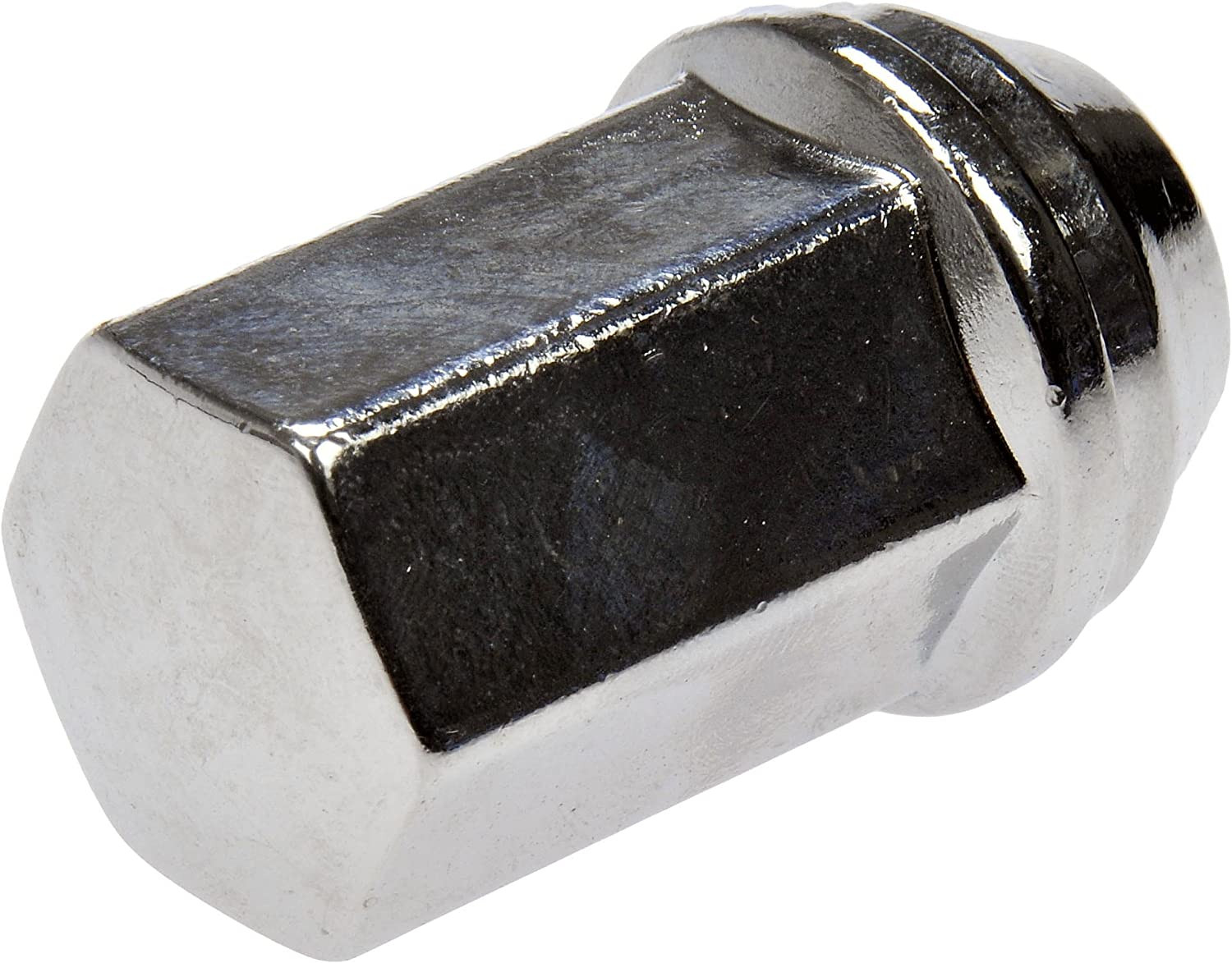
M14 x 1.5 · Thread match only; seat style is not verified
View on Amazon →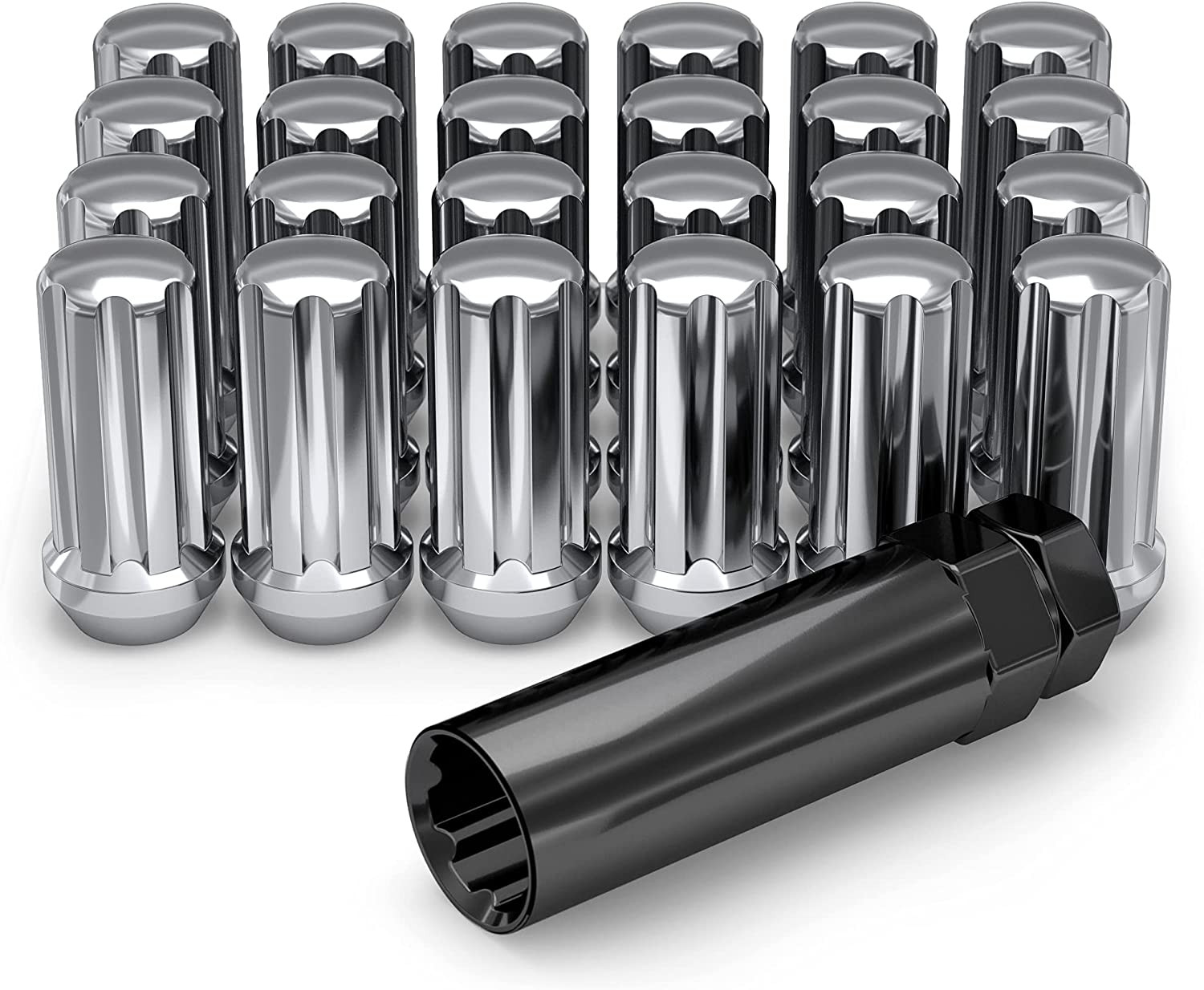
M14 x 1.5 · Thread match only; seat style is not verified
View on Amazon →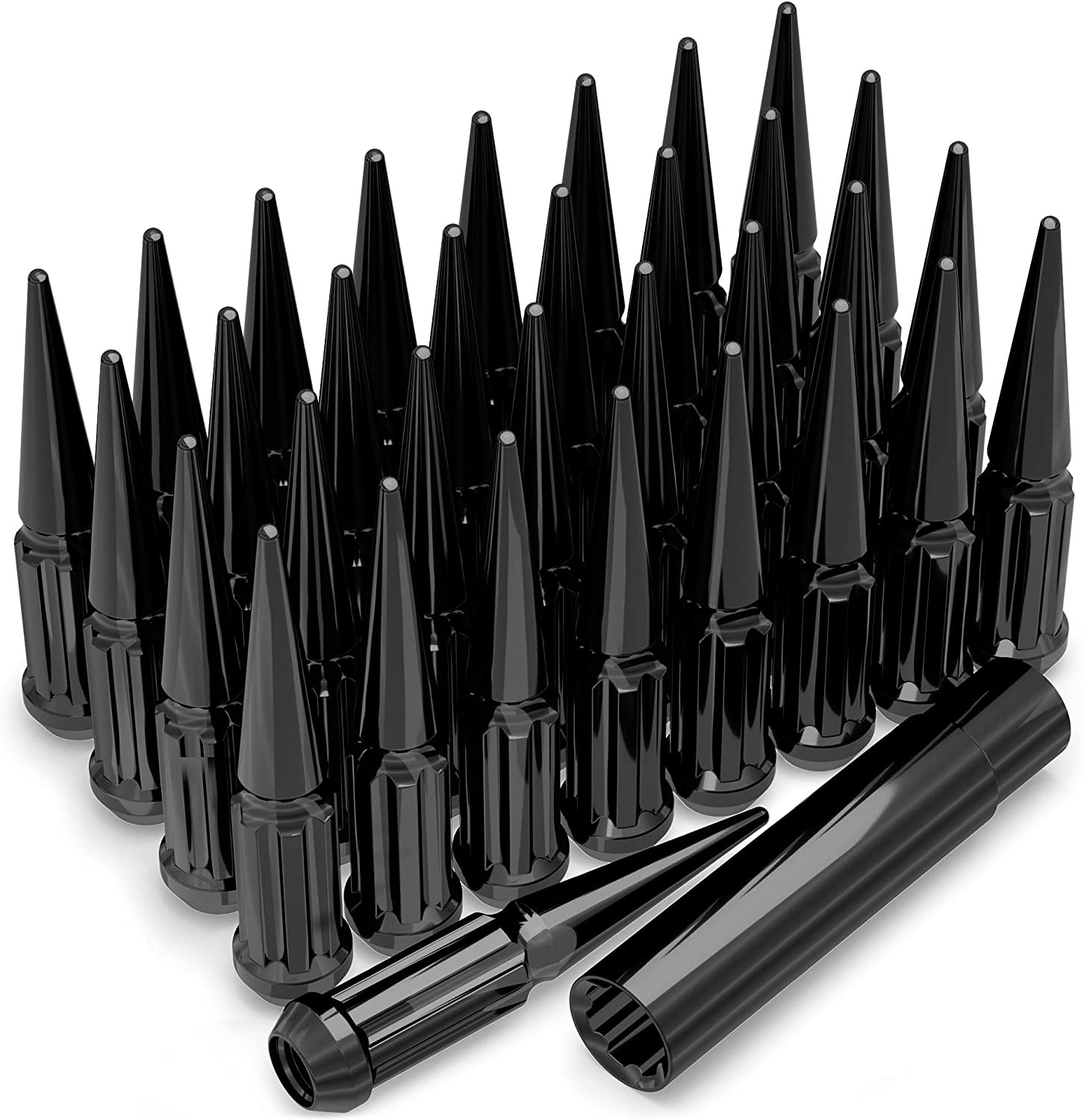
M14 x 1.5 · Thread match only; seat style is not verified
View on Amazon →As an Amazon Associate we earn from qualifying purchases. Product availability and pricing may change.
Objective: determine safe wheel and tire fitment options for a 2023 Ford F-150 based on available evidence, and identify what must be confirmed before buying or installing wheels.
Known OEM fitment evidence for this vehicle: bolt pattern 6x135, center bore 87.1 mm, thread size M14 x 1.5. Important fitment values are unknown for this page: rim diameter, rim width, offset (ET), backspacing, and tire sizing. These unknowns are limitations that require measurement or OEM confirmation before final interpretation of compatibility.
Calculator capability: the on-page wheel/tire calculator can simulate donor wheel versus installed wheel, and accepts custom rim diameter, rim width, offset, and tire section/aspect ratio inputs to update resulting tire diameter and clearances. Use it to test hypotheses about fitment changes.
I compare these options using the constraints above, focusing on bolt pattern, center bore, lug thread, offset/backspacing, brake clearance, and load/vehicle systems compatibility.
| Criterion | OEM wheels | Aftermarket matching bolt pattern | Adapters/spacers | Custom wheels (calculator) |
|---|---|---|---|---|
| Bolt pattern | Direct match to OEM for specific trim. Lowest risk. | Must be 6x135 to fit hub studs without adapter. | Can allow different bolt patterns, adds complexity. | Choose 6x135 or simulate adapter effects in calculator. |
| Center bore | 87.1 mm hub-centric engagement expected. | Ideally 87.1 mm or larger with hub-centric ring to ensure concentricity. | Adapters create additional stack and potential runout; centering critical. | Calculator does not change center bore; confirm ring or bore match separately. |
| Lug/Thread | M14 x 1.5 OEM thread, correct lug seat and engagement required. | Aftermarket wheels must accept M14 x 1.5 studs and correct seat geometry. | Adapters change fastener type and thread engagement; inspect stud length. | Ensure lug nut type and engagement length are compatible before simulation. |
| Offset / Backspacing | Unknown for this vehicle on this page; must verify for trim. | Aftermarket offsets vary; measure or source OEM spec to check fit. | Spacers intentionally change offset; increases load on studs and bearings. | Use calculator to evaluate how offset changes affect tire-to-arch and steering. |
| Brake and hub clearance | OEM wheels designed for brake clearance on specific trim. | Some aftermarket designs may not clear calipers or hub hardware. | Adapters can reduce clearance and introduce vibration risk. | Calculator helps with tire diameter effects, but physical clearance must be measured. |
| Systems compatibility | OEM wheels preserve ABS, TPMS, and speedometer calibration. | Aftermarket wheels generally compatible if load rating and tire size are correct. | Adapters and large diameter changes can affect ABS, TPMS, and gearing. | Use calculator to estimate overall tire diameter change and speedometer impact. |
Interpretation: matching bolt pattern and center bore are necessary but not sufficient conditions for safe fitment. Offset, width, and brake clearance remain essential evidence to determine final compatibility.
Given the known information and the limitations remaining, I recommend the following stepwise approach to reach a safe, evidence-based decision.
The recommended path prioritizes matching bolt pattern and center bore, using the calculator to check tire diameter and clearance changes, and confirming all remaining variables with OEM sources or direct measurement.
Summary interpretation: begin by gathering the missing evidence using OEM sources or direct measurement, then use the on-page calculator to test wheel/tire hypotheses, and choose wheels that match 6x135, 87.1 mm center bore (or use rings), and M14 x 1.5 lug engagement. Following these steps converts reasonable skepticism into justified confidence in fitment.
Wheel interchange depends on more than bolt pattern. Where data is available, this site compares recorded OEM values:
A normal wheel spacer does not change bolt pattern. Hub rings cannot enlarge a wheel bore that is smaller than the hub. Brake clearance and tire package fitment still require vehicle-specific checks when not confirmed in the dataset.
