2013 Honda Fit Wheel Compatibility And Fitment Guide
This guide summarizes the provided wheel and tire fitment data for the 2013 Honda Fit and explains how to compare donor wheels before purchase. Always confirm the exact trim, wheel package, tire placard, and OEM specifications for your vehicle. Wheel fitment depends on more than bolt pattern alone.
Known OEM Fitment For 2013 Honda Fit
The following specifications are the known reference values supplied for this page. They may represent a particular configuration, and not every trim or market version is confirmed.
| Specification |
Provided value |
| Bolt pattern |
4x100, meaning 4 studs on a 100 mm pitch circle diameter |
| Center bore |
56.1 mm |
| Thread size |
M12 x 1.5 |
| Rim diameter |
16 inches |
| Rim width |
6.0 inches |
| Wheel offset |
ET50, or 50 mm positive offset |
| Backspacing |
4.97 inches |
| Tire section width |
175 mm |
| Tire aspect ratio |
65 percent |
| Tire rim diameter |
15 inches |
The supplied rim diameter is 16 inches, while the supplied tire rim diameter is 15 inches. These values should not be treated as one complete wheel and tire package without verification. Check the driver-side door-jamb tire label, owner documentation, and the markings on the wheel and tire currently installed. Do not mount a tire designed for a 15-inch rim on a 16-inch wheel.
For a replacement wheel, confirm the 4x100 bolt pattern, 56.1 mm center bore, M12 x 1.5 thread compatibility, diameter, width, offset, brake clearance, and load rating. A matching bolt pattern by itself does not prove that a wheel is safe or compatible.
How To Use The Wheel Interchange Calculator
Use the calculator to compare a donor vehicle's wheels with the wheels you plan to install on your 2013 Honda Fit. Enter the donor vehicle in the “Wheels from” section and the 2013 Honda Fit in the “Installed on” section. Review every available measurement rather than relying only on the vehicle names.
When donor data is unavailable or you are testing an aftermarket setup, use “Custom wheel size” to enter rim diameter, rim width, and offset. Use “Custom tire size” to enter tire section width and aspect ratio. The calculator updates tire diameter when rim diameter changes, which helps show how a proposed setup may differ in overall height and indicated speed.
Use the comparison as a screening tool, not as a substitute for a physical test fit or OEM confirmation. A result that appears numerically close still requires checks for inner clearance, outer poke, brake clearance, suspension clearance, hub fit, and tire load and speed ratings.
Fitment Checklist Before You Buy
Confirm the following items before ordering wheels or tires:
- Match the 4x100 bolt pattern and verify that the wheel's actual mounting holes are intended for the vehicle's fasteners.
- Check the 56.1 mm hub relationship. A larger center bore may require properly sized hub-centric rings, while a smaller bore generally will not fit over the hub.
- Verify that the wheel's offset and width provide adequate clearance to the strut, brake components, steering parts, and fender edges.
- Confirm the wheel diameter and width against the tire manufacturer's approved rim-width range.
- Use a tire size with an appropriate load index and speed rating for the vehicle. Do not select by appearance alone.
- Check that the tire does not contact the body or suspension at full steering lock, full compression, or with the vehicle loaded.
- Confirm the wheel load rating and inspect used wheels for cracks, bends, corrosion, repaired damage, or distorted mounting faces.
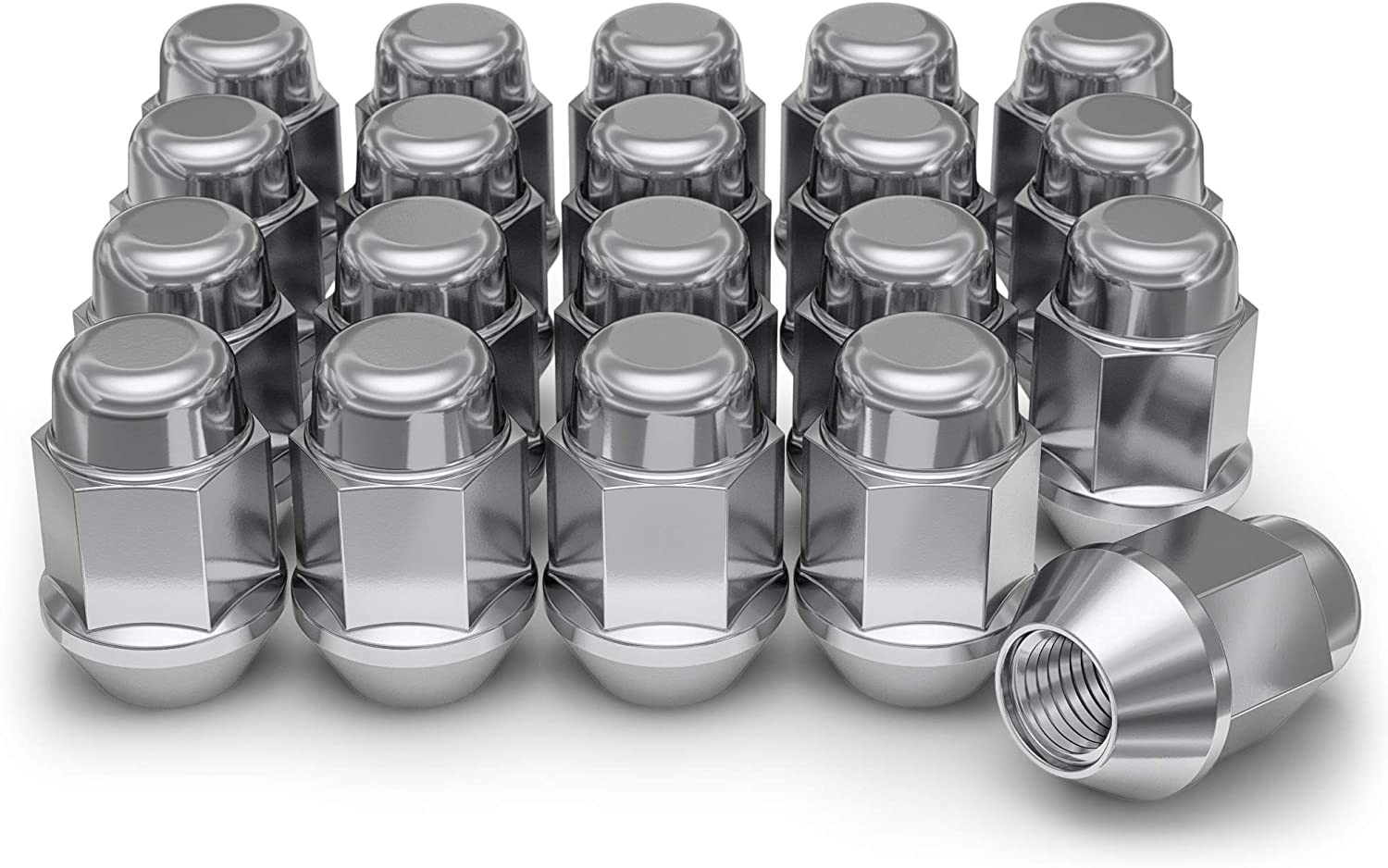
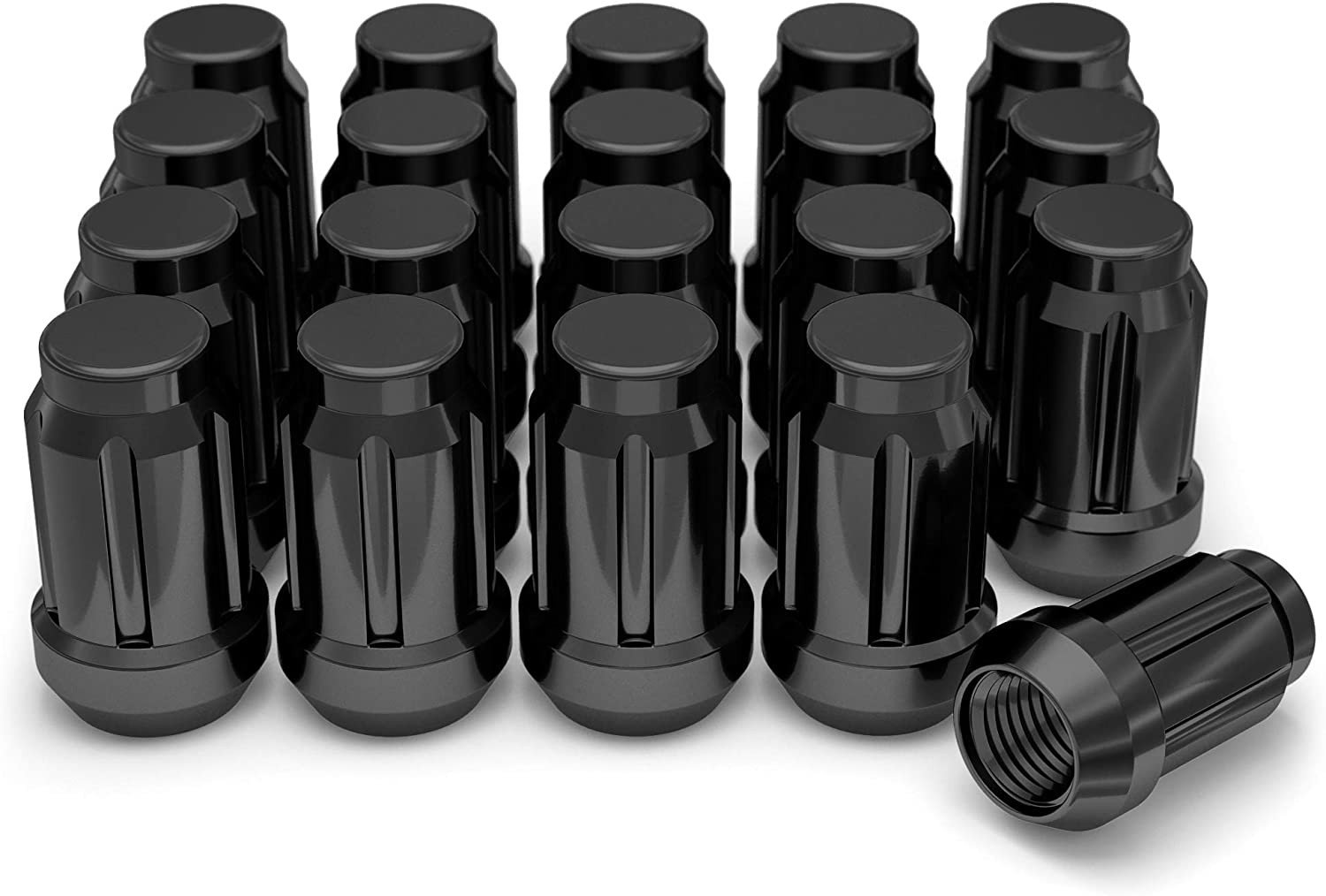
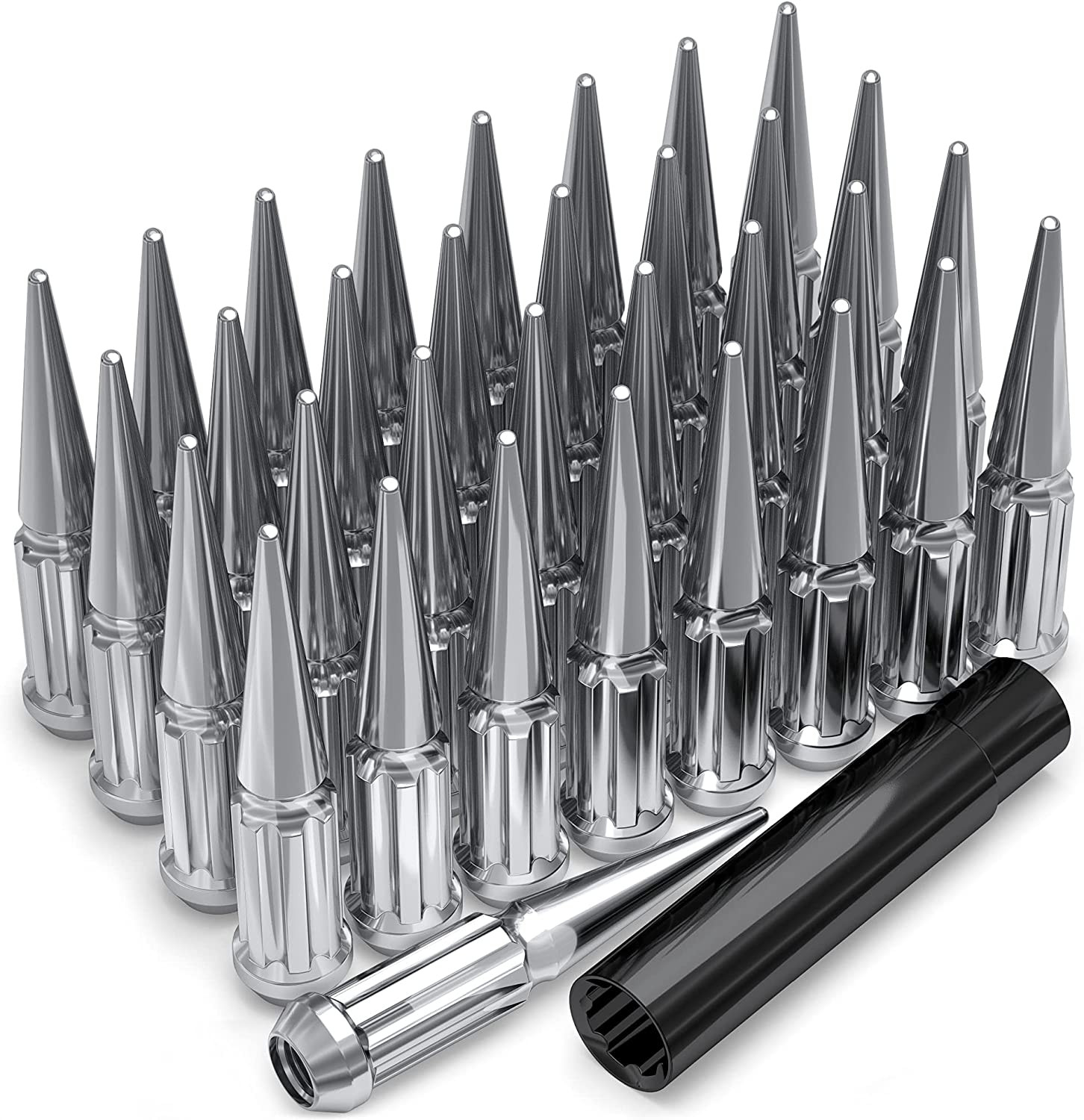
- Verify the required fastener type, seat design, thread engagement, and torque specification from Honda or the wheel manufacturer. Do not assume the original fasteners fit an aftermarket wheel.
OEM specifications can vary by trim, region, and equipment package. Confirm the exact vehicle identification and current placard information before purchasing.
Plus Sizing And Common Upgrades
Plus sizing changes the wheel diameter while using a lower-profile tire to maintain a similar overall tire diameter. The supplied data includes both a 16-inch rim diameter and a 15-inch tire rim diameter, so the correct original package must be established before calculating any upgrade.
Use the calculator's custom fields to compare a proposed rim diameter, width, offset, section width, and aspect ratio. A larger wheel may reduce sidewall height and change steering response, ride comfort, wheel damage risk, and tire cost. A wider tire or different offset can also reduce clearance even when the overall tire diameter is similar.
Do not use a calculator result to justify a setup that causes rubbing, reduces required clearance, exceeds the wheel or tire load limits, or changes the vehicle's safety systems beyond their intended operating range. After installation, inspect clearance with the steering turned in both directions and with the suspension loaded.
Installation Tips
Before installation, clean the hub and wheel mounting surfaces and remove rust or debris without removing metal from the mounting face. Test-fit each wheel by hand and rotate it carefully to check for brake and suspension interference. Never force a wheel onto a hub or use fasteners to pull a misaligned wheel into place.
Install the correct fasteners for the wheel design. Tighten them in a star pattern using the vehicle or wheel manufacturer's specified torque, then recheck torque after the initial drive and again according to the service instructions. The correct torque value is not provided here, so obtain it from an OEM service source or the wheel manufacturer.
Set tire pressure using the vehicle's door-jamb placard unless a qualified tire professional provides a documented alternative. After fitting different wheels or tires, check for warning lights, vibration, steering pull, uneven clearance, and air leaks. Stop driving and investigate any rubbing or vibration.
Tools And Helpful Supplies
A calibrated torque wrench is important for installing wheel fasteners correctly. A tire pressure gauge helps verify pressure after installation, but it does not replace professional inspection or the vehicle placard.
Other useful supplies include a vehicle-rated jack and jack stands, wheel chocks, a socket that matches the approved fasteners, a wire brush for cleaning the hub face, and a straightedge or clearance gauge for basic inspection. Use jack stands on a solid, level surface and follow the vehicle's lifting points.
FAQs
What is the bolt pattern for the provided 2013 Honda Fit fitment data?
The provided bolt pattern is 4x100. Confirm that the replacement wheel also uses four mounting holes on a 100 mm pitch circle diameter.
What center bore is listed for the 2013 Honda Fit?
The provided center bore is 56.1 mm. A wheel with a larger bore may need correctly sized hub-centric rings. A smaller bore generally cannot fit over the vehicle hub.
What wheel offset and width are provided?
The supplied reference values are a 6.0-inch rim width and ET50 offset. These values should be compared with the donor or custom wheel in the calculator and then checked physically for clearance.
Why does the data show a 16-inch rim but a 15-inch tire rim diameter?
Those measurements describe different rim diameters and should not be combined as one confirmed wheel and tire package. Verify the actual package using the tire sidewall, wheel markings, door-jamb placard, and OEM documentation before ordering.
Will any 4x100 wheel fit the 2013 Honda Fit?
No. Bolt pattern is only one part of fitment. You must also verify center bore, offset, width, brake clearance, fastener compatibility, load rating, tire size, and clearance throughout steering and suspension travel.
Can I use the wheel interchange calculator to confirm fitment?
The calculator can compare donor and installed wheel measurements and model custom wheel and tire sizes. It is a useful screening tool, but it cannot replace OEM confirmation, manufacturer specifications, or a physical clearance check.
What thread size is provided for the wheel fasteners?
The provided thread size is M12 x 1.5. Confirm the fastener seat type, length, and torque specification for the selected wheel before installation.
What should I do if a replacement wheel rubs?
Do not continue driving until the cause is identified. Check inner and outer clearance at full steering lock and with the suspension loaded, then consult a qualified technician or wheel manufacturer. Do not rely on spacers, grinding, or altered fasteners without documented engineering approval.