2012 Honda Fit Wheel Interchange and Fitment Guide
Known OEM Fitment For 2012 Honda Fit
The following values are the available OEM fitment data for the 2012 Honda Fit. Specifications can vary by trim, market, wheel package, or replacement wheel, so confirm the information on your vehicle before ordering parts.
| Specification |
Known value |
| Bolt pattern |
4x100 |
| Center bore |
56.1 mm |
| Thread size |
M12 x 1.5 |
| Rim diameter |
16 inches |
| Rim width |
6.0 inches |
| Wheel offset |
ET50 |
| Backspacing |
4.97 inches |
| Tire section width |
175 mm |
| Tire aspect ratio |
65 percent |
| Tire rim diameter |
15 inches |
There is an apparent diameter mismatch in the supplied data: the wheel entry lists a 16-inch rim, while the tire entry lists a 15-inch rim diameter, equivalent to a tire size ending in R15. A tire must match the wheel diameter exactly, so do not use these entries as a complete wheel and tire package without confirming the vehicle's actual trim and tire placard. Check the driver's door-jamb label, owner's manual, OEM wheel markings, and a Honda parts source using the vehicle identification number.
The listed 4.97-inch backspacing is consistent with a 6-inch-wide wheel at approximately ET50, but backspacing should still be measured or confirmed when evaluating an aftermarket wheel.
How To Use The Wheel Interchange Calculator
Use the calculator to compare a donor vehicle's wheel with the wheel installed on your 2012 Honda Fit. Enter the donor vehicle under “Wheels from” and the Honda Fit under “Installed on.” Review the wheel diameter, width, offset, bolt pattern, center bore, and tire dimensions together rather than relying on one matching number.
Use “Custom wheel size” when you are evaluating an aftermarket wheel or a wheel whose exact specifications are known. Enter the rim diameter, rim width, and offset from the wheel stamp, product listing, or manufacturer documentation. Use “Custom tire size” to enter the tire section width and aspect ratio.
Changing the rim diameter updates the tire diameter shown in the comparison. This is important because a different rim diameter requires a tire with the matching bead diameter. Compare the resulting overall diameter and clearance information, then verify physical clearance on the vehicle before driving.
The calculator is a comparison tool, not a substitute for a physical test fit or OEM confirmation. It cannot verify brake caliper clearance, spoke clearance, hub-face seating, tire load rating, or whether a particular lug nut seat is correct.
Fitment Checklist Before You Buy
Confirm that the replacement wheel has the correct 4x100 bolt pattern and that its center bore is compatible with the vehicle's 56.1 mm hub. A larger center bore may require properly sized hub-centric rings, while a smaller bore generally will not fit over the hub. Do not use rings to correct an incorrect bolt pattern.
Check the wheel diameter, width, and offset against the calculator and the vehicle's OEM specifications. Confirm that the tire's bead diameter matches the wheel diameter. The tire must also have an appropriate load index and speed rating for the vehicle, and its overall diameter should remain within an acceptable range for the vehicle and its systems.
Inspect brake, strut, suspension, fender, and inner-wheel-well clearance. Turn the steering from lock to lock and check clearance at normal ride height and with the suspension compressed. Check the spare tire, jack, and wheel storage area if the replacement diameter or width differs from the original equipment.
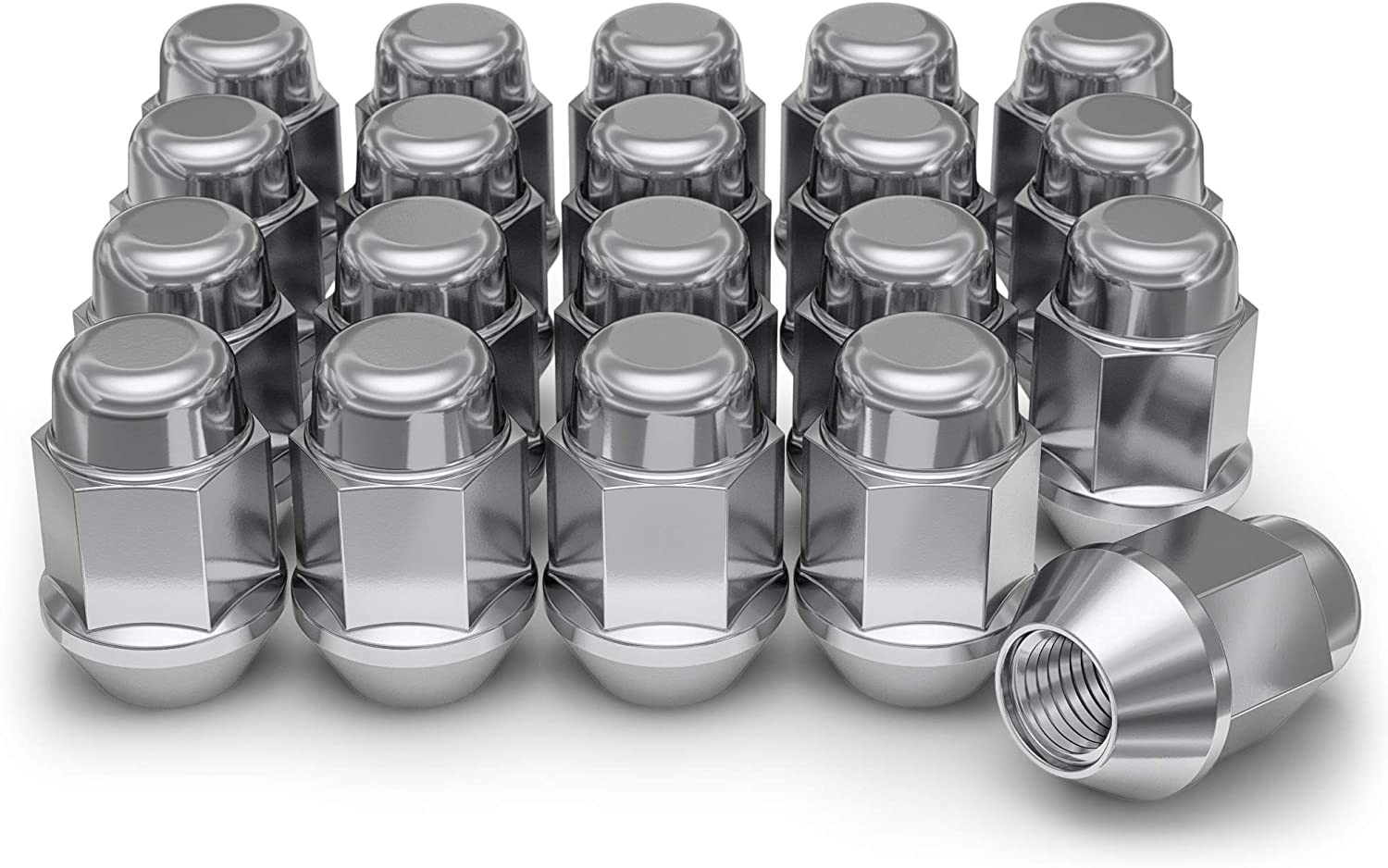
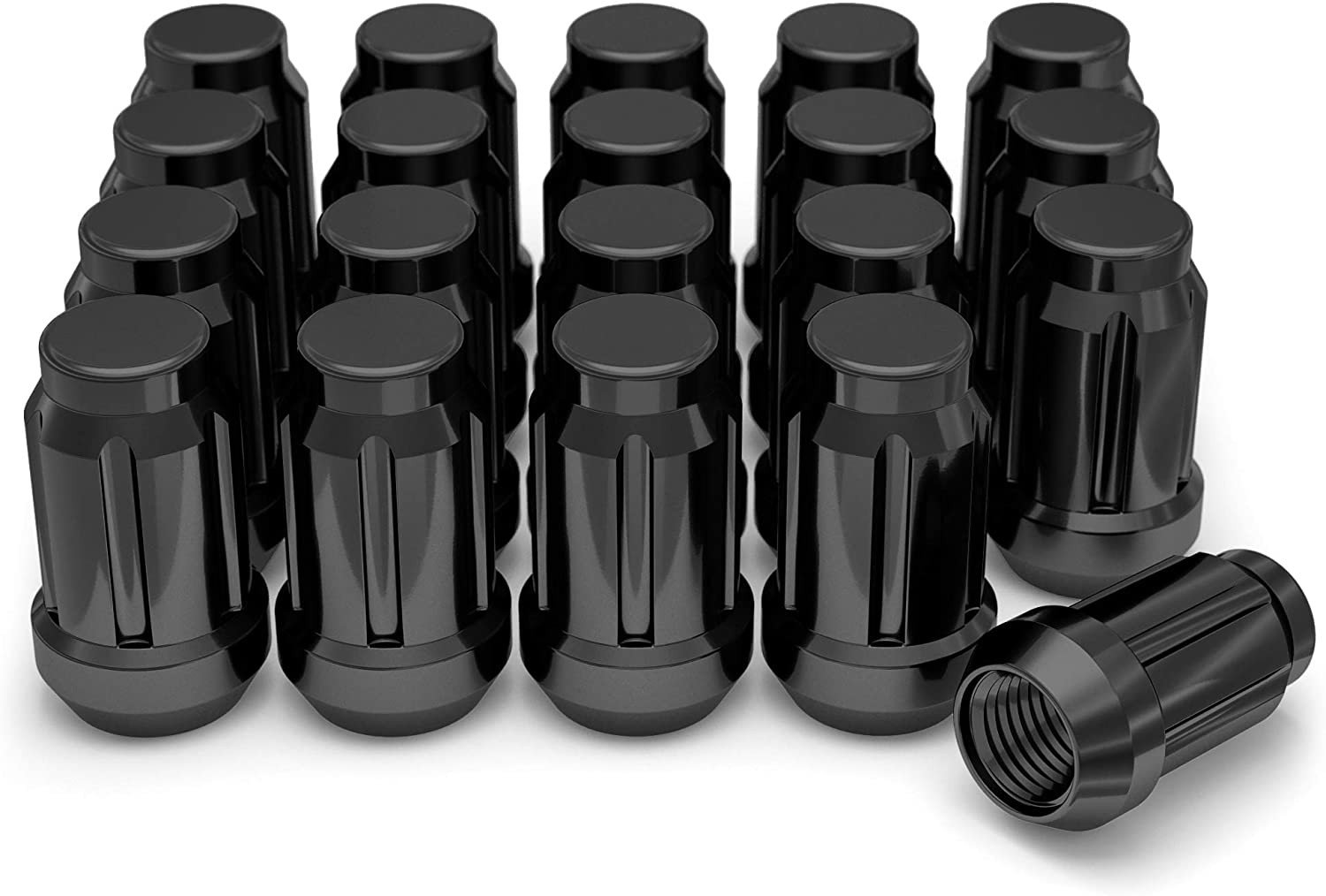
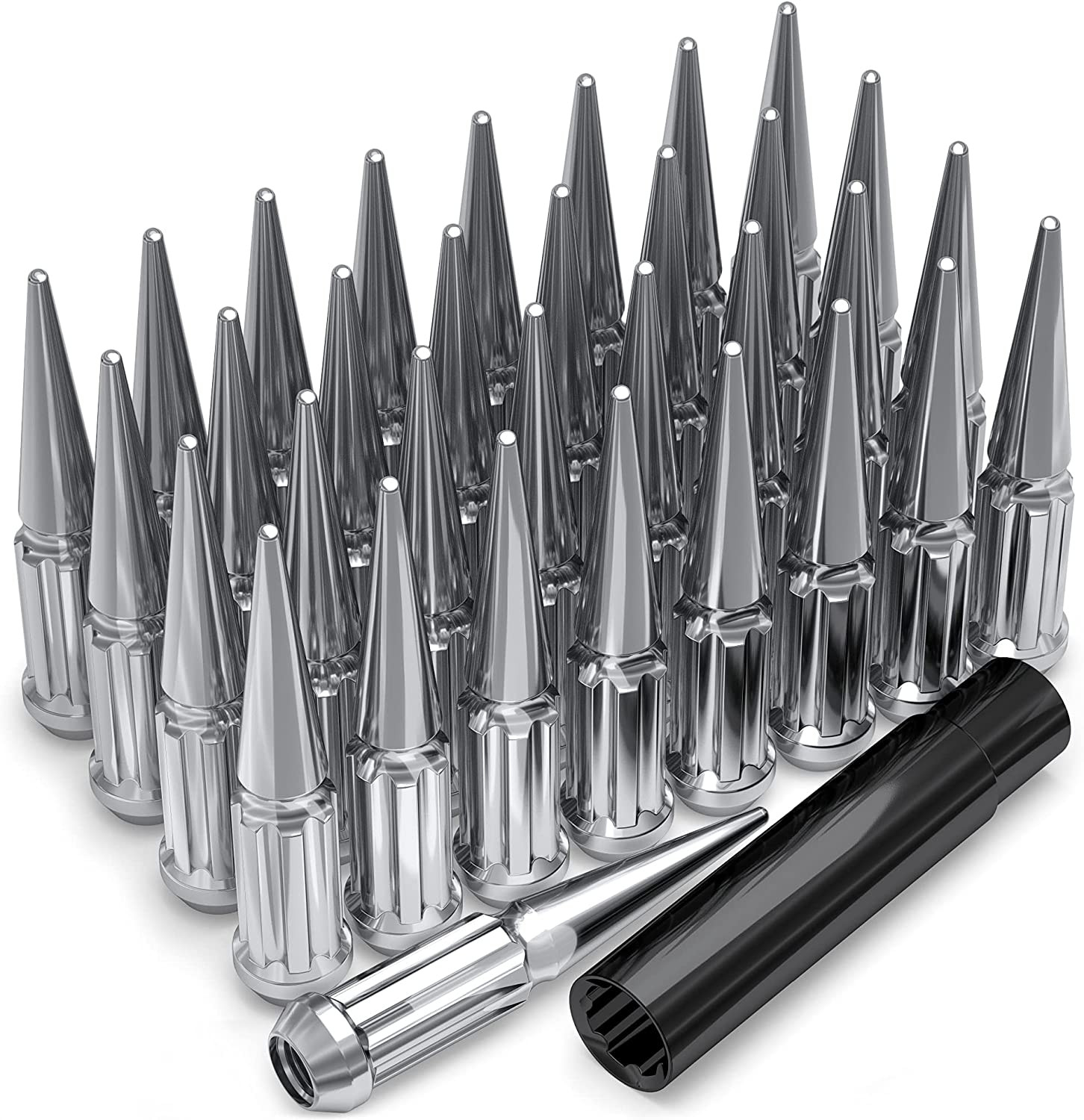
Confirm the lug nut thread size and seating style. The known thread size is M12 x 1.5, but the correct lug seat depends on the wheel. Never assume that a conical-seat lug nut is correct for every wheel.
Plus Sizing And Common Upgrades
Plus sizing means using a larger wheel diameter with a lower-profile tire to keep the overall tire diameter near the original size. It can change steering response and appearance, but it may also reduce sidewall cushioning, increase impact risk, and affect ride comfort.
Because the supplied records include both a 16-inch rim value and a 15-inch tire rim value, confirm the original Honda Fit package before planning a plus-size conversion. Do not select a tire based only on the tire width and aspect ratio. The tire's final rim diameter must match the wheel, and the load rating, speed rating, section width, and clearance must all be suitable.
Use the calculator to compare candidate diameters, widths, offsets, and tire sizes. Final approval should come from the tire manufacturer, wheel manufacturer, Honda documentation, and a physical inspection. Any change that causes rubbing, reduced brake clearance, exposed tire-sidewall risk, or contact with suspension components should be rejected.
Installation Tips
Clean the hub face and wheel mounting surface before installation. Rust, dirt, or paint buildup can prevent the wheel from sitting flat and can contribute to loosening or runout. Do not apply grease or anti-seize to the wheel's friction surfaces unless the vehicle or wheel manufacturer specifically permits it.
Install the correct lug nuts by hand first to avoid cross-threading. Tighten them in a star pattern, then torque them to the Honda or wheel manufacturer's specified value using a calibrated torque wrench. The available data identifies the thread size but does not provide a torque specification, so obtain the correct value from an OEM service source or the wheel manufacturer.
After installation, rotate the wheel by hand and check for obvious contact. Lower the vehicle, recheck lug torque, and inspect for rubbing during a slow test drive. Recheck torque after the first short drive and whenever the wheel manufacturer or vehicle service instructions require it.
Tools And Helpful Supplies
A torque wrench, correctly sized socket, jack, jack stands, wheel chocks, and a tire pressure gauge are useful for a safe wheel change. Use jack stands and follow the vehicle's approved lifting points. Never rely on a vehicle jack alone while working underneath or beside a raised vehicle.
Helpful supplies may include a wire brush for cleaning the hub face, a tread-depth gauge, and a valve-stem or tire-pressure tool. You can compare suitable options using these Amazon searches:
Automotive torque wrenches and digital tire pressure gauges.
FAQs
What is the bolt pattern for the 2012 Honda Fit?
The supplied OEM fitment data lists a 4x100 bolt pattern. Confirm the specification for the exact vehicle and replacement wheel before purchase.
What is the center bore?
The supplied center bore is 56.1 mm. A replacement wheel with a larger bore may need correctly sized hub-centric rings. A smaller-bore wheel generally cannot fit over the vehicle hub.
What lug thread size is listed?
The known thread size is M12 x 1.5. Thread size alone does not identify the correct lug nut because the lug seat must also match the wheel.
Can I use the listed 175/65R15 tire on a 16-inch wheel?
No. A tire marked R15 is designed for a 15-inch rim, not a 16-inch rim. The supplied data contains both a 16-inch rim value and a 15-inch tire rim value, so verify the correct original package before ordering a tire or wheel.
Does a matching bolt pattern guarantee that a wheel fits?
No. Bolt pattern is only one part of fitment. Center bore, wheel width, offset, backspacing, brake clearance, lug seat, tire size, load rating, and body or suspension clearance must also be checked.
How do I confirm the correct OEM wheel and tire size?
Read the tire and vehicle information label on the driver's door jamb, check the owner's manual, inspect the markings on the original wheel, and contact a Honda parts or service department with the vehicle identification number. Use those confirmed values in the calculator.
Can the calculator confirm that a donor wheel will clear the brakes?
The calculator can compare dimensional values such as diameter, width, offset, and tire size, but it cannot guarantee spoke or brake-caliper clearance. Verify the wheel manufacturer's brake-clearance information and perform a careful physical test fit.