2011 Honda Fit Wheel Interchange and Fitment Guide
Known OEM Fitment For 2011 Honda Fit
The following specifications are the known fitment values supplied for the 2011 Honda Fit. Factory equipment can vary by trim, market, wheel package, and tire package, so confirm your vehicle's original markings and owner documentation before ordering replacement wheels or tires.
| Specification |
Known value |
| Bolt pattern |
4x100, meaning 4 studs on a 100 mm pitch circle diameter |
| Center bore |
56.1 mm |
| Thread size |
M12 x 1.5 |
| Rim diameter |
16 inches |
| Rim width |
6.0 inches |
| Wheel offset |
ET50, or 50 mm |
| Backspacing |
4.97 inches |
| Known tire section width |
175 mm |
| Known tire aspect ratio |
65 percent |
| Known tire rim diameter |
15 inches |
The supplied data includes a 16-inch rim value and a 15-inch tire rim diameter value. These may represent different wheel and tire configurations rather than one complete wheel-and-tire package. Do not assume that 175/65R15 is intended for a 16-inch wheel. Check the tire sidewall, door-jamb label, owner manual, and the exact trim before purchasing.
Wheel interchange requires more than matching the 4x100 bolt pattern. The wheel must also clear the brake assembly, use a suitable center bore, provide safe offset and width, and accept the correct lug hardware. A wheel with a different center bore may require properly specified hub-centric rings, but rings do not correct an incorrect bolt pattern, offset, wheel width, or brake clearance problem.
How To Use The Wheel Interchange Calculator
Use the calculator to compare Wheels from (donor vehicle) with Installed on (your vehicle). Enter the donor wheel's diameter, width, and offset as accurately as possible. Then enter the known specifications for the 2011 Honda Fit and compare the results before treating any donor wheel as a possible match.
The calculator also allows you to enter a custom wheel size using rim diameter, rim width, and offset. Use the custom tire fields for section width and aspect ratio when evaluating a different tire size. Changing the rim diameter updates the tire diameter in the comparison, which helps show how a proposed wheel and tire combination changes overall diameter.
A calculator result is a comparison aid, not a substitute for a physical test fit or vehicle-specific confirmation. Verify the donor wheel's casting or part number, measure the actual wheel, and inspect brake, suspension, fender, and inner-wall clearance. Also confirm that the proposed tire's load and speed ratings meet or exceed the vehicle requirements.
Fitment Checklist Before You Buy
Before buying used or aftermarket wheels for a 2011 Honda Fit, confirm the complete specification rather than relying on a seller's vehicle list.
- Confirm the 4x100 bolt pattern and check that the wheel is not drilled for a different pattern.
- Compare the wheel center bore with the vehicle hub measurement of 56.1 mm. A smaller bore will not fit over the hub.
- Check the wheel diameter, width, and ET offset against the calculator and the vehicle's original configuration.
- Inspect spoke and barrel clearance around the brake caliper, steering components, strut, and suspension.
- Check inner and outer clearance through steering lock and suspension travel, not only with the vehicle parked straight ahead.
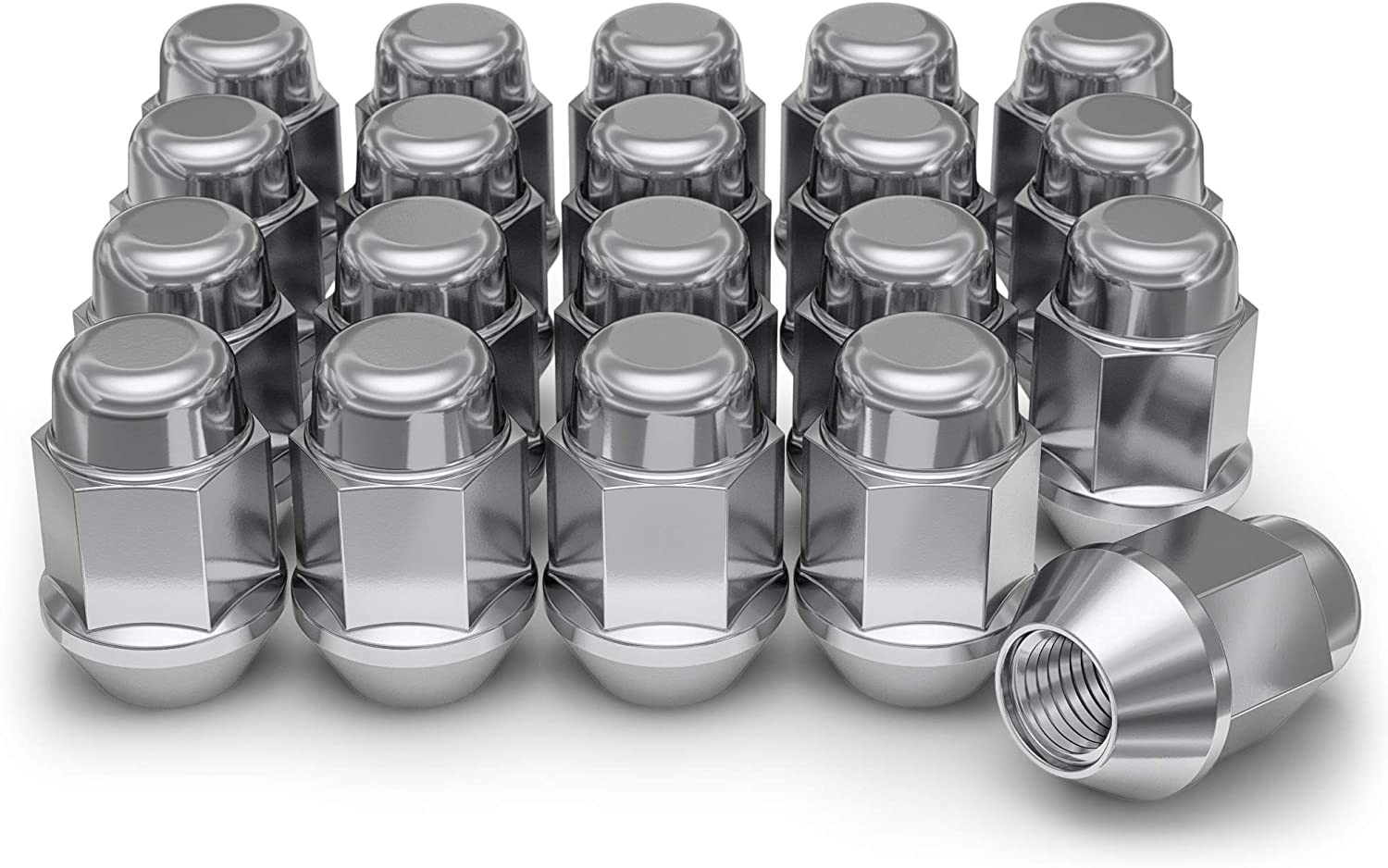
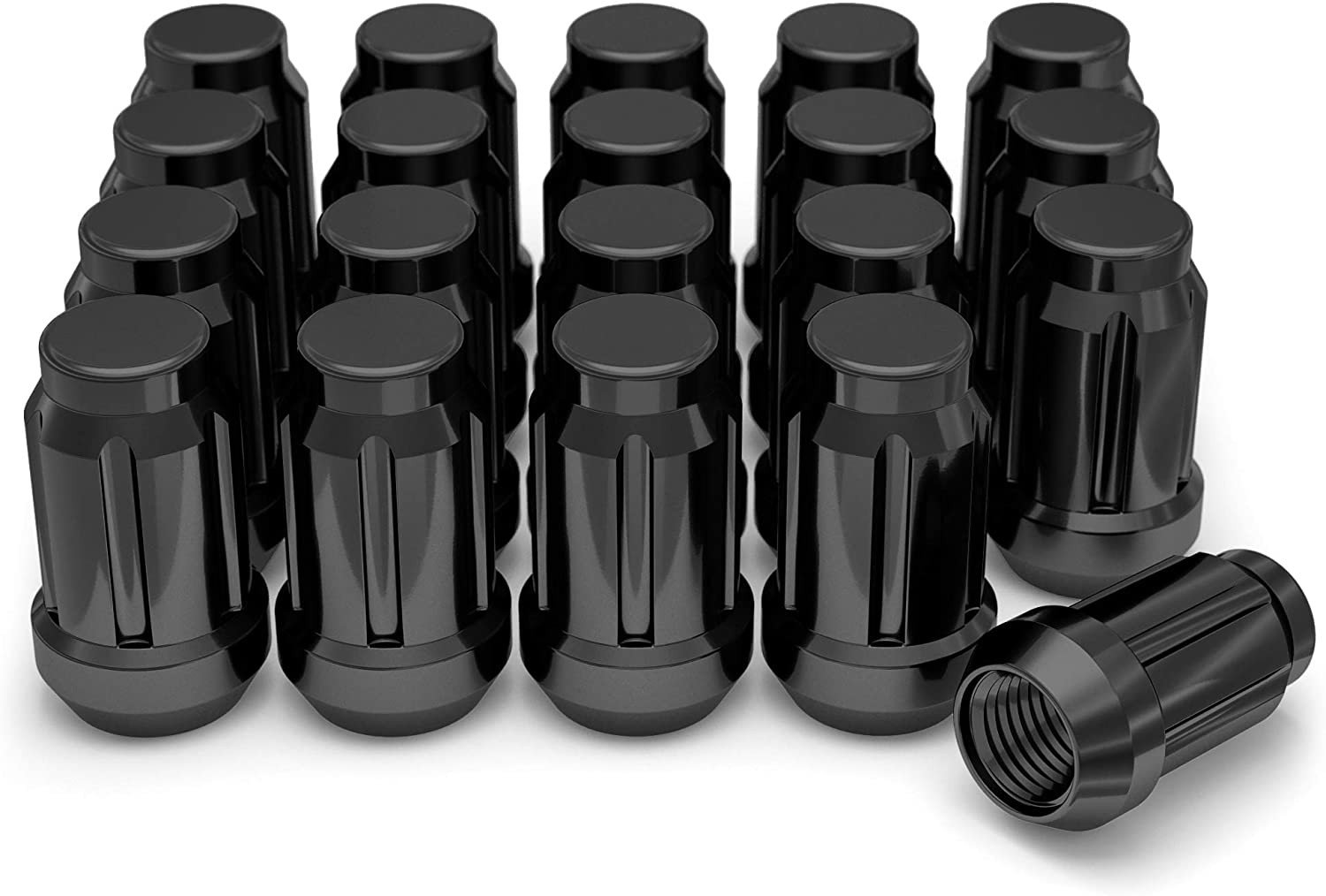
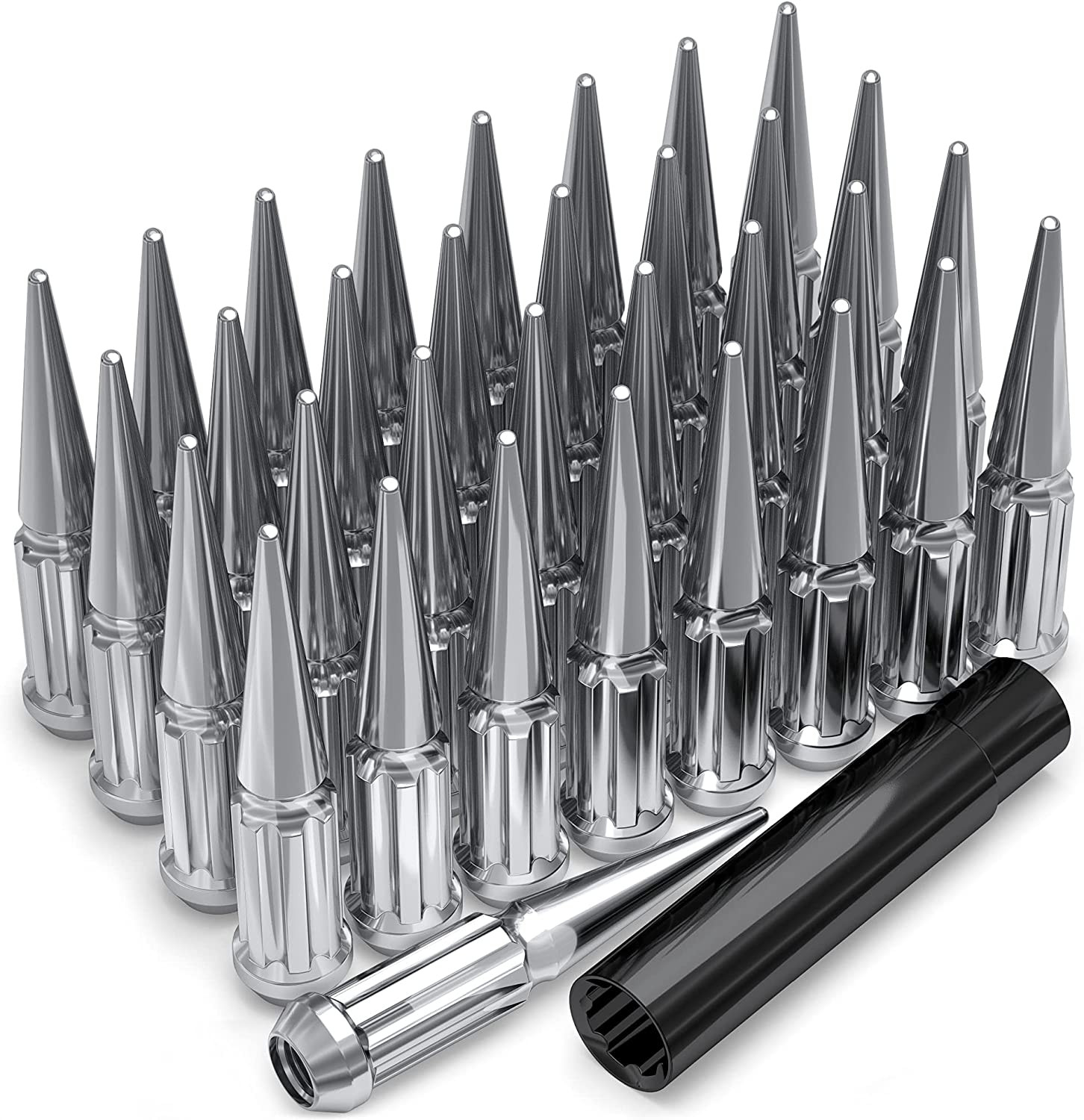
- Verify that the wheel's lug-seat design matches the correct lug nuts. Thread size alone does not identify the correct seat.
- Confirm tire size, load index, speed rating, age, condition, and approved rim-width range.
- Look for cracks, bends, corrosion around the bead seat, damaged lug holes, and repairs on used wheels.
If a seller cannot provide the wheel's diameter, width, offset, center bore, and lug-seat type, treat the listing as unverified. Use Honda documentation and the wheel manufacturer catalog for final confirmation.
Plus Sizing And Common Upgrades
Plus sizing changes the wheel diameter while reducing tire sidewall height so that overall tire diameter can remain near the original value. It can affect steering feel, ride comfort, impact resistance, speedometer behavior, gearing, and clearance. The supplied fitment data does not identify every approved factory tire and wheel package for every 2011 Honda Fit trim, so a specific upgrade should be checked against the door-jamb label, owner manual, Honda service information, and the tire manufacturer's fitment data.
When comparing a larger rim, enter the proposed rim diameter, width, and offset in the custom wheel fields. Then enter the proposed tire section width and aspect ratio. Review the change in overall diameter, sidewall height, inner clearance, and outer position. A tire that is close in diameter can still be too wide, and a wheel that matches the bolt pattern can still contact the suspension or bodywork.
Do not select a tire solely because its nominal diameter appears similar. The wheel must support the tire's approved rim width, and the complete assembly must retain adequate clearance at full steering lock and under compression. Any modification that changes handling or ground clearance should be checked by a qualified tire and wheel professional.
Installation Tips
Clean the hub face and wheel mounting surface before installation. Rust, paint buildup, dirt, or debris between the mating surfaces can prevent the wheel from seating correctly and may cause runout or fastener loosening.
Install the correct lug nuts by hand first. Do not force mismatched lug-seat hardware, and do not use impact tools to start the threads. Tighten the lug nuts in a crisscross pattern with the vehicle supported safely, then torque them to the vehicle or wheel manufacturer's specified value.
After installation, check that the wheel rotates freely and that no component contacts the wheel or tire. Set tire pressure according to the vehicle label, not the maximum pressure molded on the tire sidewall. Recheck lug torque after the manufacturer's recommended initial driving interval and after any wheel removal.
Aftermarket wheels can require different lug nuts, valve stems, hub rings, or tire-pressure-monitoring service. Confirm compatibility before mounting tires. If there is vibration, pulling, rubbing, air loss, or unusual steering behavior, stop driving and inspect the installation.
Tools And Helpful Supplies
Useful equipment includes a floor jack, correctly rated jack stands, wheel chocks, a breaker bar, a torque wrench, a socket that fits the lug nuts, a tire-pressure gauge, and a tread-depth gauge. A straightedge and caliper can help verify wheel dimensions, while a hub and wheel cleaning brush helps remove corrosion from mounting surfaces.
For a basic search for wheel installation equipment, see automotive torque wrenches and wheel lug tools on Amazon. Always select tools with ratings appropriate for the vehicle and follow the tool manufacturer's instructions.
FAQs
What is the bolt pattern for the 2011 Honda Fit?
The known bolt pattern supplied for the 2011 Honda Fit is 4x100. Confirm the wheel's actual markings or specifications before purchase because a similar-looking wheel with a different pattern is not interchangeable.
What is the center bore for the 2011 Honda Fit?
The supplied center bore is 56.1 mm. A wheel with a smaller center bore cannot fit over the hub. A larger-bore wheel may require correctly sized hub-centric rings, but rings do not make an otherwise incompatible wheel safe.
What wheel offset is listed for the 2011 Honda Fit?
The known wheel offset is ET50, or 50 mm. Offset affects both inner suspension clearance and outer fender position, so compare any donor or custom wheel with the calculator and verify clearance physically.
Does every 2011 Honda Fit use the same tire size?
Not necessarily. The supplied information lists a 175 mm section width, 65 percent aspect ratio, and 15-inch tire rim diameter, while it separately lists a 16-inch rim diameter. This indicates that the data may cover different configurations. Confirm the exact tire size on the vehicle and in OEM documentation.
Can I install any 4x100 wheel on a 2011 Honda Fit?
No. The bolt pattern is only one part of fitment. The wheel must also have suitable diameter, width, offset, center bore, brake clearance, lug-seat compatibility, and load capacity. Use the calculator for comparison, then complete a physical and manufacturer-based verification.
How do I compare wheels from another vehicle?
Enter the donor vehicle's measured or manufacturer-published wheel diameter, width, offset, and center bore in the calculator's donor fields. Compare those values with the 2011 Honda Fit fields and inspect the wheel for brake, suspension, fender, and hub clearance before installation.
What should I do if the calculator shows a close match?
A close numerical match is not an approval for road use. Confirm the wheel's part number and specifications with the manufacturer or OEM source, verify lug hardware, mount the assembly, and check clearance through steering and suspension movement. If any clearance or hardware detail is uncertain, consult a qualified wheel and tire technician.