2016 Honda Fit Wheel Interchange And Fitment Guide
Known OEM Fitment For 2016 Honda Fit
The following specifications are the known reference values for the 2016 Honda Fit in this guide. Fitment can vary by trim, market, wheel package, or replacement parts, so confirm the information on your vehicle and in the applicable Honda service documentation before purchasing wheels or tires.
| Specification |
Known value |
| Bolt pattern |
4x100, meaning 4 studs on a 100 mm pitch circle diameter |
| Center bore |
56.1 mm |
| Thread size |
M12 x 1.5 |
| Rim diameter |
15 inches |
| Rim width |
6.0 inches |
| Wheel offset |
ET50, or 50 mm |
| Backspacing |
4.97 inches |
| Reference tire size |
185/60R15 |
| Tire section width |
185 mm |
| Tire aspect ratio |
60 percent |
These values describe the wheel and tire reference configuration supplied for this page. The bolt pattern alone is not enough to establish safe compatibility. The center bore, wheel width, offset, brake clearance, lug hardware, tire load rating, and tire clearance must also be checked.
How To Use The Wheel Interchange Calculator
Use the calculator to compare wheels from a donor vehicle with wheels installed on your 2016 Honda Fit. Enter the donor vehicle information in the “Wheels from” area and the Honda Fit information in the “Installed on” area. Review the wheel diameter, width, offset, bolt pattern, center bore, and tire measurements together rather than relying on one matching specification.
You can also select a custom wheel size and enter a custom rim diameter, rim width, and offset. Use the custom tire fields to enter section width and aspect ratio. When the rim diameter changes, the calculator updates the tire diameter used in the comparison. This helps show how a proposed wheel and tire combination differs from the known 185/60R15 reference setup.
Calculator results are a screening tool, not a substitute for a physical test fit or professional inspection. Confirm brake clearance, hub fit, stud engagement, fender clearance, suspension clearance, and tire load and speed ratings before driving.
Fitment Checklist Before You Buy
Start by confirming that the wheel uses the 4x100 bolt pattern and that its center bore is compatible with the vehicle hub. A wheel with a larger center bore may require correctly sized hub-centric rings, while a wheel with a smaller center bore cannot be safely installed over the hub without proper machining by a qualified specialist. Do not assume that a matching bolt pattern guarantees a hub-compatible fit.
Compare the proposed wheel width and offset with the known 6.0-inch, ET50 reference. Changes in width or offset can move the inner wheel edge toward suspension components or move the outer edge toward the fender. Check both sides of the wheel, not just the outside face.
Verify that the tire is approved for the wheel width and that its load index and speed rating meet or exceed the vehicle requirements. Tire specifications can vary by trim or market and are not provided here, so confirm them on the vehicle placard, in the owner documentation, or with a Honda dealer or qualified tire professional.
Ask the wheel seller for the exact wheel specifications, including offset, center bore, brake-clearance information, lug-seat type, and required hardware. Confirm the wheel manufacturer’s application data rather than relying only on a general vehicle list.
Plus Sizing And Common Upgrades
Plus sizing changes the wheel diameter while using a lower-profile tire to keep the overall tire diameter reasonably close to the reference size. The correct replacement tire cannot be selected from wheel diameter alone. The calculator can compare a custom rim diameter, width, and offset with a custom tire section width and aspect ratio, but it does not replace the tire maker’s approved rim-width range or the vehicle manufacturer’s requirements.
A wider tire or wheel may affect steering effort, ride comfort, wet-road behavior, fuel economy, suspension clearance, and fender clearance. A lower-profile tire may also be more vulnerable to impact damage. Before choosing an upgrade, compare the calculated tire diameter and wheel position with the original setup, then inspect the vehicle at full steering lock and through the available suspension travel.
Do not select an upgrade solely because it looks similar to another Honda or because the bolt pattern matches. The compatible vehicle list for a wheel is not provided here, and donor fitment must be verified using the wheel maker’s specifications and a physical clearance check.
Installation Tips
Inspect each wheel for cracks, bends, corrosion, damaged mounting faces, and elongated bolt holes before installation. Clean rust and debris from the hub and wheel mounting surfaces without removing material that affects fitment. The wheel must sit completely flush against the hub or approved spacer surface.
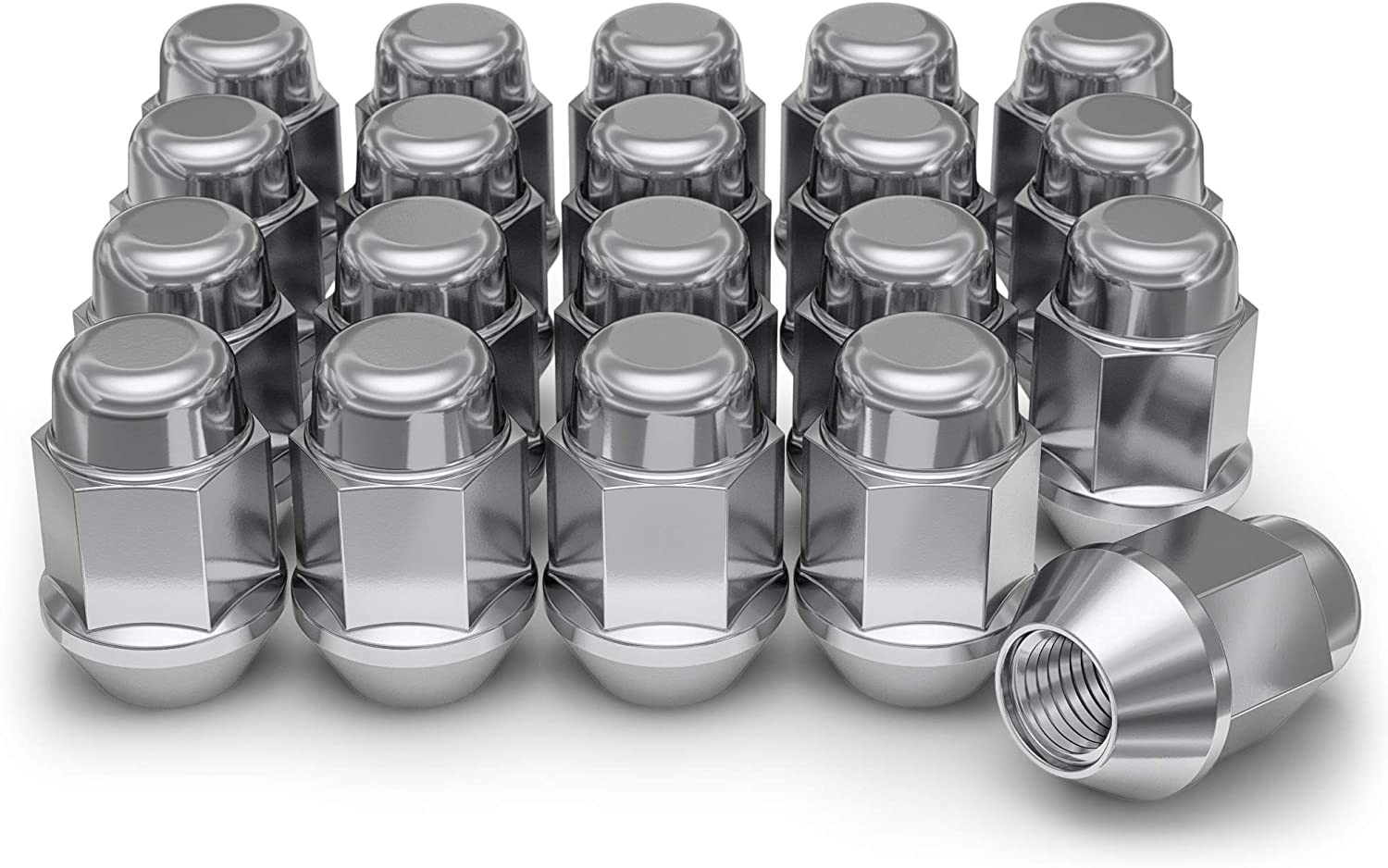
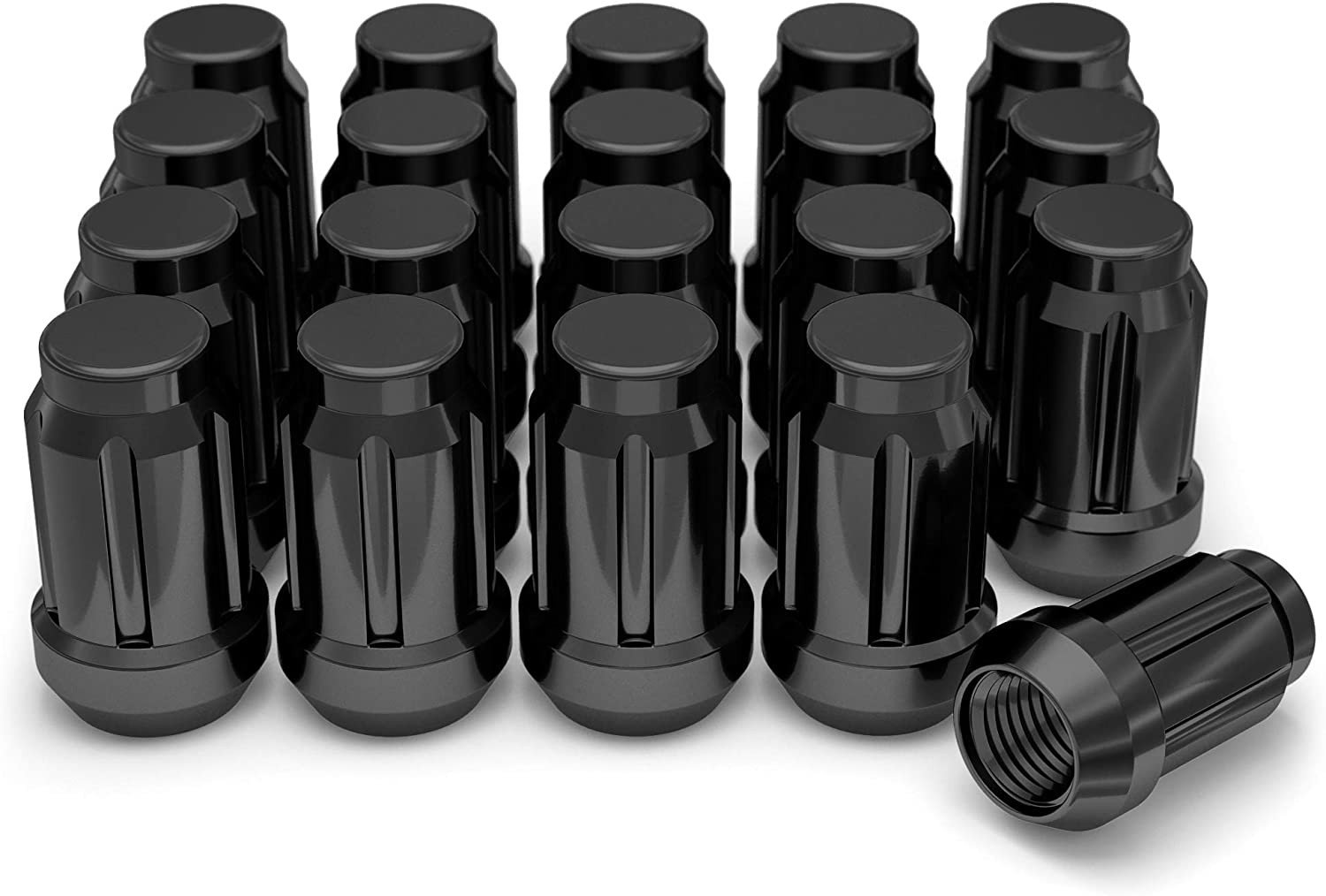
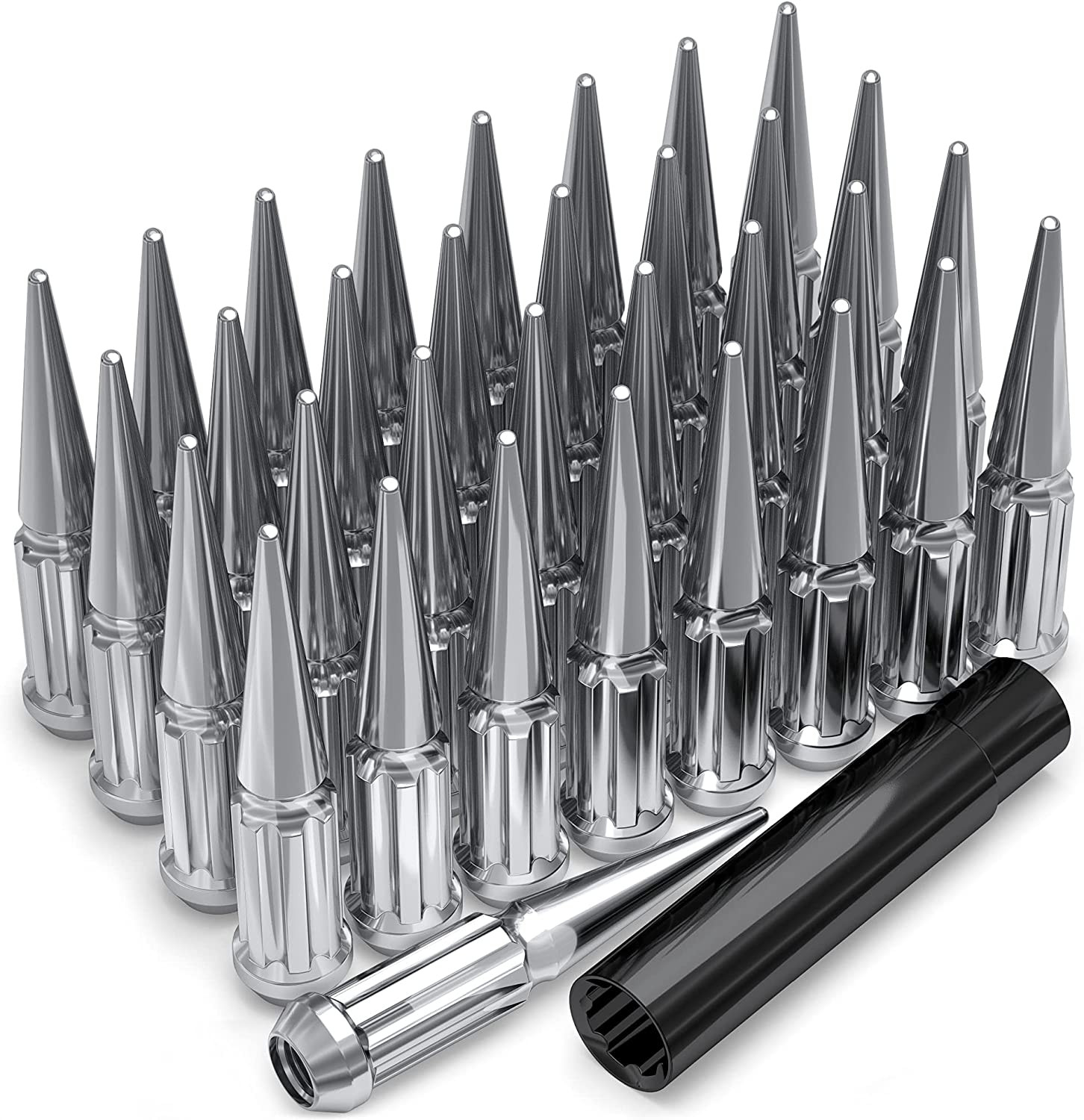
Use only the correct lug hardware for the specific wheel’s seat design and the vehicle’s M12 x 1.5 thread specification. The lug-seat type and required torque value are not provided here, so obtain them from the wheel manufacturer and Honda service information. Never force incompatible lug nuts onto the studs.
Install the wheels in a star pattern and tighten them with a calibrated torque wrench to the vehicle or wheel manufacturer’s specified torque. Recheck torque after the first drive interval specified by the manufacturer. If a wheel vibrates, rubs, loses pressure, or does not seat correctly, stop driving and correct the problem.
After installation, check clearance with the steering turned fully left and right. Also check the inner sidewall, wheel spokes, brake components, strut or suspension parts, and fender edges. Make sure the tire does not contact any component during normal suspension movement.
Tools And Helpful Supplies
Useful equipment includes a calibrated torque wrench, a properly sized socket, a reliable jack, jack stands rated for the vehicle, wheel chocks, a tire-pressure gauge, and a tread-depth gauge. Use the vehicle’s approved lifting points and support the vehicle securely. Never work beneath a vehicle supported only by a jack.
Depending on the wheel design, you may also need correctly sized hub-centric rings, replacement lug nuts, or a tire-pressure monitoring service. These parts must match the actual wheel and vehicle. Do not buy them based only on a generic product description.
FAQs
What is the bolt pattern for the 2016 Honda Fit?
The known bolt pattern for this page is 4x100. Confirm the vehicle-specific information before installation, especially if the vehicle has replacement hubs or non-original wheels.
What is the center bore for the 2016 Honda Fit?
The known center bore is 56.1 mm. A wheel with a larger bore may need properly sized hub-centric rings, while a smaller bore will not fit over the hub without appropriate professional machining.
What is the reference tire size?
The provided reference tire size is 185/60R15. Tire load and speed ratings are not supplied here, so verify the required ratings on the vehicle placard, in Honda documentation, or with a qualified tire professional.
Can any 4x100 wheel fit a 2016 Honda Fit?
No. The bolt pattern is only one part of fitment. You must also verify center bore, wheel width, offset, brake clearance, lug-seat compatibility, thread engagement, tire size, and load and speed ratings.
What wheel size is listed as the known reference?
The known reference wheel is 15 inches in diameter, 6.0 inches wide, with a 50 mm offset and 4.97 inches of backspacing. These values may not represent every trim or market configuration, so confirm the installed wheel and OEM documentation.
How can I compare a different wheel and tire size?
Enter the donor vehicle in “Wheels from” and the 2016 Honda Fit in “Installed on,” or use the custom wheel and tire fields. Compare diameter, width, offset, center bore, and tire dimensions. A physical clearance inspection remains necessary before driving.
Do I need hub-centric rings?
Only if the selected wheel has a larger center bore and the wheel manufacturer or fitment professional confirms that rings are appropriate. The ring size must match the vehicle hub and wheel bore precisely. Rings cannot correct a mismatched bolt pattern, unsafe offset, inadequate brake clearance, or a wheel bore that is too small.