2001 Honda Insight Wheel Fitment Guide
Known OEM Fitment For 2001 Honda Insight
The following specifications are the known OEM fitment data available for the 2001 Honda Insight. Fitment can vary by market, trim, wheel package, or replacement parts, so confirm the markings on your current wheel and consult Honda service information before purchasing.
| Specification |
Known value |
| Bolt pattern |
4x100, meaning 4 studs on a 100 mm pitch circle diameter |
| Center bore |
56.1 mm |
| Thread size |
M12 x 1.5 |
| Rim diameter |
14 inches |
| Rim width |
5.5 inches |
| Wheel offset |
ET45, or 45 mm positive offset |
| Backspacing |
4.52 inches |
| Known tire size |
165/65R14 |
The bolt pattern, center bore, offset, width, and brake clearance all matter. A wheel with the correct 4x100 pattern is not automatically safe or suitable if its center bore, offset, load rating, width, or brake clearance is wrong. The center bore should be at least large enough to clear the vehicle hub. Hub-centric rings may be needed for a larger aftermarket center bore, but they do not correct an incorrect bolt pattern or unsafe offset.
How To Use The Wheel Interchange Calculator
Use the calculator to compare a potential donor wheel with the wheel installed on your 2001 Honda Insight. Select or enter the donor vehicle and place its specifications in the “Wheels from” fields. Enter the Insight specifications in the “Installed on” fields, using the known values above when applicable.
- Compare rim diameter, rim width, and offset to see how the replacement wheel may sit relative to the original.
- Compare center bore and bolt pattern before considering any wheel for installation.
- Use the custom wheel size fields when the donor wheel is not listed or when you are evaluating an aftermarket wheel.
- Use the custom tire size fields to compare section width and aspect ratio with the known 165/65R14 size.
- Changing rim diameter updates the tire diameter comparison, which helps identify potential speedometer, gearing, and clearance differences.
The calculator is a comparison tool, not a substitute for a physical test fit or OEM confirmation. Check the wheel part number, load rating, brake clearance, lug-seat design, and tire manufacturer requirements before ordering.
Fitment Checklist Before You Buy
- Confirm the wheel uses a 4x100 bolt pattern.
- Confirm that the wheel clears the 56.1 mm hub. A larger center bore may require correctly sized hub-centric rings.
- Confirm the wheel offset and width against the original ET45 and 5.5-inch specifications.
- Check the wheel's load rating against the vehicle manufacturer's requirements.
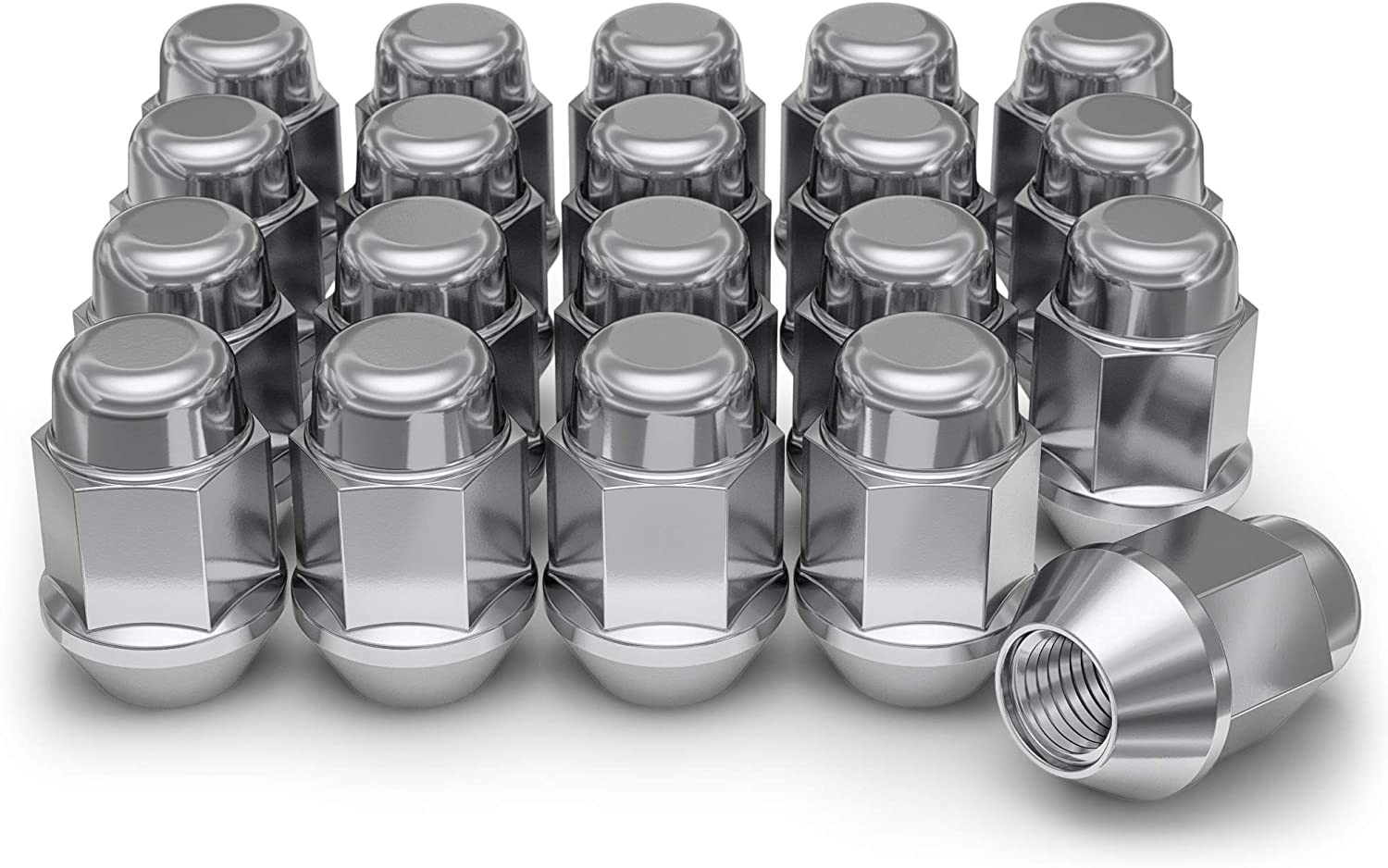
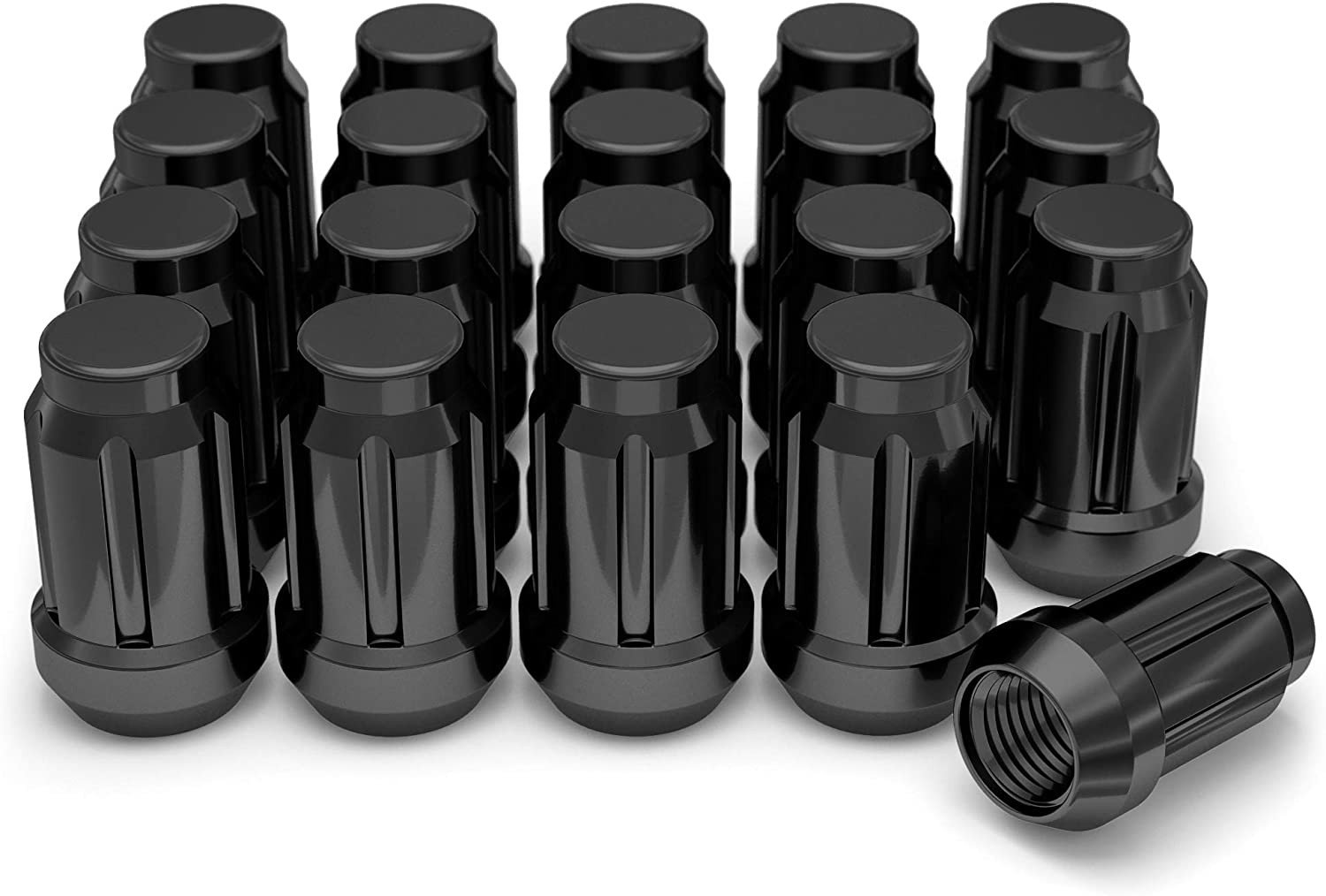
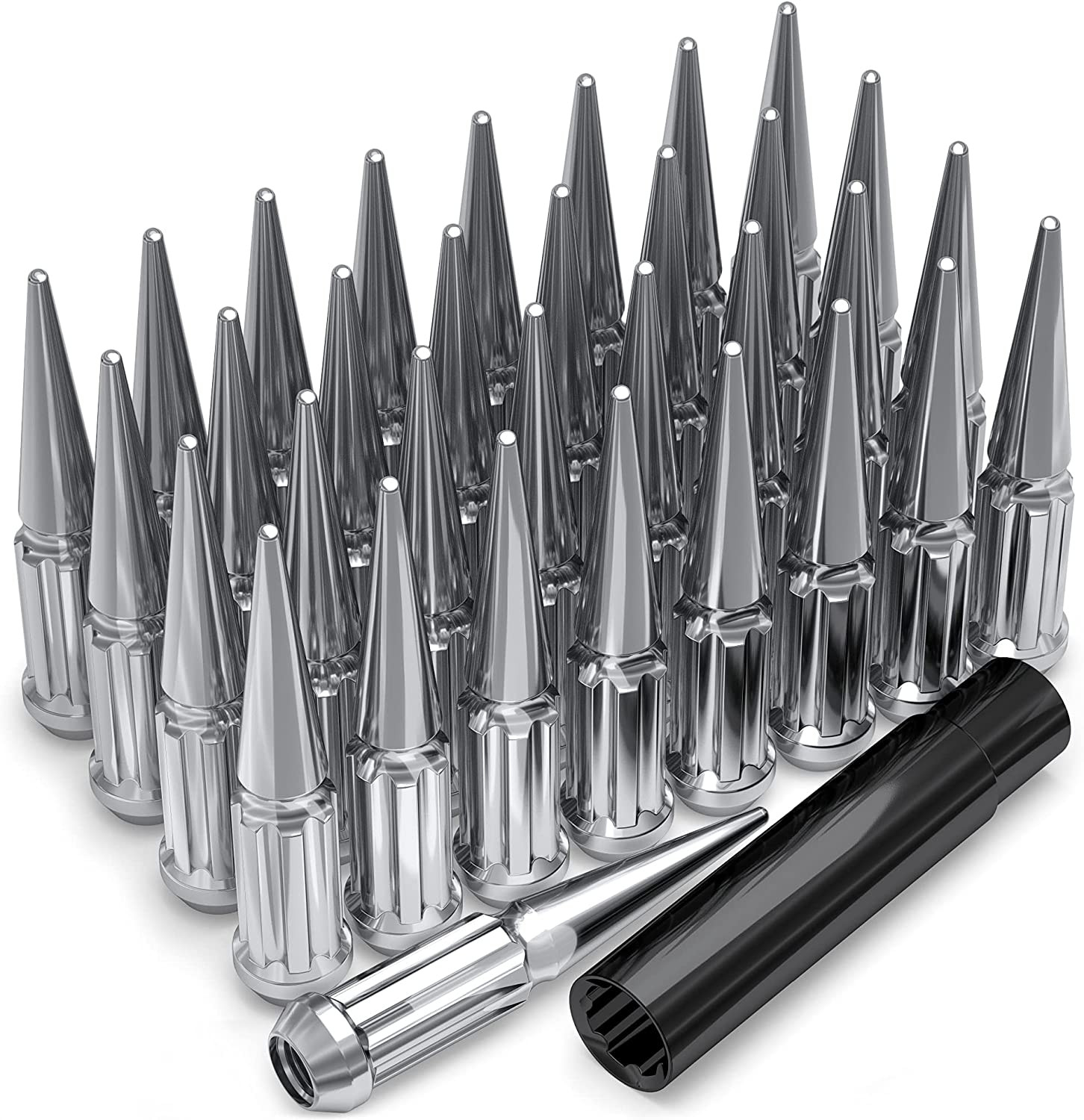
- Verify that the lug nuts match the wheel's seat type, thread size, and seating depth. The known thread size is M12 x 1.5, but the correct lug seat still must be confirmed.
- Inspect inner-barrel and spoke clearance around the brake components and suspension.
- Check for interference with the fender, liner, steering components, and suspension at full steering lock and full suspension movement.
- Confirm that the replacement tire is approved for the wheel width and has adequate load and speed ratings.
- Measure used wheels for bends, cracks, corrosion, damaged lug holes, and previous repairs.
If the wheel size or tire size varies from the known OEM data, verify the final combination with Honda documentation, the wheel manufacturer, and the tire manufacturer. Do not rely only on a seller's vehicle dropdown list.
Plus Sizing And Common Upgrades
Plus sizing generally uses a larger rim diameter with a lower-aspect-ratio tire to keep overall tire diameter reasonably close to the original. The correct upgrade cannot be determined from bolt pattern alone. It depends on wheel width, offset, tire approval, brake clearance, suspension condition, and available fender clearance.
Use the calculator's custom wheel and tire fields to compare proposed sizes with the known 165/65R14 setup. Review the displayed diameter difference and width comparison, then confirm the result with a physical fitment check. A larger or wider combination can change steering effort, ride comfort, road noise, fuel economy, and the risk of contact during turns or suspension compression.
Do not select a tire solely because its diameter appears close. The tire must fit the wheel's approved width range, meet the vehicle's load and speed requirements, and provide adequate clearance. Tire pressure recommendations should come from the vehicle information label and tire manufacturer guidance, not from the maximum pressure molded on the tire sidewall.
Installation Tips
- Clean the hub face and wheel mounting surface before installation. Remove rust and debris without removing metal from the mating surfaces.
- Confirm that the wheel sits fully against the hub and that no dirt, retaining hardware, or paint buildup prevents proper seating.
- Install the correct M12 x 1.5 lug hardware for the wheel. Do not force incompatible lug nuts or reuse damaged hardware.
- Start all lug nuts by hand to avoid cross-threading.
- Tighten the lug nuts in a star or crisscross pattern, then torque them to the vehicle or wheel manufacturer's specification. The correct torque value is not provided here and must be confirmed from an OEM or wheel manufacturer source.
- Lower the vehicle securely before applying final torque, while keeping the wheel from rotating as needed.
- After installation, check for clearance at both steering extremes and during a careful low-speed test.
- Recheck lug torque after the break-in distance specified by the vehicle or wheel manufacturer and whenever a wheel has been removed.
Never work under a vehicle supported only by a jack. Use a suitable jack stand and follow safe lifting points from the owner's manual.
Tools And Helpful Supplies
A reliable torque wrench is important because over-tightening can damage wheel hardware and under-tightening can allow the wheel to loosen. A hub and wheel cleaning brush can help remove surface corrosion before installation. These links are Amazon search links for general tools and supplies. Confirm the product specifications before purchase.
FAQs
What is the bolt pattern for the 2001 Honda Insight?
The known bolt pattern is 4x100. This means the wheel has four mounting holes arranged on a 100 mm pitch circle diameter.
What is the center bore for the 2001 Honda Insight?
The known center bore is 56.1 mm. An aftermarket wheel with a larger bore may require properly sized hub-centric rings. A smaller bore generally will not fit over the hub without approved machining, and machining should not be assumed safe without professional evaluation.
What wheel size is listed for the 2001 Honda Insight?
The known rim size is 14 x 5.5 inches with an ET45 offset. Verify the markings on the installed wheel because wheel packages and replacement wheels can vary.
What tire size is listed for the 2001 Honda Insight?
The known tire size is 165/65R14, consisting of a 165 mm section width, 65 percent aspect ratio, and 14-inch rim diameter. Confirm the required tire size and ratings using the vehicle information label and OEM documentation.
What lug thread size does the 2001 Honda Insight use?
The known thread size is M12 x 1.5. The thread size alone does not identify the correct lug nut. The lug seat type and physical compatibility with the wheel must also be confirmed.
Can any 4x100 wheel fit the 2001 Honda Insight?
No. A matching bolt pattern is only one requirement. The wheel must also have suitable center-bore clearance, offset, width, load rating, lug-seat compatibility, brake clearance, and fender and suspension clearance.
Can I use a wheel with a different offset?
A different offset may be possible, but it changes the wheel's position relative to the hub, suspension, and fender. Use the calculator to compare the proposed dimensions, then verify clearance through a physical test fit and confirm suitability with the wheel manufacturer or a qualified technician.
Does changing wheel diameter change tire diameter?
It can. When rim diameter changes, the tire's sidewall height and selected tire size determine the overall diameter. The calculator updates the tire diameter comparison when you change rim diameter. Always verify the final tire size and vehicle clearance before driving.
Where can I confirm fitment if the calculator does not show my wheel?
Enter the wheel's measured or manufacturer-listed diameter, width, offset, and center bore in the calculator's custom wheel size fields. Confirm the bolt pattern, load rating, lug-seat type, and clearance using the wheel manufacturer's documentation, Honda OEM sources, and a physical inspection.