2005 Honda Insight Wheel Fitment Guide
Use the information below to check wheel and tire compatibility for the 2005 Honda Insight. The listed specifications are the known OEM fitment values provided for this model year. Trim, market, replacement-wheel history, and previous modifications can affect fitment, so confirm the vehicle details before ordering.
Known OEM Fitment For 2005 Honda Insight
| Specification |
Known value |
| Bolt pattern, studs x PCD |
4x100 |
| Center bore |
56.1 mm |
| Thread size |
M12 x 1.5 |
| OEM rim diameter |
14 inches |
| OEM rim width |
5.5 inches |
| Wheel offset |
ET45 |
| Backspacing |
4.52 inches |
| Tire section width |
165 mm |
| Tire aspect ratio |
65 |
| Tire rim diameter |
R14 |
These specifications describe the known reference fitment and are not a guarantee that every 4x100 wheel will fit. Wheel spoke shape, brake clearance, center-bore size, offset, tire dimensions, and load rating must also be checked.
How To Use The Wheel Interchange Calculator
The on-page wheel interchange calculator lets you compare wheels from a donor vehicle with the wheels installed on your 2005 Honda Insight.
- Enter or select the donor vehicle under “Wheels from.” Confirm the donor wheel diameter, width, offset, bolt pattern, and center bore from a reliable source.
- Enter the 2005 Honda Insight under “Installed on,” then compare the donor specifications with the known OEM values listed above.
- Use “Custom wheel size” to test a proposed rim diameter, rim width, and offset when the exact wheel is not listed.
- Use “Custom tire size” to compare tire section width and aspect ratio. The calculator can show how the proposed tire compares with the reference tire.
- When you change rim diameter, review the updated tire diameter in the comparison. A different wheel diameter normally requires a tire with a suitable sidewall height to maintain a safe overall diameter.
- Treat the result as a comparison aid, not a final clearance certification. Physically inspect the wheel and tire, and confirm specifications with the wheel manufacturer and Honda service information.
Fitment Checklist Before You Buy
- Verify the bolt pattern is 4x100. Do not assume a wheel fits because it has four lug holes.
- Check that the wheel center bore is at least 56.1 mm. A smaller bore will not fit over the vehicle hub. A larger bore may require correctly sized hub-centric rings if approved for the application.
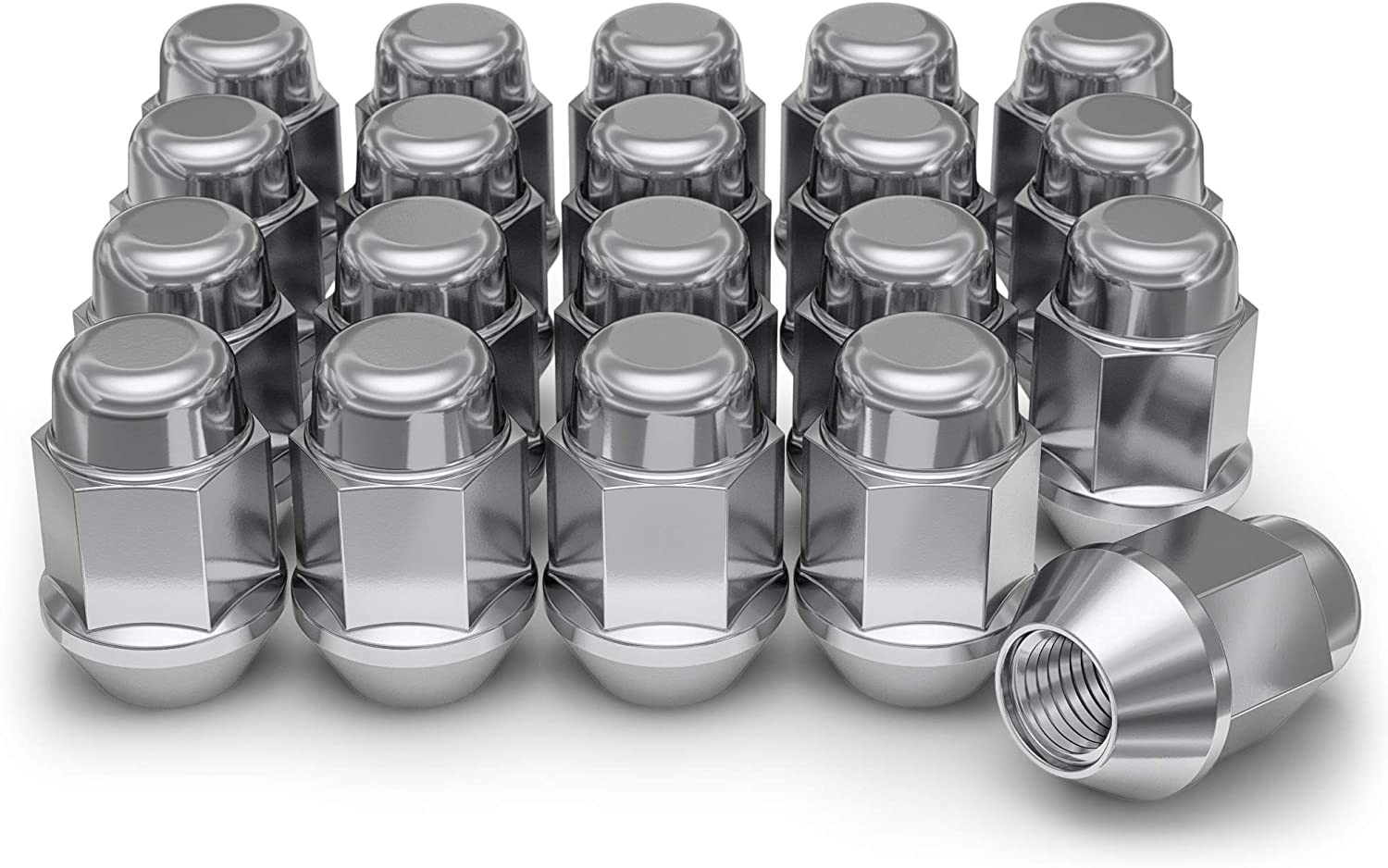
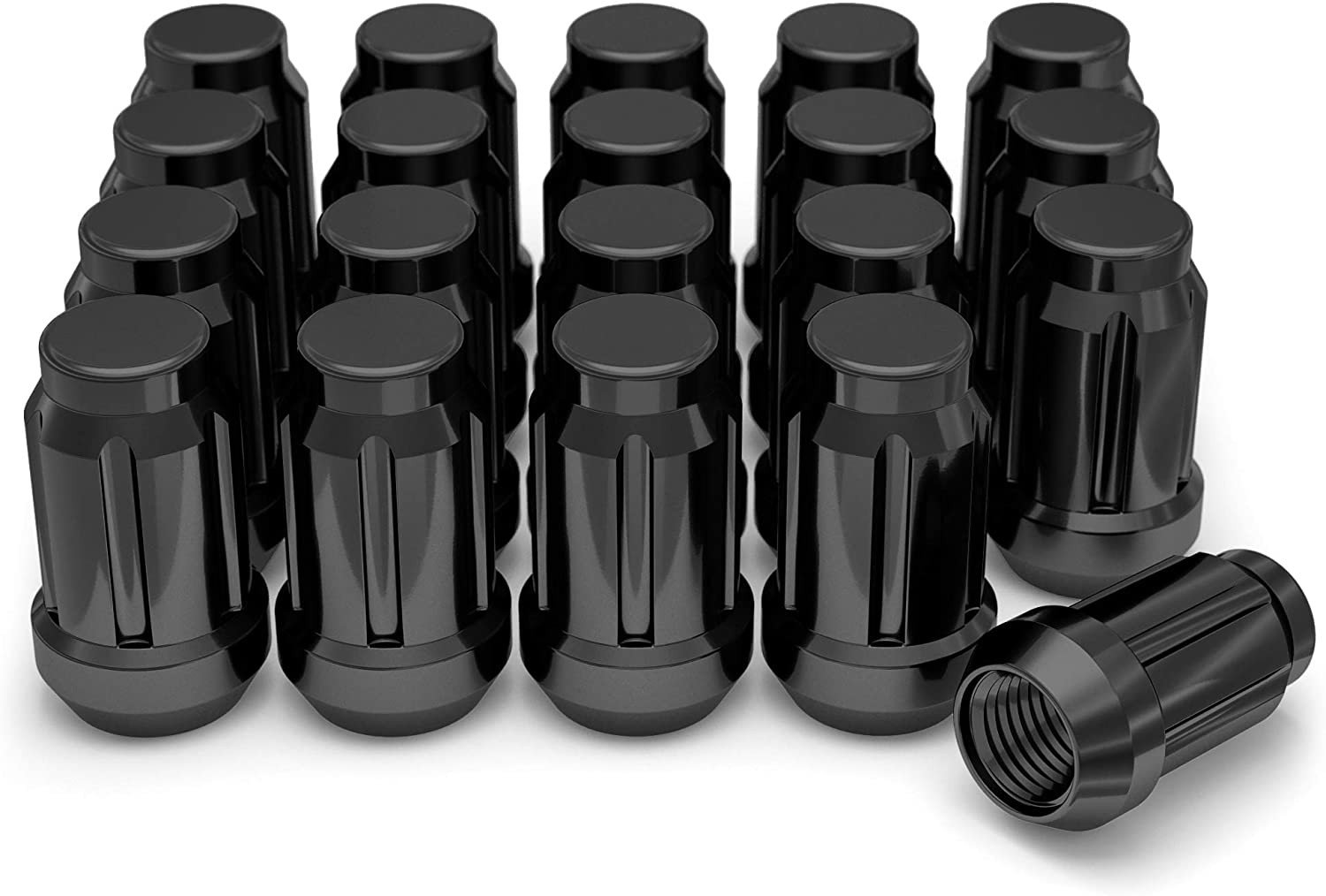
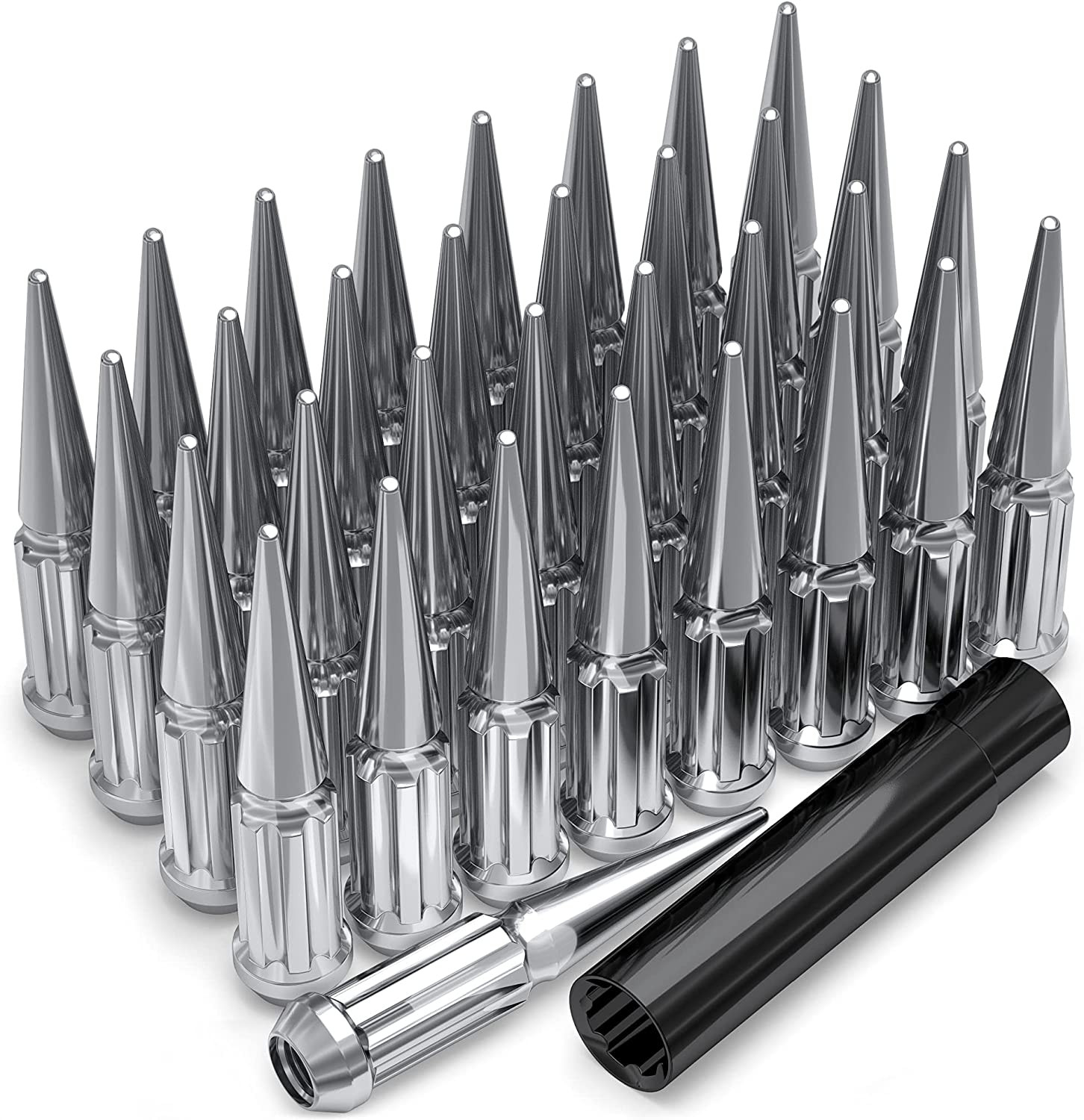
- Confirm the wheel uses the correct M12 x 1.5 lug hardware and that the seat type matches the wheel. Do not mix incompatible lug nuts.
- Compare width and offset with the OEM reference of 5.5 inches and ET45. Changes can affect inner suspension clearance, outer fender clearance, steering feel, and scrub radius.
- Check brake caliper and suspension clearance with a physical test fit when possible. Spoke design can cause interference even when diameter, width, and offset appear suitable.
- Verify the replacement wheel and tire have adequate load capacity for the vehicle. The exact requirement should be confirmed through the tire placard, owner documentation, or Honda service information.
- Inspect used wheels for bends, cracks, corrosion around the bead, damaged lug seats, and evidence of repairs.
- Confirm the tire size, speed rating, load index, age, and condition before installation.
- After installation, check that the tire does not rub during steering lock, suspension compression, or reversing.
Plus Sizing And Common Upgrades
Plus sizing means using a larger-diameter wheel with a lower-profile tire so the overall tire diameter remains reasonably close to the original reference. The supplied OEM reference uses a 14-inch rim with a 165 mm section width and a 65 aspect ratio. No specific larger wheel or tire combination is confirmed here.
A larger wheel is not automatically an upgrade. It can increase cost, reduce sidewall cushioning, increase the chance of wheel or tire damage, and change steering response. A wider tire can also affect fender, suspension, and inner-wheel clearance.
Use the calculator to compare custom rim diameter, width, offset, section width, and aspect ratio. Review the calculated diameter change, then confirm the proposed tire size with a tire manufacturer or retailer. The final combination must also meet wheel load, tire load, speed, clearance, and installation requirements.
Installation Tips
- Park on a level surface, engage the parking brake, and use properly rated jack stands. Never rely on a jack alone while working under or beside the vehicle.
- Loosen lug nuts slightly before lifting the vehicle, then support the vehicle at approved lift points.
- Clean the hub and wheel mounting surfaces. Rust, dirt, or paint buildup can prevent the wheel from seating correctly.
- Install the wheel by hand and thread each lug nut by hand first. Stop if the threads bind or the lug nut seat does not match the wheel.
- Snug the lug nuts in a crisscross pattern, lower the vehicle enough to prevent rotation, and tighten them with a calibrated torque wrench to the torque specified by Honda or the wheel manufacturer.
- Do not lubricate lug nut threads unless the manufacturer specifically requires it. Lubrication can change the achieved clamping force.
- Check tire pressure using the vehicle placard or the tire manufacturer's guidance. Do not use the tire sidewall maximum as the normal vehicle setting unless specified.
- Recheck lug-nut torque after the first short drive and again according to the wheel manufacturer's instructions. Stop immediately if you feel vibration, pulling, rubbing, or unusual noise.
Tools And Helpful Supplies
A calibrated torque wrench, jack stands, a suitable floor jack, a socket that fits the lug nuts, and a tire-pressure gauge are useful for a safe wheel installation. A hub-cleaning brush and a flashlight can help reveal corrosion and clearance problems.
Choose tools with ratings suitable for automotive service, and follow the instructions supplied with the tool and vehicle.
FAQs
What is the bolt pattern for the 2005 Honda Insight?
The known OEM bolt pattern is 4x100, meaning four studs or lug positions on a 100 mm pitch circle diameter.
What is the center bore for the 2005 Honda Insight?
The known center bore is 56.1 mm. A wheel with a smaller center bore will not fit over the hub. A larger bore may need an accurately sized hub-centric ring, subject to the wheel manufacturer's guidance.
What wheel offset and size are listed for this Insight?
The known reference is a 14 x 5.5-inch wheel with ET45 offset and 4.52-inch backspacing. Verify the individual wheel's stamped or documented specifications before purchase.
What tire specification is provided for the 2005 Honda Insight?
The provided reference lists a 165 mm section width, a 65 aspect ratio, and a 14-inch rim diameter. The complete service-approved tire designation should be confirmed from the vehicle tire placard, owner documentation, or Honda service information.
Will every 4x100 wheel fit a 2005 Honda Insight?
No. Bolt pattern is only one part of fitment. Center bore, offset, width, spoke and brake clearance, lug-seat design, wheel load rating, and tire clearance must also be checked.
Can I install a larger wheel diameter?
A larger wheel may be possible, but no larger wheel combination is confirmed by the supplied information. Use the calculator to test custom dimensions and select a tire that keeps overall diameter within an appropriate range. Physical clearance and manufacturer specifications still require confirmation.
Do I need hub-centric rings for aftermarket wheels?
Only if the wheel has a larger center bore and the wheel manufacturer permits their use. A wheel with a center bore smaller than 56.1 mm cannot be made to fit with a ring.
Where can I confirm the final specifications?
Check the vehicle's tire and loading information label, owner documentation, Honda service information, and the wheel and tire manufacturer's technical data. Compare those sources with the on-page calculator, then perform a careful test fit before driving.