2011 Honda Insight Wheel Fitment Guide
This page summarizes the supplied wheel and tire fitment data for the 2011 Honda Insight. Specifications can vary by trim, wheel package, market, or replacement parts. Confirm the final fitment with the vehicle identification label, owner’s manual, the markings on the existing wheel, and an OEM Honda source before buying.
Known OEM Fitment For 2011 Honda Insight
The following specifications are the known values provided for this vehicle. They should be treated as a starting point, not a substitute for checking the exact vehicle and wheel.
| Specification |
Provided value |
| Bolt pattern |
4x100, meaning 4 studs on a 100 mm pitch circle diameter |
| Center bore |
56.1 mm |
| Thread size |
M12 x 1.5 |
| Rim diameter |
16 inches |
| Rim width |
6.0 inches |
| Wheel offset |
ET48, or 48 mm positive offset |
| Backspacing |
4.89 inches |
| Tire section width |
175 mm |
| Tire aspect ratio |
65 percent |
| Tire rim diameter |
R15, or 15 inches |
There is an apparent diameter mismatch in the supplied data: the rim diameter is listed as 16 inches, while the tire rim diameter is listed as 15 inches. A tire marked with an R15 specification is designed for a 15-inch wheel and cannot be mounted on a 16-inch wheel. Check the tire sidewall, wheel markings, door-jamb label, and OEM documentation to determine which wheel and tire package applies to the specific 2011 Honda Insight.
How To Use The Wheel Interchange Calculator
Use the calculator to compare a donor vehicle’s wheel with the 2011 Honda Insight. Enter the donor information in “Wheels from” and select the 2011 Honda Insight in “Installed on your vehicle.” Review bolt pattern, center bore, diameter, width, offset, and tire dimensions together rather than relying on one matching number.
The calculator also allows you to enter a custom wheel size. Adjust rim diameter, rim width, and offset to model a wheel that is not listed. You can enter custom tire section width and aspect ratio as well. When you change rim diameter, the calculator updates the tire diameter in the comparison, which helps show how a different wheel and tire package affects overall size.
Use the calculator as a screening tool. It cannot confirm brake-caliper clearance, spoke clearance, suspension clearance, fender clearance, hub engagement, load rating, or whether a tire is approved for a particular wheel width. Physically inspect or test-fit wheels before driving, and confirm final specifications with OEM sources.
Fitment Checklist Before You Buy
First, verify the 4x100 bolt pattern and confirm that the wheel’s mounting holes are designed for the vehicle’s M12 x 1.5 hardware. Do not force a wheel with a different pattern onto the studs.
Check the 56.1 mm hub relationship. A larger wheel center bore may require correctly sized hub-centric rings, while a smaller bore generally will not fit over the hub. Any ring must be made for the exact hub and wheel dimensions and must seat evenly.
Compare the wheel’s diameter, width, and ET offset with the known values. A change in offset moves the wheel inward or outward and can create contact with suspension components, brake parts, or the fender. Backspacing is also important because it describes the distance from the wheel’s mounting face to its inner edge.
Verify the tire size separately. The supplied 175/65R15 information does not match the supplied 16-inch rim diameter, so do not purchase a tire until the correct wheel diameter is confirmed. Check load index, speed rating, tire clearance, and the vehicle’s recommended inflation pressure.
Inspect used wheels for cracks, bends, severe corrosion, damaged mounting seats, and missing or incorrect hardware. Confirm the wheel’s load rating and make sure the replacement tire is approved for the wheel width.
Plus Sizing And Common Upgrades
Plus sizing changes the wheel diameter while maintaining a similar overall tire diameter by using a shorter tire sidewall. The goal is to preserve a compatible rolling diameter and adequate load capacity, not simply to install the largest wheel that fits.
No specific plus-size package is confirmed here. Use the calculator to model a proposed rim diameter, width, offset, section width, and aspect ratio, then verify the result against the door-jamb label and OEM documentation. The calculator’s tire-diameter update is useful for comparison, but it does not confirm physical clearance or speedometer accuracy.
Wider tires may improve dry-road grip but can increase the risk of rubbing and may affect steering effort, road noise, fuel economy, and wet-weather behavior. A smaller sidewall can also make wheels and tires more vulnerable to impact damage. Any upgrade should retain suitable load and speed ratings and should be checked at full steering lock and through suspension travel.
Installation Tips
Clean the hub face and wheel mounting surface before installation. Rust, dirt, paint buildup, or debris between the mating surfaces can prevent the wheel from seating correctly and can contribute to fastener loosening.
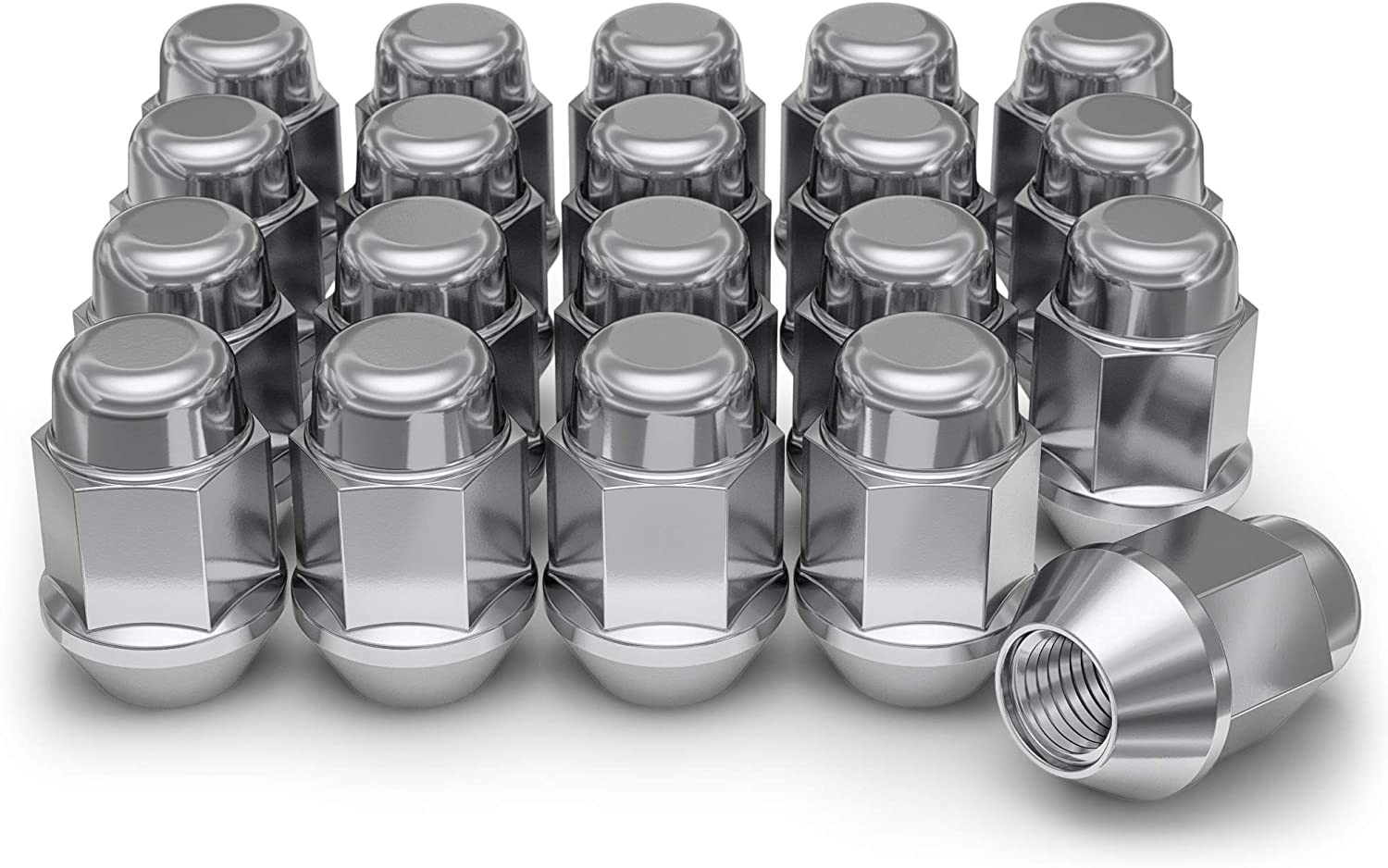
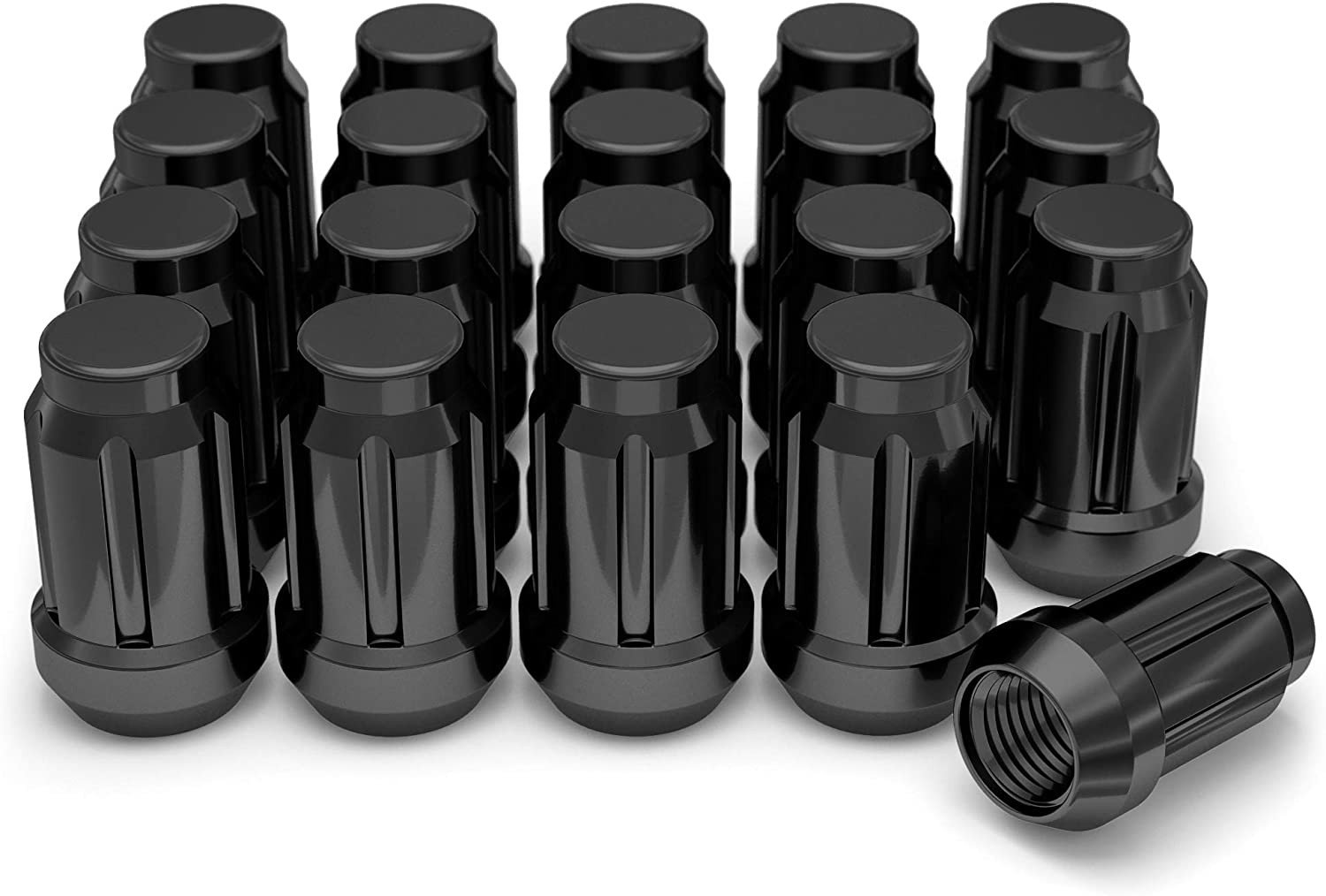
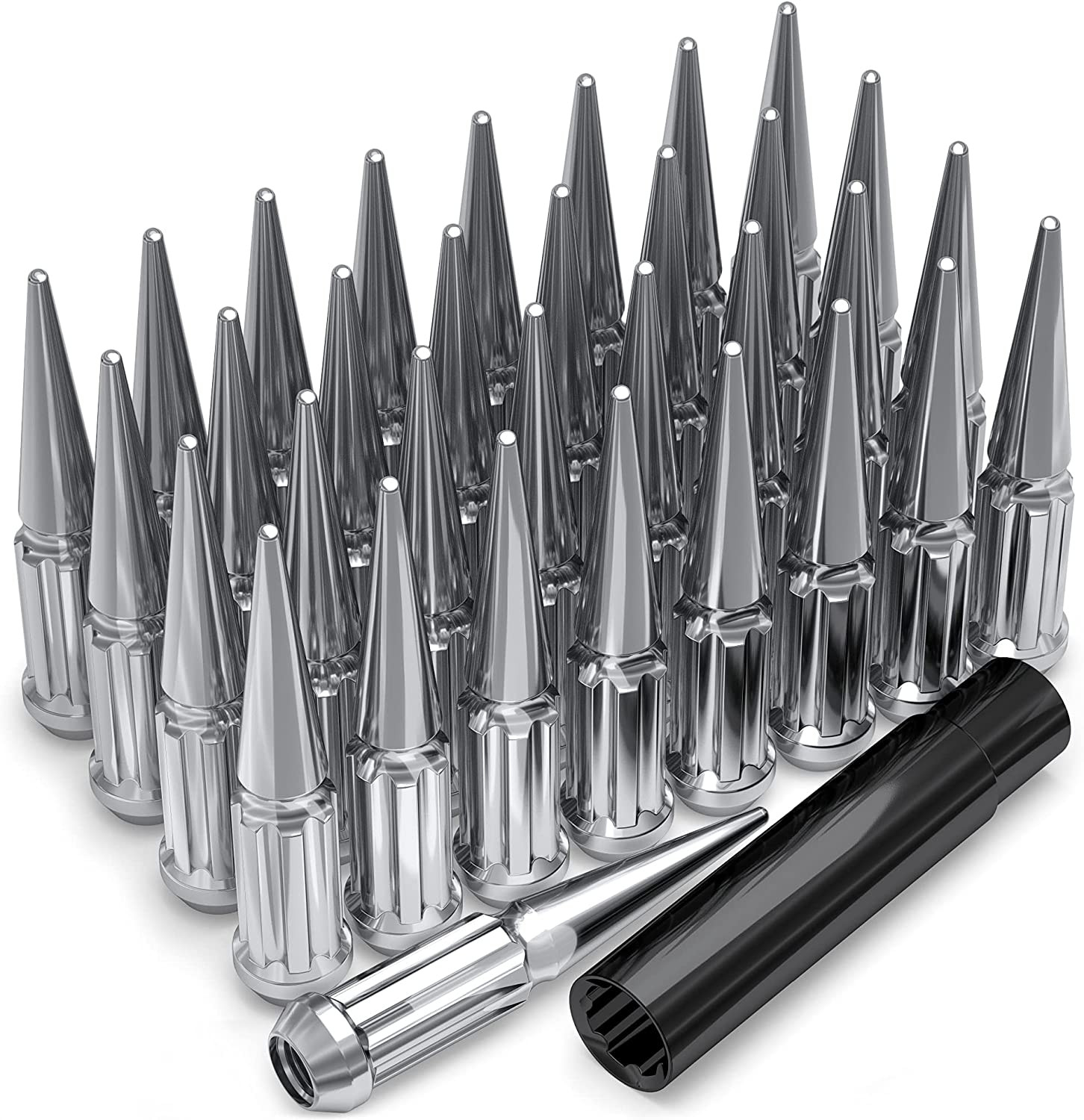
Install the correct lug nuts or wheel hardware for the wheel’s seat design. Do not assume the original hardware is correct for an aftermarket or replacement wheel. Start each fastener by hand, then tighten in a crisscross pattern.
Use a calibrated torque wrench and the torque specification from the vehicle owner’s manual or an OEM service source. Do not substitute a generic torque value when the correct specification is unknown. Recheck torque after the first short drive and again according to the wheel manufacturer’s instructions.
After installation, check for contact by turning the steering from lock to lock and inspecting the inner sidewall, strut or suspension components, brake components, and fender liners. Recheck tire pressure, install valve caps, and confirm that no warning lights or handling problems appear during a cautious test drive.
Tools And Helpful Supplies
Useful equipment includes a calibrated torque wrench, properly sized socket, jack and jack stands rated for the vehicle, wheel chocks, a tire pressure gauge, and a tread-depth gauge. A hub and wheel measurement tool can help confirm center-bore dimensions, but measurements should still be compared with OEM information.
For a suitable torque wrench search, see automotive torque wrenches on Amazon. For checking inflation after installation, see digital tire pressure gauges on Amazon.
Never work under a vehicle supported only by a jack. Use level ground, engage the parking brake, chock the wheels, and follow the lifting points and safety procedures in the owner’s manual.
FAQs
What is the bolt pattern for the 2011 Honda Insight?
The supplied fitment data lists a 4x100 bolt pattern. Confirm the exact vehicle and wheel package before purchasing.
What center bore is listed for this vehicle?
The supplied center bore is 56.1 mm. A wheel with a larger bore may need correctly sized hub-centric rings, while a smaller bore generally will not fit over the hub.
What lug thread size is provided?
The supplied thread size is M12 x 1.5. The correct lug nut seat and hardware style must also match the wheel, so thread size alone is not enough to identify safe hardware.
Can the listed 175/65R15 tire be installed on a 16-inch wheel?
No. The “R15” portion identifies a 15-inch tire rim diameter. It cannot be mounted on a 16-inch wheel. Because the supplied data also lists a 16-inch rim, verify the actual wheel and tire package before ordering.
Is ET48 the same as 48 mm offset?
Yes. ET48 indicates a positive wheel offset of 48 mm. Offset affects how far the wheel sits inward or outward, so changes should be checked for suspension, brake, and fender clearance.
Does a matching bolt pattern guarantee that a wheel fits?
No. Bolt pattern is only one requirement. Center bore, offset, width, brake clearance, spoke clearance, load rating, hardware, and tire dimensions must also be correct.
Can the calculator confirm that a donor wheel is safe?
The calculator can compare listed or custom dimensions and show tire-diameter changes when rim diameter is adjusted. It cannot confirm every physical clearance or the wheel’s structural condition. Inspect the wheel, verify OEM and manufacturer specifications, and test-fit before driving.
Where can the exact original tire size be confirmed?
Check the tire sidewall, the driver-door or door-jamb label, the owner’s manual, and an OEM Honda parts or service source. If those sources disagree, use the vehicle identification number and consult a Honda dealer or qualified tire professional.