2006 Honda Insight Wheel Fitment and Interchange Guide
Known OEM Fitment For 2006 Honda Insight
The following specifications are the known reference values provided for the 2006 Honda Insight. Confirm the wheel and tire information on your vehicle before purchasing, because equipment and service requirements can vary.
| Specification |
Known value |
| Bolt pattern |
4x100, 4 studs on a 100 mm pitch circle diameter |
| Center bore |
56.1 mm |
| Thread size |
M12 x 1.5 |
| Rim diameter |
14 inches |
| Rim width |
5.5 inches |
| Wheel offset |
ET45, or 45 mm |
| Backspacing |
4.52 inches |
| Known tire size |
165/65R14 |
These values do not identify every wheel that will fit. A replacement wheel must also provide adequate brake, suspension, fender, and inner-sidewall clearance. The wheel's load rating, lug-seat design, and tire load and speed ratings must be suitable for the vehicle.
Use the owner's manual, the tire placard, the original wheel markings, and a Honda dealer or parts catalog to confirm specifications for your specific vehicle. No complete compatible-donor-vehicle list is provided here, so do not rely on a vehicle's model name alone when selecting used wheels.
How To Use The Wheel Interchange Calculator
Use the calculator on wheelinterchange.com to compare a donor wheel with the installed setup on your 2006 Honda Insight.
- Enter the donor vehicle or donor wheel information under Wheels from.
- Enter the Insight's known wheel and tire information under Installed on.
- Compare rim diameter, rim width, offset, tire section width, and tire diameter.
- Use Custom wheel size when a wheel's diameter, width, or offset differs from the listed vehicle data.
- Use Custom tire size to compare a different section width or aspect ratio.
- When you change rim diameter, review the updated tire diameter in the comparison. A larger or smaller wheel normally requires a different tire sidewall to maintain a suitable overall diameter.
The calculator is a comparison aid, not a substitute for a physical test fit or manufacturer confirmation. It cannot by itself verify brake clearance, lug-seat compatibility, hub engagement, load rating, or actual fender clearance.
Fitment Checklist Before You Buy
- Confirm the 4x100 bolt pattern.
- Confirm that the wheel's center bore is 56.1 mm or larger and determine whether correctly sized hub-centric rings are required. Never use a ring that prevents the wheel from seating fully.
- Confirm the wheel offset and width against the calculator and inspect both inner and outer clearance.
- Check that the wheel clears the brake caliper, rotor, strut, suspension arms, and steering components.
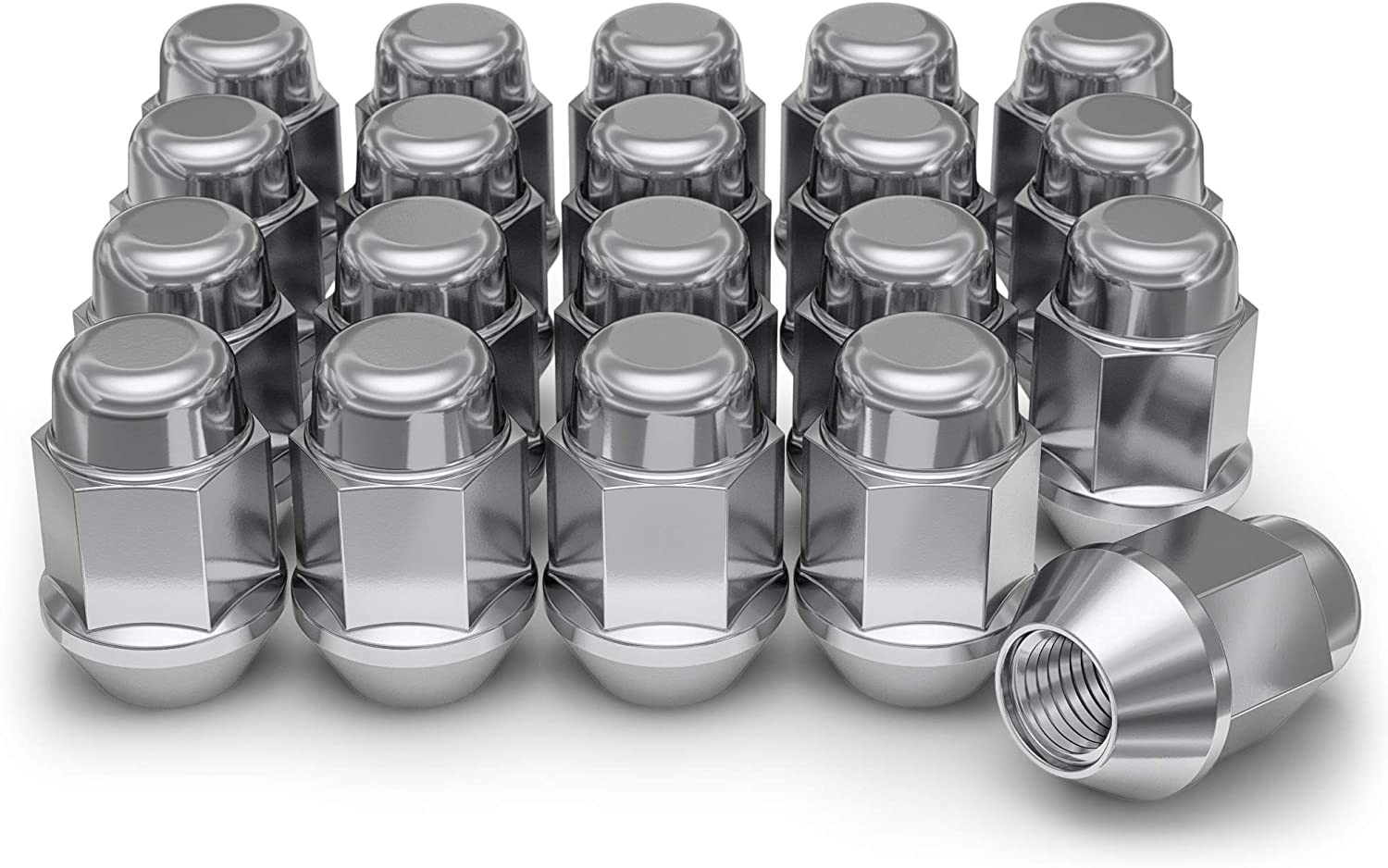
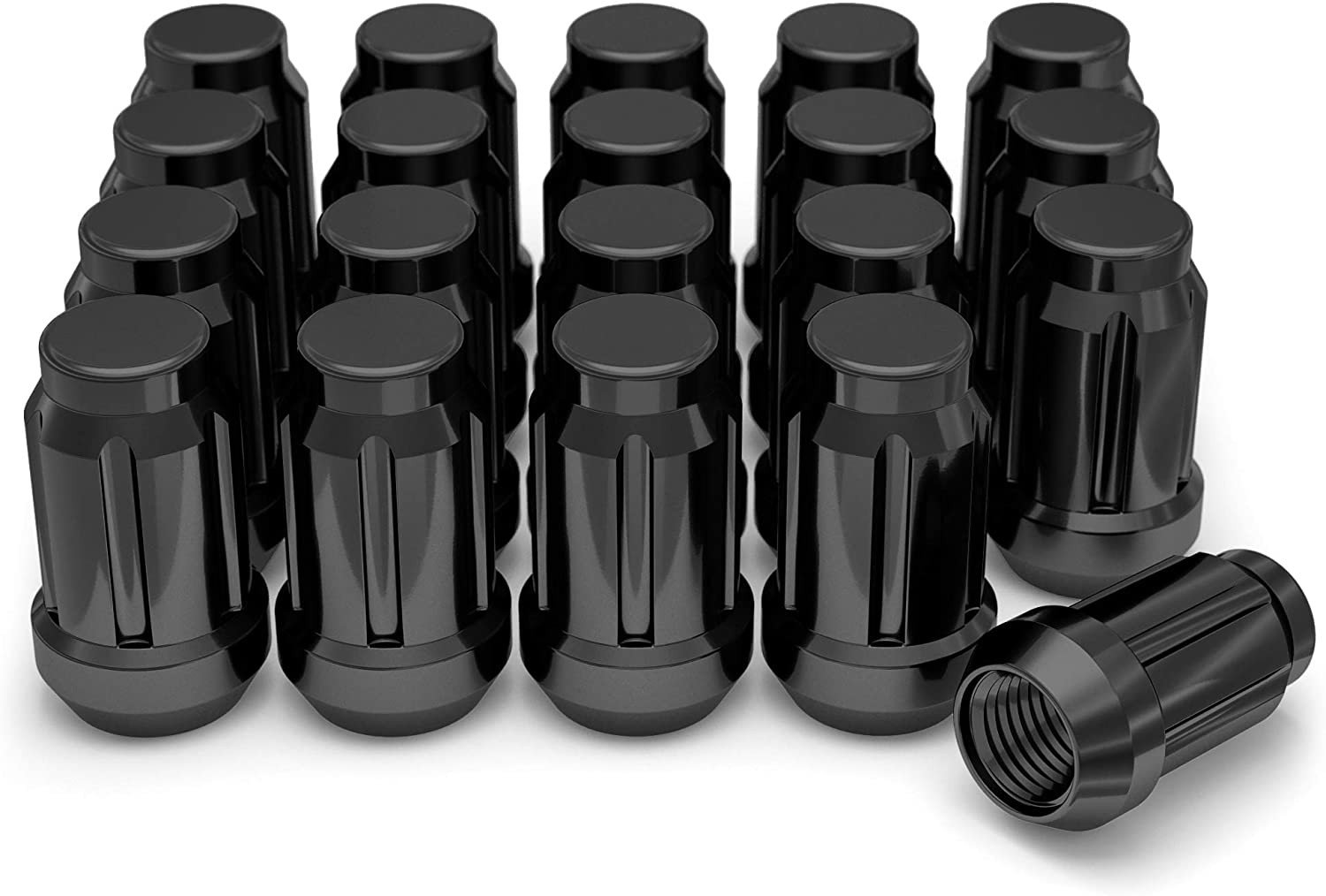
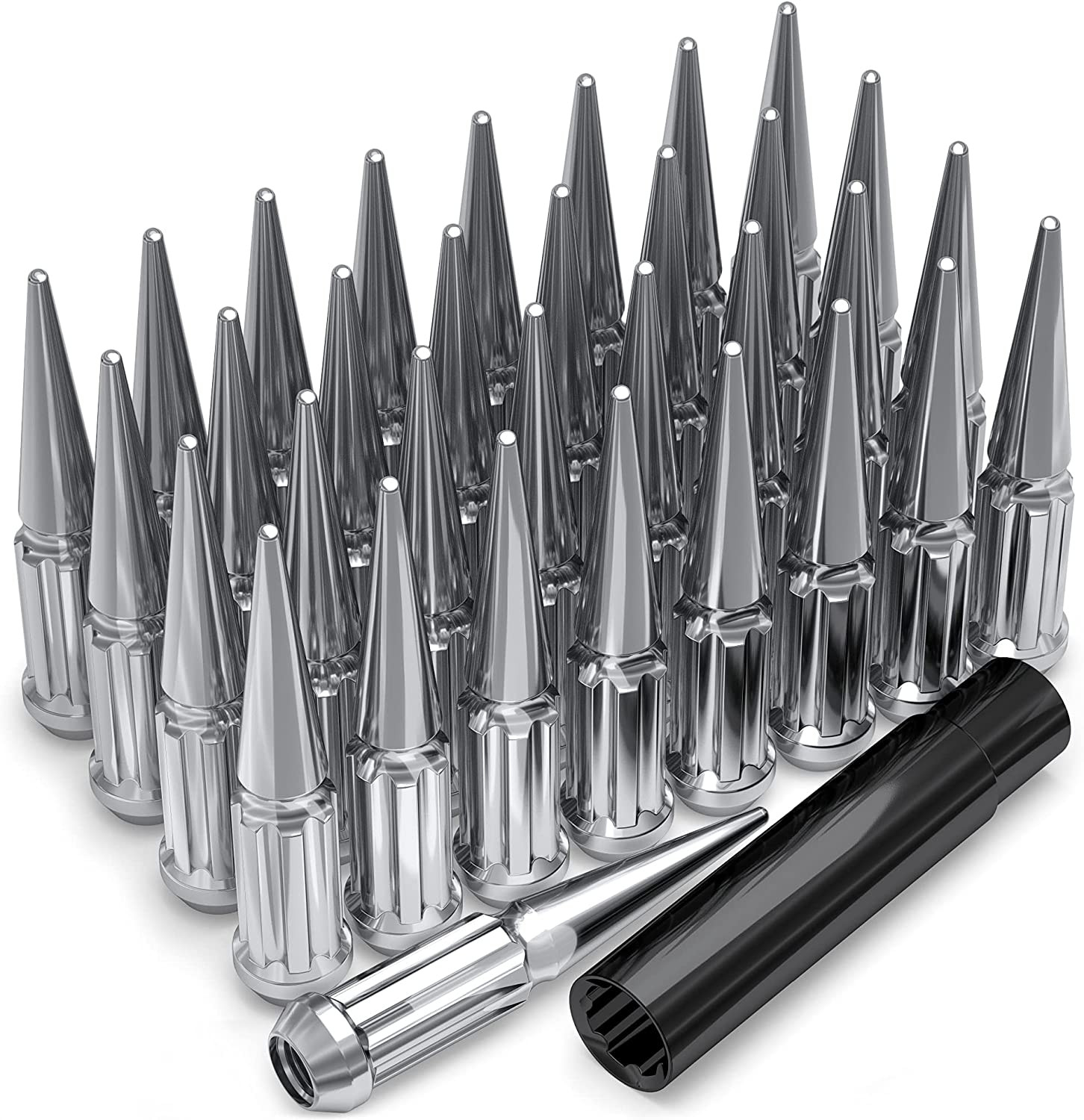
- Confirm that the lug nuts match the wheel's seat type, thread size, and required engagement. The known thread size is M12 x 1.5, but the correct lug seat still depends on the wheel.
- Verify the wheel load rating and condition. Reject wheels with cracks, bends, severe corrosion, damaged mounting faces, or elongated lug holes.
- Confirm the tire size, load index, speed rating, casing condition, and manufacturing age.
- After installation, check clearance at full steering lock and through suspension travel. Recheck for rubbing during a cautious road test.
- Confirm the final torque specification with the owner's manual or Honda service information. Do not guess a torque value.
Plus Sizing And Common Upgrades
Plus sizing means using a larger wheel diameter with a lower-profile tire so the overall tire diameter remains close to the original. The calculator can show how a proposed wheel and tire combination compares with the known 165/65R14 setup.
No specific larger wheel size or compatible upgrade list is provided for this vehicle here. A larger wheel may change steering effort, ride comfort, tire availability, wheel weight, braking feel, and the risk of contact with suspension or bodywork. A wider tire may also require different offset and clearance checks.
Before changing size, compare the proposed overall diameter, section width, offset, and backspacing. Confirm the replacement tire's load and speed ratings, and make sure the finished assembly does not contact any component. If the vehicle has tire-pressure monitoring equipment or other wheel-related hardware, confirm compatibility with the replacement parts.
Installation Tips
- Inspect the hub face and wheel mounting face. Remove rust, dirt, and debris without removing material from the mating surfaces.
- Test-fit one wheel before mounting all four. Rotate it by hand and check caliper, strut, suspension, and body clearance.
- Install only lug nuts with the correct thread and seat for the wheel. Do not force mismatched hardware.
- Start every lug nut by hand to avoid cross-threading.
- Tighten in a star or crisscross pattern, then use a calibrated torque wrench set to the vehicle or wheel manufacturer's specification.
- Do not lubricate lug studs or lug seats unless the applicable manufacturer specifically requires it.
- Check tire pressure using the vehicle's recommended cold pressure, not a pressure molded on the tire sidewall.
- After driving a short distance, stop and inspect for rubbing, vibration, looseness, or warning lights. Recheck lug torque according to the wheel manufacturer's instructions.
Tools And Helpful Supplies
Useful equipment can include a properly sized socket, a calibrated torque wrench, a floor jack, jack stands, wheel chocks, a tire-pressure gauge, and a light for inspecting clearance. Use jack stands on a solid, level surface and follow the vehicle owner's lifting-point instructions. A torque wrench is available through Amazon search. A compatible lug-nut socket set may also be useful: view options on Amazon.
Hub-centric rings are not automatically required. They may be appropriate when a wheel's center bore is larger than 56.1 mm, but the ring must fit the wheel and hub precisely and must not interfere with the wheel's mounting face.
FAQs
What is the bolt pattern for the 2006 Honda Insight?
The known bolt pattern is 4x100, meaning four studs on a 100 mm pitch circle diameter. Confirm the wheel's actual pattern before purchase.
What is the center bore?
The known center bore is 56.1 mm. A wheel with a larger bore may require correctly sized hub-centric rings, while a smaller-bore wheel will not fit over the hub.
What is the original wheel and tire information?
The provided reference is a 14 x 5.5 inch wheel with ET45 offset and a 165/65R14 tire. Backspacing is listed as 4.52 inches.
Can any 4x100 wheel fit this Insight?
No. Bolt pattern is only one fitment measurement. Center bore, offset, width, brake clearance, lug-seat design, load rating, and tire specifications must also be confirmed.
What lug nuts does this vehicle use?
The known thread size is M12 x 1.5. The correct lug nut also depends on the wheel's seat type and required engagement, so verify the wheel manufacturer's hardware requirements.
Can I install a larger wheel?
A larger wheel may be possible, but no specific upgrade size is confirmed in the provided data. Use the calculator to compare dimensions, then verify brake and body clearance through a physical test fit and confirm tire load and speed ratings.
Does the calculator confirm that a donor wheel is safe?
No. It compares dimensions and tire diameter. It does not replace checks for brake clearance, wheel strength, lug compatibility, hub engagement, tire ratings, or rubbing.
Where can I confirm the final specifications?
Check the owner's manual, the driver's-door tire placard, markings on the original wheel, Honda service information, and the replacement wheel and tire manufacturers' documentation. If any measurement conflicts, stop and confirm it before installation.