2009 Chrysler 300 Wheel Interchange

OEM wheel and tire fitment specs for the 2009 Chrysler 300, including bolt pattern (PCD), center bore diameter, thread size, rim diameter, rim width, wheel offset, and backspacing.

2009 Chrysler 300 Fitment Specs

Baseline mounting dimensions used for interchange decisions.

Bolt Pattern5x115
Center Bore71.5 mm
Lug ThreadM14 x 1.5
OEM Wheel Sizes17" – 22"
OEM Widths7" – 9"
OEM Offset Range18 mm – 55 mm

Multiple OEM configurations exist for this vehicle. Fitment can vary by trim, brakes, and factory wheel package – confirm your exact setup before buying.

Wheels That Interchange With a 2009 Chrysler 300

Results are evaluated from bolt pattern, center bore direction, OEM width/offset envelope, and lug hardware – not bolt pattern alone.

Direct Fit

  • Bolt pattern5x115 · Match
  • Center bore71.5 mm · Match
  • Wheel geometryCompatible with OEM envelope

Geometry within known OEM envelope (approx. outer change -14.85 mm, inner change 2.15 mm vs mid OEM).

  • Bolt pattern5x115 · Match
  • Center bore71.5 mm · Match
  • Wheel geometryCompatible with OEM envelope

Geometry within known OEM envelope (approx. outer change -14.85 mm, inner change 2.15 mm vs mid OEM).

  • Bolt pattern5x115 · Match
  • Center bore71.5 mm · Match
  • Wheel geometryCompatible with OEM envelope

Geometry within known OEM envelope (approx. outer change -14.85 mm, inner change 2.15 mm vs mid OEM).

  • Bolt pattern5x115 · Match
  • Center bore71.5 mm · Match
  • Wheel geometryCompatible with OEM envelope

Geometry within known OEM envelope (approx. outer change -14.85 mm, inner change 2.15 mm vs mid OEM).

  • Bolt pattern5x115 · Match
  • Center bore71.5 mm · Match
  • Wheel geometryCompatible with OEM envelope

Geometry within known OEM envelope (approx. outer change -14.85 mm, inner change 2.15 mm vs mid OEM).

  • Bolt pattern5x115 · Match
  • Center bore71.5 mm · Match
  • Wheel geometryCompatible with OEM envelope

Geometry within known OEM envelope (approx. outer change -14.85 mm, inner change 2.15 mm vs mid OEM).

  • Bolt pattern5x115 · Match
  • Center bore71.5 mm · Match
  • Wheel geometryCompatible with OEM envelope

Geometry within known OEM envelope (approx. outer change -14.85 mm, inner change 2.15 mm vs mid OEM).

  • Bolt pattern5x115 · Match
  • Center bore71.5 mm · Match
  • Wheel geometryCompatible with OEM envelope

Geometry within known OEM envelope (approx. outer change -14.85 mm, inner change 2.15 mm vs mid OEM).

  • Bolt pattern5x115 · Match
  • Center bore71.5 mm · Match
  • Wheel geometryCompatible with OEM envelope

Geometry within known OEM envelope (approx. outer change -14.85 mm, inner change 2.15 mm vs mid OEM).

  • Bolt pattern5x115 · Match
  • Center bore71.5 mm · Match
  • Wheel geometryCompatible with OEM envelope

Geometry within known OEM envelope (approx. outer change -14.85 mm, inner change 2.15 mm vs mid OEM).

  • Bolt pattern5x115 · Match
  • Center bore71.5 mm · Match
  • Wheel geometryCompatible with OEM envelope

Geometry within known OEM envelope (approx. outer change -14.85 mm, inner change 2.15 mm vs mid OEM).

  • Bolt pattern5x115 · Match
  • Center bore71.5 mm · Match
  • Wheel geometryCompatible with OEM envelope

Geometry within known OEM envelope (approx. outer change -14.85 mm, inner change 2.15 mm vs mid OEM).

  • Bolt pattern5x115 · Match
  • Center bore71.5 mm · Match
  • Wheel geometryCompatible with OEM envelope

Geometry within known OEM envelope (approx. outer change -14.85 mm, inner change 2.15 mm vs mid OEM).

  • Bolt pattern5x115 · Match
  • Center bore71.5 mm · Match
  • Wheel geometryCompatible with OEM envelope

Geometry within known OEM envelope (approx. outer change -14.85 mm, inner change 2.15 mm vs mid OEM).

  • Bolt pattern5x115 · Match
  • Center bore71.5 mm · Match
  • Wheel geometryCompatible with OEM envelope

Geometry within known OEM envelope (approx. outer change -14.85 mm, inner change 2.15 mm vs mid OEM).

  • Bolt pattern5x115 · Match
  • Center bore71.5 mm · Match
  • Wheel geometryCompatible with OEM envelope

Geometry within known OEM envelope (approx. outer change -3.5 mm, inner change 3.5 mm vs mid OEM).

  • Bolt pattern5x115 · Match
  • Center bore71.5 mm · Match
  • Wheel geometryCompatible with OEM envelope

Geometry within known OEM envelope (approx. outer change -3.5 mm, inner change 3.5 mm vs mid OEM).

  • Bolt pattern5x115 · Match
  • Center bore71.5 mm · Match
  • Wheel geometryCompatible with OEM envelope

Geometry within known OEM envelope (approx. outer change -3.5 mm, inner change 3.5 mm vs mid OEM).

  • Bolt pattern5x115 · Match
  • Center bore71.5 mm · Match
  • Wheel geometryCompatible with OEM envelope

Geometry within known OEM envelope (approx. outer change -3.5 mm, inner change 3.5 mm vs mid OEM).

  • Bolt pattern5x115 · Match
  • Center bore71.5 mm · Match
  • Wheel geometryCompatible with OEM envelope

Geometry within known OEM envelope (approx. outer change -3.5 mm, inner change 3.5 mm vs mid OEM).

  • Bolt pattern5x115 · Match
  • Center bore71.5 mm · Match
  • Wheel geometryCompatible with OEM envelope

Geometry within known OEM envelope (approx. outer change -3.5 mm, inner change 3.5 mm vs mid OEM).

  • Bolt pattern5x115 · Match
  • Center bore71.5 mm · Match
  • Wheel geometryCompatible with OEM envelope

Geometry within known OEM envelope (approx. outer change -3.5 mm, inner change 3.5 mm vs mid OEM).

  • Bolt pattern5x115 · Match
  • Center bore71.5 mm · Match
  • Wheel geometryCompatible with OEM envelope

Geometry within known OEM envelope (approx. outer change 5.15 mm, inner change -17.85 mm vs mid OEM).

  • Bolt pattern5x115 · Match
  • Center bore71.5 mm · Match
  • Wheel geometryCompatible with OEM envelope

Geometry within known OEM envelope (approx. outer change 5.15 mm, inner change -17.85 mm vs mid OEM).

Showing 24 of 28 evaluated donors. Same-model years are prioritized.

Chrysler 300 Years With Compatible Wheels

Only years with evidence-based interchange relationships are listed. Adjacent years are not assumed compatible.

Will Wheels From Another Vehicle Fit?

Compare a donor vehicle or custom wheel against this 2009 Chrysler 300.

Compare

Compare wheel compatibility between two vehicles

Wheels from (donor vehicle)

Installed on (your vehicle)

Selected Car:

2009 Chrysler 300

Compare Rims

Specification
Wheels from
Installed on
Result (Click it)
Bolt Pattern
Bolt Pattern
The total number of bolt holes and the diameter of the circle they form.
-
5x115
Center Bore
Center Bore
The hole in the center of the wheel that fits over the vehicle’s hub.
-
71.5 mm
Thread Size
Thread Size
The size and spacing of the threads on the bolts or nuts that hold the wheel in place.
-
M14 x 1.5
Rim Diameter
Rim Diameter
The wheel diameter in inches that determines which tire sizes will fit.
-
18"
Rim Width
Rim Width
The distance between the inner edges of the wheel is measured in inches.
-
7.5"
Wheel Offset
Wheel Offset
How far the wheel sits inward or outward relative to the hub mounting surface.
-
24 mm
Backspacing
Backspacing
Shows how much space the wheel takes up toward the inside of the vehicle.
-
-
Wheel Fasteners
Wheel Fasteners
The type of hardware used to secure the wheel to the vehicle.
-
-

Wheel Fitment Parts for the 2009 Chrysler 300

Products below are matched to required fitment dimensions from our parts inventory. Confirm seat style, thickness, and clearance before ordering.

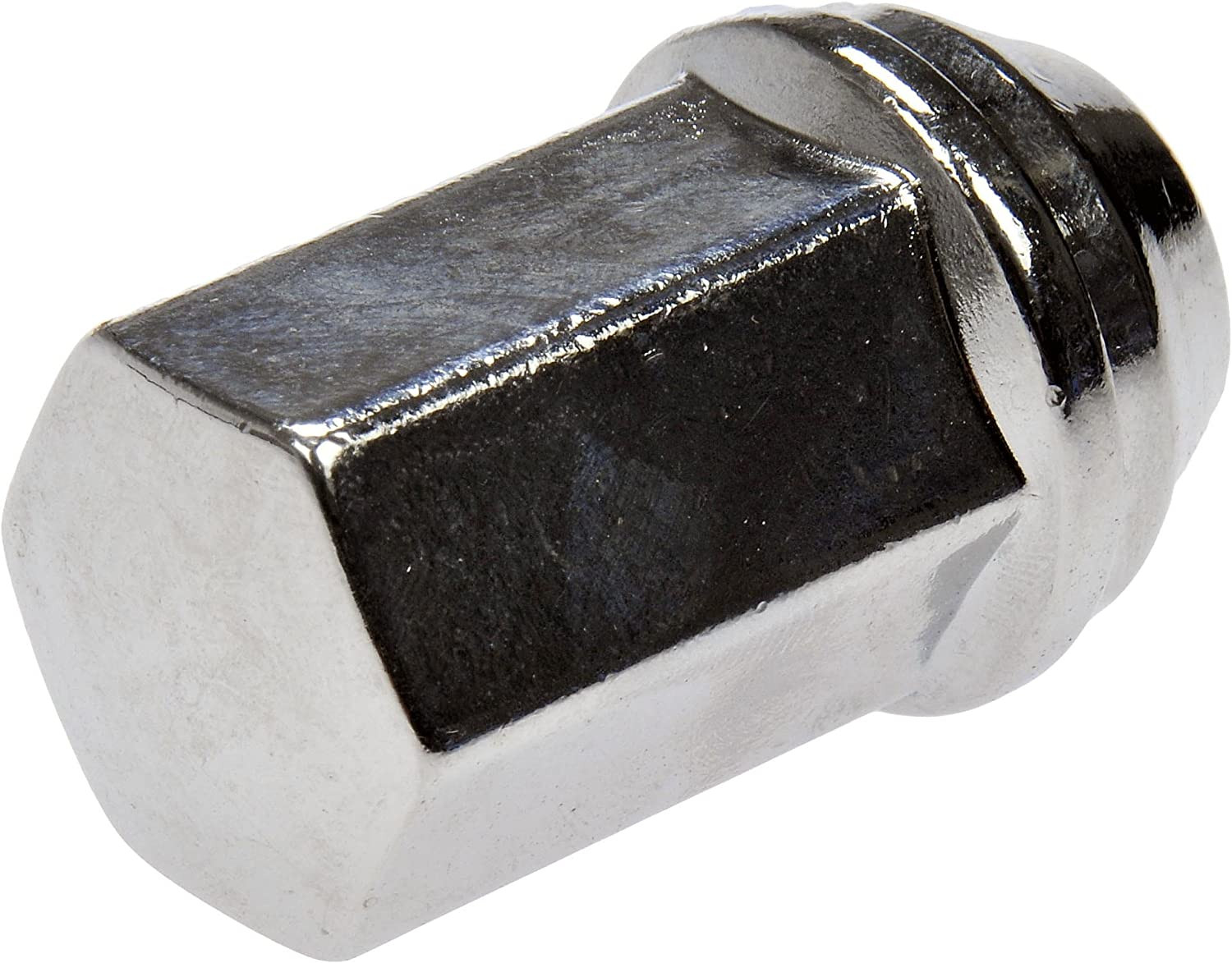
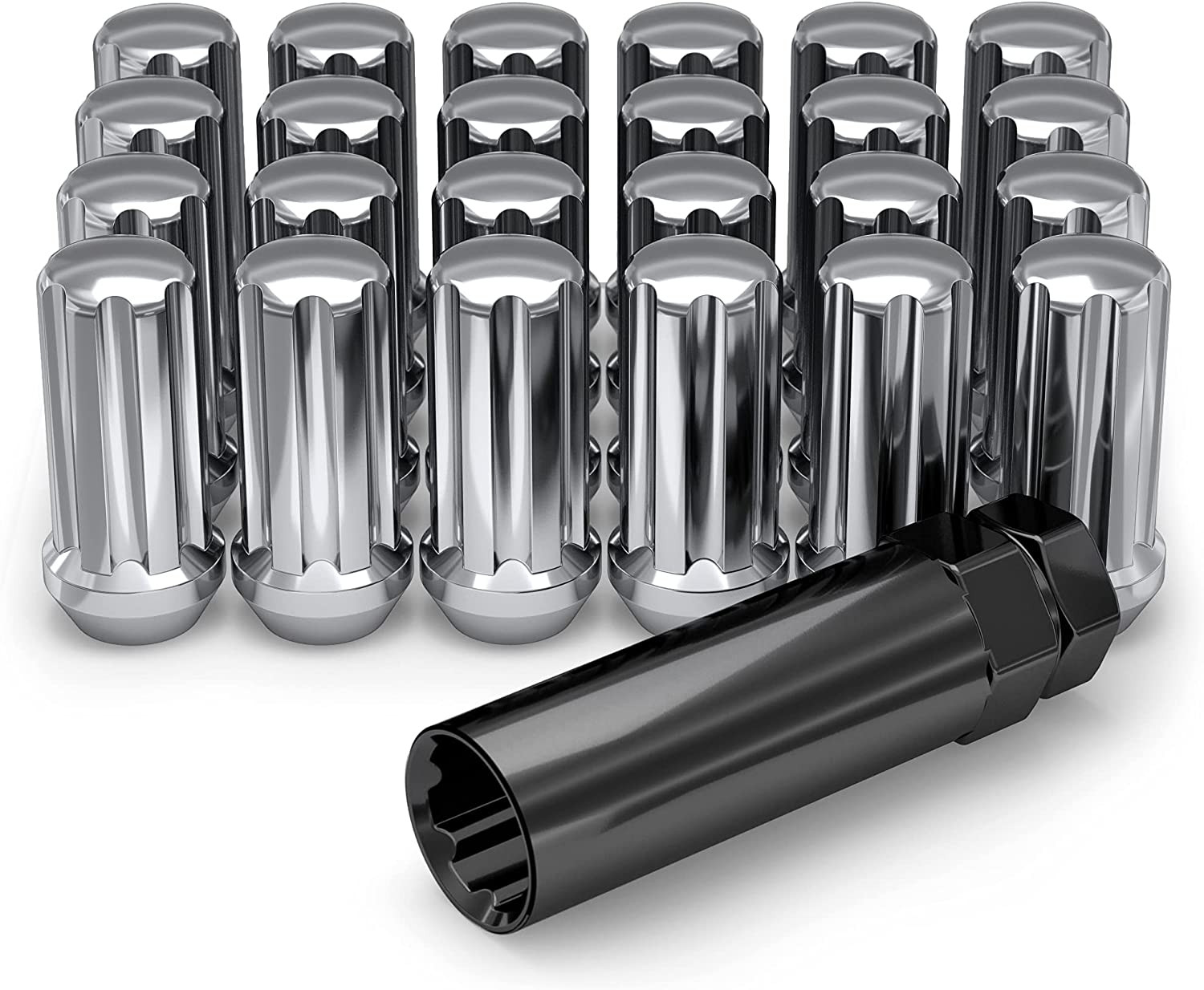
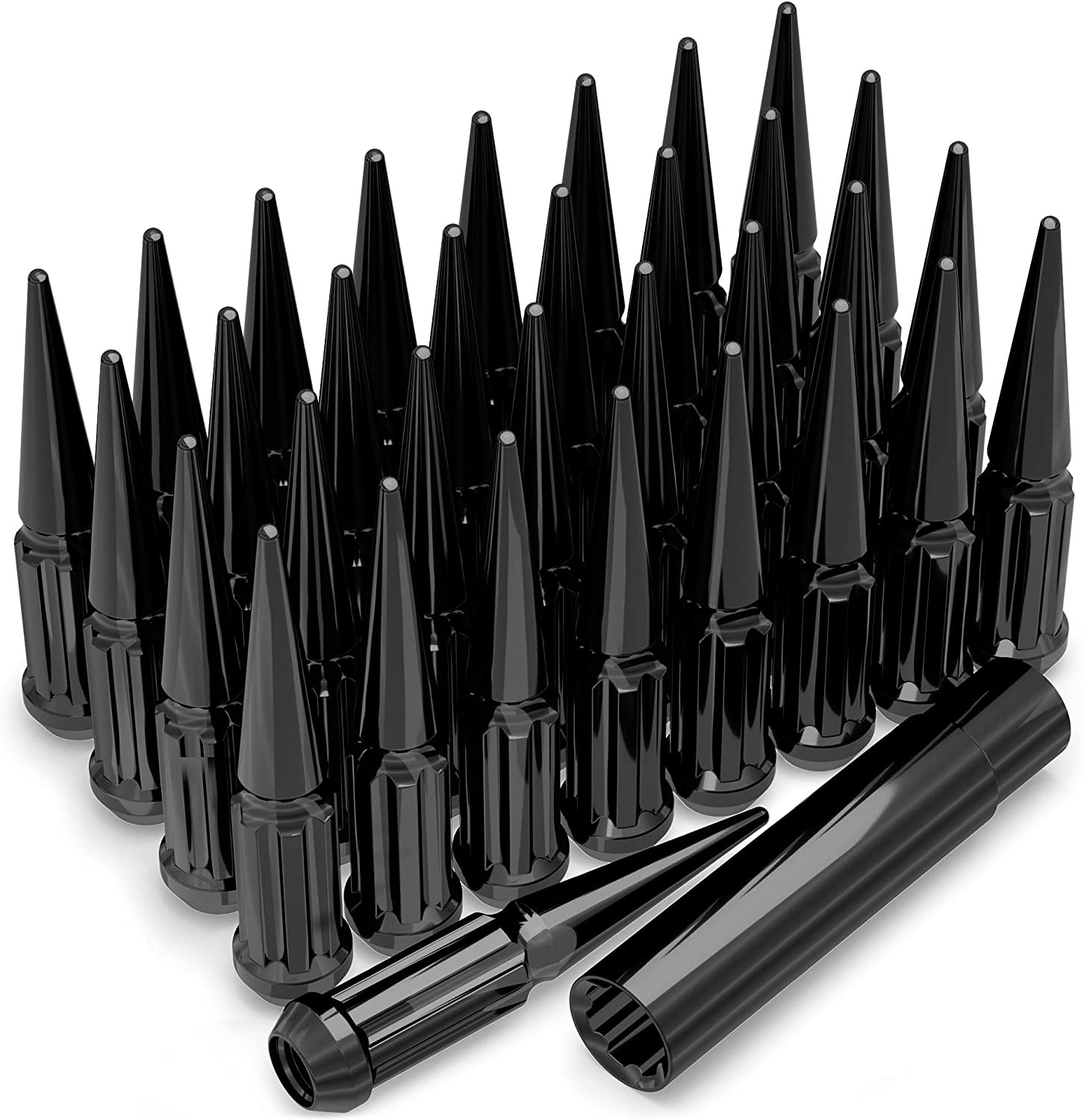
Lug Nuts / Wheel Bolts

M14 x 1.5

Wheel Adapters

5x115 · 71.5 mm hub

Directional bolt-pattern adapters. A spacer does not change PCD.

As an Amazon Associate we earn from qualifying purchases. Product availability and pricing may change.

Why These Wheels Fit

Wheel interchange depends on more than bolt pattern. Where data is available, this site compares:

  • Bolt pattern / PCD
  • Center bore direction (donor wheel bore must not be smaller than the hub)
  • Wheel diameter, width, and offset against known OEM ranges
  • Lug thread / hardware differences (vehicle-side hardware)

A normal wheel spacer does not change bolt pattern. Hub rings cannot enlarge a wheel bore that is smaller than the hub. Brake clearance and tire package fitment still require vehicle-specific checks when not confirmed in the dataset.

2009 Chrysler 300 Wheel Fitment Guide And Interchange

Known OEM Fitment For 2009 Chrysler 300

The information below reflects specs provided for this page. If a value is missing, inconsistent, or varies by trim, confirm it using the on-page calculator and your OEM sources like the door-jamb tire placard and the owner’s manual. Some 2009 Chrysler 300 trims were sold with different wheel and tire packages, which can make published specs appear to conflict.

Bolt pattern 5x115
Center bore 71.5 mm
Lug/thread M14 x 1.5
Wheel diameter 18 in
Wheel width 7.5 in
Offset (ET) 24 mm
Backspacing 4.69 in
Tire size 215/65R17

Note on inconsistencies: The wheel line shows 18x7.5 ET24 while the tire line shows 215/65R17. That suggests trim variation or mixed data. Backspacing can also vary depending on whether it is measured from rim or overall wheel width. Always verify your exact factory size from your door placard and cross-check in the calculator before you buy.

How To Use The Wheel Interchange Calculator

The calculator lets you compare Wheels from a donor vehicle against Installed on your vehicle. It also supports Custom wheel size and Custom tire size inputs so you can model upgrades and see clearance and diameter changes.

Step-by-step:

  • Set Installed on to 2009 Chrysler 300 so your chassis specs are the baseline.
  • Choose a donor vehicle if you want to evaluate a take-off set, or leave donor blank and use Custom wheel size.
  • Enter a Custom wheel size by adjusting rim diameter, width, and offset. The tool will show inner and outer position changes relative to your baseline.
  • Enter a Custom tire size by adjusting section width and aspect ratio. When you change rim diameter, the tire’s overall diameter in the comparison updates accordingly.
  • Review the comparison outputs for:
    • Inner clearance to suspension and brake components.
    • Outer poke vs fender and bumper lips.
    • Overall tire diameter change, which affects speedometer and gearing.
  • If your OEM tire size or wheel size differs from what is shown above, use the door placard to set the correct starting sizes in the calculator.

Fitment Checklist Before You Buy

Use this list to confirm safety-critical details. When anything is unknown or varies by trim, verify with the vehicle placard, owner’s manual, service information, and the calculator.

  • Bolt pattern: Must match 5x115. Do not rely on 5x114.3 as interchangeable without engineered adapters and professional verification.
  • Center bore: Vehicle hub is 71.5 mm. If the wheel center bore is larger, plan on hub-centric rings sized to 71.5 mm. If it is smaller, the wheel will not seat.
  • Lug hardware: Threads are M14 x 1.5. Confirm lug nut seat type on the wheels you are buying, and torque to the OEM spec from the owner’s manual.
  • Offset and width: Use the calculator to see how changes shift the wheel inboard and outboard. Check for strut, spring perch, and liner clearance at full steering lock and full bump.
  • Brake clearance: Confirm barrel and spoke clearance over your calipers. Some trims have larger brakes than others.
  • Tire diameter: Keep overall diameter close to stock to protect speedometer, ABS, and transmission behavior. Verify in the calculator and with physical measurements.
  • Load rating: Wheels and tires must meet or exceed the vehicle’s GAWR and load index requirements on the door placard.
  • TPMS: Plan to transfer sensors or use compatible new sensors and service kits. Relearn procedures vary by model year and equipment.

Plus Sizing And Common Upgrades

Because 2009 Chrysler 300 trims came with different OEM wheel and tire packages, treat your door placard size as the baseline. Plus sizing increases wheel diameter while selecting a tire with a lower aspect ratio to keep overall tire diameter close to stock.

Guidelines:

  • Start from your exact OEM size in the calculator. Try a plus one or plus two rim diameter and adjust tire aspect ratio until the overall diameter change is minimal.
  • When increasing wheel width, note that half of the extra width moves inward and half outward unless you change offset. Use offset adjustments to maintain inner clearance and avoid fender poke.
  • Recheck brake caliper and strut clearance any time you change wheel barrel shape, width, or offset.
  • If you see conflicting backspacing or offset numbers in online listings, rely on measured specs and what the calculator shows for your chosen wheel width and offset.

Installation Tips

Prepare the hub faces by removing rust and debris so the wheel seats flush. Test fit one front and one rear wheel without tires to check brake clearance if possible. Install wheels by hand first to avoid cross-threading the M14 x 1.5 studs.

  • Use the correct lug seat type for your wheels and tighten in a star pattern.
  • Torque to the factory specification from your owner’s manual or service information, then re-torque after 50 to 100 miles.
  • If the wheel center bore is larger than 71.5 mm, install proper hub-centric rings to reduce vibration.
  • Transfer TPMS sensors or install compatible sensors and perform the relearn procedure specified by Chrysler.
  • After installation, check for rubbing at full steering lock and over bumps. Inspect inner clearances around brake hoses, knuckles, and liners.

Tools And Helpful Supplies

These common tools make the job safer and easier. Verify sizes for your specific wheels before ordering.

FAQs

What is the bolt pattern for the 2009 Chrysler 300?
It is 5x115 based on the information provided for this page. Always verify on your specific trim before ordering.

What center bore does the 2009 Chrysler 300 use?
The hub bore is 71.5 mm. If your wheel’s center bore is larger, use hub-centric rings sized to 71.5 mm. A smaller wheel bore will not fit.

What lug nut thread does it use?
M14 x 1.5. Match the seat type of your wheels and torque to the OEM specification from your owner’s manual.

The table shows 18 inch wheels but a 215/65R17 tire. Which one is correct?
This likely reflects trim variation or mixed data. Use your door-jamb tire placard and the calculator to set your exact OEM wheel and tire size, then compare upgrades from there.

Can I use 5x114.3 wheels on a 5x115 hub?
They are not the same pattern. Some owners use adapters, but this requires precise hub-centric components and professional measurement. For safety and legality, use wheels that match 5x115 unless an experienced professional signs off on a complete adapter solution.

What wheel offset should I choose?
The page lists ET 24 mm for a wheel size, but acceptable offsets vary with wheel width, brake package, and tire size. Use the calculator to visualize inner and outer changes and physically check clearances on your car.

How close should I keep the new tire diameter to stock?
Keep overall tire diameter close to your OEM size to preserve speedometer accuracy and ABS behavior. Confirm with the calculator and ensure real-world clearance through test fitting.

Why does backspacing not match offset math I did?
Backspacing can be reported using rim width or overall wheel width, leading to different numbers. Use the calculator with your exact rim width and offset, and measure on the vehicle for final confirmation.

Do I need hub-centric rings with aftermarket wheels?
If the wheel center bore is larger than 71.5 mm, hub-centric rings are recommended to help prevent vibration. Rings do not fix incorrect bolt patterns or offsets.


Nick Marchenko

Automotive Expert