2016 Chrysler 300 Wheel Fitment Guide | wheelinterchange.com
Known OEM Fitment For 2016 Chrysler 300
The 2016 Chrysler 300 was sold with multiple factory wheel and tire packages. The values below are what we currently have on record for at least one trim or package. Other trims may differ. Always confirm your exact specs on the driver door-jamb Tire and Loading Information placard, the owner’s manual, and by using the on-page calculator with your VIN details.
| Parameter | Value on record | Notes |
|---|
| Bolt pattern | 5x115 | Must match exactly for safe fitment |
| Center bore | 71.5 mm | Aftermarket wheels with larger bores will need hub-centric rings |
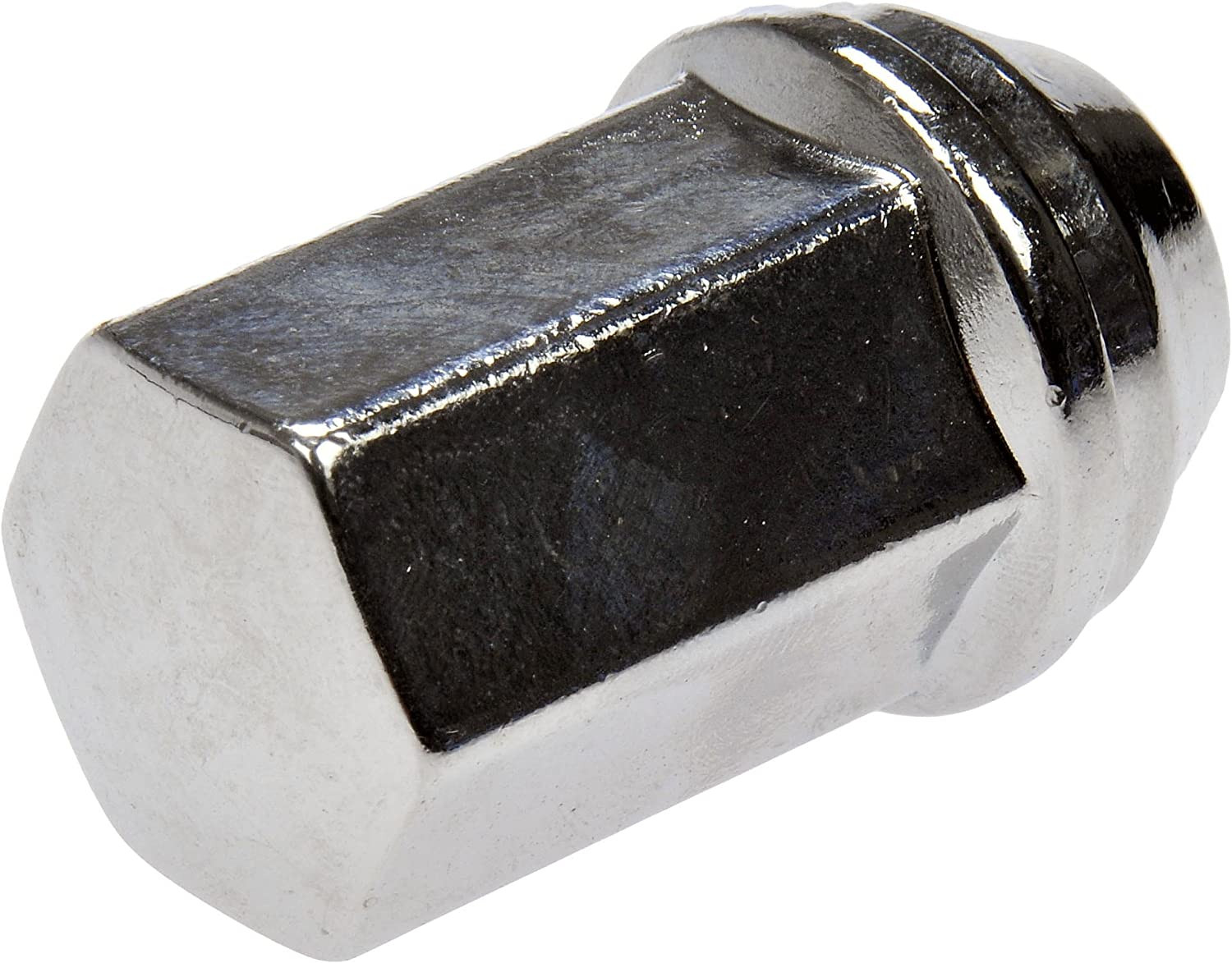
| Thread size | M14 x 1.5 | Verify lug seat style to match wheel design |
| Wheel size example | 18 x 7.5 | Factory wheel size on record for at least one trim |
| Wheel offset (ET) | 24 mm | Recorded with the 18 x 7.5 wheel |
| Backspacing | 4.69 in | Recorded with the 18 x 7.5 wheel |
| Tire size example | 215/65R17 | Recorded OEM tire size for at least one trim or package |
If your door-jamb placard or OEM documentation lists different sizes, use those as your primary reference and compare them with the calculator before purchasing wheels or tires.
How To Use The Wheel Interchange Calculator
The calculator lets you compare a donor setup to your vehicle and test custom wheel and tire sizes before you buy.
- In Wheels from (donor vehicle), enter the wheel and tire specs you want to try. You can type the exact wheel size and tire size or select from presets.
- In Installed on (your vehicle), pick 2016 Chrysler 300. If your door-jamb placard differs from the values above, input your exact stock size.
- Use Custom wheel size to change rim diameter, width, and offset. Width and offset changes will update inner clearance and poke. Watch for brake and fender clearance.
- Use Custom tire size to adjust section width and aspect ratio. When you change rim diameter, the calculator updates total tire diameter in the comparison so you can keep overall diameter close to stock.
- Review outputs: inner clearance, outer poke, ride height change, speedometer error, and scrub radius change. Aim to keep overall tire diameter close to your OEM value and ensure inner clearance remains safe.
- Save or print the comparison and take it with you when measuring your car for brake caliper and fender clearance.
Fitment Checklist Before You Buy
Run through this quick list to avoid costly returns or unsafe installs.
- Bolt pattern must be 5x115. Do not rely on wobble bolts or oval holes.
- Center bore must be 71.5 mm or larger. Use quality hub-centric rings if the wheel bore is larger than 71.5 mm.
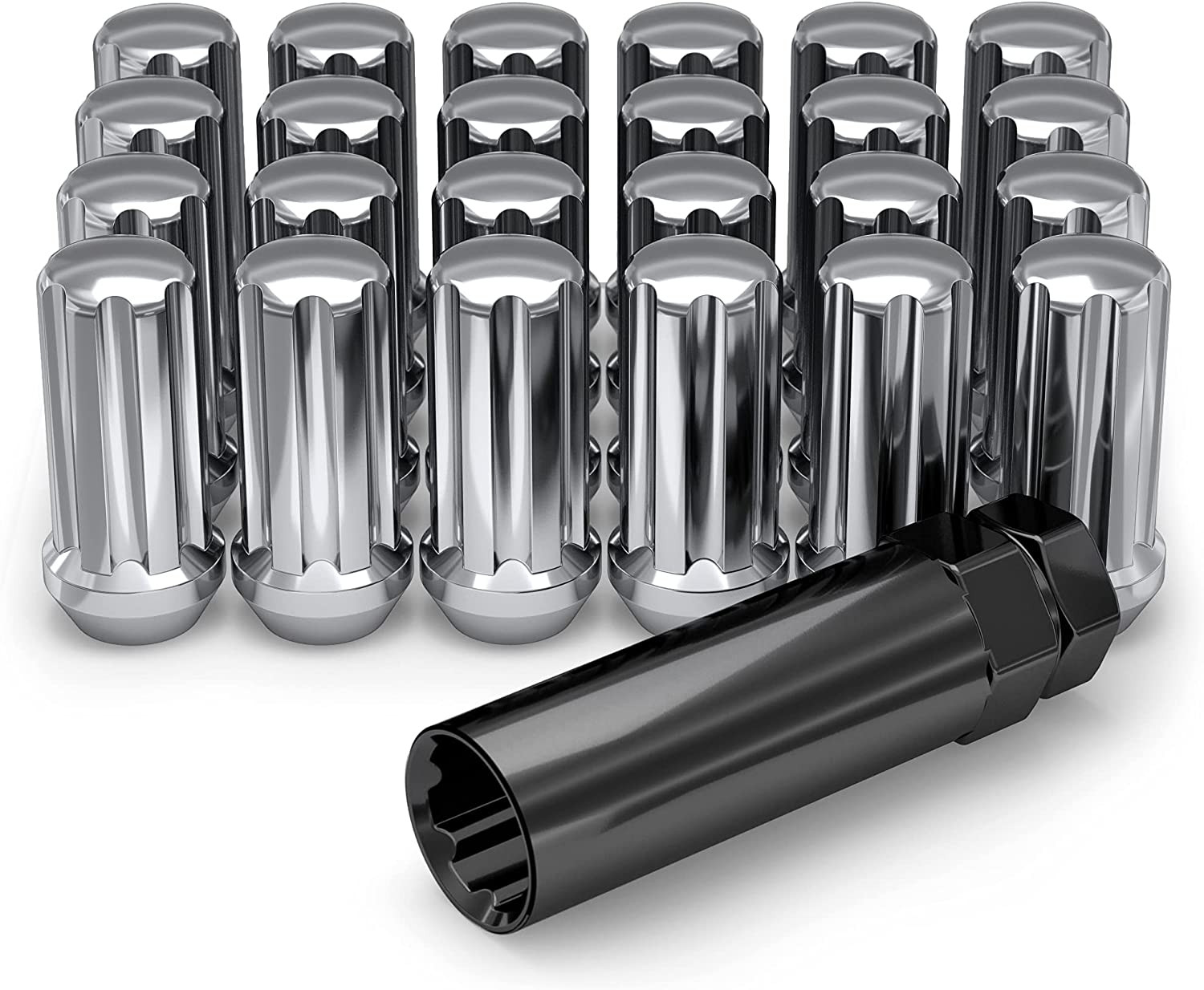
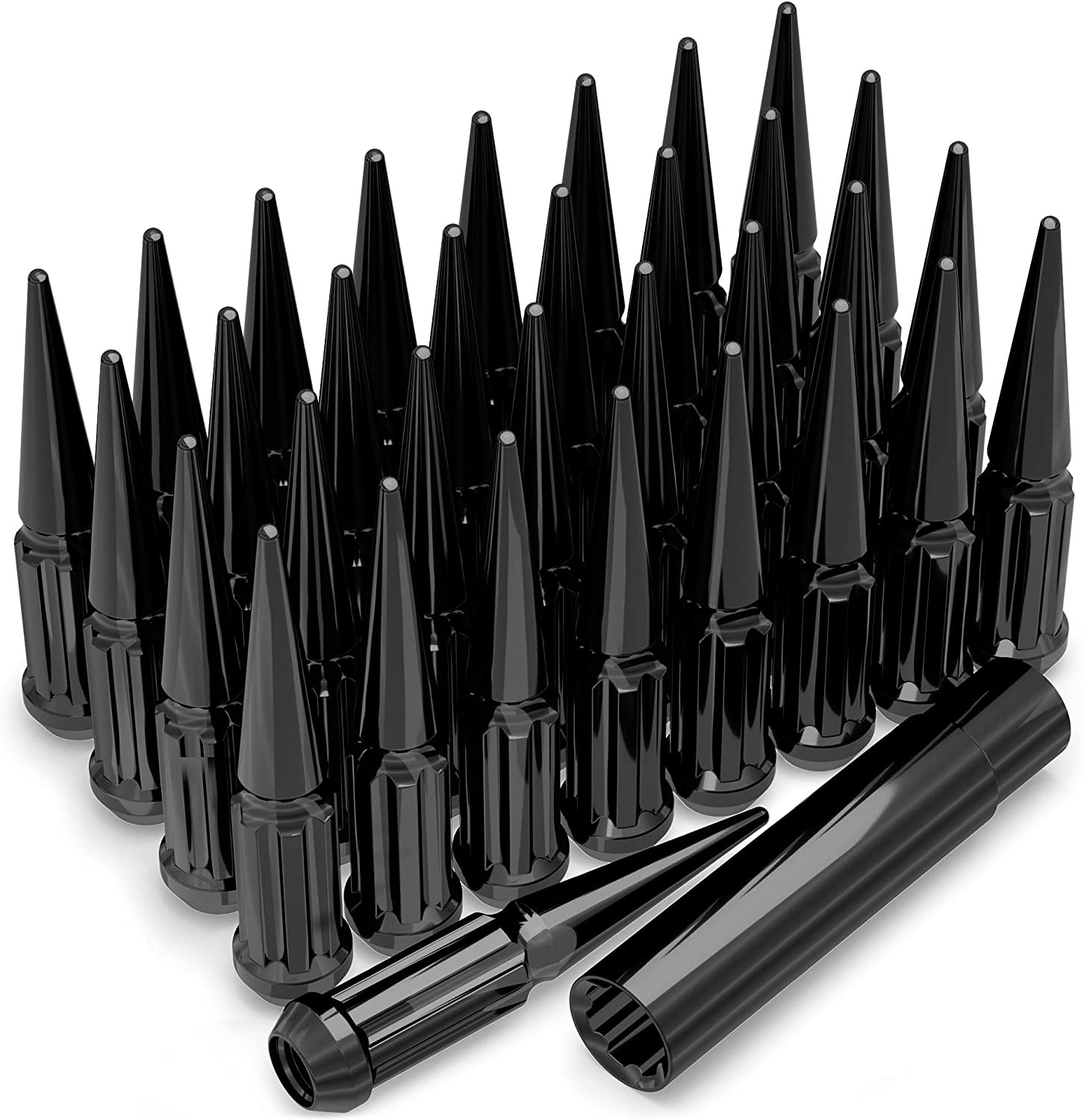
- Thread size is M14 x 1.5. Match the lug seat style to the wheel’s seat design and verify shank length if using tuner or spline lugs.
- Offset and backspacing must clear brakes and suspension. Compare with the calculator and physically measure inner clearance, especially near the front strut and brake caliper.
- Tire overall diameter should stay close to stock. Many installers target a small variance to protect gearing and speedometer accuracy. Use the calculator to quantify the change.
- Load rating and speed rating must meet or exceed OEM. Check the door-jamb placard for your vehicle’s requirements.
- TPMS compatibility. Plan for sensor transfer, cloning, or new sensors that match your Chrysler system.
- Spare tire compatibility. Large changes in overall diameter can affect spare use and storage.
- Visual inspection. Test fit a front wheel first, hand-turn the assembly, and check for interference on full steering lock.
Plus Sizing And Common Upgrades
Plus sizing increases rim diameter and usually uses a lower-profile tire to keep overall diameter near stock. Example approach: if you move from a 17 or 18 inch OEM package to a larger wheel, reduce tire aspect ratio so total diameter remains close. Use the calculator to:
- Keep total tire diameter close to your stock size to minimize speedometer error and performance changes.
- Manage offset so inner clearance to the strut and outer poke at the fender both remain safe.
- Evaluate ride height change and scrub radius shift. Large deviations can affect handling and steering feel.
The 2016 Chrysler 300 is often modified with larger diameter wheels in the aftermarket, but exact fitment varies by trim, brake package, suspension height, and tire choice. Always validate with the calculator, measurements, and a test fit.
Installation Tips
- Prepare the hub face. Remove rust and debris so the wheel sits flush. Use a wire brush and brake cleaner on the hub and the wheel mounting pad.
- Confirm hub-centricity. If your wheel bore is larger than 71.5 mm, install the correct hub-centric rings before tightening lugs.
- Hand start all lug nuts. Tighten in a crisscross pattern and torque to the specification in your owner’s manual using a calibrated torque wrench.
- Recheck torque after a short break-in period following the first drives. Follow OEM guidance for retorque intervals.
- Verify clearance on the ground. After installation, turn the steering from lock to lock and drive slowly over bumps while listening for contact.
- TPMS. Transfer or program sensors and perform the relearn procedure required by your Chrysler system.
Tools And Helpful Supplies
FAQs
What is the bolt pattern on the 2016 Chrysler 300?
5x115. Do not substitute 5x114.3. Use wheels drilled for 5x115.
What center bore do I need?
71.5 mm. If an aftermarket wheel has a larger bore, use hub-centric rings sized 71.5 mm to your wheel’s bore.
What is the thread size for the lug nuts?
M14 x 1.5. Match the lug seat style to the wheel design. If unsure, compare your OEM lug nuts to the new wheel’s seat.
Which OEM wheel and tire sizes came on the 2016 300?
We have 18 x 7.5 ET24 with 4.69 in backspacing on record for at least one trim, and 215/65R17 as an OEM tire size for at least one trim. Packages vary by model and equipment. Confirm with your door-jamb placard or dealer by VIN.
Will 5x114.3 wheels fit my 5x115 Chrysler 300?
No. That is not a direct match and is not recommended for safety reasons. Use the exact 5x115 pattern.
Do I need hub-centric rings?
If the wheel’s center bore is larger than 71.5 mm, use rings to center the wheel on the hub. If the bore is exactly 71.5 mm and the wheel is designed for this vehicle, rings are not needed.
What offset should I choose for aftermarket wheels?
Offset depends on wheel width, brake package, and tire choice. Start by entering your current setup into the calculator, then adjust width and offset while watching inner clearance and outer poke. Test fit before final mounting.
What about lug torque?
Follow the torque specification in the Chrysler owner’s manual or service information. Use a calibrated torque wrench and recheck after initial driving as recommended by OEM guidance.
How close should the new tire diameter be to stock?
Use the calculator to keep overall diameter close to your OEM reference to minimize speedometer error and drivability changes. Always verify clearance at full steering lock and over bumps.