- Bolt pattern8x170 · Same recorded PCD
- Center bore124.9 mm · same recorded hub figure
- Wheel geometryNot fully recorded
Wheel width/offset data is incomplete.
Recorded OEM specifications for the 2000 Ford F-350, donor years with overlapping ranges, and a calculator to compare a selected wheel. Range overlap is not a guaranteed fit.
Save these wheel specs to your Ownery garage
Baseline mounting dimensions used for interchange decisions.
Thread-only product links are shopping examples, not verified fits. Seat style is not confirmed here. As an Amazon Associate we earn from qualifying purchases.
These are vehicle-year records whose recorded OEM ranges overlap this 2000 Ford F-350. Overlap is not a guarantee that a specific wheel will install. Selected-wheel comparison is in the calculator below.
Evaluated 23 donor years. Listed 15 eligible overlaps (not all evaluated years are compatible). Showing all listed.
Years grouped because recorded compatibility evidence is equivalent. Each year keeps its own page.
Wheel width/offset data is incomplete.
Only years with evidence-based interchange relationships are listed. Adjacent years are not assumed compatible.
Compare a donor vehicle or custom wheel against this 2000 Ford F-350. Use Compare in calculator on a donor row above to fill the donor side of this same calculator.
Compare wheel compatibility between two vehicles
2000 Ford F-350





Example products matched to recorded thread, hub, or spacer dimensions. They are not verified fits. Confirm seat style, thickness, and clearance before ordering.
M14 x 2.00
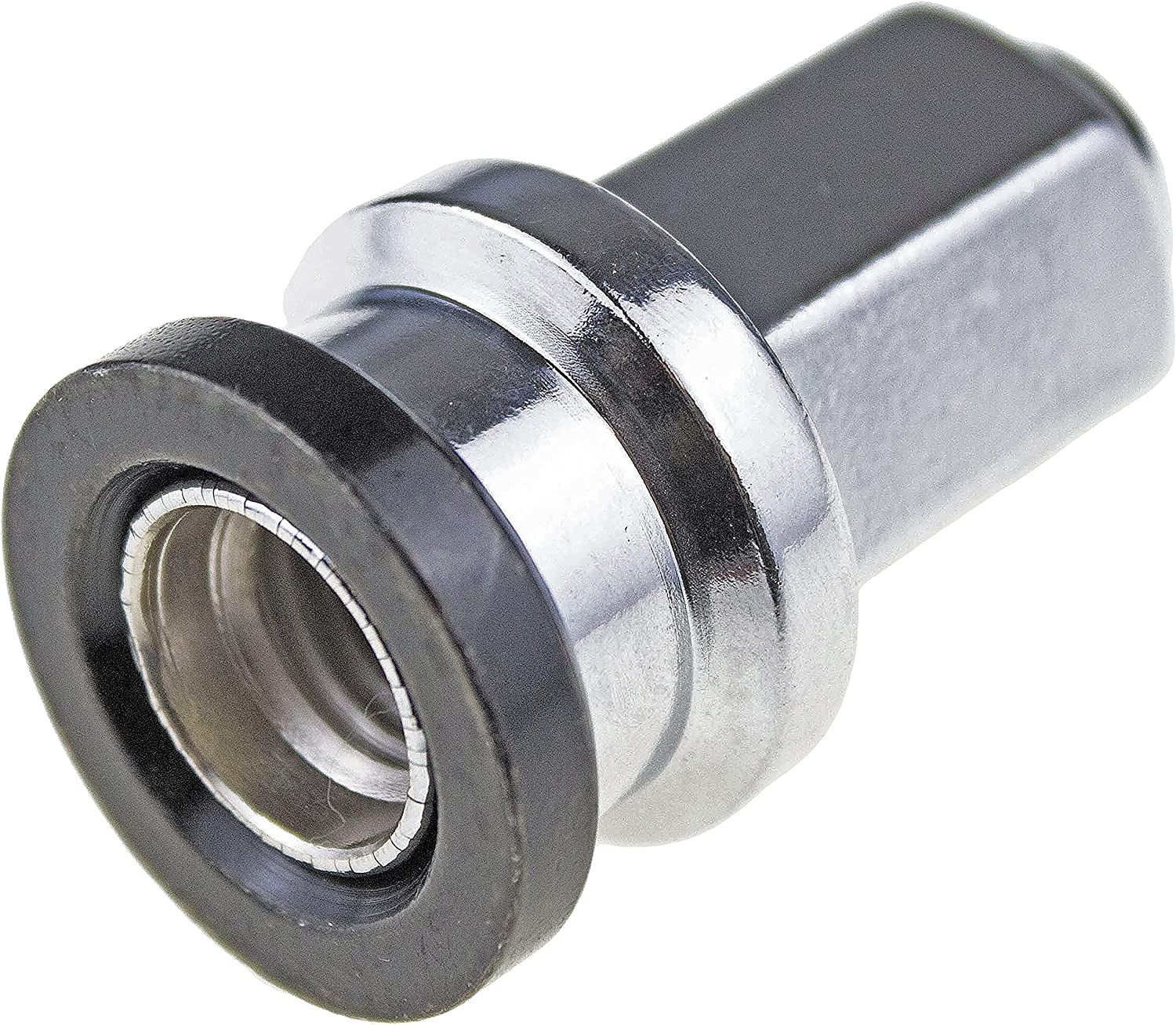
M14 x 2.00 · Thread match only; seat style is not verified
View on Amazon →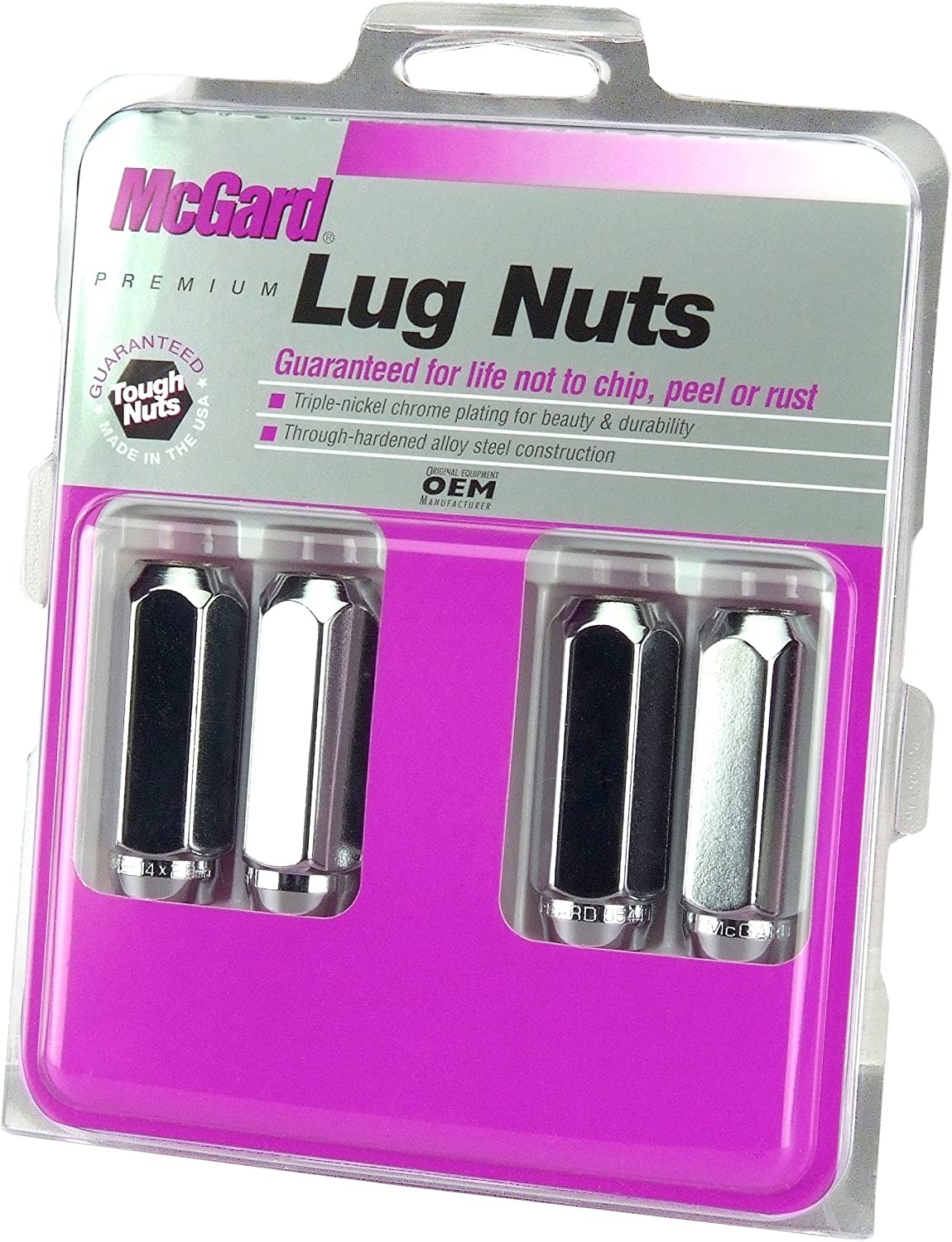
M14 x 2.00 · Thread match only; seat style is not verified
View on Amazon →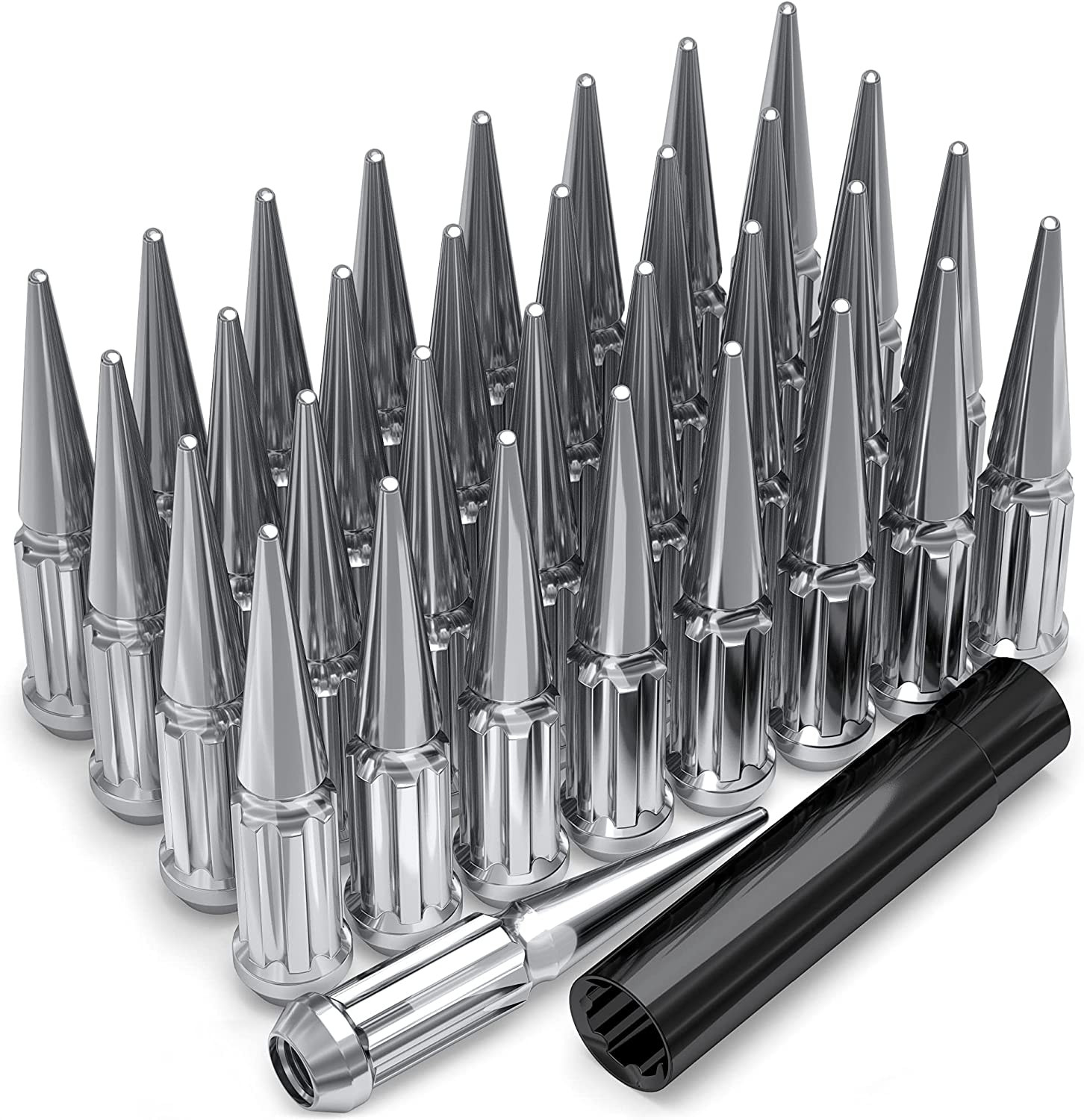
M14 x 2.00 · Thread match only; seat style is not verified
View on Amazon →As an Amazon Associate we earn from qualifying purchases. Product availability and pricing may change.
The confirmed fitment information available for the 2000 Ford F-350 is listed below. Some original-equipment specifications vary by trim, axle configuration, wheel package, or market. Do not treat an unknown value as a recommended replacement specification.
| Specification | Known value | Fitment note |
|---|---|---|
| Bolt pattern | 8x170 | Eight studs on a 170 mm pitch circle diameter. |
| Center bore | 124.9 mm | Verify the wheel center bore. A smaller bore will not fit over the hub. |
| Thread size | M14 x 2.00 | Confirm lug-nut seat type, thread engagement, and OEM requirements before installation. |
| Rim diameter | Unknown | Confirm the size stamped on the original wheel or in Ford documentation. |
| Rim width | Unknown | Confirm the original wheel marking and the tire manufacturer’s approved rim-width range. |
| Wheel offset | Unknown | Measure or verify this value before selecting a replacement wheel. |
| Backspacing | Unknown | Backspacing depends on wheel width and offset. Do not estimate it from bolt pattern alone. |
| Tire section width | Unknown | Check the tire sidewall, door-jamb label, owner’s manual, or OEM service information. |
| Tire aspect ratio | Unknown | Verify the complete tire size rather than assuming a factory profile. |
| Tire rim diameter | Unknown | Use the tire sidewall marking and confirm that the replacement tire matches the wheel diameter. |
A wheel with an 8x170 pattern is not automatically safe or compatible. The center bore, diameter, width, offset, brake clearance, load rating, tire size, and lug hardware must also be suitable for your specific truck.
Use the calculator to compare Wheels from (donor vehicle) with Installed on (your vehicle). Enter the donor wheel and tire information, then enter the known details for your 2000 Ford F-350. Use the confirmed values above, and verify any unknown values from the original wheel, tire, vehicle label, or OEM documentation.
If a specification is unavailable, leave it unconfirmed rather than guessing. A local measurement and the wheel’s stamped markings can provide better information than a generic vehicle listing.
Plus sizing changes the wheel diameter while attempting to maintain a similar overall tire diameter. Because the original rim diameter, width, and tire size for this truck are not confirmed here, a specific plus-size recommendation would be speculative.
Use the calculator to compare a proposed wheel and tire combination. When increasing rim diameter, select a tire with a suitable aspect ratio and approved load capacity. The calculator will update tire diameter when rim diameter changes, but it cannot confirm physical clearance, load rating, speedometer calibration, steering behavior, or legal requirements.
Before choosing a wider tire, check inner clearance to suspension and steering components and outer clearance to the fender, liner, and frame. Lift kits, leveling kits, aftermarket brakes, spacers, and altered suspension geometry can change fitment. Any spacer or adapter must be specifically rated and installed according to its manufacturer’s instructions.
Install wheels on a clean, dry hub and clean the wheel mounting face. Do not use paint, grease, or anti-seize between mating surfaces unless the vehicle or component manufacturer specifically permits it. Contamination or uneven contact can cause wheel movement and loss of clamping force.
If a wheel does not seat flush, stop installation. Do not correct a fitment problem by forcing the lugs tight or using washers that were not designed for the wheel.
Useful equipment includes a calibrated torque wrench, socket set, jack and appropriately rated jack stands, a tire-pressure gauge, and a straightedge or wheel-fitment measuring tool. For a safe DIY inspection, shop for a calibrated automotive torque wrench and rated automotive jack stands.
Use the vehicle owner’s manual and the wheel manufacturer’s instructions for lifting points, torque values, tire pressure, and lug hardware. Never work under a vehicle supported only by a jack.
Does the 2000 Ford F-350 use an 8x170 bolt pattern?
The known fitment data for this page lists an 8x170 bolt pattern. Confirm the pattern against the truck and wheel before purchase, especially if the vehicle has replacement axles, hubs, or modified suspension.
What is the center bore for the 2000 Ford F-350?
The listed center bore is 124.9 mm. A wheel with a smaller center bore will not fit over the hub. A larger bore may require an appropriate hub-centric solution, but the wheel must still meet all other fitment and load requirements.
What lug thread size is listed for this truck?
The known thread size is M14 x 2.00. Confirm the lug-nut seat style, length, and torque specification because the thread size alone does not guarantee that a lug nut is correct for a particular wheel.
What are the factory rim diameter and width?
They are not confirmed in the supplied fitment data. Check the original wheel stamp, the tire sidewall, the driver-door information label, the owner’s manual, or Ford service documentation. Do not infer these values from bolt pattern or center bore.
What offset and backspacing should I choose?
The offset and backspacing are unknown for this application in the supplied data. Measure the existing wheel or obtain the exact specification from the wheel manufacturer, then use the calculator to compare the proposed position. A physical clearance check is still required.
Can I install any 8x170 wheel?
No. The wheel must also have suitable center-bore dimensions, diameter, width, offset, brake clearance, load rating, and compatible lug hardware. Tire size and load capacity must match the truck’s requirements as well.
Can I use the calculator as proof that a wheel will fit?
No. The calculator helps compare donor and installed wheel and tire measurements. It does not replace OEM documentation, manufacturer load ratings, brake-clearance checks, steering-lock checks, or a careful physical test fit.
Wheel interchange depends on more than bolt pattern. Where data is available, this site compares recorded OEM values:
A normal wheel spacer does not change bolt pattern. Hub rings cannot enlarge a wheel bore that is smaller than the hub. Brake clearance and tire package fitment still require vehicle-specific checks when not confirmed in the dataset.
