2018 Ford F-350 Wheel Interchange And Fitment Guide
Known OEM Fitment For 2018 Ford F-350
The following specifications are the known fitment data available for the 2018 Ford F-350. Some wheel and tire measurements can vary by trim, package, axle configuration, and original equipment setup. Confirm the exact specifications on your vehicle before ordering replacement wheels or tires.
| Specification |
Known value |
| Bolt pattern |
8x170 |
| Center bore |
124.9 mm |
| Thread size |
M14 x 1.5 |
| Rim diameter |
Unknown. Verify the original wheel and vehicle documentation. |
| Rim width |
Unknown. Verify the original wheel and vehicle documentation. |
| Wheel offset |
Unknown. Verify the exact wheel specification before purchase. |
| Backspacing |
Unknown. Measure or confirm it from a reliable wheel specification source. |
| Tire section width |
Unknown. Check the tire sidewall and the vehicle placard. |
| Tire aspect ratio |
Unknown. Check the tire sidewall and the vehicle placard. |
| Tire rim diameter |
Unknown. Check the tire sidewall and the vehicle placard. |
The 8x170 bolt pattern means eight wheel studs are arranged on a 170 mm pitch circle diameter. The 124.9 mm center bore is also important because a wheel must clear the vehicle hub. Matching the bolt pattern alone does not confirm safe fitment. Wheel load rating, offset, backspacing, brake clearance, stud engagement, and tire clearance must also be checked.
For the most accurate original-equipment reference, inspect the driver-door certification label, the tire information label, the owner manual, the existing wheel markings, or documentation from a Ford dealer. Do not assume that every 2018 Ford F-350 uses the same rim or tire size.
How To Use The Wheel Interchange Calculator
Use the calculator on this page to compare a donor vehicle with your 2018 Ford F-350. Enter the donor vehicle in the “Wheels from” field and enter the Ford F-350 as the vehicle in the “Installed on” field.
- Enter or select the donor vehicle and the 2018 Ford F-350.
- Compare the displayed bolt pattern, center bore, wheel dimensions, offset, and tire measurements.
- Review whether the donor wheel has sufficient clearance for the hub, brakes, suspension, and bodywork.
- Use “Custom wheel size” when you know the proposed rim diameter, rim width, or offset but the exact wheel is not listed.
- Use “Custom tire size” to compare section width and aspect ratio changes.
- Remember that changing the custom rim diameter updates the tire diameter in the comparison.
Calculator results are a screening tool, not a substitute for a physical test fit or manufacturer confirmation. If a required OEM value is shown as unknown, obtain that value from the wheel, tire, vehicle label, owner manual, or an authoritative parts source before relying on the comparison.
Fitment Checklist Before You Buy
- Confirm the wheel uses the 8x170 bolt pattern.
- Confirm that the wheel center bore is compatible with the 124.9 mm vehicle hub. A smaller bore will not fit over the hub. A larger bore may require properly specified hub-centric rings if the wheel manufacturer permits them.
- Verify the wheel load rating for the intended vehicle use and axle requirements.
- Check offset and backspacing to prevent contact with suspension parts, steering components, brake hardware, fenders, and inner wheel wells.
- Confirm the wheel diameter and width from the wheel markings or manufacturer specifications. These OEM values are not provided here and should not be guessed.
- Confirm tire size, load index, speed rating, and inflation requirements using the vehicle placard and tire manufacturer information.
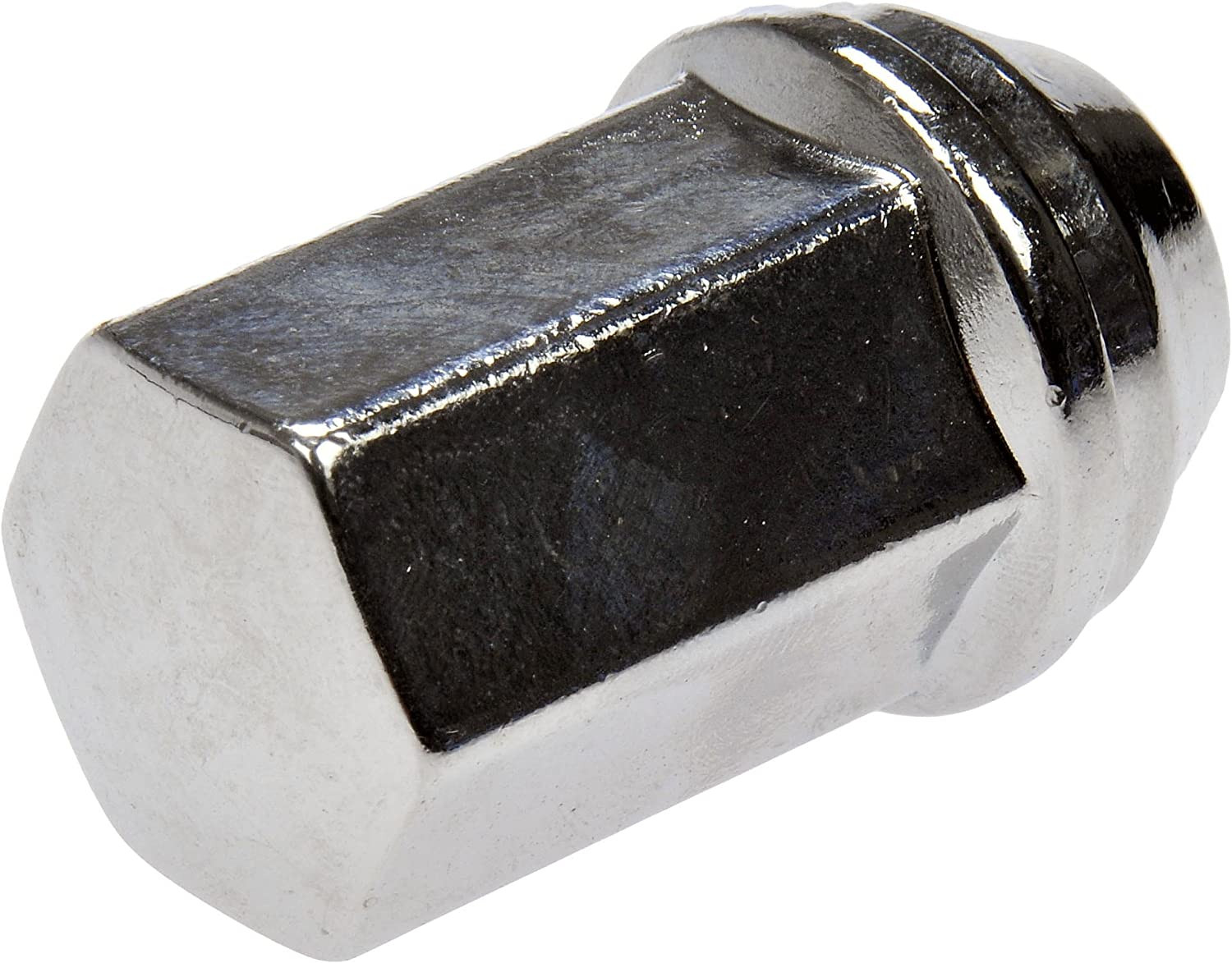
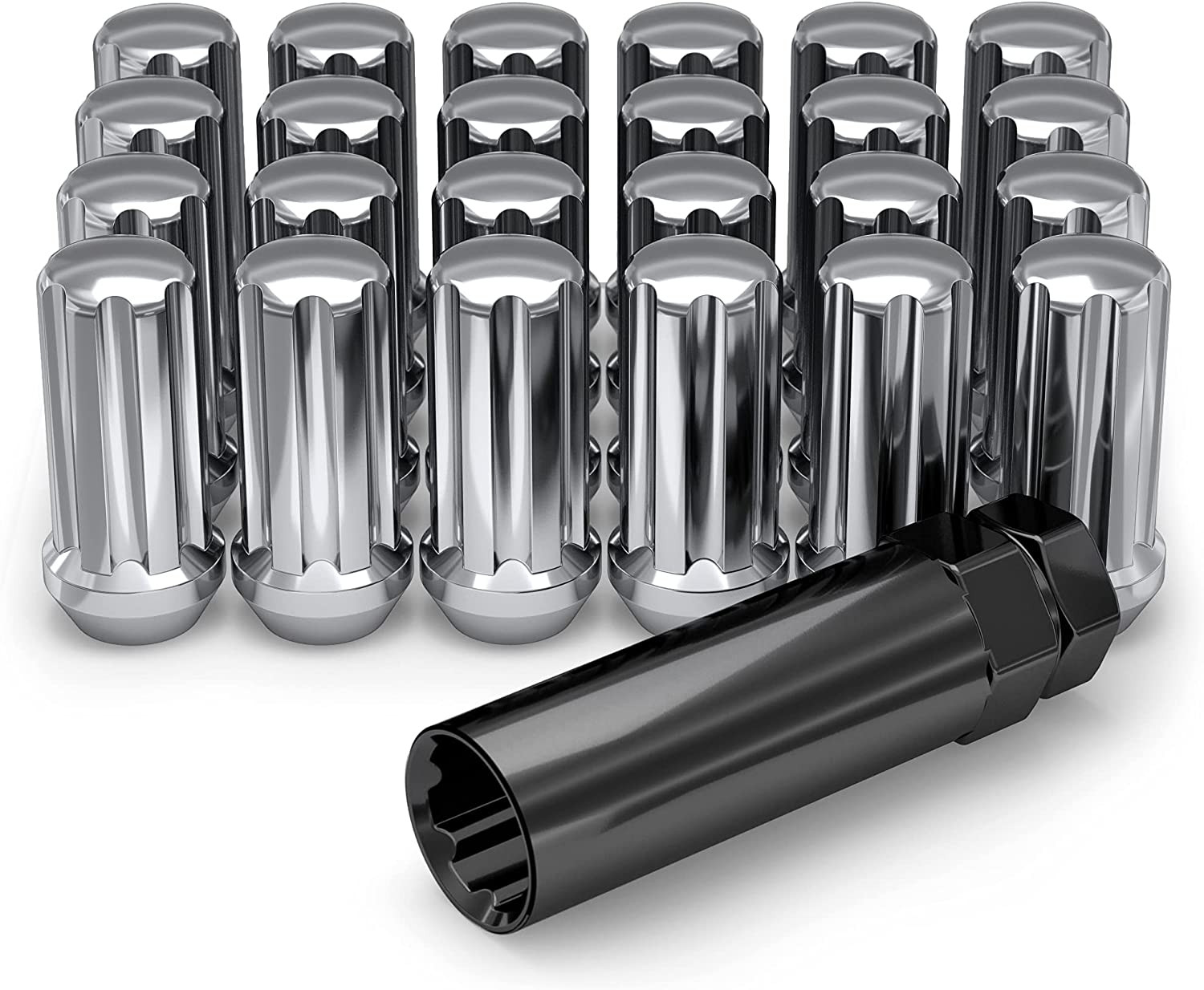
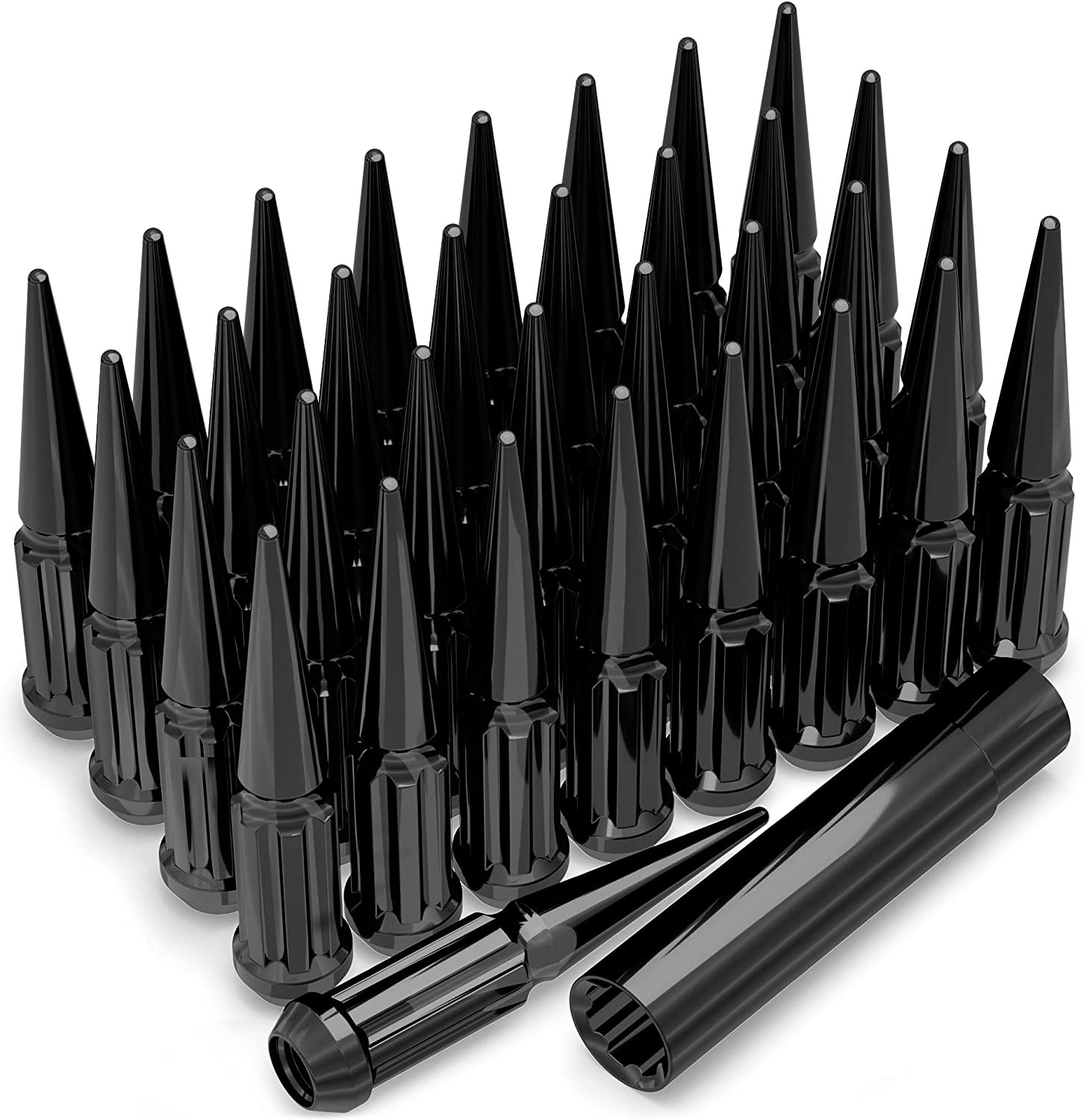
- Check that the wheel mounting surface, lug-seat design, and required hardware are compatible. M14 x 1.5 thread size alone does not identify the correct lug nut seat or style.
- Confirm that the replacement wheel supports the vehicle's tire pressure monitoring system components when applicable.
- Make sure the final tire diameter does not create speedometer, clearance, or drivetrain concerns.
- Have the completed installation inspected if there is any uncertainty about clearance or load capacity.
Plus Sizing And Common Upgrades
Plus sizing changes the wheel diameter while typically reducing tire sidewall height to maintain a similar overall tire diameter. Because the original rim diameter, rim width, and tire measurements for this vehicle are not provided, a specific plus-size combination cannot be recommended from the available data.
Use the calculator's custom wheel and tire fields to compare a proposed setup. Watch the calculated tire diameter, section width, offset, and backspacing. A wider wheel or tire can change clearance even when the overall tire diameter remains similar.
Do not select a tire based only on appearance. The replacement tire must meet or exceed the required load capacity and must be suitable for the vehicle's intended payload, towing, road, and weather conditions. Confirm all proposed sizes with the tire manufacturer, wheel manufacturer, and Ford documentation.
Installation Tips
- Inspect the wheel, hub, studs, and lug nuts for damage, corrosion, or contamination before installation.
- Clean the mating surfaces so the wheel sits fully against the hub. Do not use paint, grease, or debris to correct a poor fit.
- Install only the correct lug nuts for the wheel's seat type and the vehicle's M14 x 1.5 thread specification.
- Hand-start every lug nut to avoid cross-threading. Do not force a lug nut with an impact tool.
- Tighten the lug nuts in a star or crisscross pattern, then torque them to the vehicle or wheel manufacturer's specified value.
- Do not use wheel spacers, adapters, or extended studs unless the product is specifically engineered and approved for the application.
- After installation, rotate the steering from lock to lock and check for contact. Also inspect clearance with the suspension loaded and unloaded when practical.
- Recheck lug torque after the vehicle manufacturer's recommended break-in distance or service interval.
- Verify tire pressure with a reliable gauge and reset or relearn the TPMS system as required by the vehicle and sensor manufacturer.
Tools And Helpful Supplies
A torque wrench, suitable socket, jack, jack stands, wheel chocks, and a tire pressure gauge are useful for a careful wheel installation. Use jack stands on a stable surface and follow the vehicle owner's lifting points. Never work under a vehicle supported only by a jack.
Useful supplies can include a wire brush for cleaning hub surfaces, a tread-depth gauge, and a wheel-fitment measuring tool. A quality automotive torque wrench can help achieve the required lug torque, but always use the vehicle or wheel manufacturer's torque specification rather than a generic value.
A digital tire pressure gauge can help verify cold tire pressure. Check the door label or owner's manual for the correct pressure and do not use the maximum pressure molded into the tire sidewall as the vehicle setting unless the manufacturer specifies it.
FAQs
What is the bolt pattern for the 2018 Ford F-350?
The known bolt pattern is 8x170. Confirm the wheel's complete specifications before purchase because the bolt pattern by itself does not prove that a wheel is safe or compatible.
What is the center bore for the 2018 Ford F-350?
The known center bore is 124.9 mm. A wheel with a smaller center bore will not fit over the hub. A larger bore may need correctly specified hub-centric rings, subject to the wheel manufacturer's guidance.
What lug thread size does this vehicle use?
The known thread size is M14 x 1.5. You must still confirm the correct lug nut seat style and hardware design for the selected wheel.
What is the factory rim size for a 2018 Ford F-350?
The rim diameter and rim width were not provided and may vary by vehicle configuration. Check the existing wheel markings, the driver-door label, the owner's manual, Ford parts documentation, or a Ford dealer. Use the calculator only after confirming the missing dimensions.
Can I use any 8x170 wheel on a 2018 Ford F-350?
No. The wheel must also have a compatible center bore, load rating, offset, backspacing, brake clearance, mounting surface, lug-seat design, and suitable tire capacity. The wheel manufacturer should confirm application compatibility.
How can I compare a donor wheel with my truck?
Set the donor vehicle in “Wheels from” and the 2018 Ford F-350 in “Installed on.” Compare all available measurements, then use the custom wheel and tire fields for a known proposed setup. A physical clearance check remains necessary before regular driving.
Does changing the rim diameter change the tire comparison?
Yes. In this calculator, changing the custom rim diameter updates the tire diameter in the comparison. Recheck overall diameter, section width, load rating, and clearance after every size change.
Should I use wheel spacers to correct an offset mismatch?
Do not use spacers as a default correction. They can affect stud engagement, bearing loads, handling, and clearance. If a spacer or adapter is being considered, use only a product specifically engineered and approved for the application, and obtain professional confirmation.