- Bolt pattern8x170 · Same recorded PCD
- Center bore124.9 mm · same recorded hub figure
- Wheel geometryNot fully recorded
Wheel width/offset data is incomplete.
Recorded OEM specifications for the 2022 Ford F-350, donor years with overlapping ranges, and a calculator to compare a selected wheel. Range overlap is not a guaranteed fit.
Save these wheel specs to your Ownery garage
Baseline mounting dimensions used for interchange decisions.
Thread-only product links are shopping examples, not verified fits. Seat style is not confirmed here. As an Amazon Associate we earn from qualifying purchases.
These are vehicle-year records whose recorded OEM ranges overlap this 2022 Ford F-350. Overlap is not a guarantee that a specific wheel will install. Selected-wheel comparison is in the calculator below.
Evaluated 23 donor years. Listed 15 eligible overlaps (not all evaluated years are compatible). Showing all listed.
Years grouped because recorded compatibility evidence is equivalent. Each year keeps its own page.
Recorded vehicle-side thread for the 2022 Ford F-350 is M14x1.5. This donor year is recorded as M14x2.00. That is the vehicle stud/nut thread, not an intrinsic thread stamped on the wheel. Hardware must match this vehicle’s studs and the selected wheel’s seat and engagement. Existing hardware may be reusable if it already matches. Seat style is not in this dataset, so products are not a verified fit.
Wheel width/offset data is incomplete.
Only years with evidence-based interchange relationships are listed. Adjacent years are not assumed compatible.
Compare a donor vehicle or custom wheel against this 2022 Ford F-350. Use Compare in calculator on a donor row above to fill the donor side of this same calculator.
Compare wheel compatibility between two vehicles
2022 Ford F-350





Example products matched to recorded thread, hub, or spacer dimensions. They are not verified fits. Confirm seat style, thickness, and clearance before ordering.
M14 x 1.5
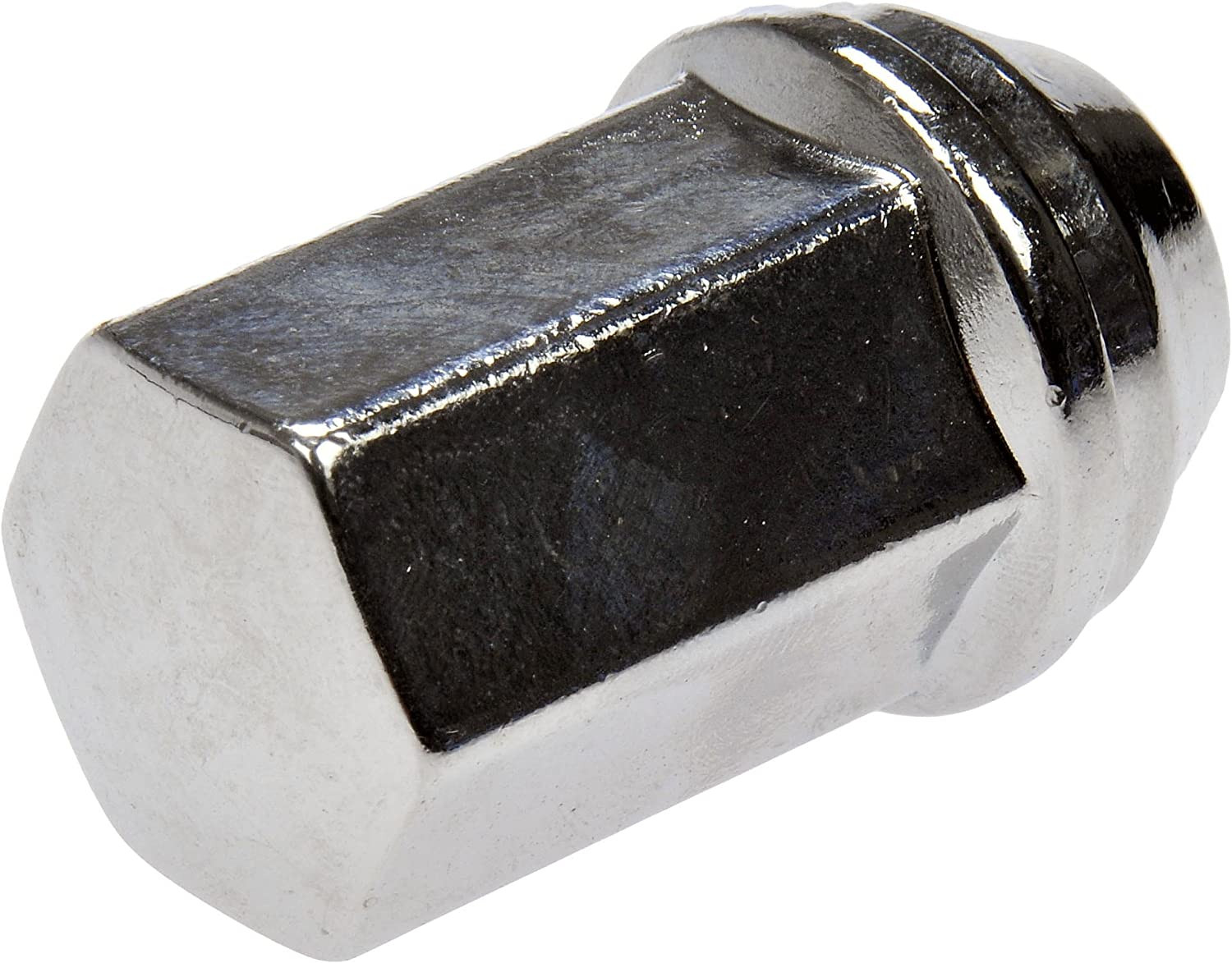
M14 x 1.5 · Thread match only; seat style is not verified
View on Amazon →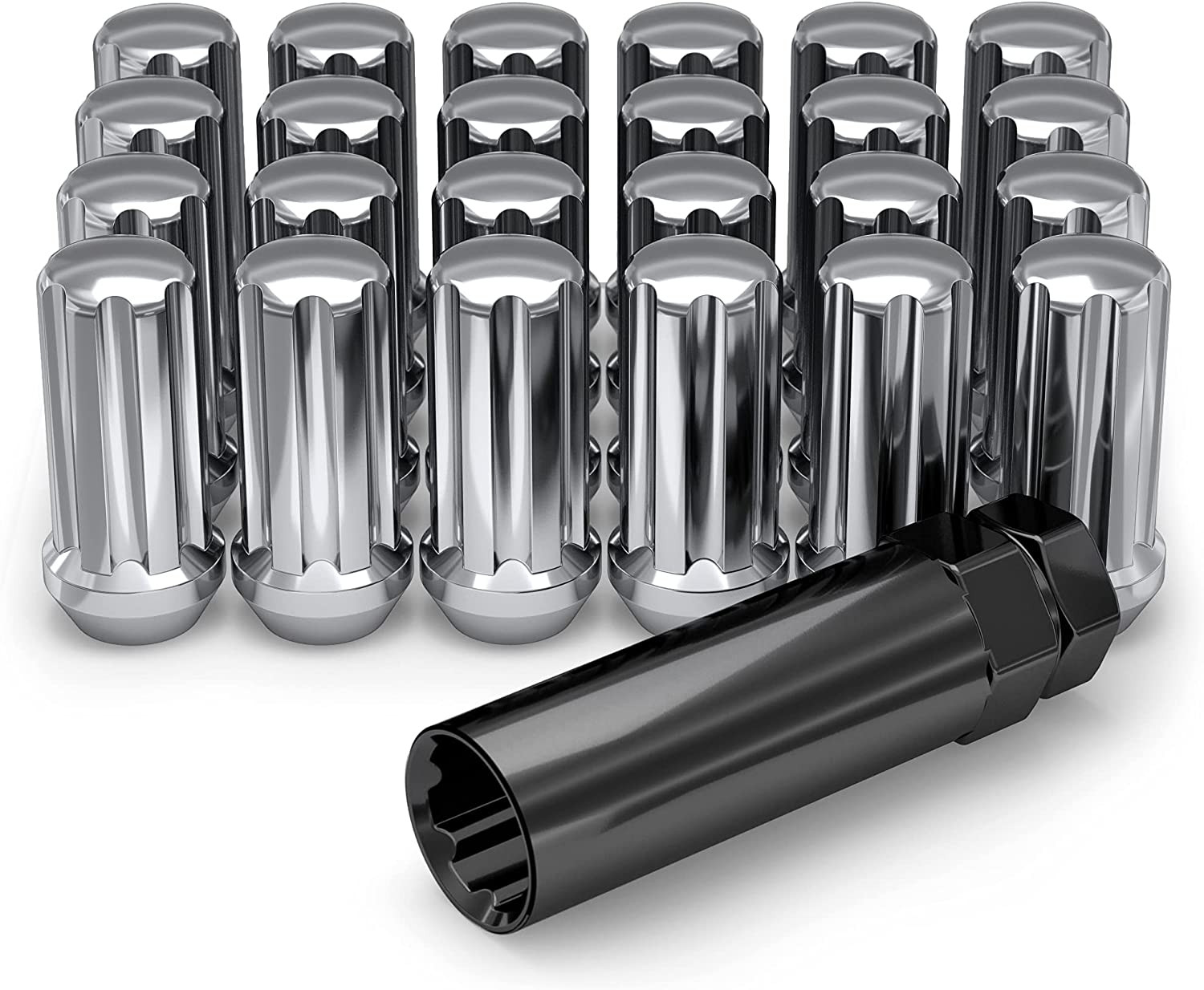
M14 x 1.5 · Thread match only; seat style is not verified
View on Amazon →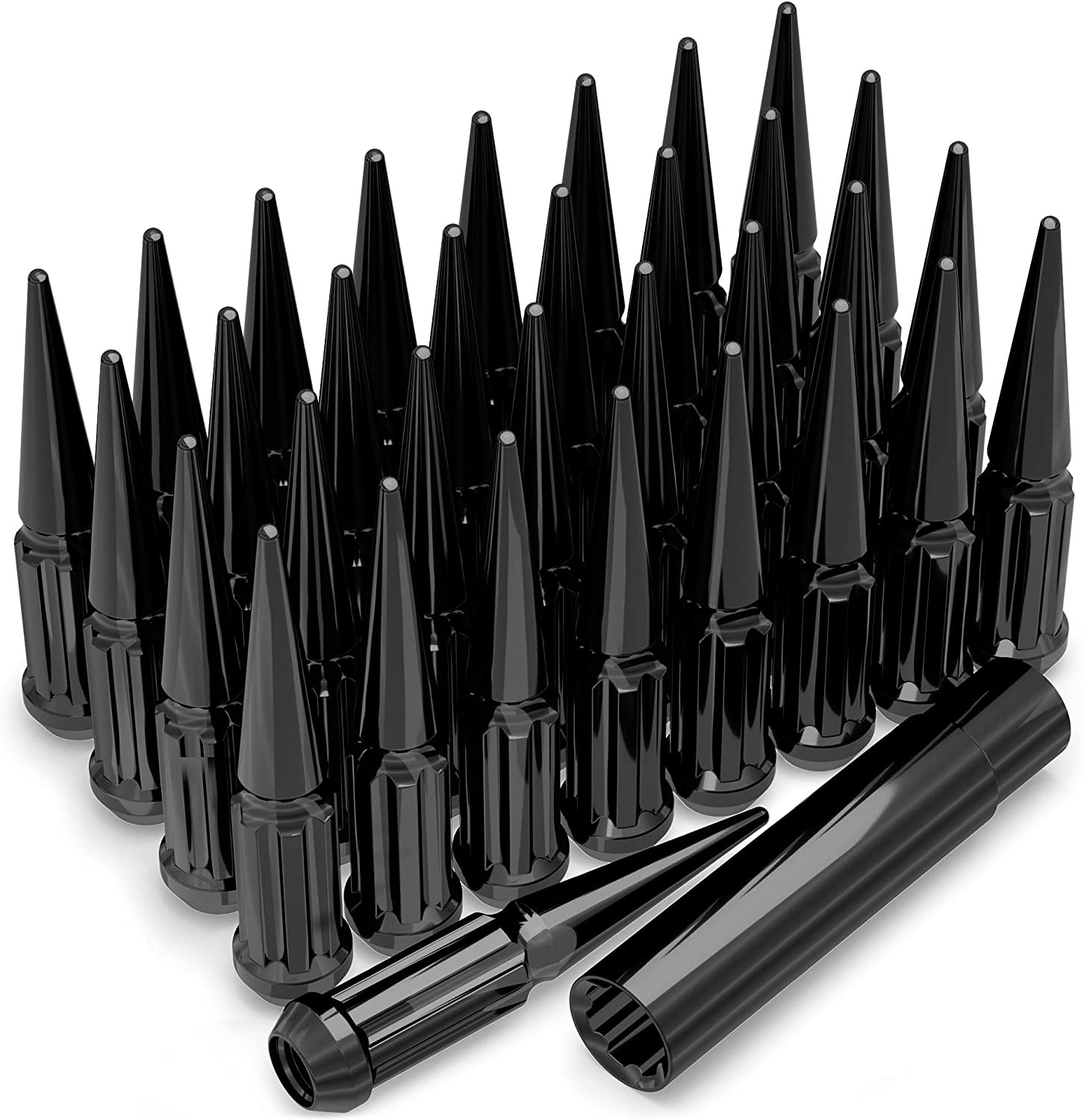
M14 x 1.5 · Thread match only; seat style is not verified
View on Amazon →As an Amazon Associate we earn from qualifying purchases. Product availability and pricing may change.
You want to fit wheels and tires on a 2022 Ford F-350 and evaluate fitment choices safely and confidently. My objective is to identify which fitment constraints are fixed, which are unknown, and which practical options remain for OEM or aftermarket wheels, using the on-page calculator where appropriate.
Evidence from OEM information establishes three confirmed fitment constraints for this vehicle: bolt pattern 8x170, center bore 124.9 mm, and lug thread M14 x 1.5. Several critical dimensions remain unknown from the provided data and therefore require confirmation before selecting wheels: rim diameter, rim width, wheel offset (ET), backspacing, tire section width, tire aspect ratio, and overall tire rim diameter. These unknowns may vary by trim and axle configuration, which is a limitation of the current data set.
How to confirm unknown values: inspect the driver door jamb placard or owner’s manual, read wheel stamping on the inside of an existing rim, query the vehicle VIN with a dealer or reputable OEM database, or use the on-page calculator to test candidate wheel/tire combinations and compare resulting clearances.
I compare four practical approaches for wheel/tire selection, ordered by increasing modification and potential risk.
Tools and parts commonly considered: lug nuts compatible with M14 x 1.5 threads, hub-centric rings to match 124.9 mm center bore to aftermarket wheel bore, and, if needed, correctly sized spacers. For a tool purchase or comparison, see search resources for compatible hardware: lug nuts M14 x1.5 and hub centric rings 124.9.
The following interpretation contrasts the options by installation complexity, safety margin, cost, and likelihood of requiring further verification.
| Option | Installation complexity | Safety margin | Cost and verification needs |
|---|---|---|---|
| OEM-equivalent replacement | Low. Direct swap if wheel spec matches. | High. Designed to meet OEM load and clearance. | Moderate. Verify part number or door jamb specs; lowest uncertainty. |
| Aftermarket same bolt pattern/center bore | Moderate. Requires matching offset and load rating. | Moderate to high if load-rated and hub-centric fit achieved. | Variable. Check manufacturer specifications and confirm backspacing with the calculator. |
| Aftermarket with different offset + hub rings | Moderate to high. May need mock fit and clearance checks. | Lower if offset increases scrub or reduces load distribution; depends on fitment. | Higher. Use the on-page calculator to simulate offsets; confirm braking clearance and steering sweep. |
| Adapters/spacers or thread modifications | High. Mechanical and legal complexity increases. | Lowest. Additional joints and altered leverage raise failure potential. | Highest. Requires careful torqueing, quality parts, and local regulatory checks. |
Use the on-page calculator to compare “Wheels from (donor vehicle)” versus “Installed on (your vehicle)”; you can adjust custom rim diameter, width, offset, and tire section/aspect values there. Note that when you change rim diameter the calculator will update tire diameter automatically for the comparison, which helps evaluate speedometer and clearance effects.
Based on observed constraints and practical evidence, I recommend prioritizing wheels that meet the confirmed bolt pattern 8x170, center bore 124.9 mm, and lug thread M14 x 1.5, while avoiding unverified offsets or rim widths until they are confirmed. Start with OEM-equivalent replacements when possible, because they minimize unknowns and preserve OEM load ratings and clearances.
If you choose aftermarket wheels, require documented load ratings and stamped dimensions from the vendor, then use the on-page calculator to simulate offset, backspacing, and tire fitment before purchase. If center bore mismatch occurs, prefer hub-centric rings sized to 124.9 mm over relying exclusively on lug-centric fit. If any value varies by trim, treat it as unknown and confirm via VIN or dealer parts department before finalizing the purchase.
Interpretation of potential risks follows from how options compare to the OEM baseline. Primary risks include wheel stud or lug failure from incorrect thread engagement, reduced hub contact area when the center bore is not hub-centric, brake or suspension interference from incorrect offset, altered scrub radius affecting handling, and mis-rated wheels failing under load. Secondary risks include TPMS incompatibility, speedometer error when tire diameter changes, and potential warranty or regulatory issues when using adapters or modified threads.
Mitigation steps: verify unknown rim and tire dimensions via door placard, VIN lookup, or rim stamping; use the on-page calculator to test tire diameter and clearance outcomes; insist on OEM or tested aftermarket load ratings; and, when in doubt, consult a dealer or qualified wheel technician for a physical mock-fit. These steps reduce limitations in the data and move the hypothesis toward a reliable interpretation.
If you want, I can guide you through using the on-page calculator step by step with a specific candidate wheel and tire, or list the exact OEM references to request from a dealer using your VIN.
Wheel interchange depends on more than bolt pattern. Where data is available, this site compares recorded OEM values:
A normal wheel spacer does not change bolt pattern. Hub rings cannot enlarge a wheel bore that is smaller than the hub. Brake clearance and tire package fitment still require vehicle-specific checks when not confirmed in the dataset.
