- Bolt pattern8x170 · Same recorded PCD
- Center bore124.9 mm · same recorded hub figure
- Wheel geometryNot fully recorded
Wheel width/offset data is incomplete.
Recorded OEM specifications for the 2010 Ford F-350, donor years with overlapping ranges, and a calculator to compare a selected wheel. Range overlap is not a guaranteed fit.
Save these wheel specs to your Ownery garage
Baseline mounting dimensions used for interchange decisions.
Thread-only product links are shopping examples, not verified fits. Seat style is not confirmed here. As an Amazon Associate we earn from qualifying purchases.
These are vehicle-year records whose recorded OEM ranges overlap this 2010 Ford F-350. Overlap is not a guarantee that a specific wheel will install. Selected-wheel comparison is in the calculator below.
Evaluated 23 donor years. Listed 15 eligible overlaps (not all evaluated years are compatible). Showing all listed.
Years grouped because recorded compatibility evidence is equivalent. Each year keeps its own page.
Wheel width/offset data is incomplete.
Only years with evidence-based interchange relationships are listed. Adjacent years are not assumed compatible.
Compare a donor vehicle or custom wheel against this 2010 Ford F-350. Use Compare in calculator on a donor row above to fill the donor side of this same calculator.
Compare wheel compatibility between two vehicles
2010 Ford F-350





Example products matched to recorded thread, hub, or spacer dimensions. They are not verified fits. Confirm seat style, thickness, and clearance before ordering.
M14 x 2.00
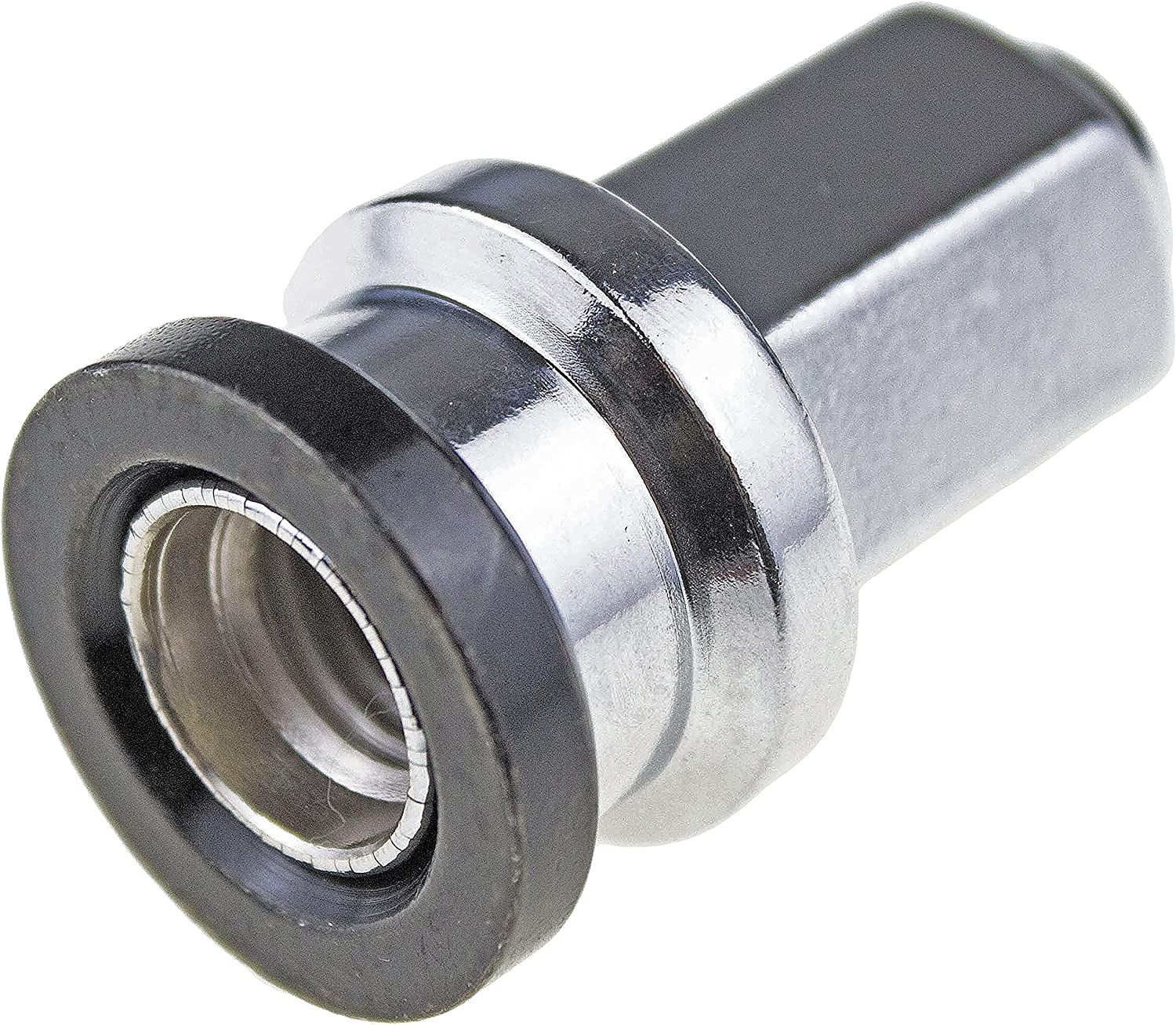
M14 x 2.00 · Thread match only; seat style is not verified
View on Amazon →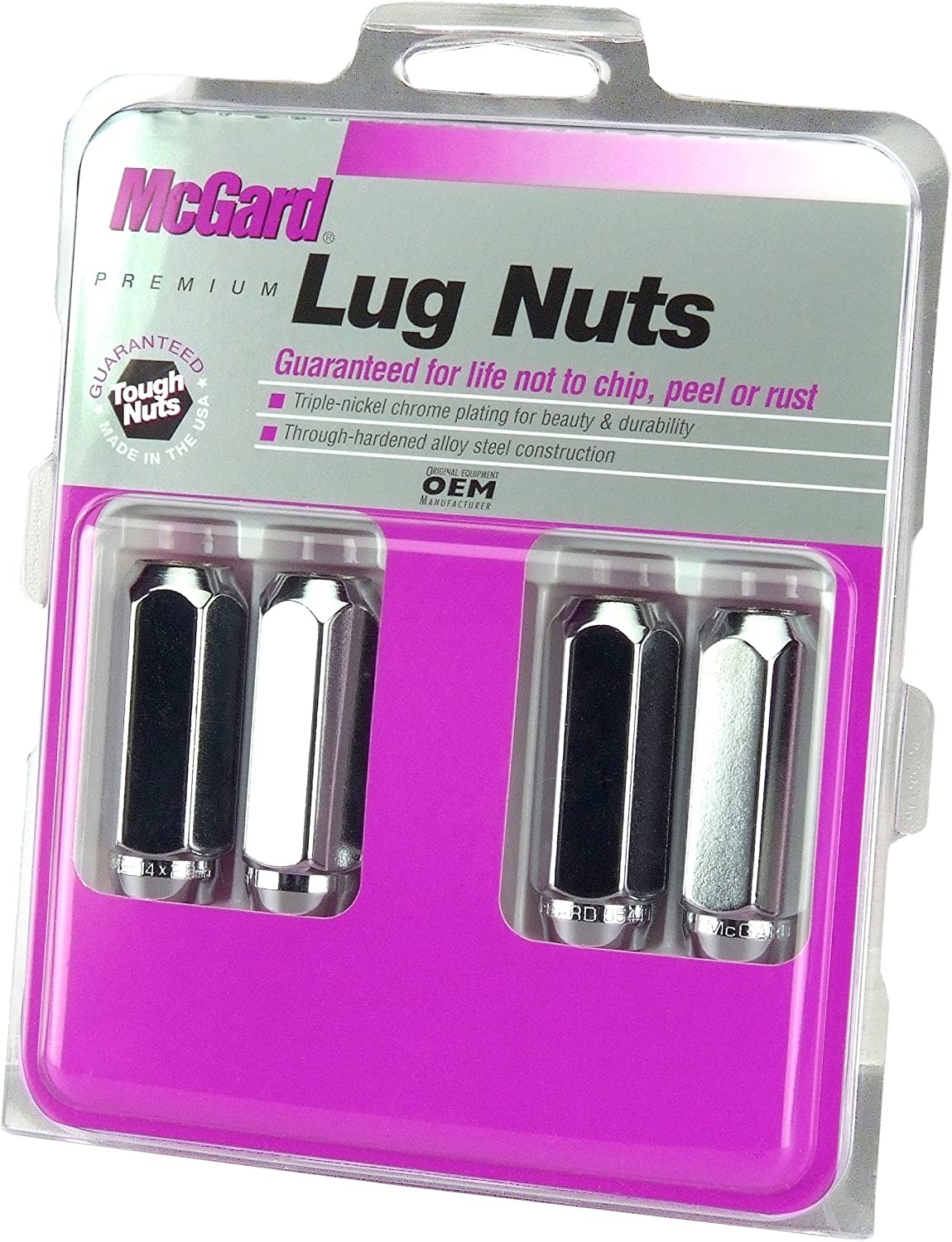
M14 x 2.00 · Thread match only; seat style is not verified
View on Amazon →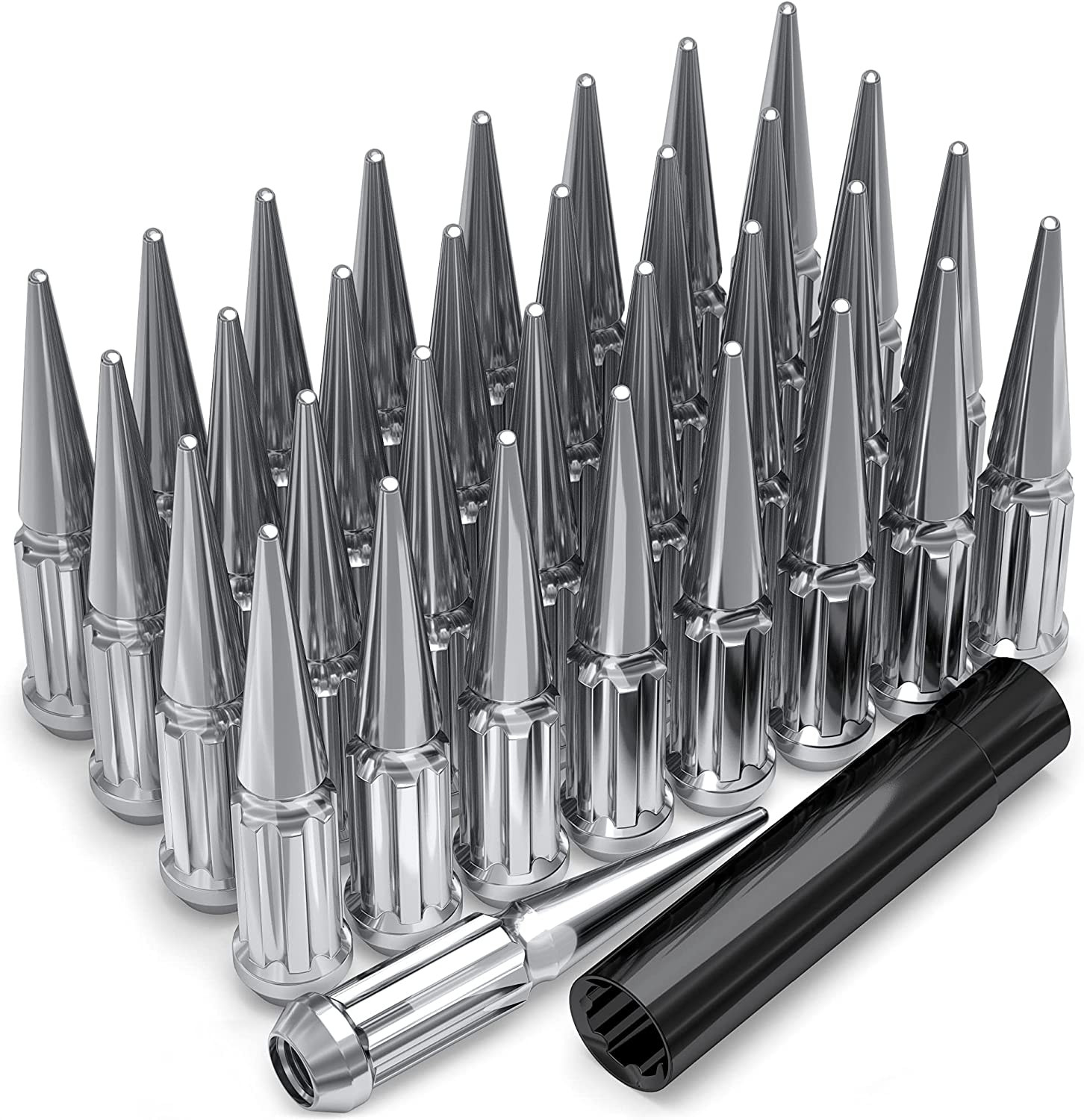
M14 x 2.00 · Thread match only; seat style is not verified
View on Amazon →As an Amazon Associate we earn from qualifying purchases. Product availability and pricing may change.
The verified fitment information available for the 2010 Ford F-350 is listed below. Some wheel and tire specifications can vary by trim, axle configuration, or factory package, so unknown values should be confirmed before ordering.
| Specification | Known value |
|---|---|
| Bolt pattern | 8x170 |
| Center bore | 124.9 mm |
| Thread size | M14 x 2.00 |
| Rim diameter | Unknown from the provided data |
| Rim width | Unknown from the provided data |
| Wheel offset | Unknown from the provided data |
| Backspacing | Unknown from the provided data |
| Tire section width, aspect ratio, and rim diameter | Unknown from the provided data |
A replacement wheel must match the 8x170 bolt pattern and provide a center bore that fits the 124.9 mm hub correctly. The wheel's load rating, brake clearance, offset, width, and tire specifications also require confirmation. Do not assume that a wheel fits every 2010 F-350 trim solely because the bolt pattern matches.
For authoritative confirmation, check the vehicle placard, owner's manual, Ford service information, and the markings on the original wheel. Confirm the wheel and tire load ratings for the specific truck before driving.
Use the on-page calculator to compare Wheels from a donor vehicle with Installed on your 2010 Ford F-350. Enter the donor wheel and tire information as accurately as possible, then compare it with the specifications confirmed for your truck.
Changing the custom rim diameter updates the tire diameter in the comparison. Treat the result as a measurement aid, not as a guarantee of safe fitment. The calculator cannot replace a physical test fit, brake-clearance check, load-rating review, or inspection by a qualified technician.
Obtain the missing measurements from the wheel manufacturer, Ford documentation, a Ford dealer, or direct measurement. Offset and backspacing are especially important because wheels with the same bolt pattern can still sit too far inward or outward.
Plus sizing changes the wheel diameter while using a lower-profile tire to keep overall tire diameter near the confirmed original specification. Because the original rim diameter, width, and tire dimensions were not provided here, a specific plus-size recommendation cannot be made responsibly.
Use the calculator to compare candidate diameters and widths, then verify the result against the vehicle placard and the tire manufacturer's approved rim-width range. A larger wheel may reduce sidewall cushioning, increase the risk of wheel and tire damage, and create additional brake or suspension-clearance concerns.
Increasing tire section width can change steering feel, road noise, fuel consumption, clearance, and hydroplaning behavior. It can also increase the chance of rubbing under load or at full steering lock. Any upgrade must retain suitable load capacity and must be checked on the actual truck.
A calibrated torque wrench is important for correct wheel-fastener installation. A tread-depth gauge, accurate tire-pressure gauge, tape measure, and inspection light can also help document the existing setup and check clearance.
Use jack stands rated for the vehicle and a level, stable work surface. Follow the safety instructions supplied with all tools and never work beneath an unsupported vehicle.
Does the 2010 Ford F-350 use an 8x170 bolt pattern?
Yes. The known specification provided for this page is 8x170. Confirm the pattern on the vehicle and replacement wheel before purchase.
What is the center bore for the 2010 Ford F-350?
The known center bore is 124.9 mm. The replacement wheel must clear this hub, and the wheel's actual center bore should be confirmed from the manufacturer.
What thread size does the 2010 Ford F-350 use?
The known thread specification is M14 x 2.00. Fastener seat style and the final torque specification must also match the wheel and Ford service information.
What rim diameter and width fit a 2010 Ford F-350?
The rim diameter and width are unknown in the provided data. Do not select them by guesswork. Confirm the original specifications from the vehicle placard, owner's manual, Ford service information, or the original wheel, then check the candidate wheel's load rating and clearance.
What wheel offset or backspacing should I use?
The OEM offset and backspacing are unknown here. Use the on-page calculator to compare measured or manufacturer-supplied values, then verify inner and outer clearance with a physical test fit. Bolt-pattern compatibility alone does not establish correct offset.
Can any 8x170 wheel fit this truck?
No. The wheel must also have a compatible center bore, adequate load rating, suitable width and offset, correct fastener seating, and enough brake, suspension, steering, and fender clearance.
Can I install larger wheels or wider tires?
Possibly, but a specific upgrade cannot be confirmed from the available data because the original rim and tire dimensions are unknown. Compare candidate sizes in the calculator, preserve adequate load capacity, and physically inspect clearance at full steering lock and through suspension movement.
Does the calculator guarantee that a donor wheel will fit?
No. It estimates dimensional differences using the entered data. The final decision also requires confirmation of bolt pattern, hub clearance, brake clearance, load rating, fastener compatibility, tire specifications, and real-world test fitment.
Where can I confirm the missing OEM specifications?
Check the driver's-door tire and loading label, owner's manual, original wheel markings, Ford service information, or a Ford dealer. Compare those sources with the wheel and tire manufacturer's documentation before ordering.
Wheel interchange depends on more than bolt pattern. Where data is available, this site compares recorded OEM values:
A normal wheel spacer does not change bolt pattern. Hub rings cannot enlarge a wheel bore that is smaller than the hub. Brake clearance and tire package fitment still require vehicle-specific checks when not confirmed in the dataset.
