- Bolt pattern8x170 · Same recorded PCD
- Center bore124.9 mm · same recorded hub figure
- Wheel geometryNot fully recorded
Wheel width/offset data is incomplete.
Recorded OEM specifications for the 2012 Ford F-350, donor years with overlapping ranges, and a calculator to compare a selected wheel. Range overlap is not a guaranteed fit.
Save these wheel specs to your Ownery garage
Baseline mounting dimensions used for interchange decisions.
Thread-only product links are shopping examples, not verified fits. Seat style is not confirmed here. As an Amazon Associate we earn from qualifying purchases.
These are vehicle-year records whose recorded OEM ranges overlap this 2012 Ford F-350. Overlap is not a guarantee that a specific wheel will install. Selected-wheel comparison is in the calculator below.
Evaluated 23 donor years. Listed 15 eligible overlaps (not all evaluated years are compatible). Showing all listed.
Years grouped because recorded compatibility evidence is equivalent. Each year keeps its own page.
Wheel width/offset data is incomplete.
Years grouped because recorded compatibility evidence is equivalent. Each year keeps its own page.
Recorded vehicle-side thread for the 2012 Ford F-350 is M14x2.00. This donor year is recorded as M14x1.5. That is the vehicle stud/nut thread, not an intrinsic thread stamped on the wheel. Hardware must match this vehicle’s studs and the selected wheel’s seat and engagement. Existing hardware may be reusable if it already matches. Seat style is not in this dataset, so products are not a verified fit.
Wheel width/offset data is incomplete.
Only years with evidence-based interchange relationships are listed. Adjacent years are not assumed compatible.
Compare a donor vehicle or custom wheel against this 2012 Ford F-350. Use Compare in calculator on a donor row above to fill the donor side of this same calculator.
Compare wheel compatibility between two vehicles
2012 Ford F-350





Example products matched to recorded thread, hub, or spacer dimensions. They are not verified fits. Confirm seat style, thickness, and clearance before ordering.
M14 x 2.00
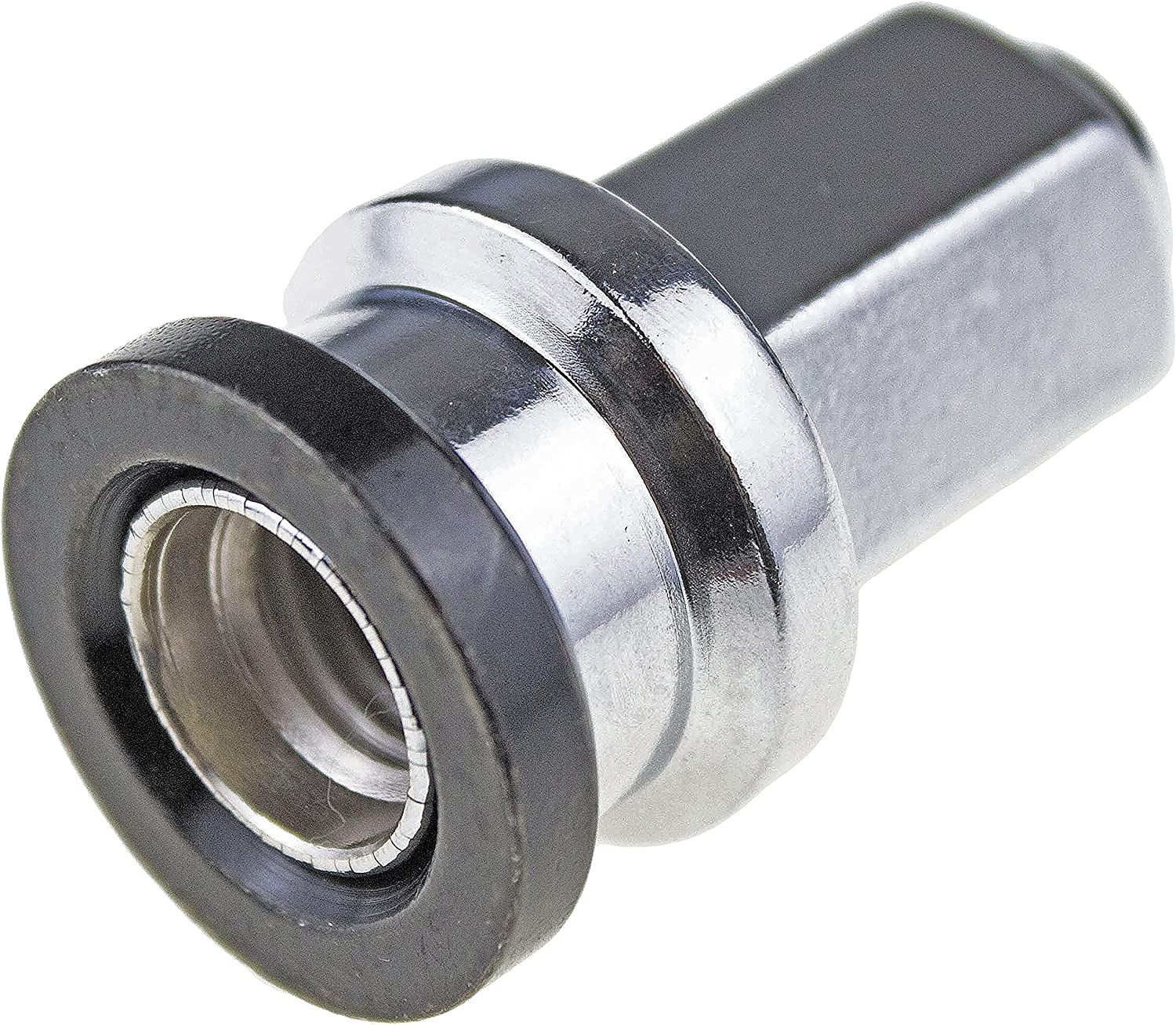
M14 x 2.00 · Thread match only; seat style is not verified
View on Amazon →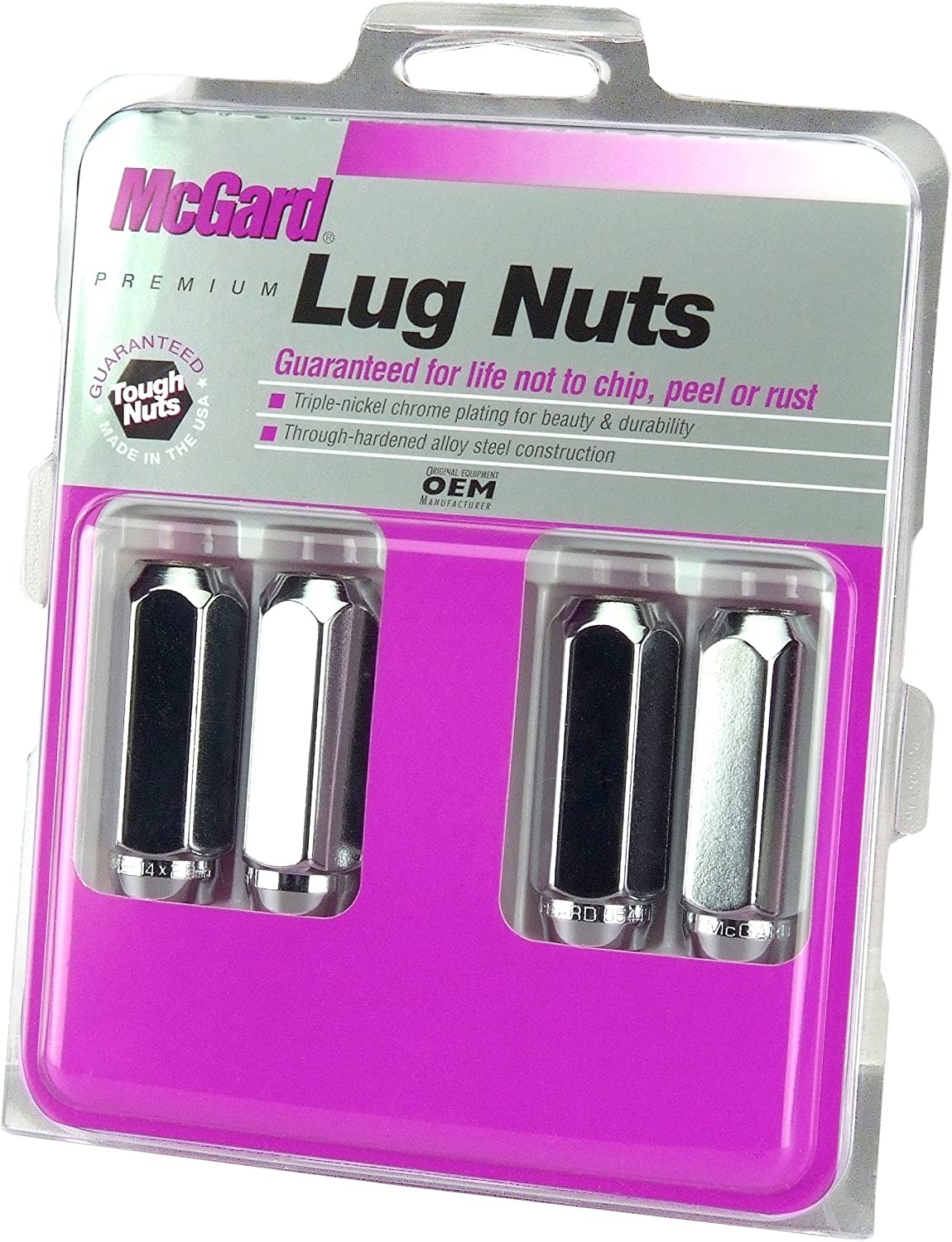
M14 x 2.00 · Thread match only; seat style is not verified
View on Amazon →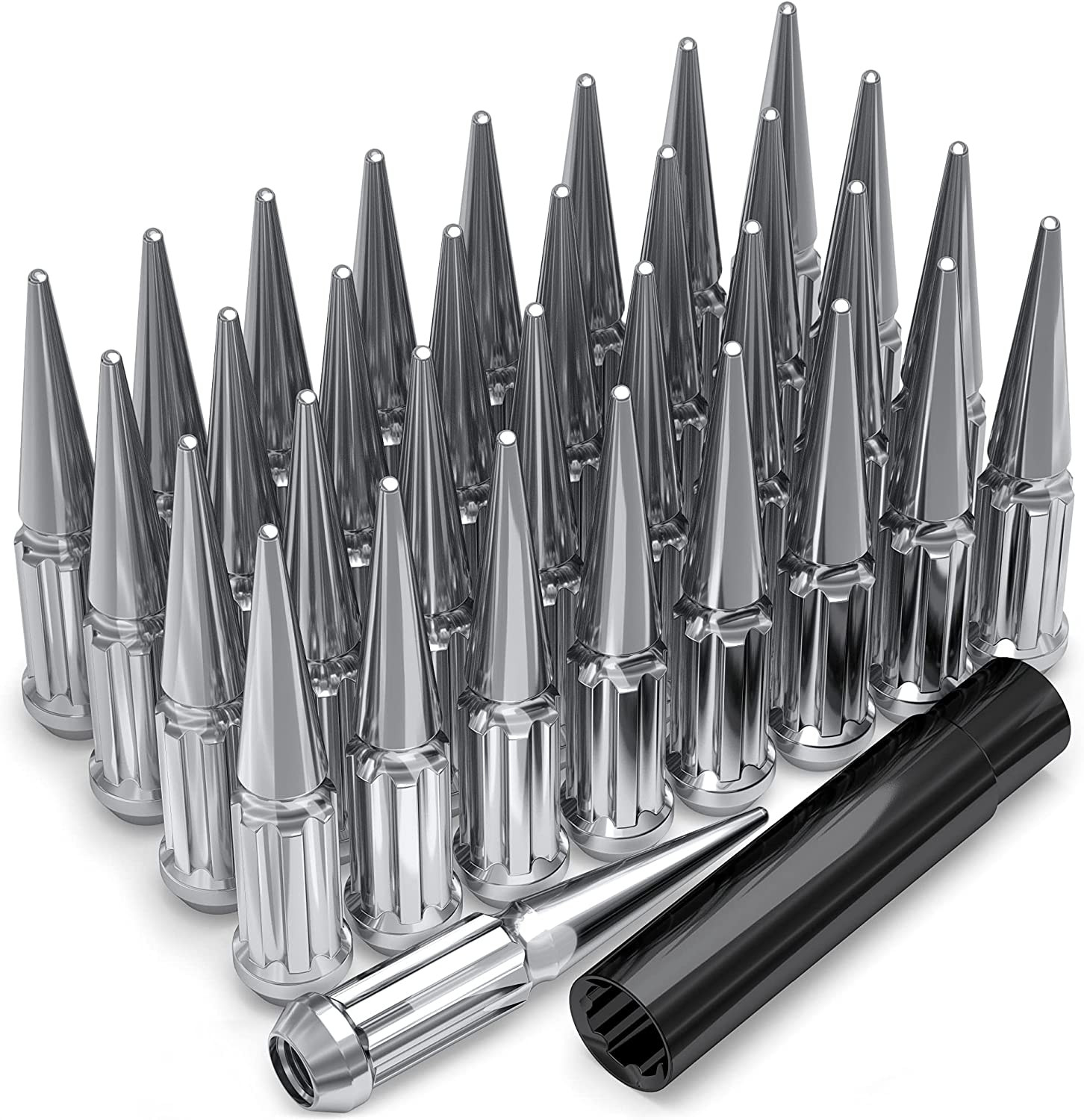
M14 x 2.00 · Thread match only; seat style is not verified
View on Amazon →As an Amazon Associate we earn from qualifying purchases. Product availability and pricing may change.
The values below reflect data provided for this specific year and model. Items marked Unknown may vary by trim, package, axle, and whether the truck is SRW or DRW. Always confirm against your door-jamb tire placard, the owner manual, and the Wheel Interchange calculator on this page before you buy.
| Bolt pattern | 8x170 |
| Center bore | 124.9 mm |
| Thread size | M14 x 2.00 |
| Rim diameter | Unknown |
| Rim width | Unknown |
| Wheel offset (ET) | Unknown |
| Backspacing | Unknown |
| Tire section width | Unknown |
| Tire aspect ratio | Unknown |
| Tire rim diameter | Unknown |
Notes:
The calculator compares a donor setup to your 2012 Ford F-350 and lets you test custom sizes. Follow these steps:
Plus sizing changes rim diameter and tire profile to keep overall diameter close to stock while improving tire options and stance. Since OEM sizes can vary by trim on the F-350, confirm your starting size from the door placard, then:
What is the bolt pattern on the 2012 Ford F-350?
8x170 as provided here. Some configurations can differ by trim and package, so always confirm on your truck before purchasing wheels.
What center bore do I need?
The hub bore is 124.9 mm. Wheels must have a bore of 124.9 mm or larger. If larger, use hub-centric rings sized to 124.9 mm for proper centering.
What is the correct wheel offset for this truck?
Offset varies by OEM wheel package and by SRW vs DRW. Since it is not provided here, verify your stock wheel specs via door placard or VIN lookup, then use the calculator to compare offsets and check inner and outer clearance.
Which tire size can I run without rubbing?
Stock sizes vary by trim. Start with the tire size on your door placard. For any change, use the calculator to keep overall diameter close to stock and check clearances at full lock and full compression.
Can I swap SRW and DRW wheels?
Not recommended. Dual rear wheel setups use specific offsets and inner dual profiles. Use wheels engineered for your configuration.
Do I need new lug nuts for aftermarket wheels?
Possibly. The thread is M14 x 2.00, but you must match the seat type required by the new wheel. Many aftermarket wheels use a 60 degree conical seat. Verify with the wheel manufacturer.
What is the lug nut torque spec?
The torque is not provided here and can vary. Use the value in your owner manual or Ford service information. Re-torque after 50 to 100 miles.
Will different rim diameters clear my brakes?
Brake clearance depends on your brake package. If downsizing diameter or changing wheel design, confirm with a physical test fit or a brake template from the wheel manufacturer.
How do I convert offset to backspacing?
Backspacing in inches is half of the overall wheel width plus offset in inches. Overall width equals nominal width plus roughly 1 inch for flanges. Offset in inches equals offset in mm divided by 25.4.
Wheel interchange depends on more than bolt pattern. Where data is available, this site compares recorded OEM values:
A normal wheel spacer does not change bolt pattern. Hub rings cannot enlarge a wheel bore that is smaller than the hub. Brake clearance and tire package fitment still require vehicle-specific checks when not confirmed in the dataset.
