2001 Ford Mustang Wheel Interchange And Fitment Guide
Known OEM Fitment For 2001 Ford Mustang
The following fitment values are the known data provided for this 2001 Ford Mustang. Confirm the exact specification for your trim, brake package, and current wheel before purchasing replacement wheels.
| Specification |
Known value |
| Bolt pattern |
5x114.3, also written as 5x4.5 |
| Center bore |
70.5 mm |
| Thread size |
M12 x 1.75 |
| Rim diameter |
17 inches |
| Rim width |
8.0 inches |
| Wheel offset |
ET30, or 30 mm positive offset |
| Backspacing |
5.18 inches |
| Listed tire section width |
205 mm |
| Listed tire aspect ratio |
65 percent |
| Listed tire rim diameter |
15 inches |
There is an apparent diameter mismatch in the supplied data: the listed rim specification is 17 x 8.0, while the listed tire size components indicate a 15-inch rim, commonly written as 205/65R15. Do not assume these values describe one complete wheel and tire assembly. Check the tire sidewall, wheel markings, vehicle door-jamb label, owner information, and Ford service documentation for the configuration installed on your Mustang.
The center bore must be large enough to clear the vehicle hub. If an aftermarket wheel has a larger center bore, correctly sized hub-centric rings may help center it, but rings do not correct an incompatible bolt pattern, offset, brake clearance, or load rating. Never use rings to make a smaller center bore fit over a larger hub.
How To Use The Wheel Interchange Calculator
Use the calculator on this page to compare a donor vehicle's wheels with the wheels installed on your 2001 Ford Mustang. Enter the donor vehicle under “Wheels from” and enter the Mustang under “Installed on.” Review the differences in rim diameter, width, offset, tire dimensions, and overall diameter.
- Start with the known Mustang values shown above, but verify any field that varies by trim or source.
- Enter the donor wheel's actual diameter, width, and offset from the wheel stamp or seller documentation.
- Enter the donor tire's section width, aspect ratio, and rim diameter from its sidewall markings.
- Use the comparison to identify changes in inner clearance, outer poke, and tire diameter.
- Try the “Custom wheel size” fields to test a proposed diameter, width, or offset.
- Use the “Custom tire size” fields to compare section width and aspect ratio.
- Remember that changing rim diameter updates the tire diameter shown in the comparison. Confirm that the selected tire is actually available for that wheel diameter.
The calculator is a screening tool, not a substitute for a physical test fit or OEM confirmation. It cannot guarantee clearance at the brake caliper, strut, steering components, fender, or suspension through the full range of motion.
Fitment Checklist Before You Buy
- Confirm the 5x114.3 bolt pattern and verify that the wheel's lug holes are designed for the correct fasteners.
- Confirm that the wheel center bore is at least 70.5 mm, or verify the correct hub-centric ring size for a larger aftermarket bore.
- Check that the wheel offset and width provide adequate inner suspension and brake clearance without excessive outer poke.
- Confirm the wheel's load rating meets or exceeds the vehicle and axle requirements.
- Verify brake-caliper clearance. A wheel with the correct bolt pattern can still fail to clear the brakes.
- Check tire diameter, section width, and sidewall clearance against the calculator and the vehicle at normal ride height.
- Inspect for clearance with the steering at full lock and with the suspension compressed. Test both sides because damaged or modified suspension can change clearance.
- Confirm that the tire speed rating, load index, construction, and condition are appropriate for the vehicle.
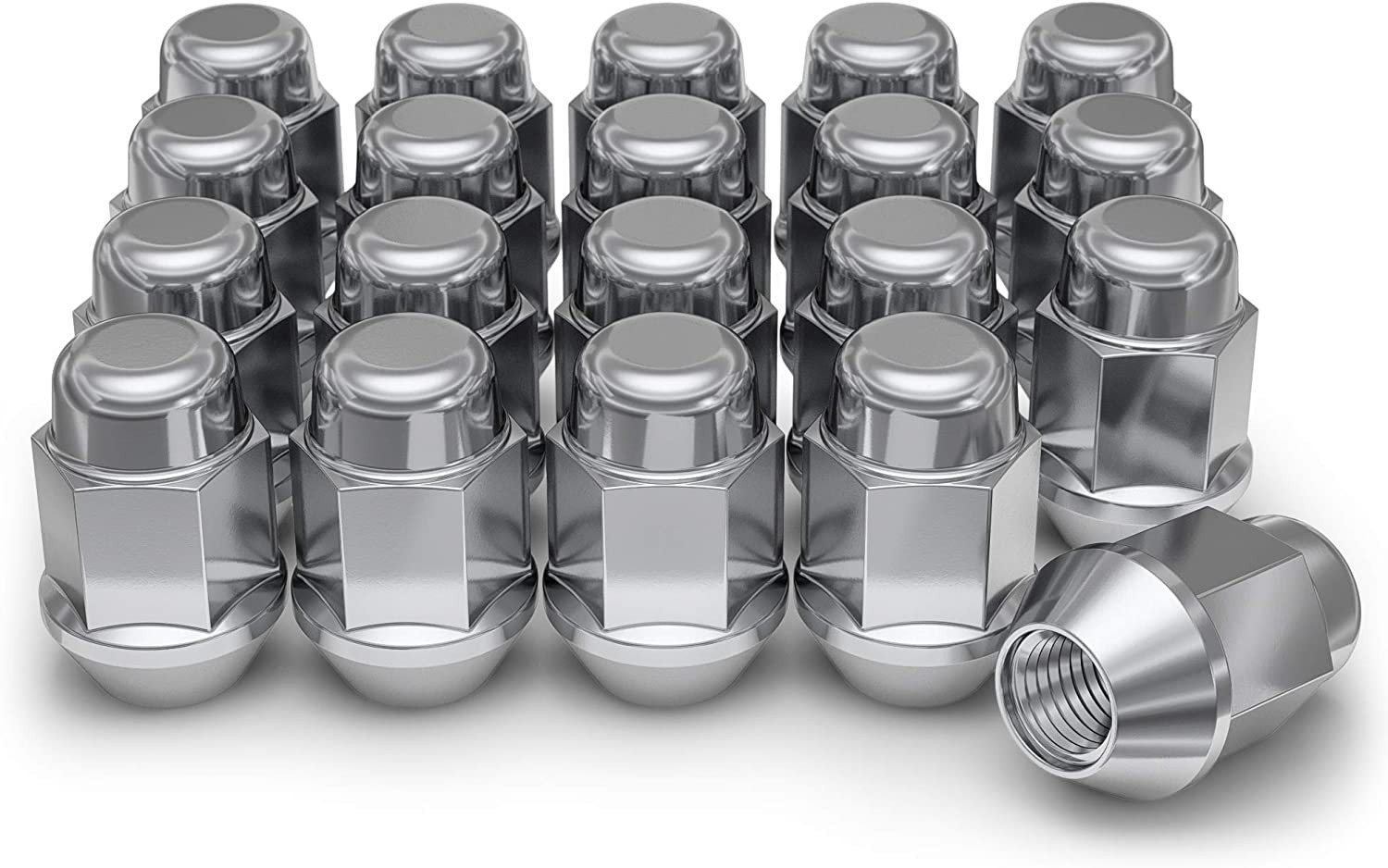
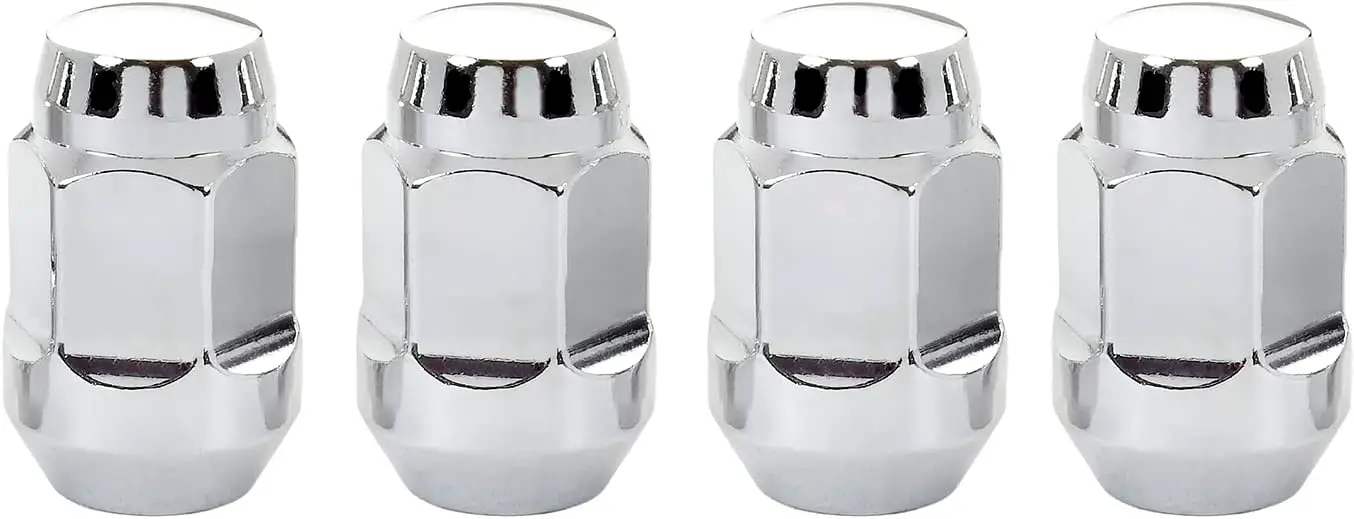
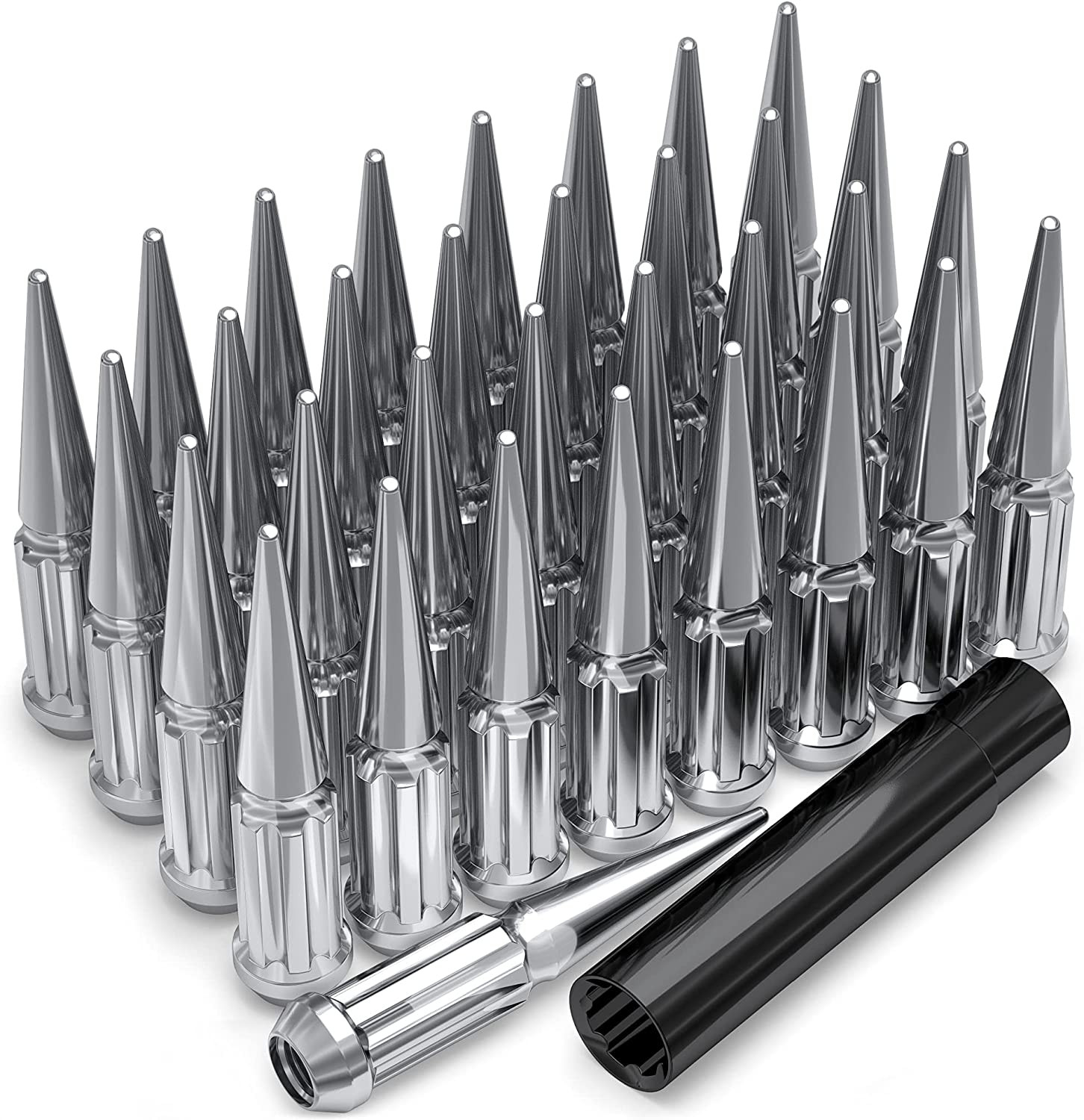
- Verify the lug-nut seat type and thread engagement. Do not reuse incompatible lug nuts simply because they fit the studs.
- Confirm TPMS requirements, if equipped, and make sure any sensors are compatible and serviced correctly.
For an OEM replacement, compare the wheel casting or stamped markings with Ford parts information, the vehicle owner's documentation, and a Ford dealer or qualified wheel supplier. Trim and brake-package differences should be resolved from vehicle-specific sources rather than guessed from the year alone.
Plus Sizing And Common Upgrades
Plus sizing generally means fitting a larger wheel diameter with a lower-profile tire so that the overall tire diameter remains close to the original. The goal is to preserve speedometer behavior, gearing, and available suspension clearance while changing wheel appearance or handling response.
The supplied records contain both a 17-inch wheel diameter and a 15-inch tire rim diameter, so a plus-size recommendation cannot be safely calculated from those values alone. Confirm the actual baseline wheel and tire assembly first. Then use the custom fields to compare candidate combinations and have the final size checked against OEM tire information.
A wider wheel or tire can improve lateral response but may increase the risk of fender, strut, steering, or inner-sidewall contact. A lower-profile tire can also provide less impact protection for the wheel. Avoid selecting a tire solely because its section width appears close to the wheel width. The tire manufacturer must approve the tire for the selected rim width.
Do not assume that a donor wheel from another vehicle will be safe because it shares 5x114.3. Center bore, offset, brake clearance, lug-seat design, wheel load rating, and tire diameter all remain important.
Installation Tips
- Clean rust, dirt, paint buildup, and debris from the hub and wheel mounting surfaces before installation.
- Make sure the wheel sits fully flush against the hub. Never use wheel spacers, washers, or stacked hardware to correct a fitment problem unless the complete system is specifically engineered and approved for the application.
- Install the correct lug nuts by hand first to avoid cross-threading the M12 x 1.75 studs.
- Tighten the lug nuts in a star or crisscross pattern while the vehicle is supported securely.
- Use the Ford service information for the exact lug-nut torque specification for the vehicle and hardware. Do not guess or substitute a generic value.
- After lowering the vehicle, torque the lug nuts with a calibrated torque wrench.
- Check for contact by turning the steering from lock to lock and inspecting the inner sidewall, wheel spokes, caliper, strut, and fender areas.
- Recheck lug-nut torque after the first short drive and again according to the wheel and vehicle manufacturer's instructions.
- After changing wheel offset, tire size, or suspension height, check alignment and inspect for uneven tire wear.
Tools And Helpful Supplies
A calibrated torque wrench, correctly sized socket, jack stands, wheel chocks, and a reliable floor jack help make installation safer. A tire-pressure gauge and tread-depth gauge are useful when evaluating used tires. A hub and wheel cleaning brush can help remove corrosion, but never remove material from the hub or wheel to force a fit.
Useful examples include a automotive torque wrench and wheel chocks and jack stands. Confirm tool sizes and ratings before use, and follow the instructions supplied with the tools.
FAQs
What is the bolt pattern for the 2001 Ford Mustang?
The known bolt pattern provided for this page is 5x114.3, also expressed as 5x4.5. Verify the wheel's actual specifications before purchase because a matching bolt pattern alone does not confirm complete fitment.
What is the center bore?
The known center bore is 70.5 mm. An aftermarket wheel may have a larger bore and use an appropriate hub-centric ring, but a smaller bore will not fit over the hub without proper machining by a qualified wheel specialist.
What lug thread size is listed?
The supplied thread size is M12 x 1.75. The lug-nut seat style and usable thread engagement must also match the wheel and studs. Confirm the correct hardware before installation.
Can any 5x114.3 wheel fit this Mustang?
No. The wheel must also clear the brakes and suspension, have a suitable offset and width, provide adequate load capacity, and use compatible lug-seat hardware. Center bore and tire dimensions must be checked as well.
Why do the listed wheel and tire diameters conflict?
The supplied fitment data lists a 17-inch rim but also lists a tire rim diameter of 15 inches. Those entries may represent different configurations or records. Check the tire sidewall and wheel markings, then confirm the correct configuration with Ford documentation or a qualified tire professional.
How can I compare a donor wheel with my Mustang?
Enter the donor vehicle under “Wheels from” and the 2001 Ford Mustang under “Installed on.” Compare diameter, width, offset, center bore, and tire dimensions. You can also enter proposed values under the custom wheel and tire fields. Treat the result as a preliminary comparison and complete a physical clearance check.
Will changing wheel diameter affect the tire comparison?
Yes. The calculator updates tire diameter when the custom rim diameter changes. The final tire must still be approved for the selected rim width and must provide safe clearance at normal ride height and through steering and suspension movement.
Where should I confirm the final OEM specification?
Check the vehicle's door-jamb tire label, owner's information, wheel markings, Ford service or parts documentation, and a Ford dealer or qualified tire and wheel professional. Use the vehicle identification number when a vehicle-specific lookup is available.