2003 Ford Mustang Wheel Fitment Guide
Known OEM Fitment For 2003 Ford Mustang
The following wheel and tire data is the known information available for the 2003 Ford Mustang on this page. Specifications can vary by trim, package, market, wheel, and braking equipment, so confirm the exact vehicle information before ordering parts.
| Specification |
Known value |
| Bolt pattern |
5x114.3 |
| Center bore |
70.5 mm |
| Thread size |
M12 x 1.75 |
| Rim diameter |
17 inches |
| Rim width |
8.0 inches |
| Wheel offset |
ET30 |
| Backspacing |
5.18 inches |
| Tire section width |
205 mm |
| Tire aspect ratio |
65 percent |
| Tire rim diameter |
15 inches |
The supplied data includes a 17-inch, 8.0-inch wheel specification and a tire rim diameter of 15 inches. Because these values may describe different fitment records rather than one original wheel and tire combination, confirm the installed size on your specific Mustang using the tire sidewall, wheel markings, vehicle documentation, and an OEM or Ford parts source.
Bolt pattern, center bore, thread size, offset, brake clearance, and load rating all matter. A wheel that shares the 5x114.3 bolt pattern may still be unsafe or unsuitable if its center bore, offset, width, fastener seat, or brake clearance is incorrect.
How To Use The Wheel Interchange Calculator
Use the calculator to compare a donor vehicle's wheels with the wheels installed on your 2003 Ford Mustang. Enter the donor vehicle in the “Wheels from” fields and enter the Mustang in the “Installed on” fields.
- Compare the donor and Mustang bolt pattern, center bore, wheel width, wheel diameter, and offset.
- Review the calculated difference in inner clearance and outer wheel position. These values help identify possible suspension, brake, fender, or body interference.
- Use the custom wheel size controls to test a specific rim diameter, width, and offset.
- Use the custom tire size controls to compare section width and aspect ratio.
- When you change rim diameter, review the updated tire diameter in the comparison. A larger rim does not automatically preserve the original overall tire diameter.
The calculator is a comparison tool, not a substitute for a physical test fit or an OEM confirmation. Confirm clearance with the suspension at normal ride height and through steering and suspension travel before driving on a new combination.
Fitment Checklist Before You Buy
- Confirm the Mustang's exact trim, brake package, and current wheel and tire size.
- Verify the wheel's 5x114.3 bolt pattern and ensure the wheel is designed for the vehicle's M12 x 1.75 fasteners.
- Check whether the 70.5 mm center bore matches the hub. A larger bore may require correctly specified hub-centric rings, while a smaller bore will not fit over the hub.
- Compare offset and backspacing, not just diameter and width. Incorrect offset can cause inner suspension contact, outer fender contact, altered steering behavior, or reduced bearing clearance.
- Confirm brake caliper, rotor, tie-rod, strut, and suspension clearance. Spoke design can affect brake clearance even when the measured wheel size appears suitable.
- Check the wheel's load rating, condition, fastener seat type, and manufacturer application guidance.
- Choose tires approved for the wheel width and vehicle load requirements. Verify section width, aspect ratio, speed rating, load index, and overall diameter.
- Inspect for tire rubbing at full steering lock and during compression. Do not rely on clearance while the vehicle is stationary at normal ride height alone.
- Confirm that the tire does not extend beyond local fender coverage requirements and that the tread remains properly protected.
Before placing an order, compare the listing's technical drawing or manufacturer specifications with the calculator results. If the listing does not clearly state offset, center bore, load rating, and fastener compatibility, ask the manufacturer or seller for confirmation.
Plus Sizing And Common Upgrades
Plus sizing usually means fitting a larger wheel diameter with a lower-profile tire while attempting to keep the tire's overall diameter close to the original. The purpose is often improved appearance or steering response, but the result depends on the exact wheel, tire, offset, and suspension setup.
Use the custom wheel and tire fields to compare proposed sizes rather than assuming that any 17-inch wheel or any 5x114.3 wheel will fit. Changing width or offset changes the wheel's position relative to the strut, suspension, brake components, and fender. Changing tire section width can create additional sidewall or tread interference.
A lower-profile tire may provide less impact protection and can make wheel damage more likely on potholes. A wider or heavier wheel and tire may also affect steering effort, acceleration, braking feel, fuel economy, and suspension component loads. Maintain adequate load and speed ratings and confirm the finished diameter with the calculator and an OEM or tire manufacturer source.
Installation Tips
- Inspect the hub face and wheel mounting surface. Remove rust, dirt, paint buildup, and debris that could prevent the wheel from seating flush.
- Test-fit one wheel by hand before mounting all four. Check hub fit, fastener engagement, brake clearance, inner clearance, and outer clearance.
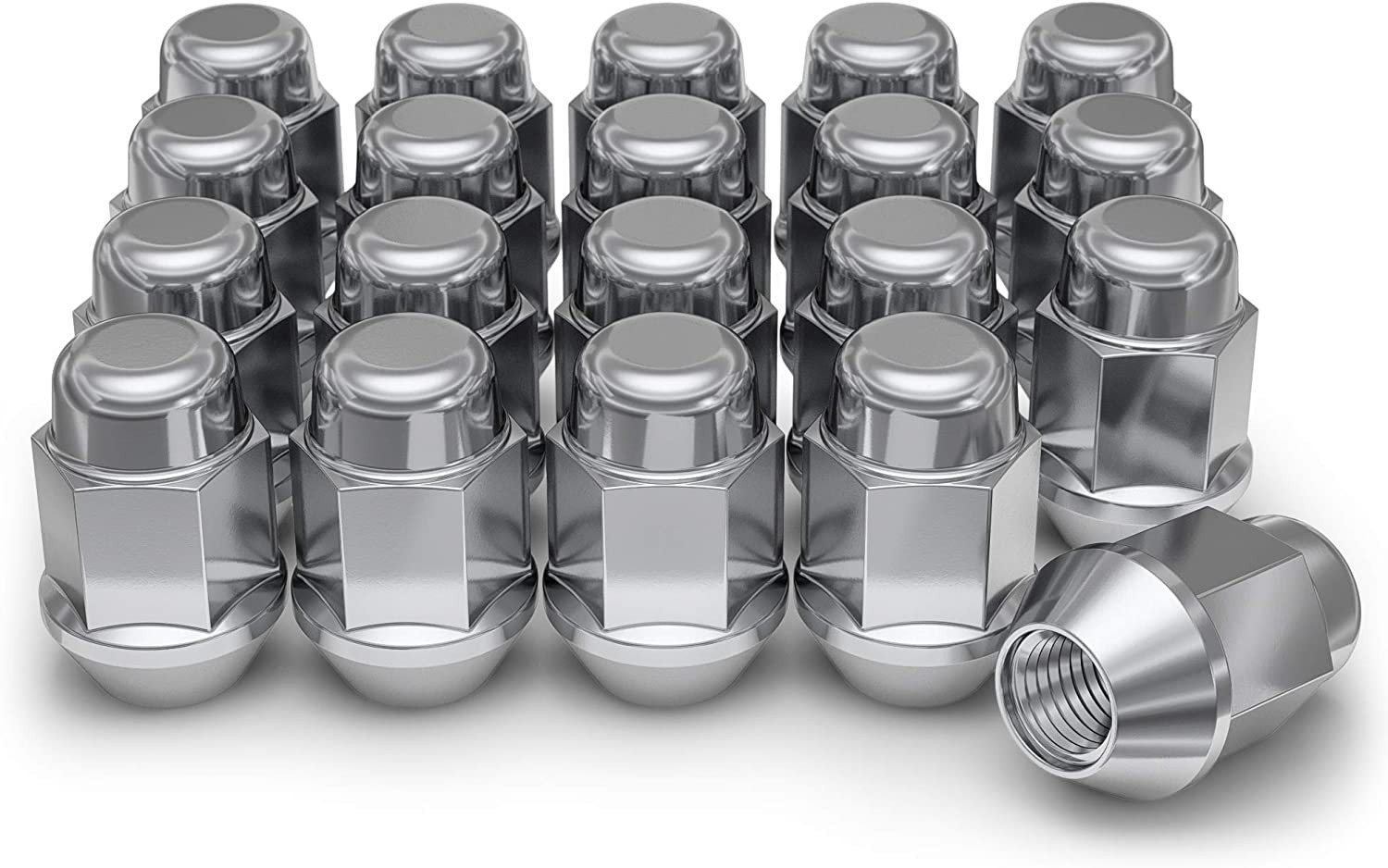
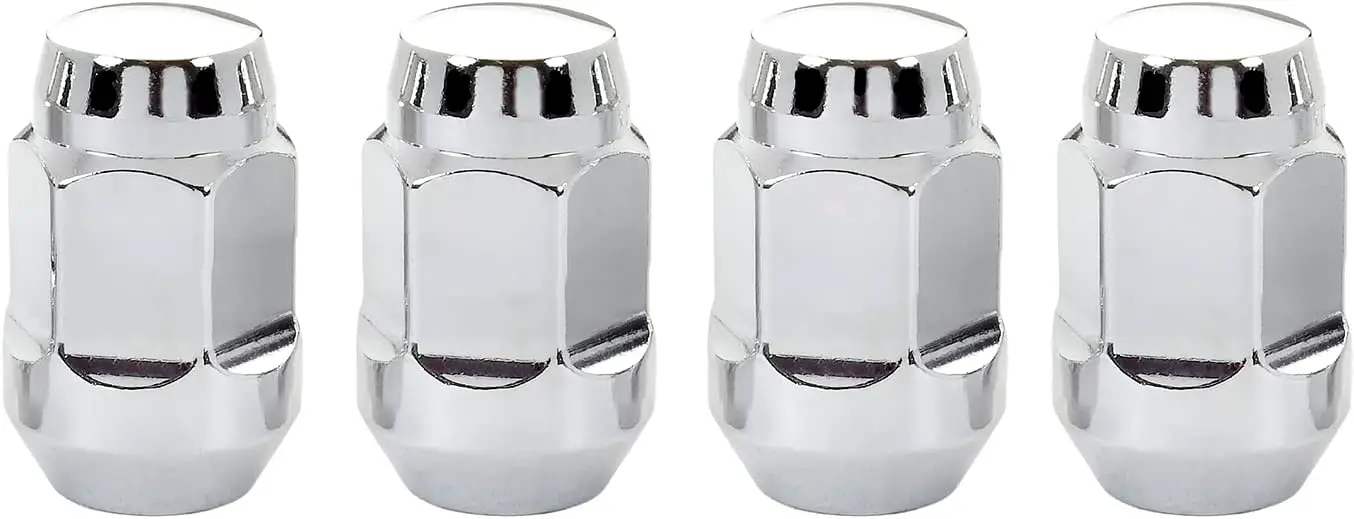
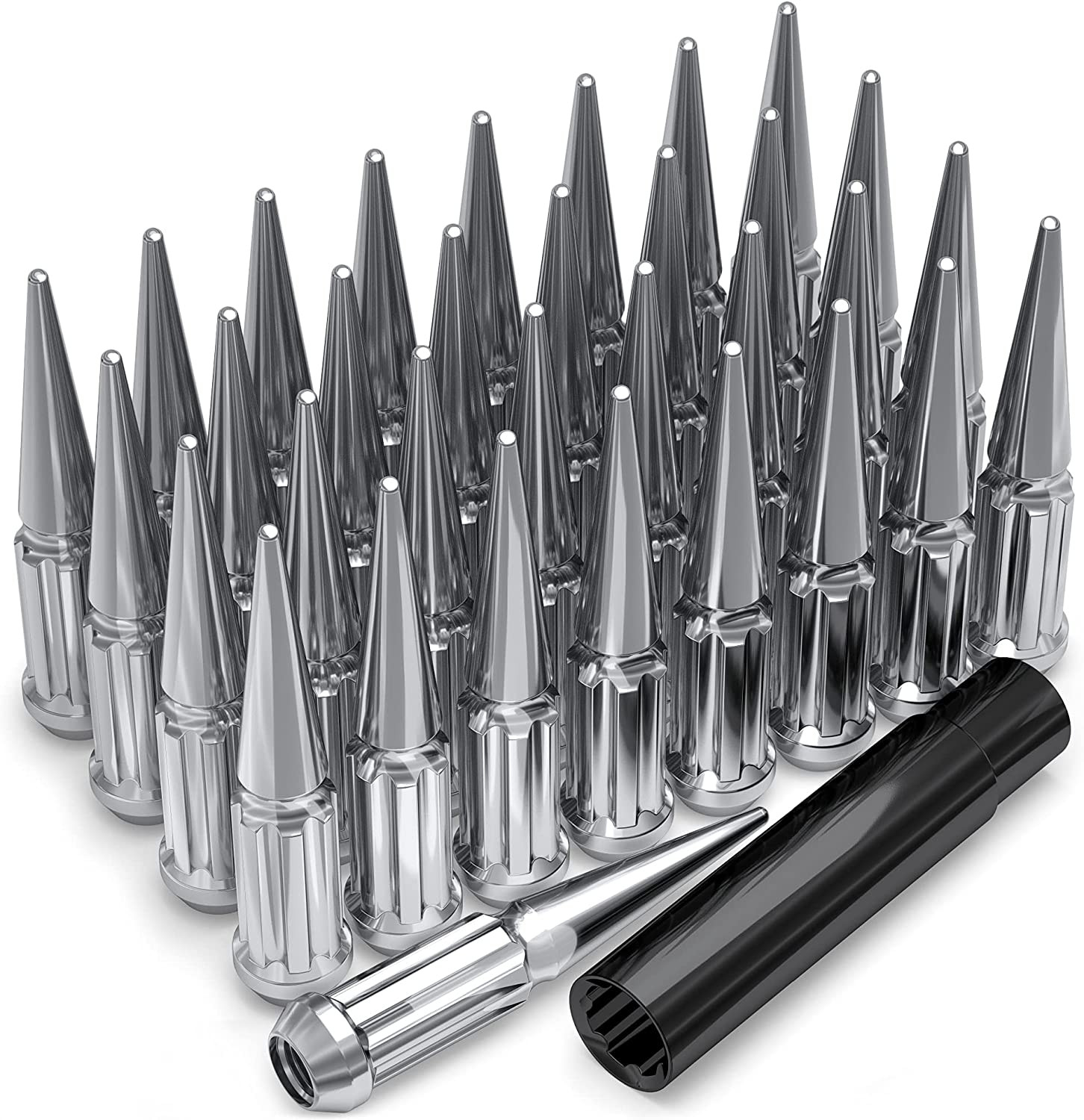
- Use only the correct lug nuts for the wheel's specified seat type and the vehicle's M12 x 1.75 thread. Do not force incompatible conical, ball-seat, or shank-style hardware.
- Start all fasteners by hand to avoid cross-threading. Tighten them in a star or crisscross pattern.
- Torque the lug nuts to the vehicle or wheel manufacturer's specified value using a calibrated torque wrench. If the values conflict, obtain clarification from the relevant manufacturer before driving.
- After installation, rotate each wheel by hand and check for contact. Lower the vehicle, check steering clearance at both directions, and perform a short low-speed test.
- Recheck lug torque after the first short drive and again according to the wheel manufacturer's instructions. Stop immediately if you feel vibration, rubbing, pulling, or unusual noise.
Tools And Helpful Supplies
Useful equipment for a careful wheel installation includes a calibrated torque wrench, jack and jack stands rated for the vehicle, wheel chocks, a socket that matches the lug nuts, a tire pressure gauge, and a tread-depth or clearance measuring tool.
- Automotive torque wrench for final lug nut tightening.
- Automotive wheel chocks to help prevent vehicle movement during lifting.
- Wire brush or suitable hub-cleaning tool for removing corrosion from the mounting face.
- Caliper or ruler for checking hub bore, wheel width, and clearance measurements.
- Paint marker or masking tape for identifying test-fit contact points.
Never work under a vehicle supported only by a jack. Use level ground, engage the parking brake when appropriate, chock the wheels, and support the vehicle at approved lift points.
FAQs
What is the bolt pattern for a 2003 Ford Mustang?
The known bolt pattern for this page is 5x114.3. Confirm the exact vehicle and wheel application before purchase because bolt pattern alone does not establish complete fitment.
What is the center bore listed for the 2003 Ford Mustang?
The supplied center bore is 70.5 mm. Check the wheel manufacturer's stated bore and the vehicle hub measurement. A wheel bore that is too small will not install, and a larger bore may need correctly sized hub-centric rings if the wheel manufacturer permits them.
What wheel offset is listed for this Mustang?
The known wheel offset is ET30. Offset must be evaluated together with wheel width, tire width, brake clearance, suspension clearance, and fender clearance.
Can any 5x114.3 wheel fit a 2003 Ford Mustang?
No. The wheel must also have suitable center bore, offset, width, diameter, load rating, brake clearance, fastener seat, and thread engagement. Use the wheel interchange calculator, then physically verify the installation.
Why does the page show a 17-inch rim specification and a 15-inch tire rim diameter?
Those values are both part of the supplied fitment data, but they may represent different fitment records rather than one matched original wheel and tire package. Check the tire sidewall, wheel markings, vehicle documentation, and OEM sources to identify the size currently intended for your exact Mustang.
How do I compare a donor wheel with my Mustang?
Enter the donor vehicle under “Wheels from” and the Mustang under “Installed on.” Review bolt pattern, center bore, width, diameter, offset, and the calculated inner and outer clearance differences. Then test the exact custom wheel and tire dimensions you plan to use.
Do I need to change the tire when installing a different rim diameter?
A tire must match the rim diameter. When the rim diameter changes, select a compatible tire and use the calculator to review the resulting overall tire diameter. The calculator updates tire diameter when the rim diameter is changed, but final compatibility still requires tire manufacturer and vehicle confirmation.
What should I do if the calculator and a seller's listing disagree?
Pause the purchase and verify the wheel's technical specifications with the manufacturer, Ford documentation, and the vehicle itself. Do not assume the listing is correct or use spacers, adapters, or different lug nuts to solve an unknown fitment problem without qualified technical guidance.