2002 Ford Mustang Wheel Fitment Guide
Use this guide to compare wheel and tire measurements for a 2002 Ford Mustang. The specifications below are the known values supplied for this vehicle and may represent only part of the available OEM fitment information. Trim, package, brake, suspension, and market differences can affect compatibility, so confirm measurements with the vehicle, the owner’s manual, and Ford or wheel manufacturer documentation before purchasing.
Known OEM Fitment For 2002 Ford Mustang
The following specifications are provided for reference. They should not be treated as a complete compatible-wheel list.
| Specification |
Known value |
Fitment note |
| Bolt pattern |
5x114.3 |
Five studs on a 114.3 mm pitch circle diameter. |
| Center bore |
70.5 mm |
A wheel bore smaller than the hub cannot be installed. A larger bore may require correctly sized hub-centric rings where appropriate. |
| Thread size |
M12 x 1.75 |
Confirm the fastener seat type and required nut specification before installation. |
| Rim diameter |
17 in |
Supplied OEM fitment value. Confirm clearance around the brake assembly. |
| Rim width |
8.0 in |
Supplied OEM fitment value. Tire approval must also match the wheel width. |
| Wheel offset |
ET30 |
Offset affects inner suspension clearance and outer fender position. |
| Backspacing |
5.18 in |
Compare this measurement with the replacement wheel’s published backspacing. |
| Tire section width |
205 mm |
Supplied tire data. Actual approved tire sizes can vary by wheel and vehicle configuration. |
| Tire aspect ratio |
65% |
Verify the complete tire size on the sidewall and vehicle label. |
| Tire rim diameter |
15 in |
This supplied tire diameter conflicts with the supplied 17-inch rim diameter. Do not mount a 15-inch tire on a 17-inch wheel. Confirm the original tire and wheel markings before ordering. |
The supplied 8-inch width, ET30 offset, and 5.18-inch backspacing are internally consistent as approximate measurements, but every replacement wheel still requires a physical clearance check. The supplied 15-inch tire rim diameter and 17-inch rim diameter are not a mountable combination, so verify whether they describe different configurations or a source-data mismatch.
How To Use The Wheel Interchange Calculator
Start with the calculator’s “Wheels from” fields to enter or select the donor vehicle. Enter the donor wheel diameter, width, and offset, then enter its tire section width and aspect ratio when available. Use “Installed on” for the 2002 Ford Mustang and compare the measurements rather than relying only on a vehicle name or bolt pattern.
Use the custom wheel size controls when the donor wheel is not an exact match. Adjust rim diameter, rim width, and offset to model the proposed wheel. You can also adjust tire section width and aspect ratio. Changing rim diameter updates the tire diameter in the comparison, which helps identify changes in overall height and speedometer-related behavior.
Because the supplied information includes a 17-inch wheel value and a 15-inch tire rim value, enter the actual markings from the wheel and tire you intend to use. Treat the calculator as a measurement and comparison tool, not as a substitute for brake, suspension, fender, and tire-manufacturer clearance checks.
Fitment Checklist Before You Buy
Confirm the complete wheel and tire combination before placing an order. A matching bolt pattern alone does not prove that a wheel is safe or compatible.
- Verify the 5x114.3 bolt pattern, wheel center bore, wheel diameter, width, and offset from the wheel manufacturer.
- Confirm that the wheel bore is compatible with the 70.5 mm hub specification and that any hub-centric ring is correctly sized and rated.
- Check inner clearance to brake calipers, struts, steering components, and suspension parts at full steering lock and through suspension travel.
- Check outer clearance to the fender, liner, and bodywork. Do not assume that a listed offset will clear every trim or suspension setup.
- Use a tire approved for the selected rim diameter and width. A 15-inch tire cannot be fitted to a 17-inch wheel.
- Compare the proposed tire’s load index, speed rating, overall diameter, and manufacturer-approved rim-width range with OEM requirements.
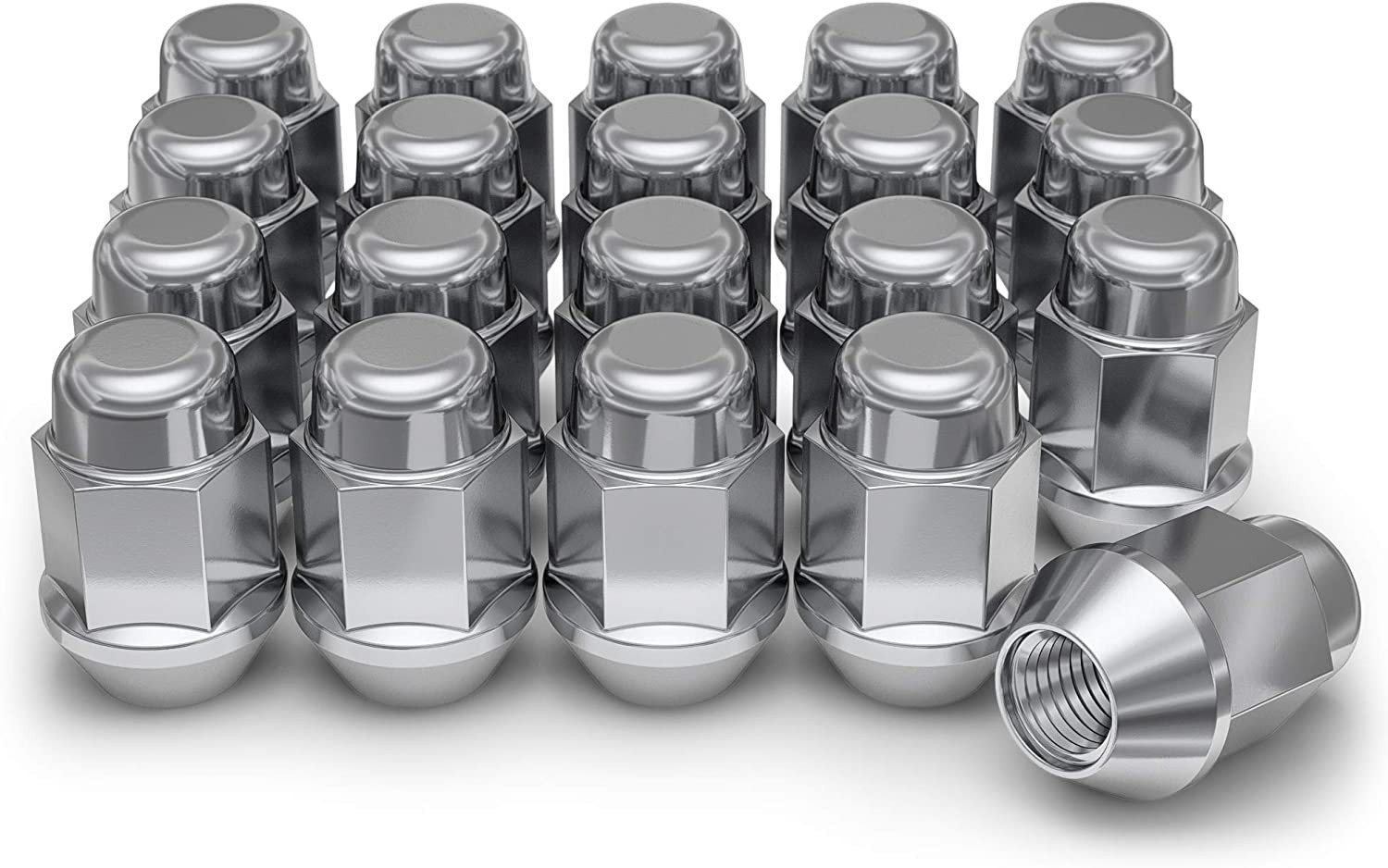
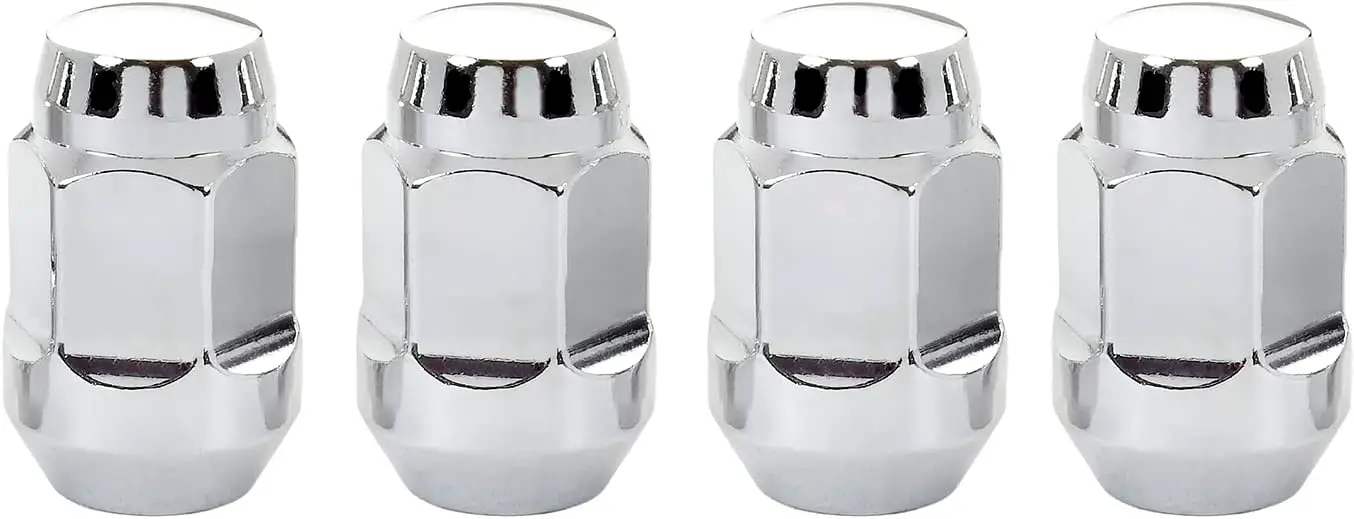
- Confirm the fastener thread size, seat style, shank dimensions if applicable, and tightening procedure.
- Ask a tire professional or qualified technician to inspect the fit if any measurement, trim detail, or clearance is uncertain.
Plus Sizing And Common Upgrades
Plus sizing generally means using a larger wheel diameter with a lower-profile tire to maintain a similar overall tire diameter. It can change steering response, ride comfort, road noise, wheel damage risk, and the accuracy of vehicle systems that depend on wheel speed. The calculator can show how a custom rim diameter changes the comparison, but it does not establish legal, load, brake, or body clearance approval.
Increasing wheel width or changing offset can move the inner tire sidewall closer to suspension components or move the outer sidewall closer to the fender. Lowering springs, spacers, nonstandard brakes, and other modifications can further change clearance. Confirm the final combination with manufacturer data and a physical test fit before driving.
Do not select a tire solely because its section width appears similar. The complete tire size must match the selected rim diameter, fit the wheel’s approved width range, carry the required load, and provide adequate clearance.
Installation Tips
Clean the hub mounting face and wheel mating surface before installation. Remove rust, paint buildup, dirt, and debris that could prevent the wheel from sitting flat. Never use loose washers or improvised spacers to correct a fitment problem.
Install the correct fasteners by hand first to avoid cross-threading. Tighten them in a star or crisscross pattern, lower the vehicle until the tire is just touching the ground, and torque the fasteners to the vehicle or wheel manufacturer’s specification. The correct torque value is not provided here and must be confirmed from an OEM or manufacturer source.
After installation, rotate each wheel by hand where practical and check for contact. Turn the steering from lock to lock, inspect clearance, and check again after the suspension is loaded. Recheck fastener torque after the manufacturer’s recommended initial driving interval. Stop driving if you notice rubbing, vibration, steering pull, loose fasteners, or tire damage.
Tools And Helpful Supplies
A reliable torque wrench, suitable socket, jack and properly rated jack stands, a tape measure, and a tread-depth or tire-pressure gauge are useful for a careful fitment check. Use the vehicle’s approved lifting points and never work beneath a vehicle supported only by a jack.
Shop automotive torque wrenches on Amazon or shop digital tire pressure gauges on Amazon. These links are provided as general tool-search resources; confirm the tool’s range, accuracy, and suitability for your vehicle before use.
FAQs
What is the bolt pattern for the 2002 Ford Mustang?
The supplied bolt pattern is 5x114.3. Verify the wheel listing and physically confirm the vehicle before purchase, since bolt pattern alone does not confirm complete fitment.
What center bore is listed for this vehicle?
The supplied center bore is 70.5 mm. A smaller wheel bore will not fit over the hub. A larger bore may need a correctly sized hub-centric ring, subject to the wheel manufacturer’s instructions.
Can I use a 15-inch tire with the listed 17-inch wheel?
No. The tire’s rim diameter must match the wheel diameter. The supplied data lists a 15-inch tire rim diameter and a 17-inch rim diameter, so those entries should be verified before ordering.
Does a 5x114.3 wheel automatically fit this Mustang?
No. You must also check center bore, offset, width, brake clearance, suspension clearance, fender clearance, fastener compatibility, tire size, and load rating.
How does the calculator compare donor wheels?
Enter the donor vehicle under “Wheels from” and the Mustang under “Installed on.” The calculator compares wheel diameter, width, offset, and tire measurements. Custom wheel and tire fields let you model a proposed setup, and changing rim diameter updates the tire diameter comparison.
Is ET30 the same as 5.18-inch backspacing for an 8-inch wheel?
The supplied values correspond approximately, but published wheel measurements can be rounded and measured differently. Use the wheel manufacturer’s stated offset and backspacing, then confirm physical clearance on the vehicle.
What thread size is listed?
The supplied thread size is M12 x 1.75. Confirm the required lug-nut seat style, nut dimensions, and torque specification using Ford or wheel manufacturer documentation before installation.
Where can I confirm trim-specific or package-specific fitment?
Check the vehicle’s tire and loading information label, owner’s manual, Ford service or parts documentation, and the wheel and tire manufacturers’ technical data. If the calculator and an OEM source differ, do not proceed until the discrepancy is resolved.