2002 GMC Sierra 1500 Wheel Interchange

OEM wheel and tire fitment specs for the 2002 GMC Sierra 1500, including bolt pattern (PCD), center bore diameter, thread size, rim diameter, rim width, wheel offset, and backspacing.

2002 GMC Sierra 1500 Fitment Specs

Baseline mounting dimensions used for interchange decisions.

Bolt Pattern6x139.7
Center Bore78.1 mm
Lug ThreadM14 x 1.5
OEM Wheel Sizes16" – 18"
OEM Widths6.5" – 8"
OEM Offset Range25 mm – 31 mm

Multiple OEM configurations exist for this vehicle. Fitment can vary by trim, brakes, and factory wheel package – confirm your exact setup before buying.

Wheels That Interchange With a 2002 GMC Sierra 1500

Results are evaluated from bolt pattern, center bore direction, OEM width/offset envelope, and lug hardware – not bolt pattern alone.

Direct Fit

  • Bolt pattern6x139.7 · Match
  • Center bore78.1 mm · Match
  • Wheel geometryCompatible with OEM envelope

Geometry within known OEM envelope (approx. outer change -0.17 mm, inner change -6.18 mm vs mid OEM).

  • Bolt pattern6x139.7 · Match
  • Center bore78.1 mm · Match
  • Wheel geometryCompatible with OEM envelope

Geometry within known OEM envelope (approx. outer change -0.17 mm, inner change -6.18 mm vs mid OEM).

  • Bolt pattern6x139.7 · Match
  • Center bore78.1 mm · Match
  • Wheel geometryCompatible with OEM envelope

Geometry within known OEM envelope (approx. outer change -0.17 mm, inner change -6.18 mm vs mid OEM).

  • Bolt pattern6x139.7 · Match
  • Center bore78.1 mm · Match
  • Wheel geometryCompatible with OEM envelope

Geometry within known OEM envelope (approx. outer change -0.17 mm, inner change -6.18 mm vs mid OEM).

  • Bolt pattern6x139.7 · Match
  • Center bore78.1 mm · Match
  • Wheel geometryCompatible with OEM envelope

Geometry within known OEM envelope (approx. outer change -0.17 mm, inner change -6.18 mm vs mid OEM).

  • Bolt pattern6x139.7 · Match
  • Center bore78.1 mm · Match
  • Wheel geometryCompatible with OEM envelope

Geometry within known OEM envelope (approx. outer change -0.17 mm, inner change -6.18 mm vs mid OEM).

  • Bolt pattern6x139.7 · Match
  • Center bore78.1 mm · Match
  • Wheel geometryCompatible with OEM envelope

Geometry within known OEM envelope (approx. outer change -0.17 mm, inner change -6.18 mm vs mid OEM).

  • Bolt pattern6x139.7 · Match
  • Center bore78.1 mm · Match
  • Wheel geometryCompatible with OEM envelope

Geometry within known OEM envelope (approx. outer change 0.17 mm, inner change 6.18 mm vs mid OEM).

  • Bolt pattern6x139.7 · Match
  • Center bore78.1 mm · Match
  • Wheel geometryCompatible with OEM envelope

Geometry within known OEM envelope (approx. outer change -1.17 mm, inner change -5.18 mm vs mid OEM).

  • Bolt pattern6x139.7 · Match
  • Center bore78.1 mm · Match
  • Wheel geometryCompatible with OEM envelope

Geometry within known OEM envelope (approx. outer change 0.17 mm, inner change 6.18 mm vs mid OEM).

  • Bolt pattern6x139.7 · Match
  • Center bore78.1 mm · Match
  • Wheel geometryCompatible with OEM envelope

Geometry within known OEM envelope (approx. outer change 0.17 mm, inner change 6.18 mm vs mid OEM).

  • Bolt pattern6x139.7 · Match
  • Center bore78.1 mm · Match
  • Wheel geometryCompatible with OEM envelope

Geometry within known OEM envelope (approx. outer change -1.17 mm, inner change -5.18 mm vs mid OEM).

  • Bolt pattern6x139.7 · Match
  • Center bore78.1 mm · Match
  • Wheel geometryCompatible with OEM envelope

Geometry within known OEM envelope (approx. outer change 0.17 mm, inner change 6.18 mm vs mid OEM).

  • Bolt pattern6x139.7 · Match
  • Center bore78.1 mm · Match
  • Wheel geometryCompatible with OEM envelope

Geometry within known OEM envelope (approx. outer change 0.17 mm, inner change 6.18 mm vs mid OEM).

  • Bolt pattern6x139.7 · Match
  • Center bore78.1 mm · Match
  • Wheel geometryCompatible with OEM envelope

Geometry within known OEM envelope (approx. outer change -1.17 mm, inner change -5.18 mm vs mid OEM).

  • Bolt pattern6x139.7 · Match
  • Center bore78.1 mm · Match
  • Wheel geometryCompatible with OEM envelope

Geometry within known OEM envelope (approx. outer change -0.17 mm, inner change -6.18 mm vs mid OEM).

  • Bolt pattern6x139.7 · Match
  • Center bore78.1 mm · Match
  • Wheel geometryCompatible with OEM envelope

Geometry within known OEM envelope (approx. outer change -0.17 mm, inner change -6.18 mm vs mid OEM).

  • Bolt pattern6x139.7 · Match
  • Center bore78.1 mm · Match
  • Wheel geometryCompatible with OEM envelope

Geometry within known OEM envelope (approx. outer change -0.17 mm, inner change -6.18 mm vs mid OEM).

  • Bolt pattern6x139.7 · Match
  • Center bore78.1 mm · Match
  • Wheel geometryCompatible with OEM envelope

Geometry within known OEM envelope (approx. outer change -0.17 mm, inner change -6.18 mm vs mid OEM).

  • Bolt pattern6x139.7 · Match
  • Center bore78.1 mm · Match
  • Wheel geometryCompatible with OEM envelope

Geometry within known OEM envelope (approx. outer change -0.17 mm, inner change -6.18 mm vs mid OEM).

  • Bolt pattern6x139.7 · Match
  • Center bore78.1 mm · Match
  • Wheel geometryCompatible with OEM envelope

Geometry within known OEM envelope (approx. outer change -0.17 mm, inner change -6.18 mm vs mid OEM).

  • Bolt pattern6x139.7 · Match
  • Center bore78.1 mm · Match
  • Wheel geometryCompatible with OEM envelope

Geometry within known OEM envelope (approx. outer change 13.52 mm, inner change 5.52 mm vs mid OEM).

2021 GMC Yukon

Direct Fit
  • Bolt pattern6x139.7 · Match
  • Center bore78.1 mm · Match
  • Wheel geometryCompatible with OEM envelope

Geometry within known OEM envelope (approx. outer change 11.52 mm, inner change 7.52 mm vs mid OEM).

2022 GMC Yukon

Direct Fit
  • Bolt pattern6x139.7 · Match
  • Center bore78.1 mm · Match
  • Wheel geometryCompatible with OEM envelope

Geometry within known OEM envelope (approx. outer change 5.18 mm, inner change 1.17 mm vs mid OEM).

Showing 24 of 56 evaluated donors. Same-model years are prioritized.

GMC Sierra 1500 Years With Compatible Wheels

Only years with evidence-based interchange relationships are listed. Adjacent years are not assumed compatible.

Will Wheels From Another Vehicle Fit?

Compare a donor vehicle or custom wheel against this 2002 GMC Sierra 1500.

Compare

Compare wheel compatibility between two vehicles

Wheels from (donor vehicle)

Installed on (your vehicle)

Selected Car:

2002 GMC Sierra 1500

Compare Rims

Specification
Wheels from
Installed on
Result (Click it)
Bolt Pattern
Bolt Pattern
The total number of bolt holes and the diameter of the circle they form.
-
6x139.7
Center Bore
Center Bore
The hole in the center of the wheel that fits over the vehicle’s hub.
-
78.1 mm
Thread Size
Thread Size
The size and spacing of the threads on the bolts or nuts that hold the wheel in place.
-
M14 x 1.5
Rim Diameter
Rim Diameter
The wheel diameter in inches that determines which tire sizes will fit.
-
16"
Rim Width
Rim Width
The distance between the inner edges of the wheel is measured in inches.
-
7.0"
Wheel Offset
Wheel Offset
How far the wheel sits inward or outward relative to the hub mounting surface.
-
31 mm
Backspacing
Backspacing
Shows how much space the wheel takes up toward the inside of the vehicle.
-
-
Wheel Fasteners
Wheel Fasteners
The type of hardware used to secure the wheel to the vehicle.
-
-

Wheel Fitment Parts for the 2002 GMC Sierra 1500

Products below are matched to required fitment dimensions from our parts inventory. Confirm seat style, thickness, and clearance before ordering.

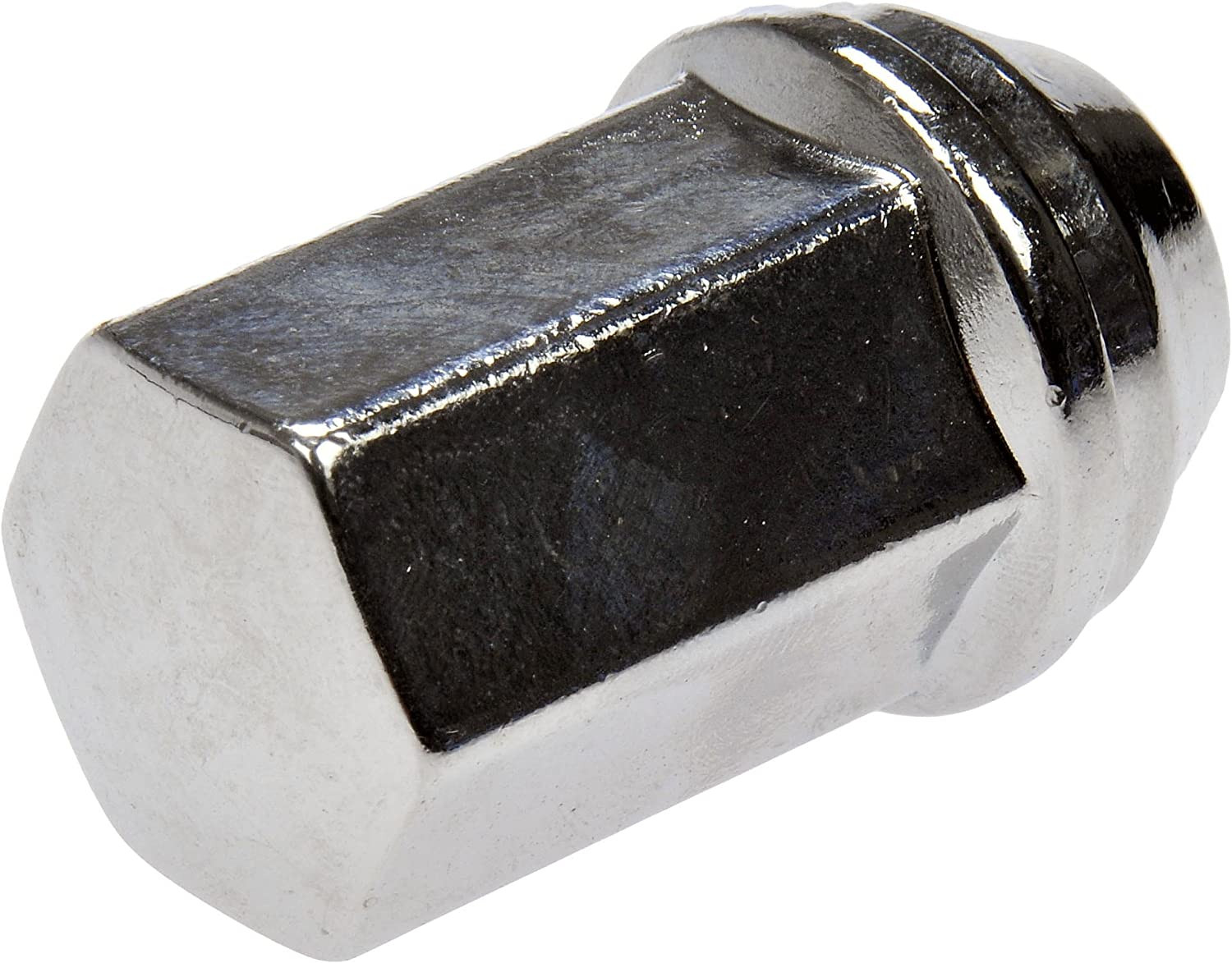
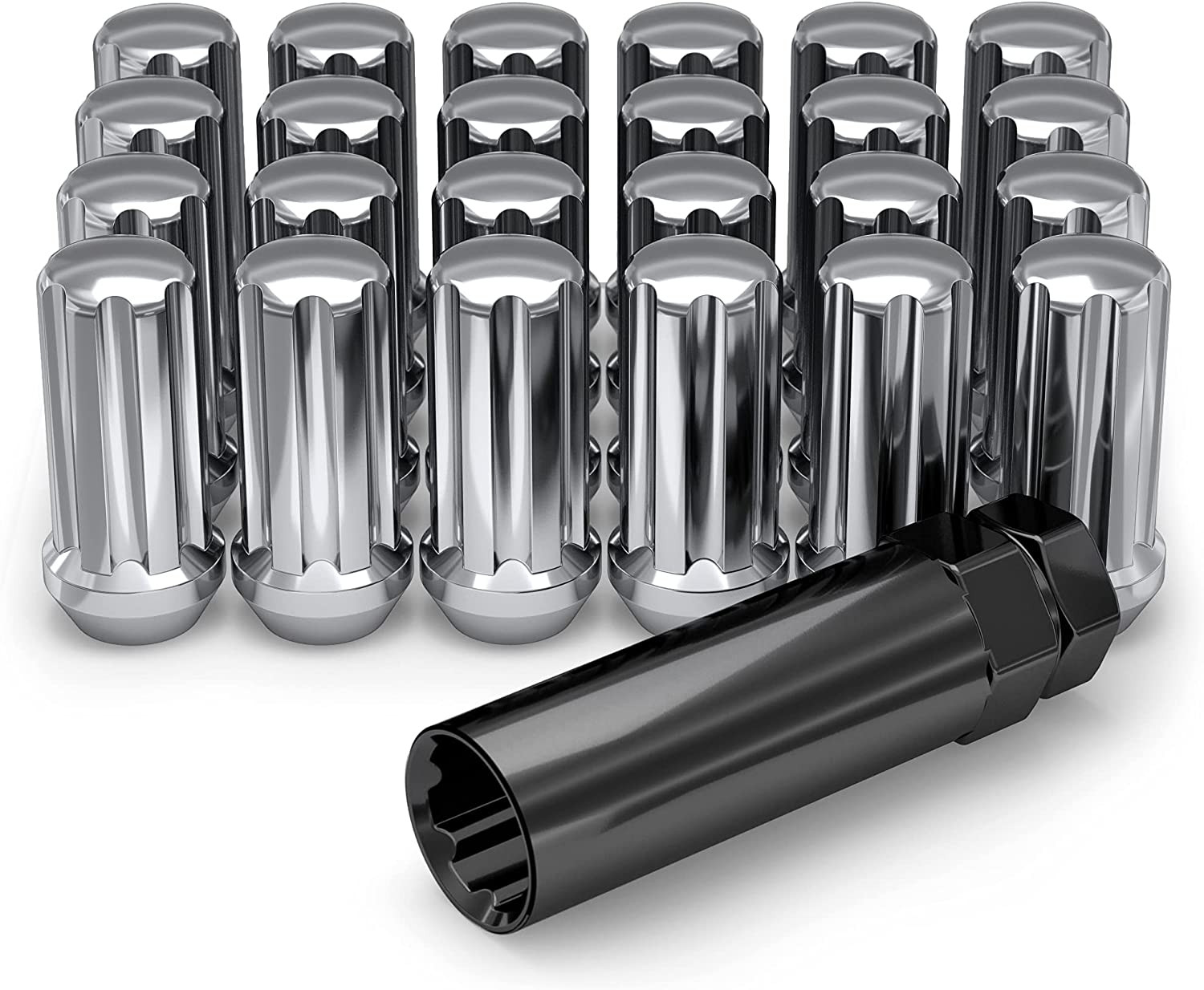
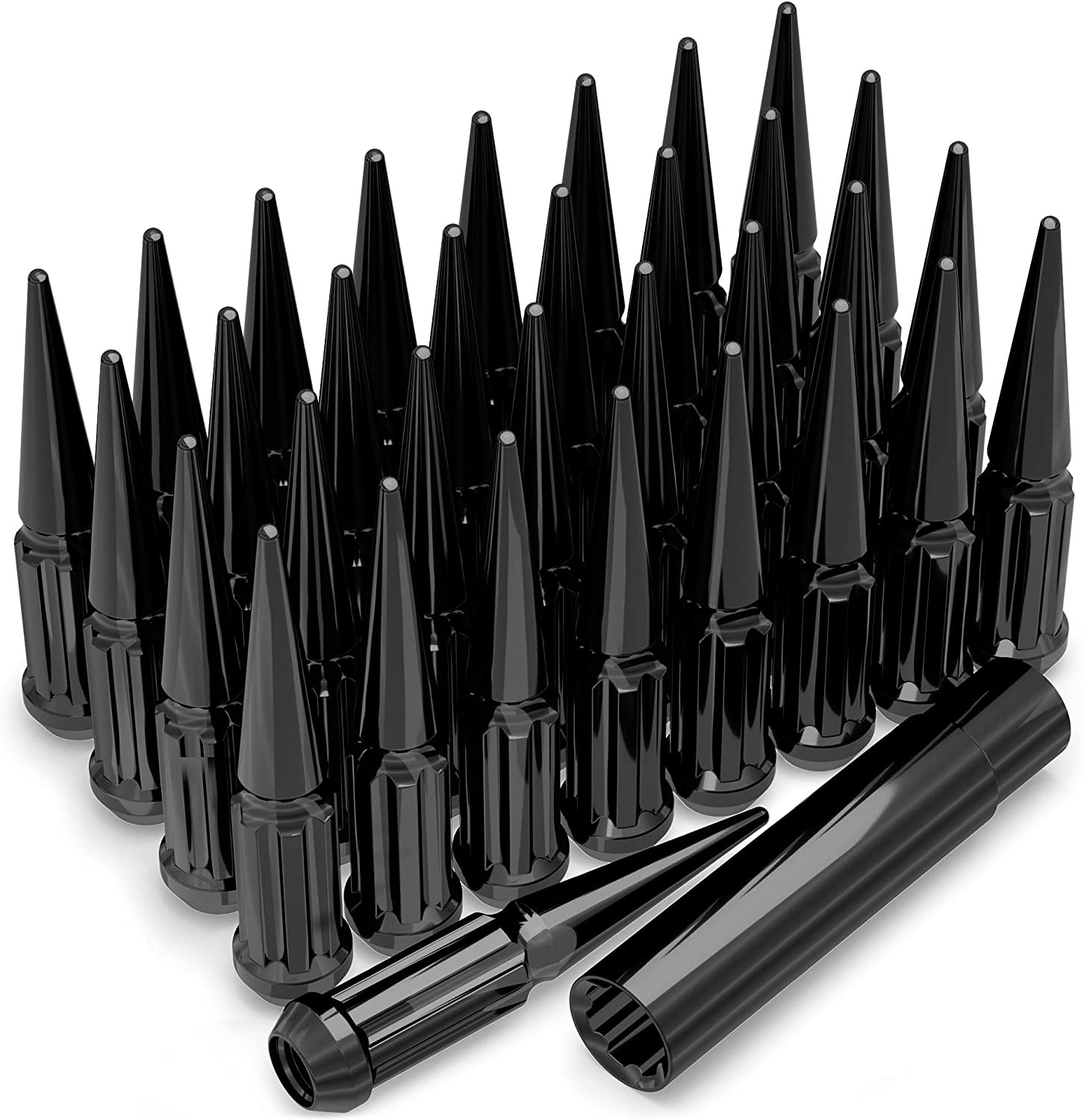
Lug Nuts / Wheel Bolts

M14 x 1.5

Wheel Adapters

6x139.7 · 78.1 mm hub

Directional bolt-pattern adapters. A spacer does not change PCD.

As an Amazon Associate we earn from qualifying purchases. Product availability and pricing may change.

Why These Wheels Fit

Wheel interchange depends on more than bolt pattern. Where data is available, this site compares:

  • Bolt pattern / PCD
  • Center bore direction (donor wheel bore must not be smaller than the hub)
  • Wheel diameter, width, and offset against known OEM ranges
  • Lug thread / hardware differences (vehicle-side hardware)

A normal wheel spacer does not change bolt pattern. Hub rings cannot enlarge a wheel bore that is smaller than the hub. Brake clearance and tire package fitment still require vehicle-specific checks when not confirmed in the dataset.

2002 GMC Sierra 1500 Wheel Fitment

This 2002 GMC Sierra 1500 fitment guide uses the known OEM specifications provided for this vehicle. Equipment can vary by trim, cab, bed, brake package, and production configuration, so verify the exact wheel and tire requirements on your truck before purchasing or installing parts.

Known OEM Fitment For 2002 GMC Sierra 1500

The following values are the available OEM reference specifications. They should be treated as a starting point for comparison, not as a substitute for checking the vehicle, wheel markings, and OEM service information.

Specification Known value
Bolt pattern, studs x PCD 6x139.7
Center bore 78.1 mm
Thread size M12 x 1.5
OEM rim diameter 16 inches
OEM rim width 7.0 inches
Wheel offset ET31 mm
Backspacing 4.72 inches
OEM tire section width 235 mm
OEM tire aspect ratio 75
OEM tire rim diameter R16

These specifications do not confirm wheel load rating, brake-caliper clearance, tire load index, speed rating, or the correct lug nut seat for every replacement wheel. Confirm those details with the wheel manufacturer and an OEM source for your specific truck.

How To Use The Wheel Interchange Calculator

Use the calculator to compare a donor vehicle's wheels with the wheels installed on your 2002 GMC Sierra 1500. Enter the donor vehicle information in “Wheels from” and set the GMC Sierra 1500 as “Installed on.” Review the bolt pattern, center bore, offset, wheel width, and diameter before considering a purchase.

You can also select “Custom wheel size” to test a specific rim diameter, width, and offset. Use “Custom tire size” to enter the tire section width and aspect ratio. When you change the rim diameter, the calculator updates the tire diameter in the comparison, helping you identify changes in overall rolling diameter.

A calculator result is a screening tool, not a guarantee of physical clearance or legal suitability. Confirm the result by checking the wheel markings, measuring the vehicle, and test-fitting one wheel without driving if there is any uncertainty.

Fitment Checklist Before You Buy

  • Confirm the wheel uses a 6x139.7 bolt pattern and has six correctly positioned mounting holes.
  • Check whether the wheel's center bore is 78.1 mm or larger. A smaller bore will not fit over the hub. A larger bore may require properly sized hub-centric rings when appropriate.
  • Compare the replacement wheel's offset and backspacing with the known ET31 mm and 4.72-inch reference values.
  • Verify the wheel diameter and width against the calculator and the wheel manufacturer's application data.
  • Check brake, suspension, steering, and fender clearance. Wheel width and offset changes can affect each of these areas.
  • Confirm the wheel's load rating is suitable for the truck and its intended cargo or towing use.
  • Match the tire load index and speed rating to the vehicle requirements and intended use.
  • Check the wheel's lug nut seat type, thread engagement, and required hardware. The known thread size is M12 x 1.5, but the correct seat style still depends on the wheel.
  • Confirm that the tire does not contact the upper control arm, tie rod, brake components, inner wheel well, or fender during steering and suspension movement.
  • Use the driver's door label, owner's manual, service information, and current tire sidewall markings to confirm pressure and tire requirements.

Plus Sizing And Common Upgrades

Plus sizing means using a larger rim diameter with a lower-profile tire while attempting to keep the overall tire diameter close to the original reference. The calculator can help compare custom rim and tire combinations, but it does not replace a physical clearance check.

Increasing wheel width or changing offset can move the tire inward toward suspension components or outward toward the fender. A larger rim can also reduce the amount of sidewall protection and may change ride comfort, steering feel, speedometer behavior, and wheel damage risk. No specific upgrade size is confirmed here because clearance and approved tire options can vary by truck configuration.

Before selecting an upgrade, confirm the tire maker's approved rim-width range, the wheel's load rating, the tire's load index, and the clearance at full steering lock and full suspension compression. Do not use spacers or adapters unless they are specifically approved for the application and installed according to their manufacturer's instructions.

Installation Tips

  • Inspect the hub, studs, wheel mounting face, and replacement wheel for corrosion, cracks, bends, or damaged threads.
  • Clean rust and debris from the hub and wheel mating surfaces. Do not place washers, paint, or debris between the mounting faces.
  • Install only lug nuts with the correct M12 x 1.5 thread and wheel-specific seat design.
  • Start every lug nut by hand to avoid cross-threading. Tighten in a crisscross pattern.
  • Use the torque specification listed in the owner's manual or OEM service information for your exact truck. Do not guess or reuse a torque value from another vehicle.
  • After installation, check clearance by turning the steering from lock to lock and inspecting the tire and wheel area. Check clearance again after a cautious test drive.
  • Recheck lug nut torque after the interval specified by the wheel or vehicle manufacturer, especially after the first drive and after any wheel removal.
  • Set tire pressure using the vehicle placard or OEM guidance, not the maximum pressure molded into the tire sidewall.

Tools And Helpful Supplies

Useful equipment includes a properly sized socket, a breaker bar, a calibrated torque wrench, a jack and jack stands rated for the truck, wheel chocks, a tire pressure gauge, and a tread or clearance measuring tool.

A calibrated automotive torque wrench can help you apply the OEM lug torque accurately. A set of automotive wheel chocks can help prevent vehicle movement while the truck is supported. Always use jack stands on a solid, level surface and never work beneath a vehicle supported only by a jack.

FAQs

What is the bolt pattern for the 2002 GMC Sierra 1500?

The known reference bolt pattern is 6x139.7, meaning six wheel studs on a 139.7 mm pitch circle diameter. Confirm the wheel's markings and physical fit before installation.

What is the center bore?

The known center bore is 78.1 mm. A replacement wheel with a smaller bore will not fit over the hub. A larger bore may need correctly sized hub-centric rings, depending on the wheel and application.

What wheel offset and backspacing are listed?

The known reference is ET31 mm offset with 4.72 inches of backspacing on a 7.0-inch-wide wheel. Changes can affect inner suspension clearance and outer fender position.

Can I use wheels from another vehicle?

Do not assume a donor vehicle's wheels are compatible based only on appearance or bolt pattern. Compare the donor wheel's bolt pattern, center bore, diameter, width, offset, backspacing, load rating, brake clearance, and lug nut seat in the calculator and against manufacturer information.

What tire size is the known OEM reference?

The provided reference is a 235 mm section width, 75 aspect ratio, and R16 rim diameter. Confirm the exact tire size on the vehicle placard, owner's manual, and tire sidewall because equipment can vary.

Does changing wheel diameter change tire diameter?

Changing rim diameter does not automatically make every tire combination equivalent. The tire's section width and aspect ratio determine sidewall height. Use the calculator to compare custom tire sizes and review the resulting overall diameter, then verify manufacturer and vehicle requirements.

What lug nut thread size is listed?

The known thread size is M12 x 1.5. The lug nut must also match the replacement wheel's seat type and provide adequate thread engagement. Confirm the required hardware with the wheel manufacturer.

Where can I confirm a specification that is missing or varies by trim?

Check the driver's door information label, owner's manual, OEM service documentation, the wheel and tire manufacturer, and the vehicle identification details. If a value is not shown in this guide or the calculator, treat it as unknown rather than assuming it applies to every 2002 GMC Sierra 1500.


Nick Marchenko

Automotive Expert