2012 GMC Sierra 1500 Wheel Fitment Guide
Use this guide to compare wheel dimensions for a 2012 GMC Sierra 1500. The specifications below are the known reference values provided for this page. Because wheel and tire equipment can vary by trim, package, drivetrain, and production configuration, confirm the original equipment information on the vehicle, in the owner documentation, or through a GMC parts source before ordering.
Known OEM Fitment For 2012 GMC Sierra 1500
| Specification |
Known value |
| Bolt pattern |
6x139.7, meaning 6 studs on a 139.7 mm pitch circle |
| Center bore |
78.1 mm |
| Thread size |
M14 x 1.5 |
| Rim diameter |
20 inches |
| Rim width |
8.5 inches |
| Wheel offset |
ET31, or 31 mm |
| Backspacing |
5.47 inches |
| Listed tire section width |
245 mm |
| Listed tire aspect ratio |
70 percent |
| Listed tire rim diameter |
17 inches |
The supplied wheel and tire values should not automatically be treated as one complete factory wheel-and-tire package. In particular, the listed 20-inch rim diameter and 17-inch tire rim diameter do not match. Verify the tire size printed on the sidewall and the wheel size stamped on the wheel before using them as a baseline.
How To Use The Wheel Interchange Calculator
Start with the calculator's “Wheels from” field and enter the donor vehicle or donor wheel specifications. Then use “Installed on” for your 2012 GMC Sierra 1500. Compare bolt pattern, center bore, wheel width, diameter, offset, and backspacing rather than relying on vehicle name alone.
Use the custom wheel size controls to enter a proposed rim diameter, rim width, and offset. Use the custom tire size controls for section width and aspect ratio. When you change rim diameter, the calculator updates the tire diameter in the comparison. Review the resulting clearance information, but also inspect the actual vehicle because suspension height, brake equipment, tire construction, and wheel design can affect fitment.
If a calculator result differs from the values on this page, confirm the vehicle's exact trim and equipment with an OEM parts catalog, the vehicle identification number, or a GMC dealer before purchase.
Fitment Checklist Before You Buy
Confirm the 6x139.7 bolt pattern and make sure the wheel's center bore is compatible with the truck's 78.1 mm hub. A smaller center bore will not fit over the hub. A larger bore may require correctly specified hub-centric rings, but rings do not correct an incorrect bolt pattern, offset, load rating, or brake clearance.
Check that the replacement wheel has adequate load capacity for a Sierra 1500 and that its offset and backspacing provide clearance to the brake caliper, suspension, steering components, and fender. Check both the fully compressed suspension position and steering lock-to-lock clearance. Confirm the tire's load index, speed rating, overall diameter, and approved rim-width range from the tire manufacturer.
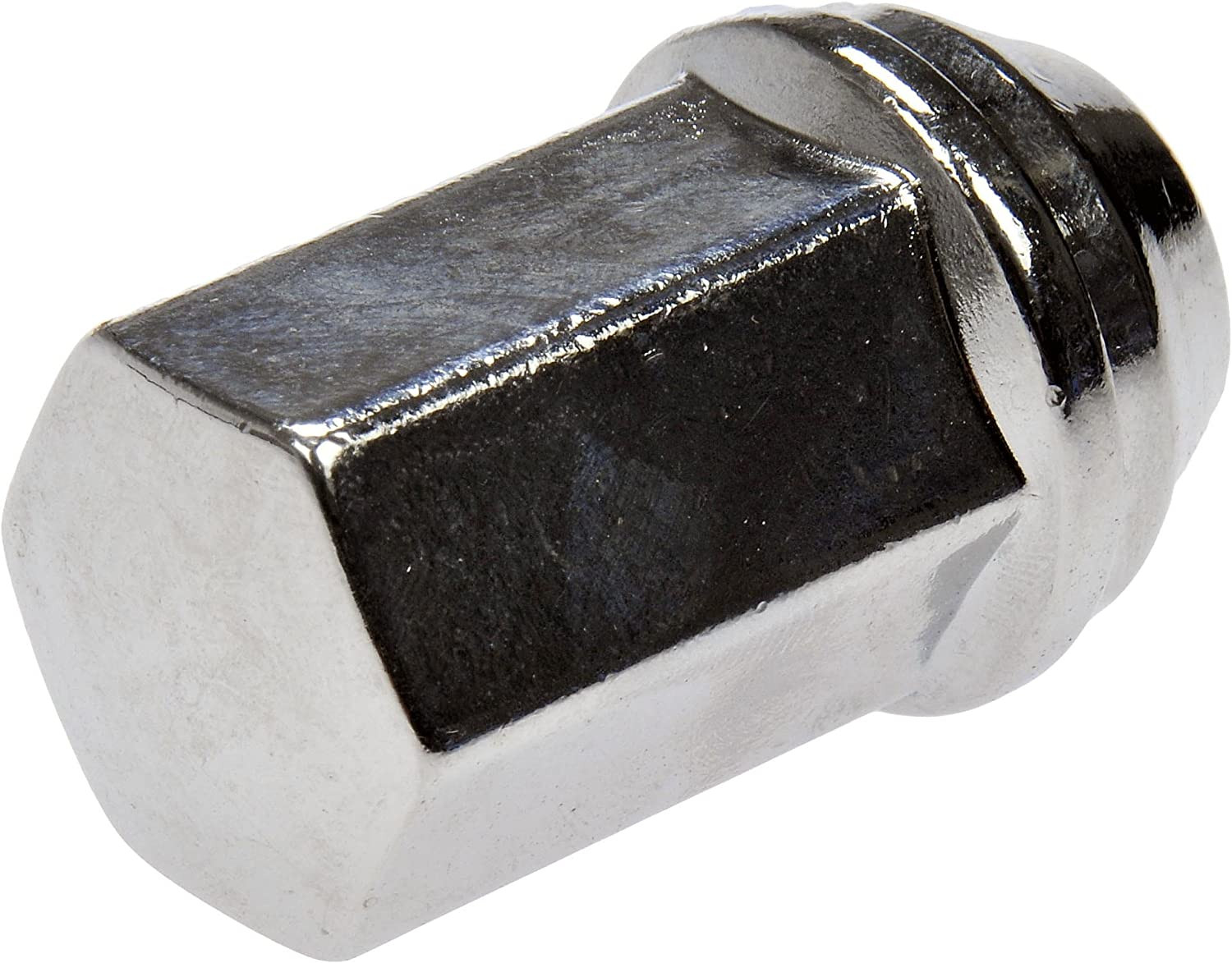
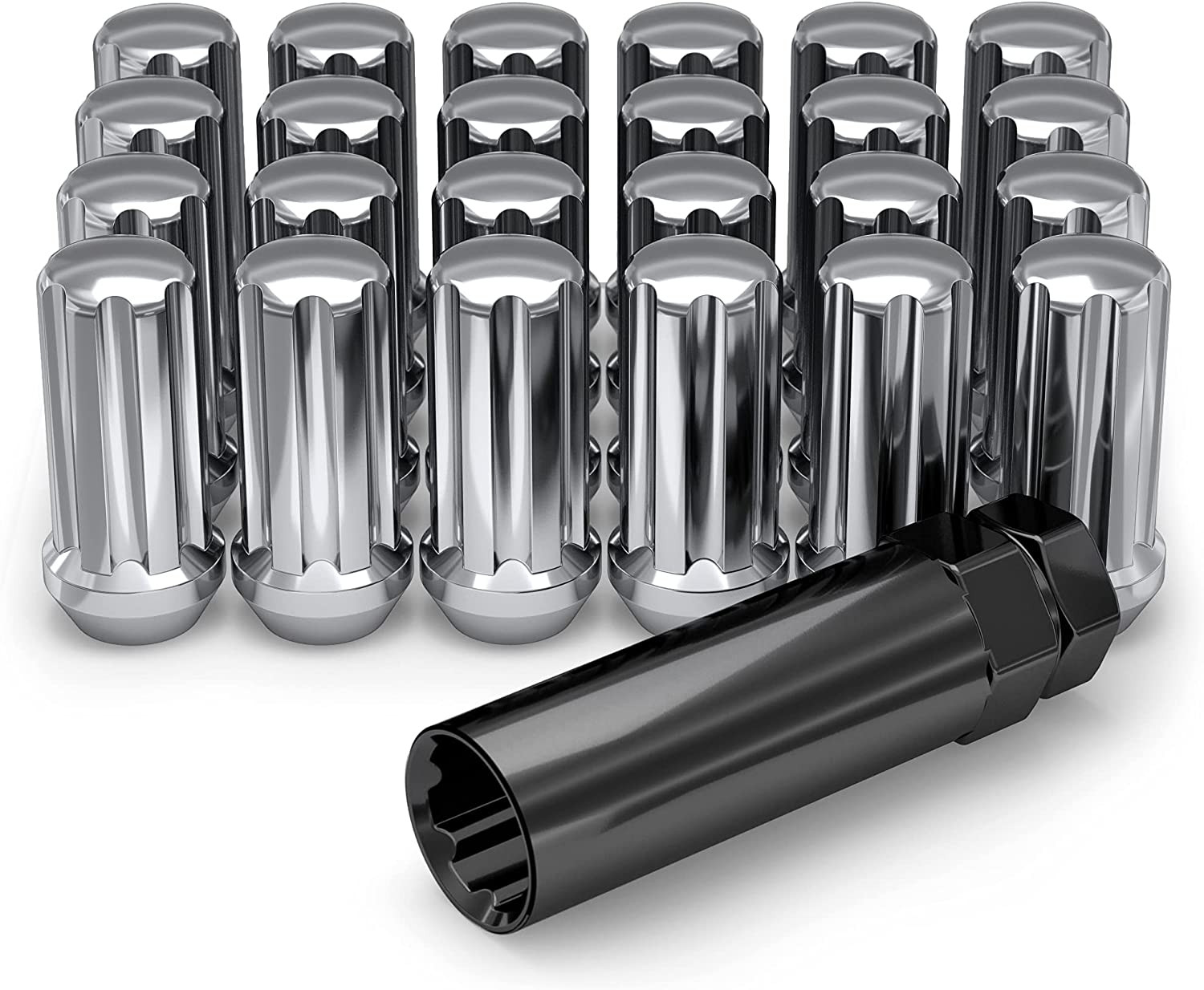
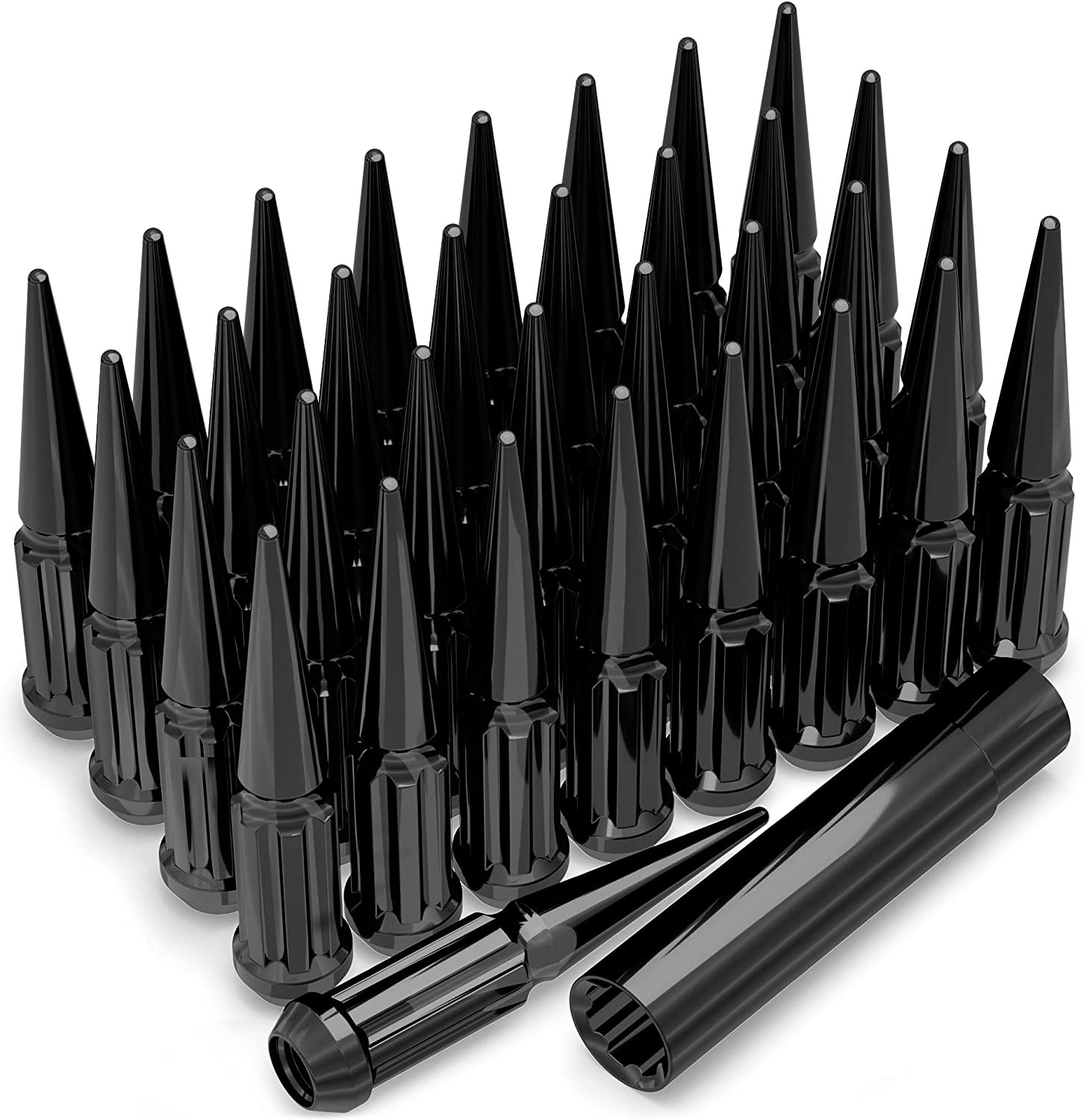
Do not assume that a wheel from another truck fits because it has six lugs. Compare all critical dimensions and verify the wheel manufacturer’s application data. Also confirm whether the wheel requires different lug nuts, a different seat style, or special valve stems for a tire-pressure monitoring system.
Plus Sizing And Common Upgrades
Plus sizing changes wheel diameter while maintaining a similar overall tire diameter by using a lower tire sidewall. It can sharpen steering response, but it may reduce ride comfort and increase the risk of wheel or tire damage from potholes. Use the calculator to compare the proposed wheel and tire against the known reference dimensions.
Do not select a tire solely by matching its section width. Overall diameter affects speedometer behavior, gearing, fender clearance, and electronic vehicle systems. The calculator can show the change in tire diameter when the rim diameter is adjusted, but the final tire size must also be approved for the wheel width and vehicle load requirements.
Wheel spacers and adapters should not be used as a shortcut for an incorrect application. If considered, they must be specifically rated for the vehicle and installed according to the manufacturer’s instructions, with adequate thread engagement and clearance.
Installation Tips
Before mounting a tire, test-fit each bare wheel on the front and rear hubs. Check the center bore, wheel seating, brake clearance, suspension clearance, and fender clearance. Rotate the wheel by hand and turn the steering from lock to lock where applicable.
Clean rust and debris from the hub and wheel mounting surfaces. Never use stacked washers or improvised hardware to correct a fitment problem. Install the correct lug nuts for the wheel’s seat type and thread specification, then tighten them in a star pattern with a calibrated torque wrench using the vehicle or wheel manufacturer’s torque instructions.
After installation, check for vibration, rubbing, and warning lights. Recheck lug-nut torque after the first short drive and again according to the wheel manufacturer’s guidance. Stop driving if the wheel contacts a suspension or body component, loses pressure, or produces unusual noise.
Tools And Helpful Supplies
Useful supplies include a calibrated torque wrench, a socket set that matches the lug nuts, a tire-pressure gauge, a tread-depth gauge, a straightedge, and a metric hub or bore measuring tool. A wheel fitment gauge can help identify brake and suspension clearance before tires are installed.
For compatible tools and basic wheel-service supplies, see automotive torque wrenches on Amazon and digital tire pressure gauges on Amazon. Confirm the tool's specifications and use the vehicle and wheel manufacturer's instructions.
FAQs
What is the bolt pattern for the 2012 GMC Sierra 1500?
The known reference value is 6x139.7. Confirm the wheel listing also identifies the correct center bore, offset, load rating, and lug-nut requirements.
What is the center bore?
The known reference center bore is 78.1 mm. A wheel with a smaller bore will not fit over the hub. A larger bore may need properly sized hub-centric rings if the wheel manufacturer permits them.
What lug thread size is listed?
The supplied thread size is M14 x 1.5. The wheel’s lug-nut seat style must also match. Thread size alone does not identify the correct lug nut.
Can I use a 17-inch wheel or a 20-inch wheel?
The supplied data includes a 20-inch rim value and a separate tire rim diameter of 17 inches, so they should not be assumed to describe one matching package. Use the calculator to compare the proposed dimensions and confirm the exact trim, brake clearance, and tire size through OEM and wheel manufacturer sources.
Does offset matter if the bolt pattern matches?
Yes. Offset changes the wheel’s position relative to the hub and can affect brake, suspension, steering, and fender clearance. The known reference offset is ET31, but the correct replacement offset can vary by wheel design and application.
Is backspacing interchangeable with offset?
They describe related but different measurements. Backspacing measures from the wheel’s mounting face to the inner rim edge, while offset measures the mounting face relative to the wheel centerline. Compare both when possible, especially if the replacement wheel has a different width.
Will the calculator guarantee that a wheel fits?
No. It is a comparison tool. A final fitment check must include physical clearance, tire load and size requirements, lug-nut compatibility, wheel load rating, and confirmation from OEM or wheel manufacturer documentation.