2003 GMC Sierra 1500 Wheel Fitment
Known OEM Fitment For 2003 GMC Sierra 1500
The following specifications are the known OEM reference values supplied for the 2003 GMC Sierra 1500. Equipment can vary by trim, drivetrain, brake package, and original wheel configuration, so confirm the specifications for your specific truck before purchasing wheels or tires.
| Specification |
Known OEM value |
| Bolt pattern |
6x139.7, also written as 6x5.5 inches |
| Center bore |
78.1 mm |
| Thread size |
M12 x 1.5 |
| Rim diameter |
16 inches |
| Rim width |
7.0 inches |
| Wheel offset |
ET31 mm |
| Backspacing |
4.72 inches |
| OEM tire size reference |
235/75R16 |
The listed 235/75R16 tire has a calculated nominal diameter of approximately 29.1 inches. Actual tire dimensions vary by manufacturer and model. The bolt pattern alone does not confirm fitment. Center bore, offset, backspacing, brake clearance, lug hardware, load rating, and tire clearance must also be checked.
How To Use The Wheel Interchange Calculator
Use the on-page calculator to compare wheels from a donor vehicle with the wheels installed on your 2003 GMC Sierra 1500. Enter the donor vehicle and verify its exact wheel diameter, width, offset, bolt pattern, and center bore from a reliable source. Do not rely only on a vehicle name or a general fitment list.
Enter the known Sierra specifications as the installed-vehicle reference, then review the difference in wheel position and tire dimensions. The calculator also allows you to enter a custom wheel size and custom tire size. Adjust rim diameter, rim width, and offset to test a proposed setup. Changing rim diameter updates the tire diameter in the comparison, which helps you evaluate overall size changes.
Use calculator results as a screening tool, not as a substitute for a physical test fit. A result that appears close can still fail because of brake-caliper clearance, suspension movement, steering lock, hub shape, lug-seat design, or tire sidewall bulge.
Fitment Checklist Before You Buy
Confirm that the replacement wheel has a 6x139.7 bolt pattern and a center bore that fits the 78.1 mm hub. A larger center bore may require correctly sized hub-centric rings, while a smaller center bore will not fit over the hub without proper machining. Do not use rings to correct an incompatible bolt pattern.
Compare the proposed offset and backspacing with the known ET31 and 4.72-inch reference. Offset changes can move the wheel toward suspension components or outward toward the fender. Check clearance with the steering fully turned and the suspension both unloaded and compressed.
Verify wheel load rating, tire load index, speed rating, valve-stem compatibility, and the correct lug-nut seat. The M12 x 1.5 thread size does not identify the required lug-seat shape or prove that a lug nut is suitable for an aftermarket wheel.
Inspect the complete tire and wheel assembly for contact with brake components, control arms, tie rods, fenders, inner liners, and frame components. Confirm that the tire remains inside the applicable bodywork requirements and that the speedometer and vehicle systems are not adversely affected by a major diameter change.
Plus Sizing And Common Upgrades
Plus sizing normally means using a larger wheel diameter with a lower-profile tire while keeping the overall tire diameter reasonably close to the reference tire. The correct replacement size is not determined by wheel diameter alone. Tire section width, aspect ratio, wheel width, offset, load rating, and actual manufacturer dimensions all matter.
The calculator can compare a custom wheel and tire combination with the known 235/75R16 reference. Review the change in overall diameter, sidewall height, tread width, and wheel position before buying. A wider tire may require additional clearance and can increase the risk of rubbing during steering or suspension travel.
Do not assume that a larger wheel is an upgrade for every Sierra configuration. Confirm brake clearance and the wheel manufacturer's approved tire-width range. Retain adequate load capacity for the truck's intended use, including passengers and cargo.
Installation Tips
Clean the hub face and wheel mounting surface before installation. Rust, paint buildup, dirt, or debris can prevent the wheel from seating flat and can contribute to loose fasteners. Never use excessive force to draw a mismatched wheel onto the hub.
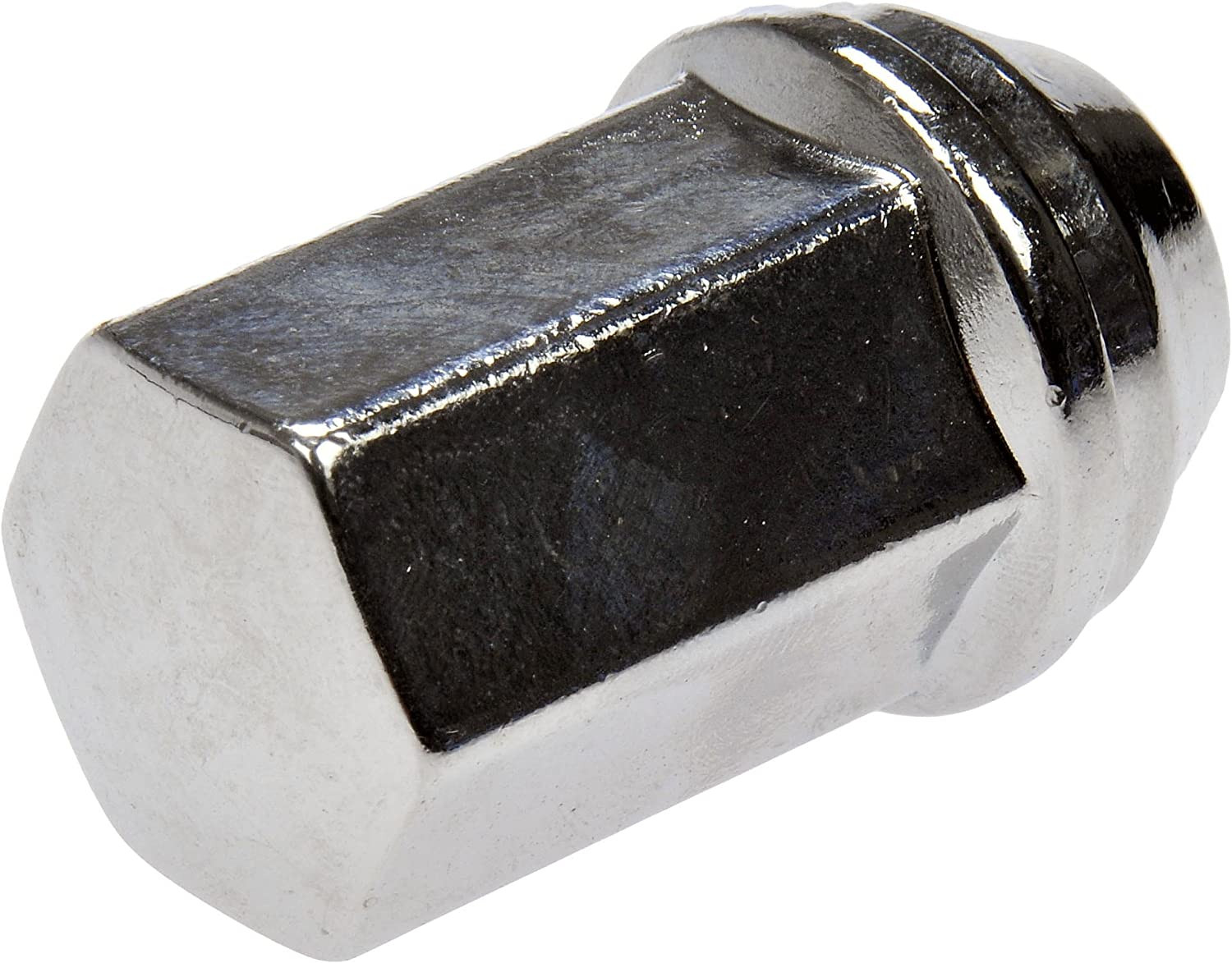
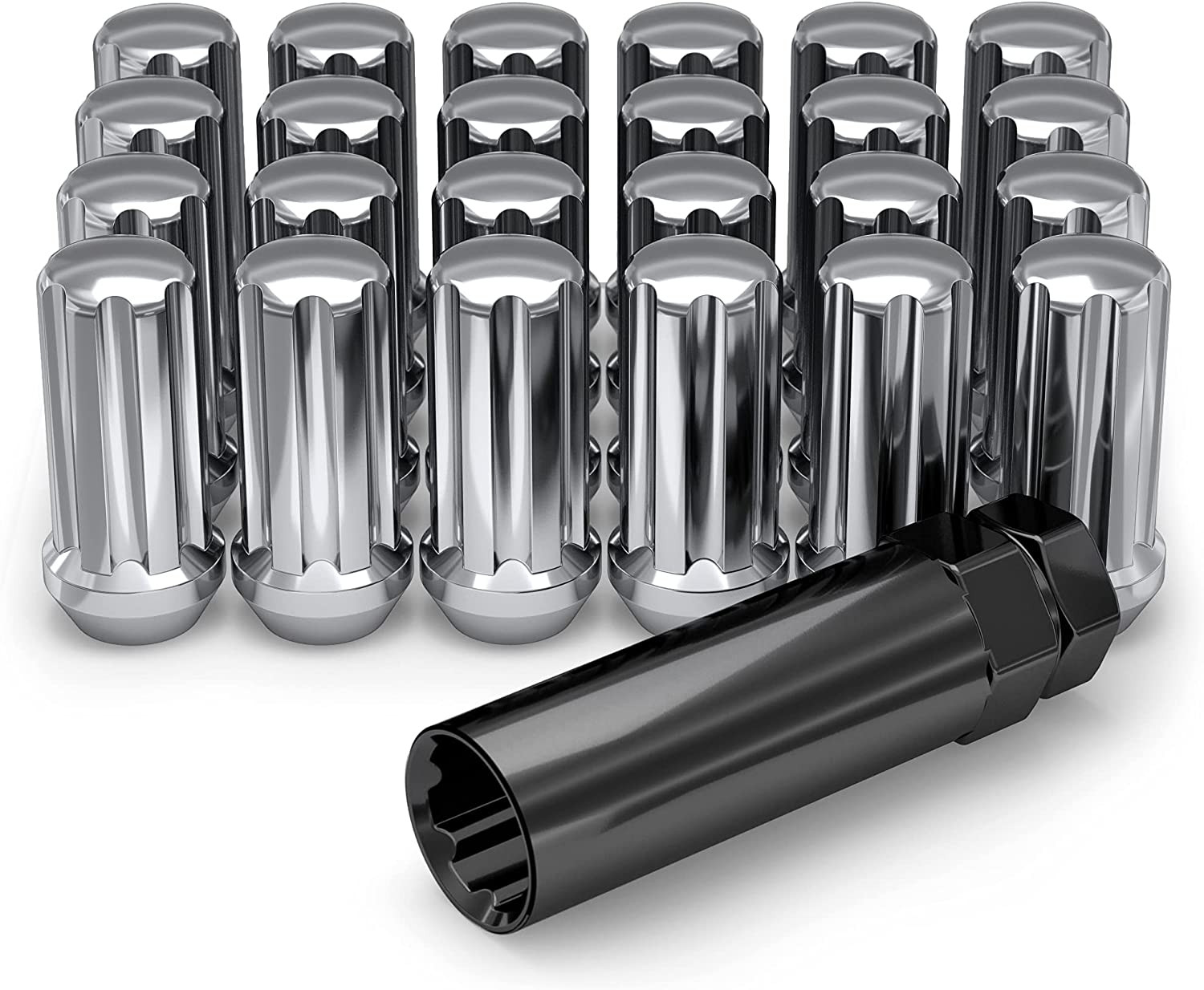
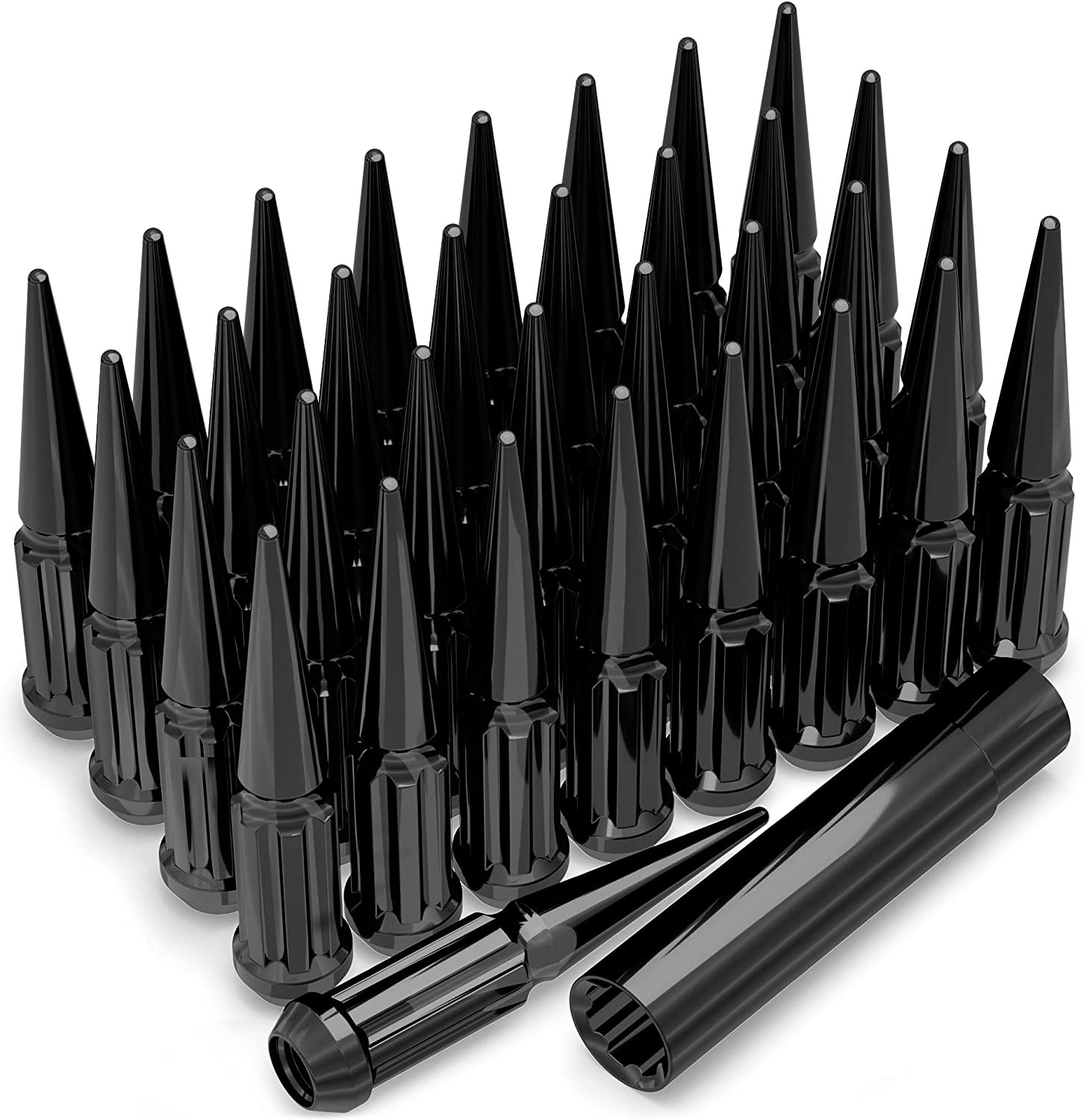
Install the correct M12 x 1.5 lug hardware with the seat style specified by the wheel manufacturer. Hand-start every lug nut to avoid cross-threading, then tighten in a star pattern with a calibrated torque wrench using the vehicle or wheel manufacturer's torque specification.
After installation, check for free rotation and inspect clearance through the full steering range. Recheck lug torque after the manufacturer's recommended short-distance driving interval, and inspect again after the first several trips. Stop driving if you notice vibration, rubbing, looseness, or contact marks.
Tools And Helpful Supplies
A tape measure or wheel-fitment gauge can help verify backspacing and clearance, but measurements should be taken carefully with the wheel removed and the hub, brake, and suspension inspected. A calibrated torque wrench, suitable socket, jack, jack stands, wheel chocks, and a tire-pressure gauge are also useful for a safe installation.
For relevant tools and supplies, see automotive torque wrenches on Amazon and hub-centric rings and wheel spacer supplies on Amazon. Confirm dimensions, load requirements, lug-seat compatibility, and product instructions before ordering.
FAQs
What is the bolt pattern for a 2003 GMC Sierra 1500?
The known reference is 6x139.7, commonly expressed as 6x5.5 inches. Verify the original equipment and replacement wheel specifications before purchase.
What is the center bore?
The known center bore is 78.1 mm. A replacement wheel with a smaller center bore will not fit over the hub. A larger bore may need correctly sized hub-centric rings if required by the wheel design.
What lug thread size is listed for this truck?
The supplied reference is M12 x 1.5. Thread size alone is not enough to select lug nuts because the lug-seat shape, shank dimensions, and wheel manufacturer requirements must also match.
What is the known OEM wheel and tire size?
The supplied reference is a 16 x 7.0-inch wheel with ET31 offset and a 235/75R16 tire. These values should be confirmed against the truck's door-jamb label, owner's documentation, OEM parts information, and the actual vehicle.
Can I install wheels from another vehicle with the same bolt pattern?
Not automatically. The donor wheel must also be checked for center bore, offset, backspacing, brake clearance, load rating, lug-seat design, and tire clearance. Use the on-page calculator to compare the donor wheel with the Sierra reference, then perform a physical test fit.
Will changing wheel diameter change tire diameter?
It can. A larger wheel typically requires a lower-profile tire to maintain a similar overall diameter, but the result depends on the selected tire size. The calculator updates tire diameter when you change rim diameter so you can compare the proposed setup with the 235/75R16 reference.
How can I confirm the correct fitment for my specific truck?
Check the vehicle identification information, door-jamb tire label, owner's manual, OEM parts catalog, and the markings on the existing wheels. Compare those sources with the calculator, then verify clearance and hardware before final installation.