2009 GMC Sierra 1500 Wheel Interchange
Known OEM Fitment For 2009 GMC Sierra 1500
The specifications below are the known reference data supplied for the 2009 GMC Sierra 1500. They may represent only part of the vehicle's available factory configurations, so confirm the exact specifications for your trim, axle, brake package, and original wheel before purchasing.
| Specification |
Known value |
| Bolt pattern |
6x139.7, or six studs on a 139.7 mm pitch circle diameter |
| Center bore |
78.1 mm |
| Thread size |
M14 x 1.5 |
| Rim diameter |
20 inches |
| Rim width |
8.5 inches |
| Wheel offset |
ET31, or 31 mm |
| Backspacing |
5.47 inches |
| Tire section width |
245 mm |
| Tire aspect ratio |
70 percent |
| Tire rim diameter |
17 inches |
Notice that the supplied wheel diameter is 20 inches while the supplied tire rim diameter is 17 inches. These entries should not be assumed to describe one complete wheel-and-tire assembly. Verify the tire placard, owner's manual, original wheel markings, or VIN-specific OEM information before treating any size as your installed configuration.
A replacement wheel should match the 6x139.7 bolt pattern, provide suitable clearance for the hub and brake components, and use the correct M14 x 1.5 wheel hardware. The center bore must fit the 78.1 mm hub correctly. Do not rely on bolt pattern alone to establish compatibility.
How To Use The Wheel Interchange Calculator
Use the calculator to compare Wheels from a donor vehicle with the wheels being Installed on your 2009 GMC Sierra 1500. Enter the donor wheel diameter, width, offset, tire section width, and tire aspect ratio as accurately as possible.
Review the comparison for differences in wheel width, offset, tire dimensions, and estimated overall diameter. The calculator can also compare a custom wheel size. Adjust the custom rim diameter, rim width, and offset, then enter the custom tire section width and aspect ratio.
Changing the rim diameter updates the tire diameter shown in the comparison. This is useful when checking a plus-size setup, but the calculator is not a substitute for physical brake-clearance, suspension-clearance, fender-clearance, and load-rating checks.
If a donor vehicle's specifications are unknown or vary by trim, confirm them from the donor wheel markings, the vehicle's tire placard, the owner's manual, or reliable OEM service information. Do not select a donor solely because it is another GMC or truck with six lug holes.
Fitment Checklist Before You Buy
Confirm the exact wheel and tire specifications for both vehicles before ordering. Check the following items together:
- 6x139.7 bolt pattern.
- 78.1 mm hub bore compatibility. A larger bore may require correctly sized hub-centric rings, while a smaller bore will not fit over the hub.
- Wheel offset and backspacing, including clearance to the strut, control arms, steering components, brake calipers, and fenders.
- Wheel width and tire width approved for the specific tire model.
- Brake-caliper clearance, including spoke and barrel clearance. A wheel can have the correct bolt pattern and still fail to clear the brakes.
- Wheel and tire load ratings that meet or exceed the vehicle requirements.
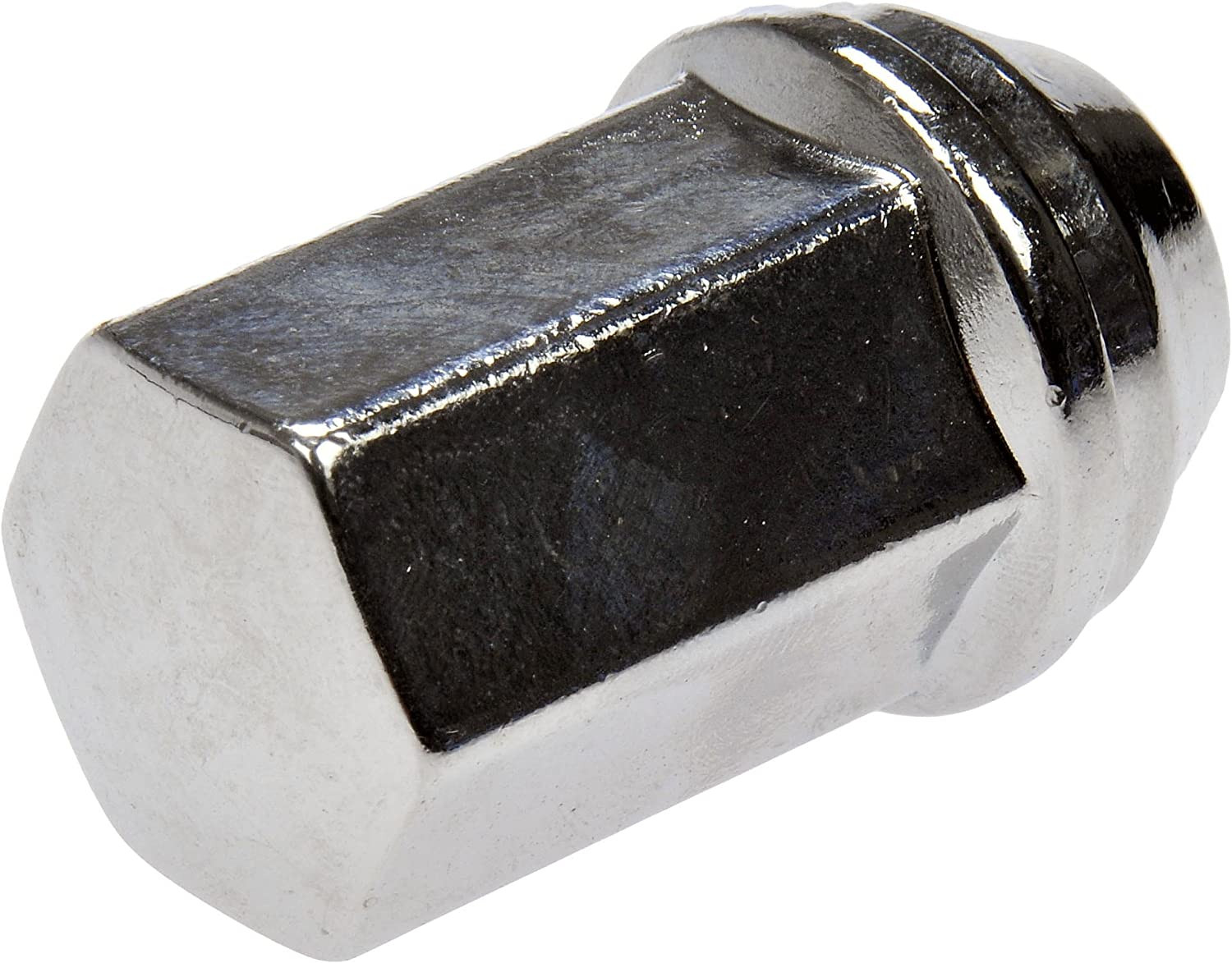
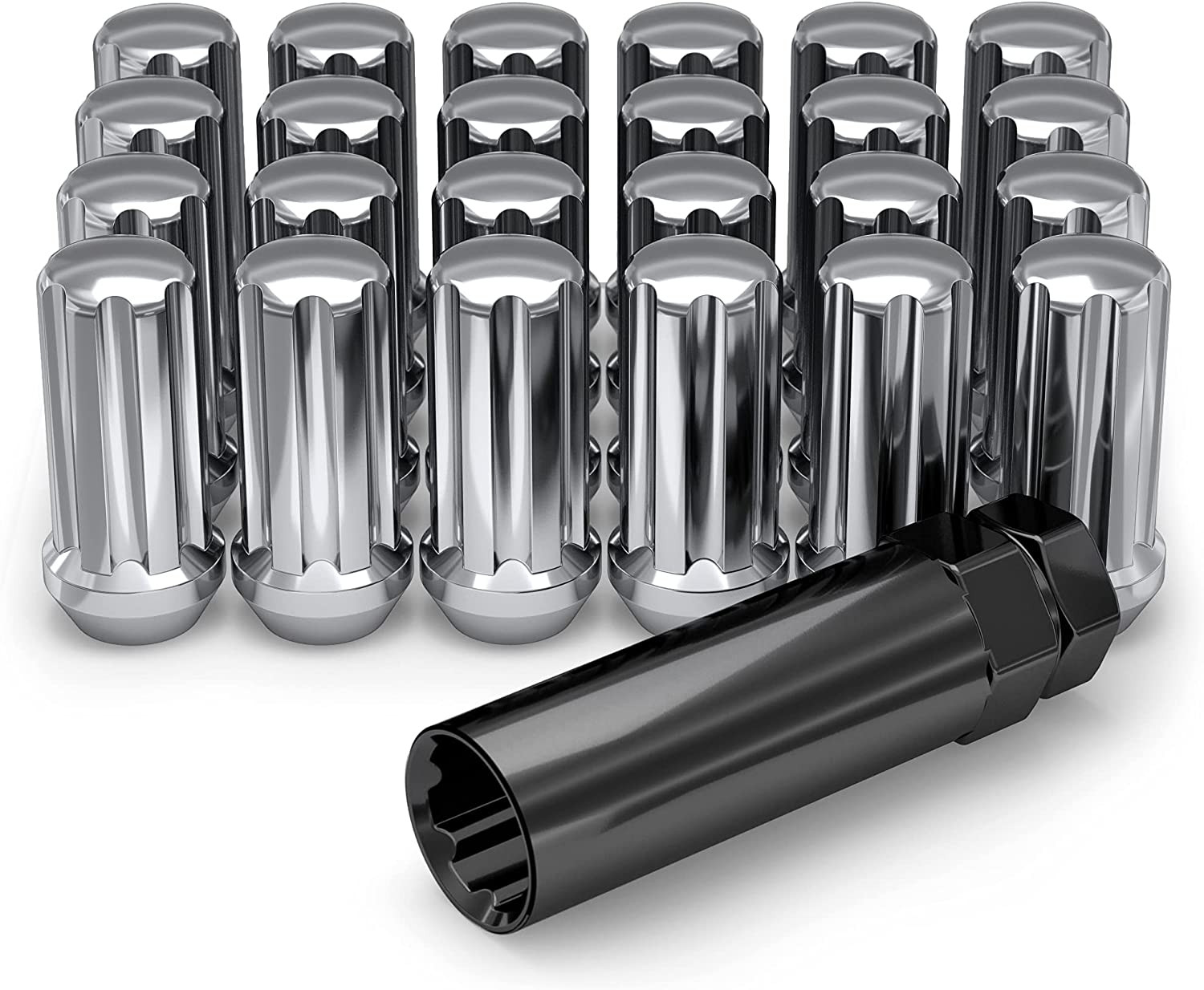
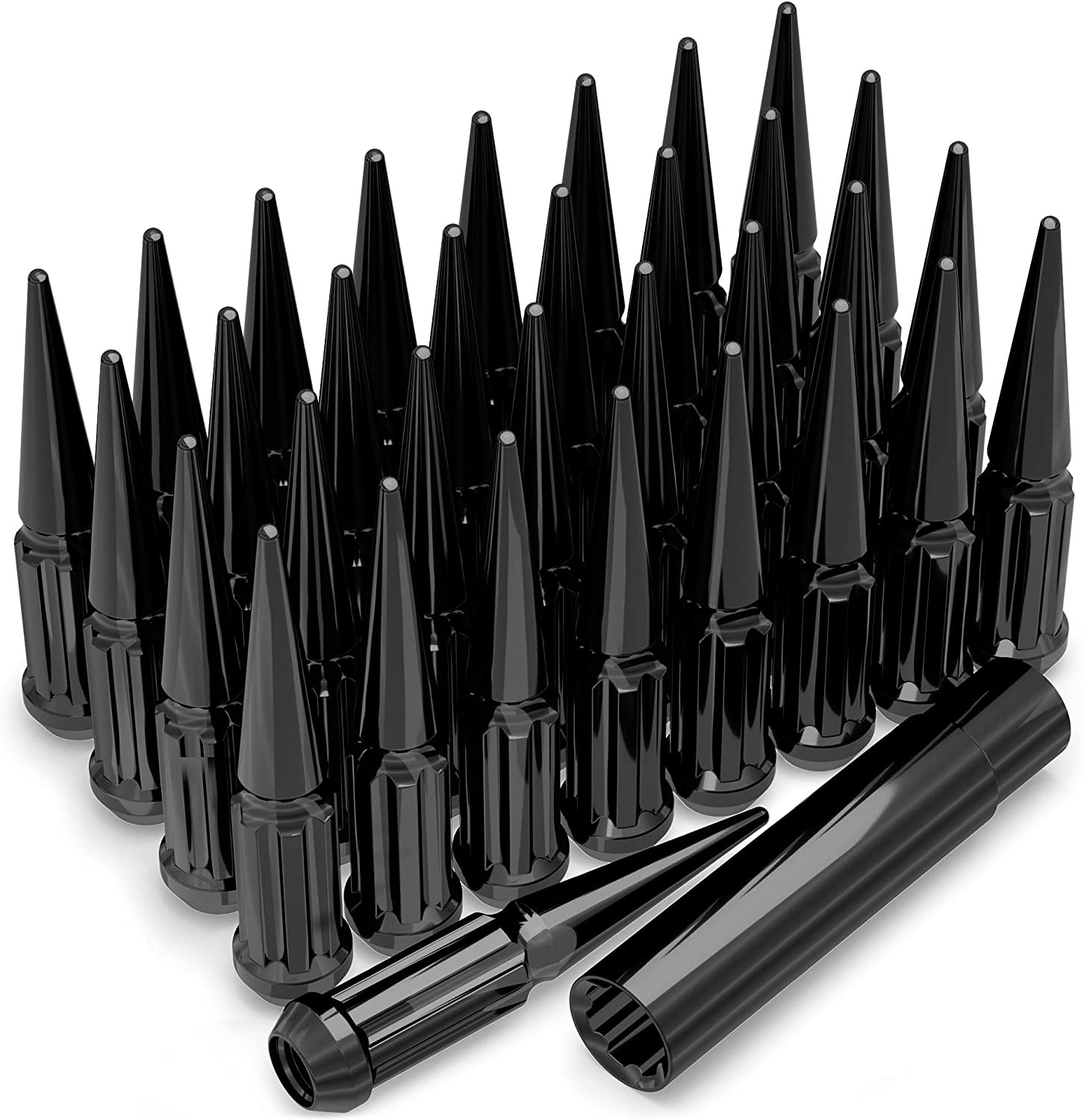
- Correct M14 x 1.5 wheel nuts or other hardware specified for the wheel design and seat type.
- TPMS compatibility and sensor service requirements, if the vehicle is equipped with tire-pressure monitoring.
- Overall tire diameter, speedometer effect, traction-control behavior, and available suspension and fender clearance.
Confirm the required cold tire pressure from the driver's door-jamb label, not from the maximum pressure molded into the tire sidewall. If the wheel is aftermarket, follow the wheel maker's instructions for hardware and maximum load.
Plus Sizing And Common Upgrades
Plus sizing generally means fitting a larger rim diameter with a lower-profile tire while keeping the overall tire diameter near the original specification. The goal is to preserve handling systems, speedometer behavior, and clearance while changing appearance or response.
The supplied data includes a 20-inch wheel reference and a 17-inch tire rim diameter reference, but it does not establish which combination is correct for every 2009 GMC Sierra 1500 trim. Use the calculator to compare the actual installed size with a proposed custom size, then verify the result against the vehicle placard and tire manufacturer's approved rim-width range.
A wider wheel or lower offset can move the tire outward and increase fender or liner contact. A higher offset can move the wheel inward and increase contact with suspension or brake components. Changes in tire section width can create additional clearance issues even when the wheel diameter remains unchanged.
Do not reduce load capacity or choose a tire with an unsuitable speed rating for the truck's intended use. For towing, hauling, off-road driving, or severe-duty use, prioritize load capacity, sidewall protection, and manufacturer guidance over appearance.
Installation Tips
Inspect every wheel for cracks, bends, damaged mounting surfaces, and corrosion before installation. Clean rust, dirt, and debris from the hub face and wheel mounting surface so the wheel seats flat.
Install hardware that matches the wheel's seat design. M14 x 1.5 describes the thread size and pitch, but it does not identify the correct nut seat, washer design, length, or strength for every aftermarket wheel. Never force incompatible hardware onto the studs.
Start all wheel nuts by hand. Tighten them in a crisscross pattern, then use a calibrated torque wrench to the vehicle or wheel manufacturer's specified torque. The correct torque value was not provided here and must be confirmed through the owner's manual, OEM service information, or the wheel manufacturer.
After installation, rotate each wheel by hand if possible and check for contact. Lower the vehicle, recheck torque, and inspect clearance with steering turned from lock to lock. Recheck wheel-nut torque after the first short drive and again according to the wheel manufacturer's instructions.
After changing wheels or tires, confirm tire pressure, reset or relearn TPMS as required, and have the vehicle aligned if the installation changes ride height, steering behavior, or causes the vehicle to pull.
Tools And Helpful Supplies
A calibrated torque wrench, correctly sized socket, breaker bar, jack, jack stands, wheel chocks, and a tire-pressure gauge are useful for a safe installation. Use jack stands on solid, level ground and follow the lifting points in the owner's manual. Never work under a vehicle supported only by a jack.
A TPMS service kit may be needed when transferring or servicing sensors. Confirm sensor compatibility before purchase.
Shop automotive torque wrenches on Amazon and shop digital tire-pressure gauges on Amazon.
FAQs
Does a 6x139.7 wheel automatically fit the 2009 GMC Sierra 1500?
No. The bolt pattern is only one part of fitment. Check the 78.1 mm center bore, offset, backspacing, wheel width, brake clearance, hardware seat, load rating, tire size, and TPMS compatibility.
What wheel bolt pattern is listed for this truck?
The supplied reference specification is 6x139.7. Confirm the exact vehicle configuration before ordering because fitment can vary by trim or equipment.
What wheel-nut thread size should I look for?
The supplied thread specification is M14 x 1.5. The thread size alone does not confirm the correct wheel-nut seat or hardware style, so match the hardware to the wheel and verify the required torque.
Can I use a wheel with a larger center bore?
A larger center bore may be usable with properly sized hub-centric rings, provided all other specifications and clearances are correct. A wheel with a center bore smaller than 78.1 mm generally will not fit over the hub.
Why do the supplied wheel and tire diameters show 20 inches and 17 inches?
They are separate known reference entries and should not be assumed to be one matched assembly. Confirm which wheel and tire size belongs to your truck using the door-jamb label, owner's manual, original wheel markings, or VIN-specific OEM information.
Can I install a wider tire or a different offset?
Possibly, but the result depends on the complete wheel and tire dimensions. Use the calculator to compare the proposed custom size, then physically verify brake, suspension, steering, fender, and liner clearance. Also confirm load capacity and the tire maker's approved rim-width range.
Does the calculator confirm that a wheel is safe?
No. It provides a dimensional comparison and can show how custom wheel and tire changes affect the comparison. Final approval requires checking OEM requirements, wheel load rating, tire specifications, hardware, brake clearance, and vehicle clearance.