2007 GMC Sierra 1500 Wheel Interchange Guide
Known OEM Fitment For 2007 GMC Sierra 1500
The following values are the known reference specifications for the 2007 GMC Sierra 1500 on this page. They may vary by trim, drivetrain, suspension package, wheel package, or replacement equipment, so confirm the vehicle’s original specifications before ordering.
| Specification |
Known value |
| Bolt pattern |
6x139.7, also written as 6x5.5 inches |
| Center bore |
78.1 mm |
| Thread size |
M14 x 1.5 |
| Rim diameter |
20 inches |
| Rim width |
8.5 inches |
| Wheel offset |
ET31 mm |
| Backspacing |
5.47 inches |
| Tire section width |
245 mm |
| Tire aspect ratio |
70 percent |
| Tire rim diameter |
R17 |
The supplied rim diameter and tire rim diameter do not match: the wheel value is 20 inches while the tire value is R17. A 17-inch tire cannot be mounted on a 20-inch wheel. Treat these as separate reference fields rather than a confirmed tire-and-wheel package. Check the tire sidewall, door-jamb label, owner’s manual, and the vehicle’s original build information before purchasing.
Do not rely on bolt pattern alone. A replacement wheel must also provide suitable center-bore fit, offset, width, brake clearance, load capacity, and tire compatibility.
How To Use The Wheel Interchange Calculator
Use the calculator to compare a donor vehicle’s wheels with your 2007 GMC Sierra 1500. Enter the donor vehicle under “Wheels from” and the GMC under “Installed on.” Review the displayed wheel diameter, width, offset, bolt pattern, center bore, and tire information.
- Start with the donor wheel specifications and verify them against the wheel manufacturer or donor vehicle documentation.
- Set the installed vehicle to the 2007 GMC Sierra 1500.
- Compare the donor bolt pattern and center bore with the known values shown above.
- Use “Custom wheel size” to test a specific rim diameter, width, and offset.
- Use “Custom tire size” to compare section width and aspect ratio.
- Check the calculator’s diameter comparison after changing rim diameter. The calculator updates tire diameter in the comparison, so confirm that the resulting tire remains appropriate for the vehicle.
- Use the result as a screening tool, not as a substitute for physical brake-clearance, suspension-clearance, and load-rating checks.
If a value is missing or differs between sources, confirm it using the vehicle label, an OEM parts source, the wheel casting mark, or the wheel manufacturer’s fitment documentation. Do not assume that every 2007 Sierra 1500 has the same factory wheel or tire package.
Fitment Checklist Before You Buy
- Confirm the six-lug 6x139.7 bolt pattern.
- Confirm that the wheel’s center bore is 78.1 mm or larger when a properly sized hub-centric ring is appropriate. A smaller bore will not fit over the hub.
- Verify the wheel’s offset and width against the calculator and the actual vehicle. Offset changes can affect inner suspension clearance, outer fender clearance, steering feel, and scrub radius.
- Check brake caliper and rotor clearance with a manufacturer template or a test fit. Bolt pattern compatibility does not guarantee brake clearance.
- Confirm the wheel’s load rating is suitable for the truck and its intended cargo or towing use.
- Match the tire size to the wheel width and verify the tire’s load index and speed rating.
- Compare overall tire diameter with the original specification. A large change can affect speedometer readings, gearing, traction-control operation, and clearance.
- Check the valve-stem location, TPMS compatibility, lug-seat type, and required lug-nut dimensions.
- Inspect used wheels for cracks, bends, corrosion, repaired damage, and damaged mounting seats.
- Confirm return policies before ordering because fitment databases and trim information can be incomplete.
Plus Sizing And Common Upgrades
Plus sizing generally means using a larger wheel with a lower-profile tire while keeping the overall tire diameter reasonably close to the original. It can improve steering response and appearance, but it can also reduce sidewall cushioning and increase the risk of wheel or tire damage from potholes.
The calculator can help compare custom wheel diameter, width, and offset with custom tire section width and aspect ratio. Change one variable at a time and review the resulting diameter and clearance implications. Because the supplied reference data includes both a 20-inch rim value and an R17 tire value, confirm which wheel and tire package is actually installed before using it as the baseline.
Wider wheels or tires may contact the upper control arm, steering components, inner liner, or fender. Spacers can create additional clearance but may change bearing loads and require correct hub engagement, longer studs, and manufacturer-approved installation. Do not use spacers or adapters unless their specifications, load rating, and installation requirements are verified.
Installation Tips
- Test-fit one front and one rear wheel before mounting all four tires, if possible. Check the inner barrel, caliper, suspension, and fender clearances through steering movement and suspension travel.
- Clean the hub and wheel mounting surfaces. Rust, dirt, and paint buildup can prevent the wheel from seating correctly.
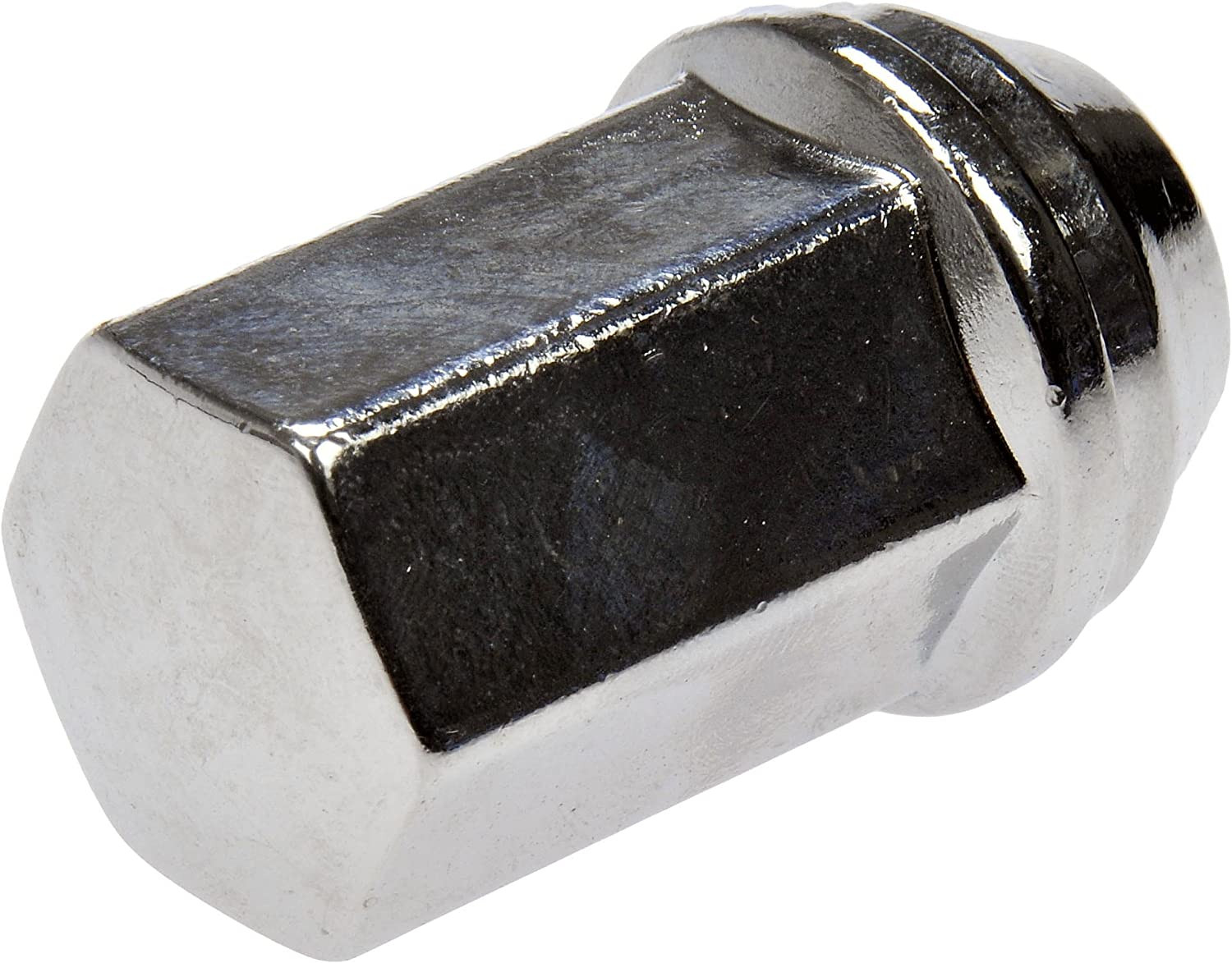
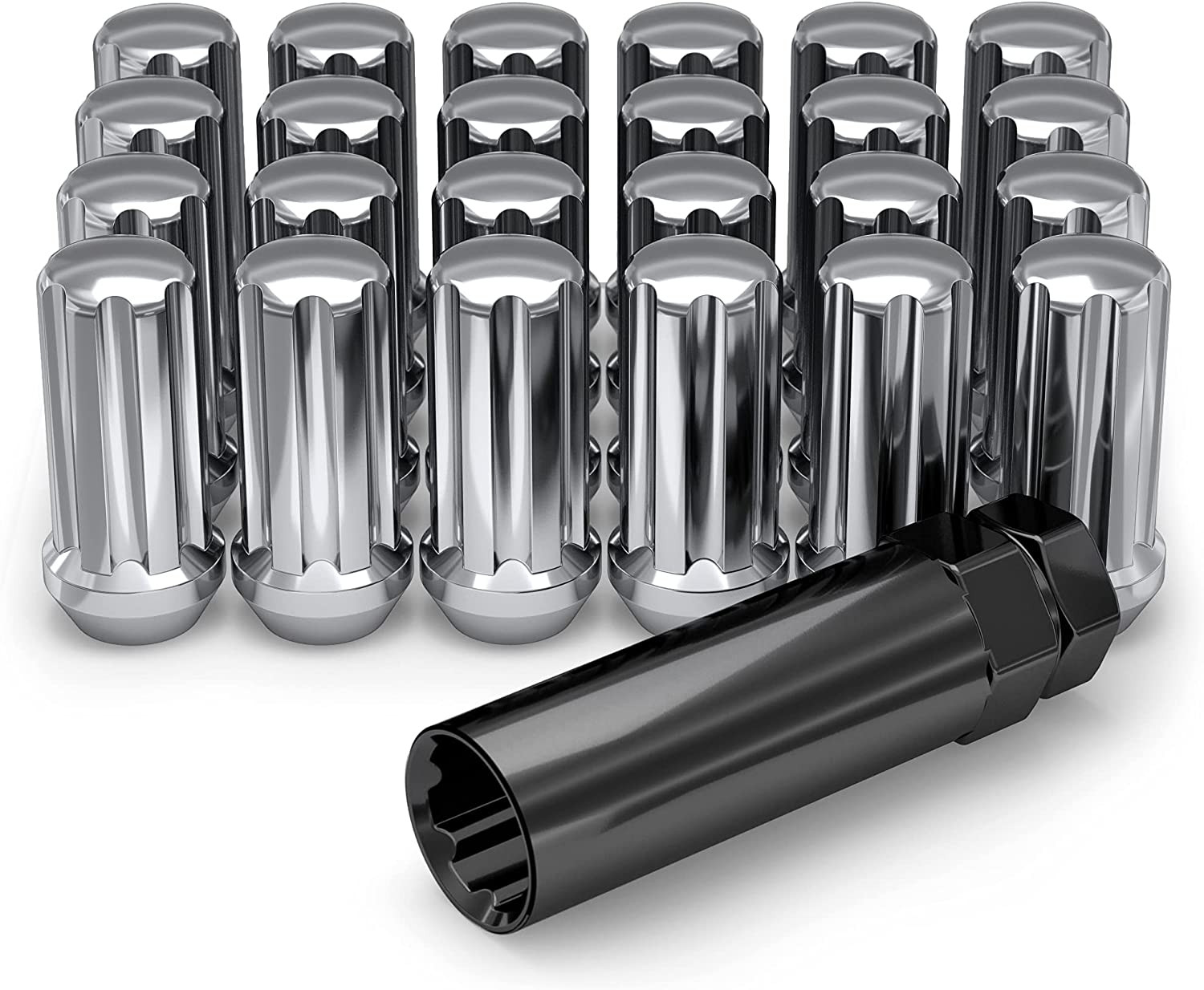
- Use the correct lug nuts for the wheel’s seat type and thread size. The known thread reference is M14 x 1.5, but the required lug-seat shape still depends on the wheel.
- Install wheels with the vehicle supported safely and never rely on a jack alone.
- Snug the lug nuts in a star pattern, lower the vehicle enough to prevent rotation, and torque them to the vehicle or wheel manufacturer’s specification. The required torque is not provided here and should not be guessed.
- After installation, check for leaks, vibration, rubbing, steering interference, and adequate thread engagement.
- Recheck lug-nut torque after the manufacturer’s recommended break-in distance and whenever the wheels are removed.
- Recalibrate or relearn the tire-pressure monitoring system when required by the vehicle and tire installation procedure.
Tools And Helpful Supplies
Useful equipment includes a calibrated torque wrench, suitable socket, jack stands or a vehicle lift, a tire-pressure gauge, a tread-depth gauge, and a wheel-clearance template. A hub-cleaning brush and anti-seize product may help with service, but keep lubricants away from wheel mounting faces, lug seats, and threads unless the vehicle or wheel manufacturer specifically permits their use.
For replacement lug nuts, hub-centric rings, or a torque wrench, use vehicle and wheel specifications rather than purchasing by appearance alone. You can browse general tool options on Amazon, but verify the tool’s range and accuracy before use.
FAQs
Does the 2007 GMC Sierra 1500 use a 6x139.7 bolt pattern?
The known reference on this page is 6x139.7. Confirm the pattern for the specific truck and wheel package before ordering, since bolt pattern alone does not establish complete fitment.
What center bore is listed for this vehicle?
The known center bore is 78.1 mm. A wheel with a smaller bore will not fit over the hub. A larger bore may require a correctly sized hub-centric ring when appropriate.
Can a 20-inch wheel use the listed R17 tire?
No. An R17 tire is designed for a 17-inch rim, while a 20-inch wheel requires a tire marked R20. The supplied data contains both values, so inspect the tire sidewall and vehicle label to determine the actual installed package.
Will any 6x139.7 wheel fit this Sierra 1500?
No. The wheel must also clear the brakes and suspension and have suitable center bore, offset, width, load rating, lug-seat design, and tire compatibility. Use the calculator for an initial comparison, then perform a physical test fit.
What lug thread size is listed?
The known thread reference is M14 x 1.5. The correct lug nut must also match the wheel’s seat type and provide proper thread engagement. Verify the wheel manufacturer’s requirements before installation.
Is the listed 31 mm offset guaranteed for every 2007 Sierra 1500?
No. ET31 is the known reference value supplied for this page, but wheel offset can vary by trim, package, and replacement wheel. Confirm the original wheel marking or OEM documentation and compare the proposed wheel in the calculator.
Do I need hub-centric rings for aftermarket wheels?
It depends on the wheel’s center bore and design. A larger-bore wheel may use a properly sized ring to center the wheel on the hub, while a smaller-bore wheel will not fit. Rings do not correct an incorrect bolt pattern, offset, load rating, or brake-clearance problem.
Why should lug torque not be guessed?
Incorrect torque can contribute to loose fasteners, damaged threads, warped mounting components, or wheel damage. Use the vehicle or wheel manufacturer’s specified torque and a calibrated torque wrench.